


Original Nautical Wall Art
Original nautical wall art captures centuries of maritime heritage on canvas, paper, and board for collectors of seafaring history.
Original Nautical Wall Art
Original nautical wall art spans paintings, watercolours, and etchings depicting ships, coastal landscapes, and river scenes. Buyers seek authentic period works that record maritime traditions, naval vessels, and coastal communities through historical artistic lenses.
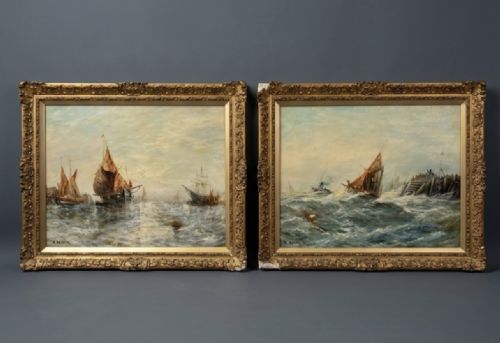
The selections available here lean heavily towards nineteenth and early twentieth-century creations. Victorian and Edwardian watercolours alongside oil paintings form the core of the items encountered on this page.
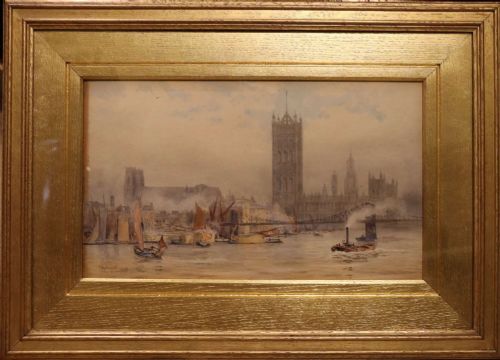
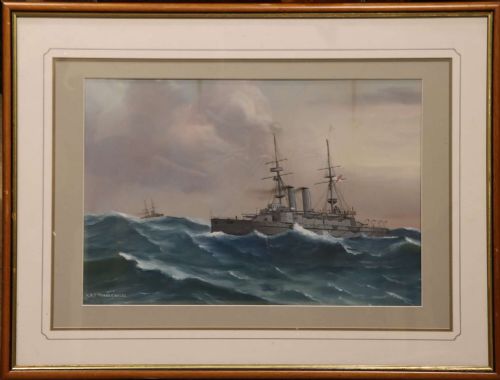
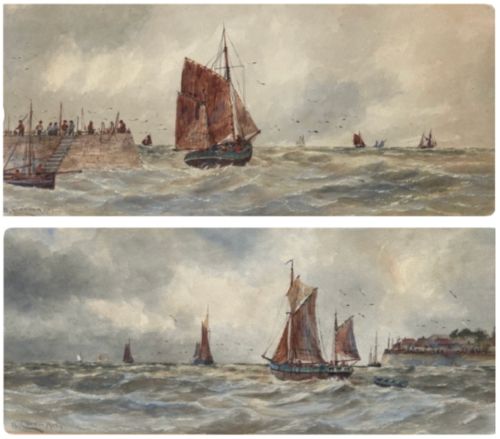
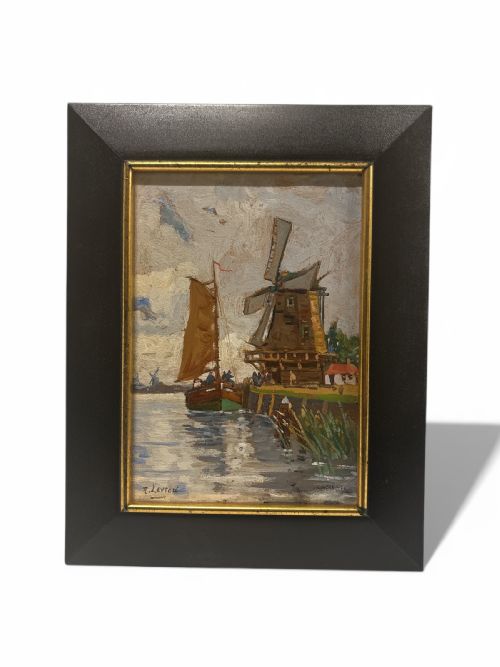
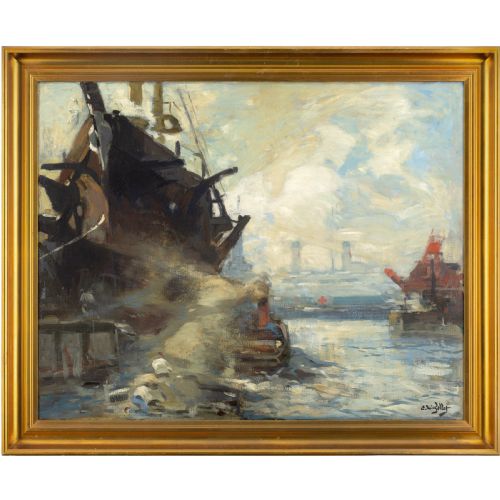
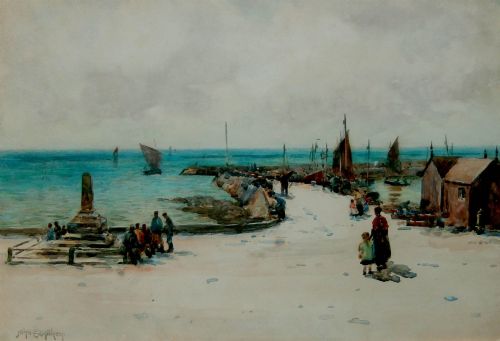
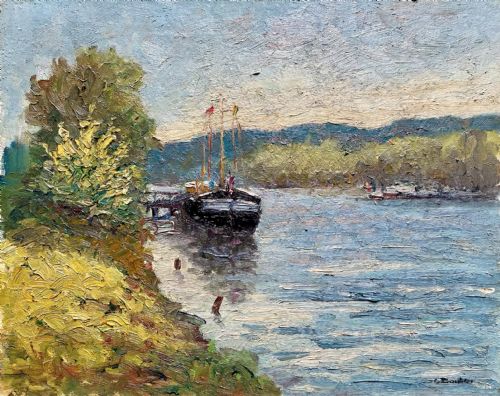
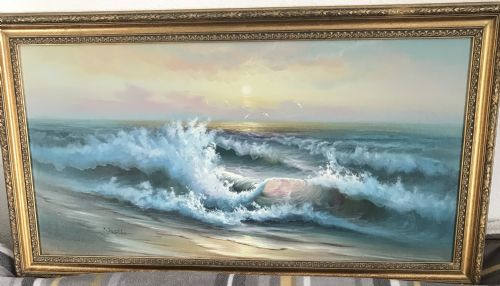
Works range from detailed depictions of clippers and fishing luggers to impressionistic river views and harbour scenes. Each piece offers a direct visual link to past maritime endeavours and coastal life.
Materials and construction methods
Artists relied primarily on oil paint applied to canvas or board, and watercolours laid onto heavyweight paper. These traditional media provided the transparency needed for water and skies or the heavy texture required for turbulent seas.
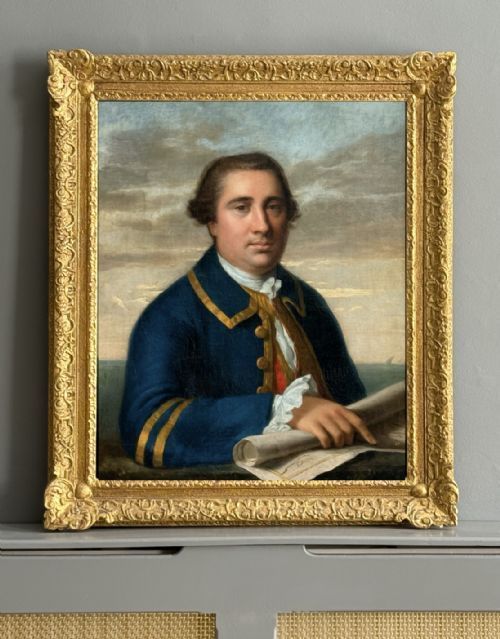
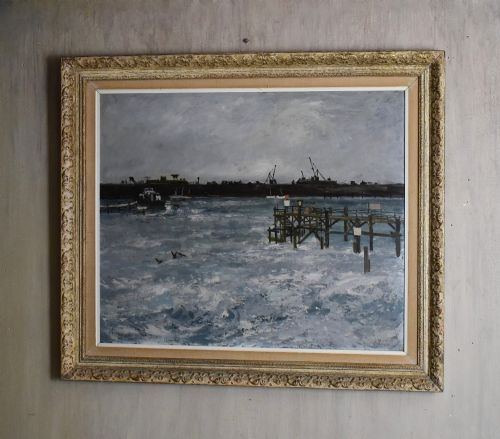
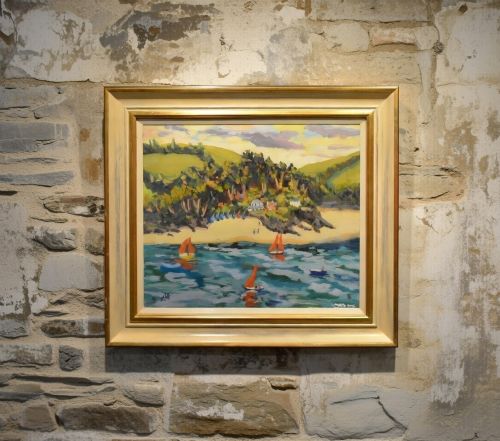
Many surviving pieces retain their period frames, often constructed from wood and finished with gilt. The integration of paper, card, and canvas with secure wooden supports ensured these artworks endured decades of atmospheric exposure.
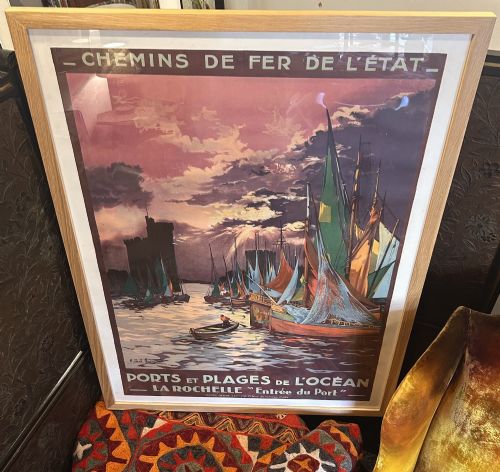
Listings feature works executed in oil paint, watercolour, gouache, and pencil etching across the nineteenth and twentieth centuries.
Distinctions in execution and condition
Quality rests upon the artist's command of perspective, light, and maritime anatomy, particularly in the rigging of ships and the movement of waves. Master hands capture the authentic weight of a vessel and the specific atmospheric conditions of coastal environments.
The preservation of the underlying medium dictates long-term value, with stable pigments and minimal foxing on paper separating superior watercolours from neglected examples. Original framing and clear provenance further elevate the standing of individual works.
H. Medlycott·Kenneth Cozens·James Orrock·William Cannon·Eugène-Louis Gillot·LEMUEL FRANCIS ABBOTT·John E. Aitken·William Lionel Wyllie·Peter Brannan·Lucy Pratt·Bernard Benedict Hemy·George Stanfield Walters·Abraham Hulk I·William Frederick Settle·Charles Napier Hemy·Richard Harry Carter·William Lee Hankey·Thomas Bush Hardy·Robert Leslie Howey·Edward Henry Eugene Fletcher·Samuel Owen·Leslie Rackham
The Original Nautical Wall Art Glossary
- Gouache
- An opaque water-based paint that dries to a matte finish, frequently utilised in maritime works to render bright highlights on sails and foaming water.
- Etching
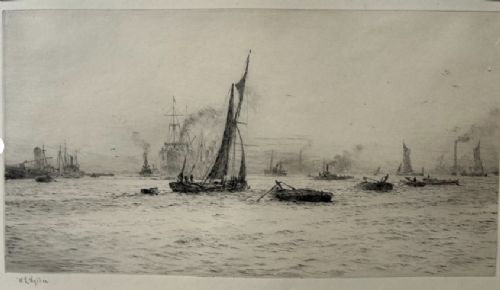
- A printmaking technique where an artist uses acid to cut into a metal plate, creating fine linear details such as those seen in river and shipping prints.
- Seascape
- A genre of painting focused primarily on the sea, coastal views, and marine shipping rather than inland topography.
- Impressionism
- An art style characterised by relatively small, thin yet visible brush strokes and an emphasis on accurate depiction of light in its changing qualities.
- Provenance
- The chronology of the ownership, custody, or location of a historical artwork, establishing its authenticity and history.
Original Nautical Wall Art: Frequently Asked Questions
How do I date a nautical painting?
Dating relies on stylistic clues, artist signatures, and the specific types of vessels depicted in the composition. Rigging styles and naval architecture changed rapidly across the nineteenth and twentieth centuries.
Supporting documentation or framing styles often provide additional chronological markers. Comparing the brushwork and palette to known dated works by the same school solidifies the timeline.
Are watercolours as durable as oils?
Watercolours require careful protection from direct sunlight to prevent fading of pigments on paper. When properly glazed and framed, they remain exceptionally stable over generations.
Oil paintings on canvas or board tolerate ambient light better but remain sensitive to extreme humidity changes. Both media survive centuries when kept in stable indoor environments.
What subjects are most common?
Fishing boats, merchant vessels, and warships dominate the historical record of marine art. Scenes frequently capture specific British rivers, coastal ports, and dramatic open seas.
Artists also documented everyday harbour life and leisure sailing. This variety reflects the central importance of maritime trade and recreation to past societies.
How should I frame antique maritime art?
Preserving original frames whenever possible maintains the historical integrity and aesthetic balance of the artwork. Many period pieces were designed with specific gilt or wooden mouldings that complement the subject.
If framing is necessary, conservation-grade materials protect paper and canvas from chemical degradation. Neutral mounts and traditional wood profiles suit nineteenth and early twentieth-century aesthetics best.