


Original Figurative Drawing
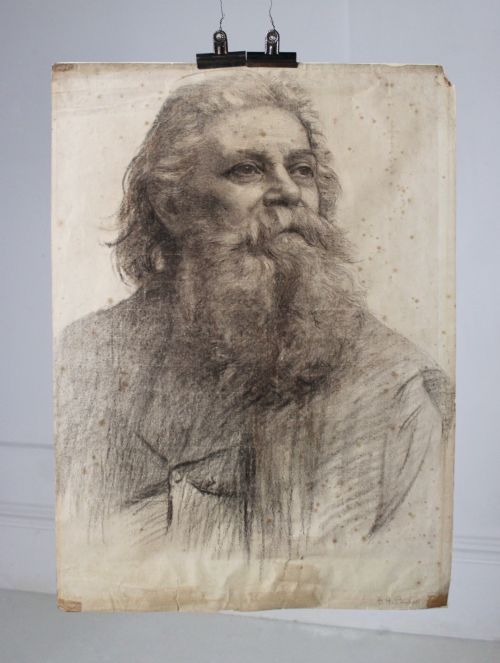
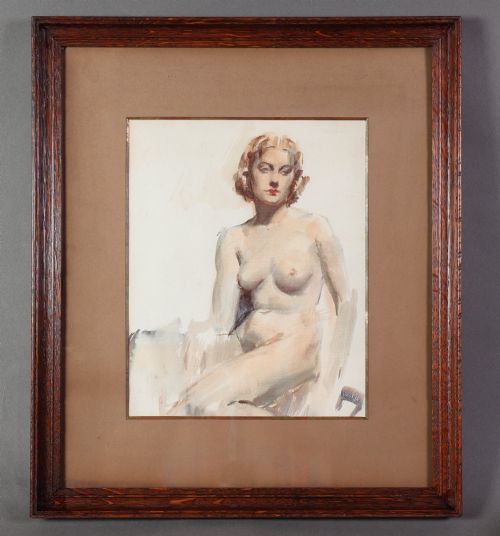
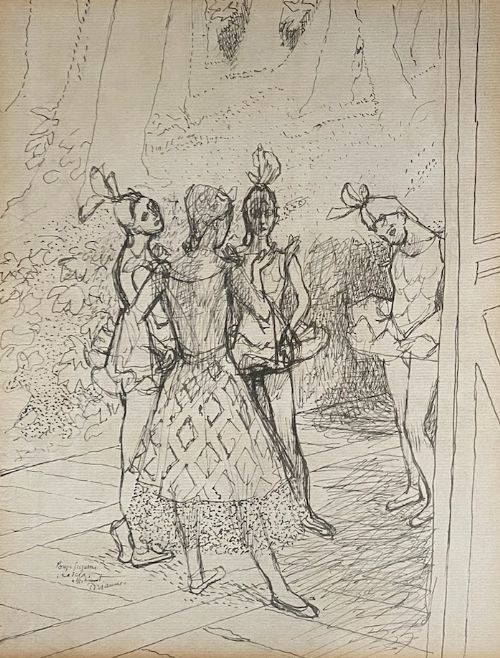
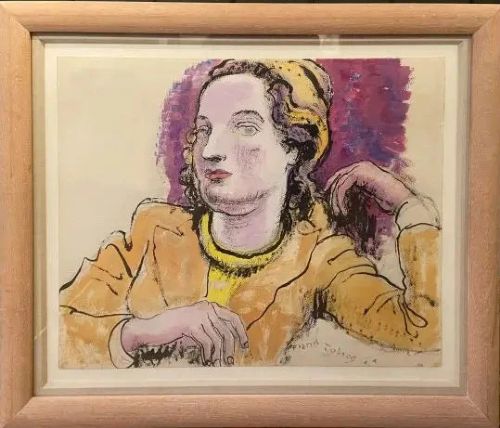
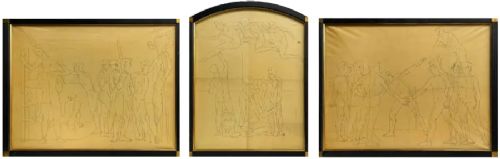
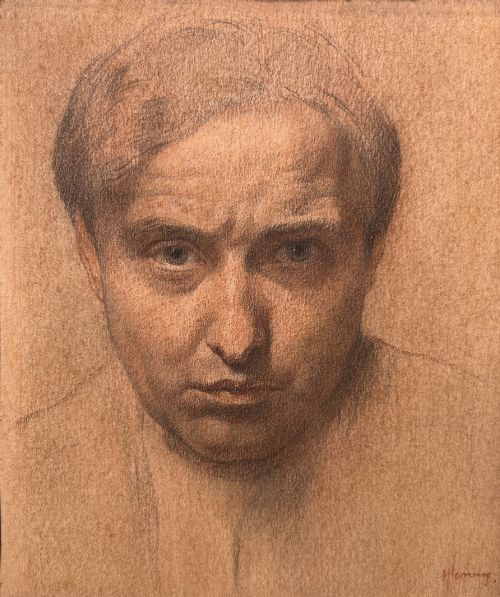
Original figurative drawing captures the human form directly through the hand of the artist across diverse periods from the nineteenth century to the mid-twentieth century.
Original Figurative Drawing
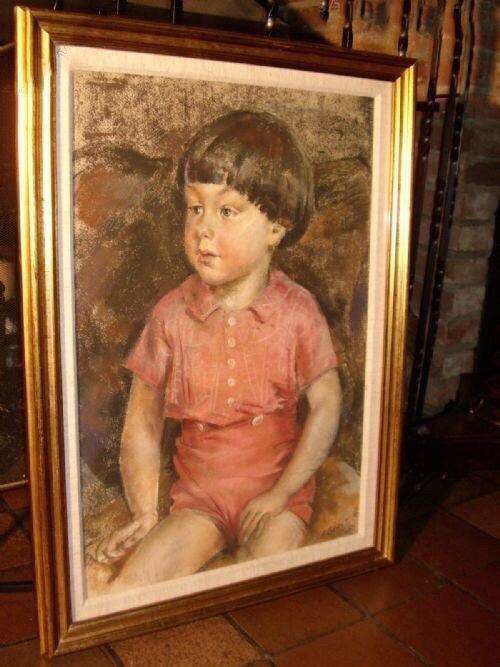
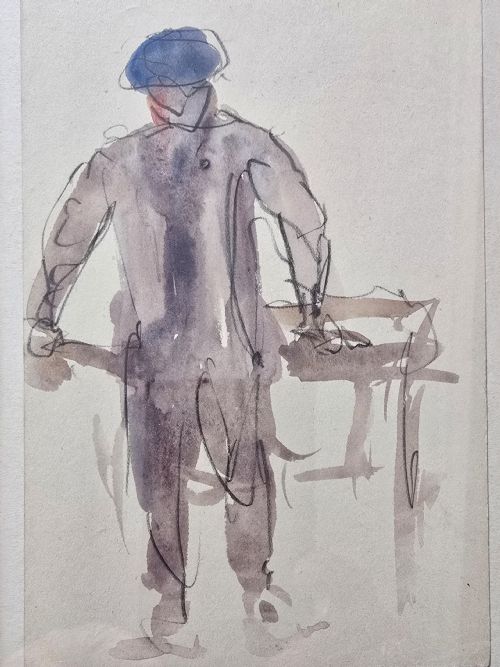
An original figurative drawing represents the human body and portraits created through direct graphic marks rather than mechanical reproduction. Buyers searching this phrase encounter works executed in charcoal, ink, pastel, watercolour, and graphite on paper.
The selections span the nineteenth century, Edwardian era, and through the 1920s, 1930s, 1940s, 1950s, and 1960s. These pieces include life studies, nudes, dancers, portraits, and narrative compositions from British, French, Spanish, and African schools.
Framed artwork and wall art dominate the physical formats, presenting intimate studio sketches alongside large-scale finished studies. Academic realism, art deco, and modernist approaches reflect the varied aesthetic priorities of the past two centuries.
Materials and execution
Artists relied primarily on paper supports, utilising charcoal and chalk to build tonal depth and shadow on life studies. Ink lines provided crisp definition for figurative outlines, often paired with watercolour or wash for atmospheric tinting.
Pastel and gouache allowed creators to introduce rich pigment directly onto the paper surface, capturing the soft textures of clothing and skin. Mixed media combinations, such as pastel applied over lithograph or coloured pencil alongside watercolour, demonstrate experimental studio practices of the twentieth century.
Materials represented across the archive include charcoal, ink, pastel, watercolour, graphite, glass, and wood.
What distinguishes quality
Quality rests upon the sureness of the hand and the economy of line used to define anatomy and expression. A master drawing demonstrates anatomical conviction and confident mark-making, whereas lesser examples rely on hesitant corrections or rigid outlining.
Provenance and association elevate certain works, particularly when pieces originate from recognised academies or carry documentation linking the artist to notable artistic circles. The preservation of the paper substrate and the integrity of fragile mediums like pastel also influence the standing of a piece.
Maurice Brianchon·Frank Dobson·James Stroudley·Herbert Johnson Harvey·J A Grant·Michael Healy·John Merrifield·Demetrios Galanis·Raoul Millais·Denis William Reed·Lucien Freud·Irene Lagut·John Duncan Fergusson·Kees van Dongen·Laura Knight·Yves Brayer·Gaston Bouy·Sonia Lawson·Cecil C P Lawson
The Original Figurative Drawing Glossary
- Life study
- A drawing executed directly from a live model, capturing anatomical form and posture. These works serve as foundational exercises or finished pieces in their own right.
- Deux crayon
- A drawing technique utilising two distinct colours of chalk or crayon, typically black and red, on toned paper to create highlights and shadows. This method adds tonal dimension to figurative sketches.
- Wash
- A diluted application of ink or watercolour applied with a brush to provide translucent tones and background depth behind primary pencil or charcoal lines. It creates subtle atmospheric effects in works on paper.
- Academic realism
- An artistic style born from the standards of European art academies, prioritising accurate anatomical proportions, smooth shading, and faithful representation of the human subject.
- Provenance
- The documented history of ownership of an artwork, tracing its lineage from the artist's studio through collections and exhibitions. A strong provenance confirms authenticity and historical context.
Original Figurative Drawing: Frequently Asked Questions
How should I frame an antique drawing on paper?
Works on paper require conservation-grade mounting to prevent acid transfer and direct contact with the glass. Spacer framing ensures humidity cannot trap the delicate charcoal or pastel pigments against the glazing.
Keep these artworks away from direct sunlight to prevent fading of watercolours, inks, and pastel pigments over time. Neutral lighting preserves the integrity of the paper and the surrounding mount.
What is the difference between a study and a finished drawing?
A study is typically an exploratory work focusing on a specific limb, pose, or composition to prepare for a larger painting or sculpture. These pieces often show visible grid lines, artist notes, and rapid contour adjustments.
Finished drawings are executed with presentation in mind, featuring complete backgrounds, resolved tonal values, and often the artist signature. Both categories hold distinct appeal for collectors depending on whether they prefer spontaneous studio marks or fully realised portraits.
How do I identify charcoal versus graphite drawings?
Charcoal produces a deep, velvety matte black mark that smudges easily and sits visibly on top of the paper fibres. It is commonly used for expressive life studies and large-scale figurative pieces requiring strong contrast.
Graphite yields a shinier, metallic grey line that bites more firmly into the paper and resists accidental blurring unless rubbed deliberately. Many twentieth-century artists combined both mediums or utilised chalk alongside charcoal to vary the texture.
Are pastels stable enough for everyday display?
Pastels consist of pure powdered pigment held together by a minimal binder, making them inherently fragile if subjected to physical shock or vibration. Framing behind sealed glass protects the friable surface from accidental disturbance.
When hung securely in a stable environment away from heavy foot traffic, pastels retain their brilliant velvety colour indefinitely. Collectors simply ensure the frame remains undisturbed during cleaning.