

Original Edwardian Watercolour
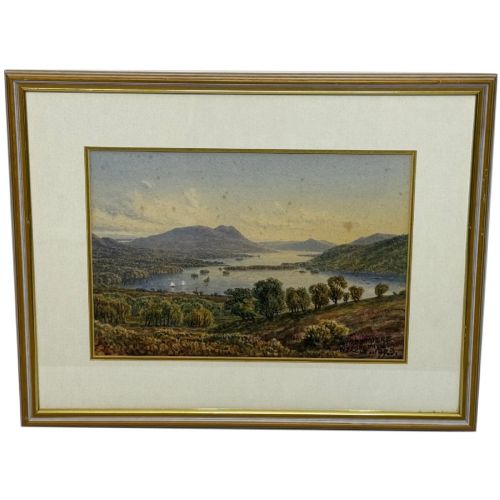
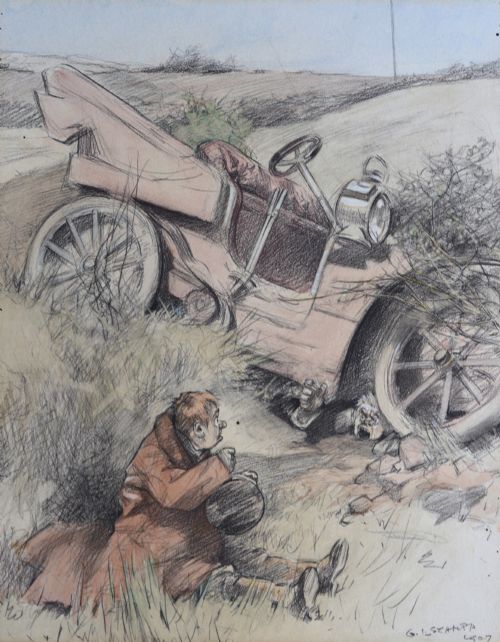
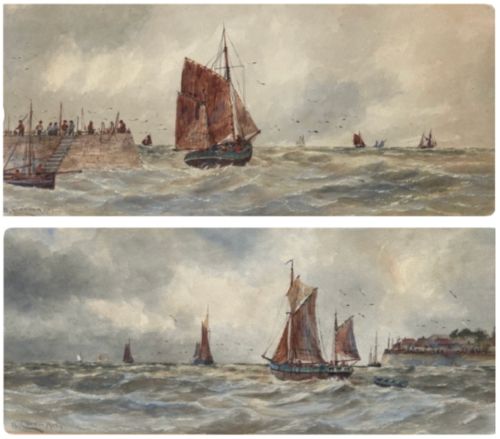
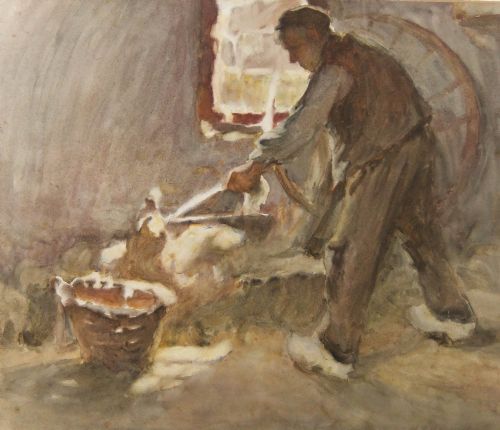
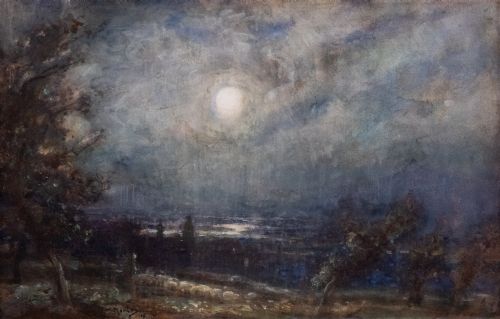
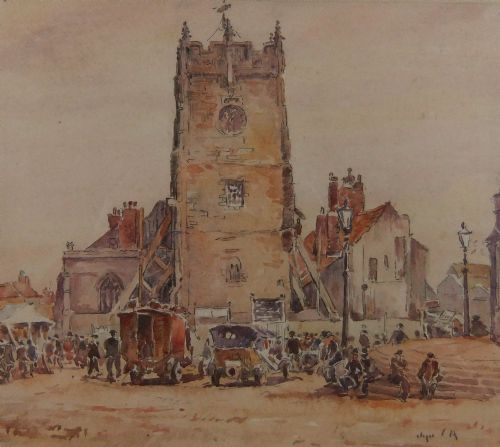
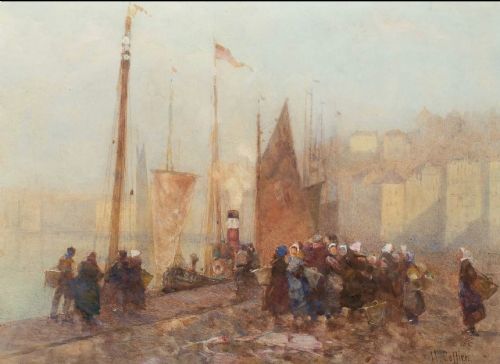
Original Edwardian watercolour paintings capture maritime scenes, rural landscapes and town views executed on paper using traditional pigments.
Original Edwardian Watercolour
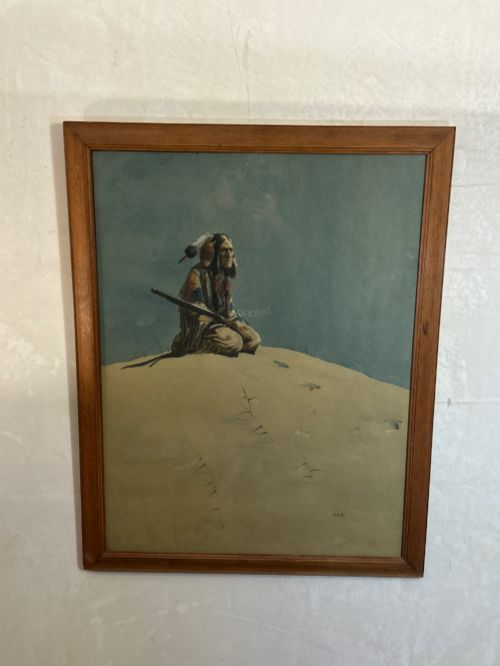
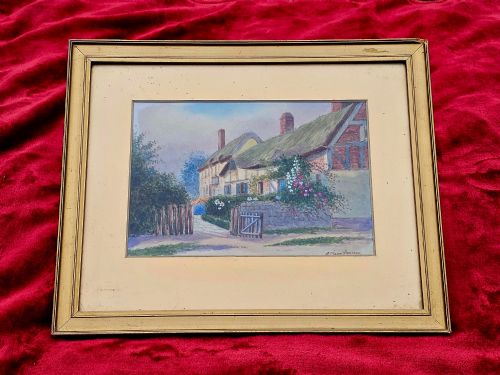
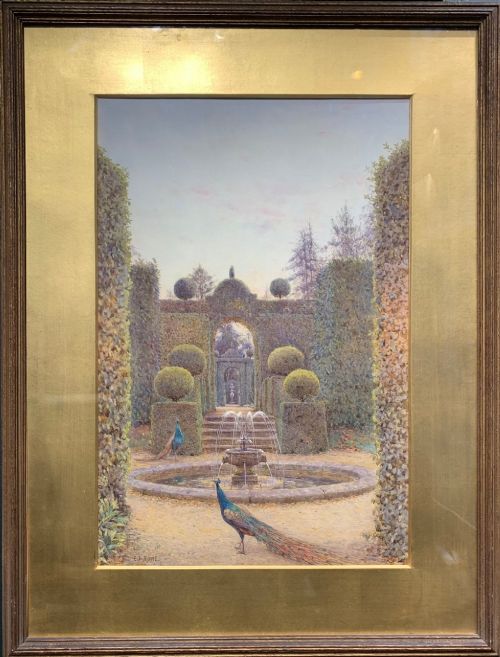
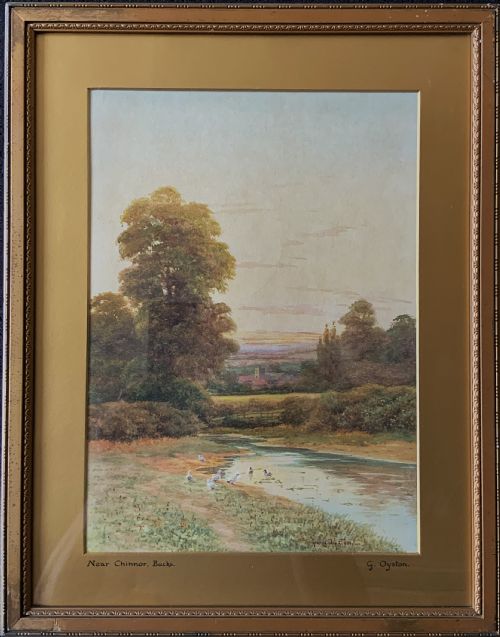
Original Edwardian watercolour works encompass framed paintings, illustrations and fine art on paper created during the early twentieth century. Buyers seeking an original Edwardian watercolour typically encounter coastal views, pastoral landscapes with sheep or cattle, and architectural studies.
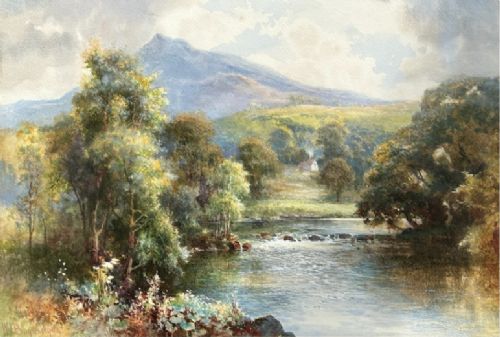
The selections span traditional British fine art, impressionistic landscapes and illustrative works by named period artists. Subjects range from Venetian markets and Welsh rivers to Yorkshire harbours and Parisian street life.
Most examples originate from the Edwardian decade and adjacent transition years around the turn of the century. They frequently arrive in period wood frames, occasionally accompanied by glass protection and ink detailing.
How They Were Made
Artists applied watercolour pigment and ink directly onto prepared paper sheets, sometimes incorporating bodycolour or gouache for opacity. Detail work relied on fine brushes and feathered washes to capture atmospheric effects in landscapes and maritime views.
Finished paintings were commonly mounted behind glass within timber frames, using wood mouldings that reflect the prevailing decorative styles of the period. Gold leaf accents occasionally feature on the interior liners of contemporary framing.
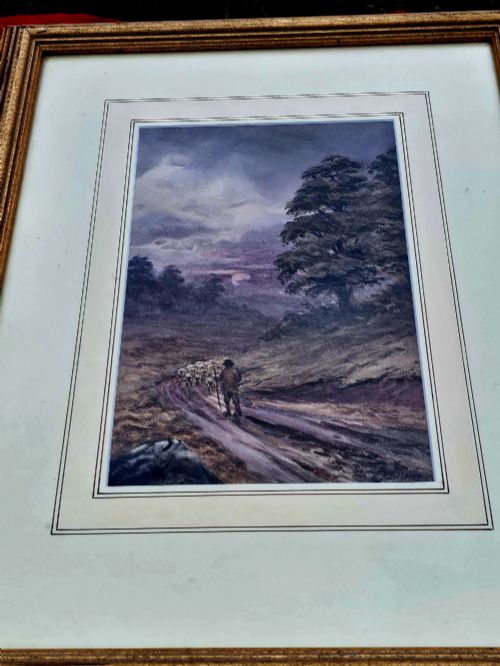
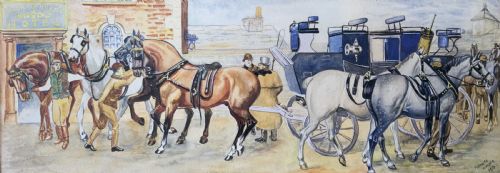
Several paintings record everyday rural life with unexpected precision, capturing herds of sheep and working horses mid-stride in muddy lanes.
What Varies in Quality
Technical proficiency in brushwork and the handling of translucent washes distinguish the finer works from more commercial or amateur productions. Strong compositions demonstrate a confident command of light, particularly in coastal scenes and moonlit or evening landscapes.
The significance of the artist and the precision of the documented provenance elevate certain pieces above standard decorative items. Preservation of the original pigments without excessive fading or paper discolouration further separates superior examples from lesser survivals.
George Lorain Stampa·William Cannon·Thomas Ellison·John Hassall·A Marie Parsons·EJ Letheren·William Joseph Boyes·Henry Silkstone Hopwood·Thomas William Morley·John Smith Atherton·Hector Caffieri·Ernest Arthur Rowe·George Oyston·Frederick James Kerr·Bonomi Edward Warren·William Matthison·Arthur Dudley·Percy Lancaster·Robert George Talbot Kelly·Albert Ludovici Jnr·Frank Kelsey·Charles Edward Wilson·Warwick Goble·F A Roylance·F J Snell
The Original Edwardian Watercolour Glossary
- Watercolour
- A painting method where fine pigment is suspended in a water-based, translucent solution. It is typically applied to paper supports to achieve delicate washes of colour.
- Gouache
- An opaque water-based paint variant utilised to add solid highlights and dense colour areas. It frequently appears alongside standard watercolour pigment in works from this era.
- Impressionism
- An art style focused on accurate depiction of light in its changing qualities, often using visible brush strokes. British variations of this approach appear across several landscape selections.
- Diptych
- A painting comprising two distinct hinged or paired panels sharing a unified theme. This format is occasionally found in topographical and architectural depictions.
- Provenance
- The documented history of ownership and creation that authenticates a work of art. Recorded signatures and dates help establish this lineage.
Original Edwardian Watercolour: Frequently Asked Questions
How should I hang watercolour paintings?
Watercolour paintings require protection from direct sunlight to prevent the pigments from fading over time. Position them on interior walls away from bright windows and sources of excessive moisture.
Ensure the frame is securely hung using appropriate hardware suited to the weight of the wood and glass. Professional framing with acid-free backing boards further protects the paper against environmental degradation.
Are these paintings signed by the artists?
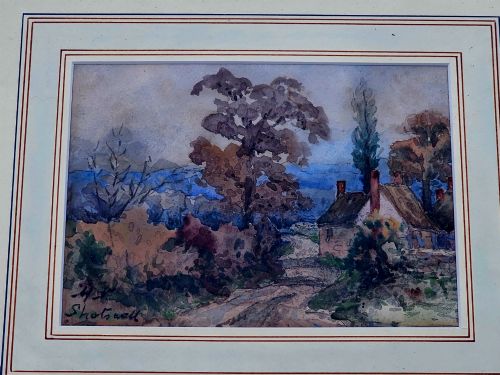
Many examples feature original signatures, monograms or dated inscriptions applied by the artist directly onto the paper. These marks often appear in the lower corners alongside titles or location notes.
Unsigned works also occur, frequently attributed through stylistic comparison, exhibition records or accompanying archival labels on the reverse of the frame.
What subjects are most common?
Coastal scenes, fishing boats and harbour views dominate the maritime selections from this period. Rural landscapes featuring farm animals, sheep droving and pastoral cottages are equally prevalent.
Townscapes, architectural studies of markets and European travel sketches round out the primary subject matter recorded across the works.
How do I identify the Edwardian period?
The Edwardian era officially spans the reign of King Edward VII from 1901 to 1910, though pieces from the late Victorian transition and early 1920s share identical stylistic traits. Dates inscribed by the artists or documented exhibition years provide the clearest chronological markers.
Framing materials, subject preferences and the characteristic soft tones of British impressionism also point directly to this defined artistic window.