
Antique Country Scene Art
Antique country scene art captures rural life through oils, watercolours and etchings spanning the nineteenth and early twentieth centuries.
Antique Country Scene Art
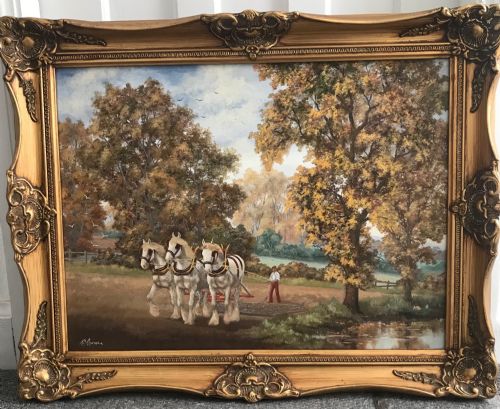
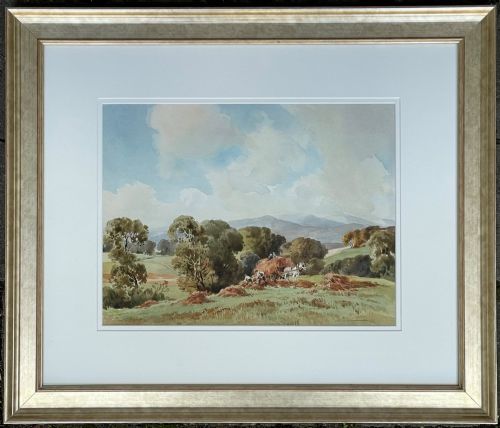
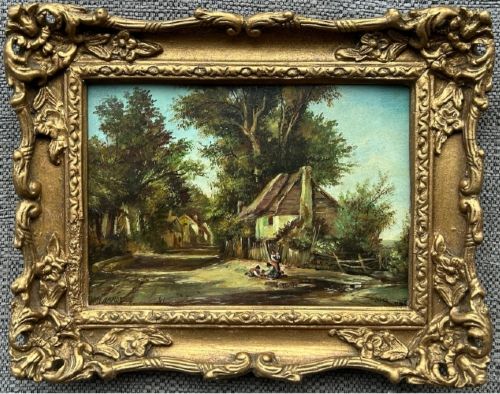
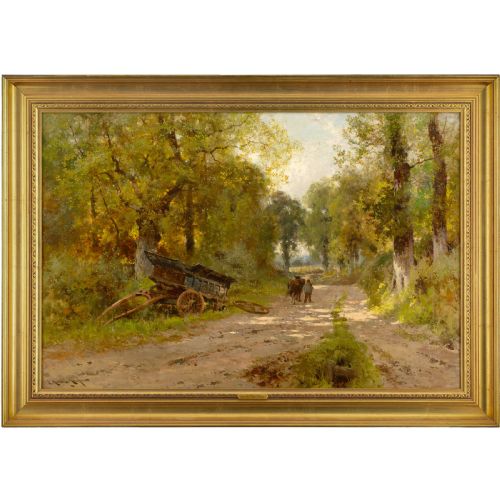
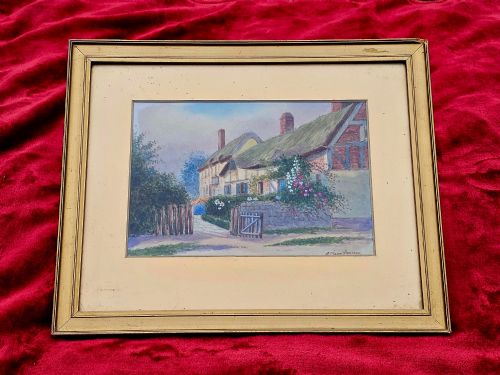
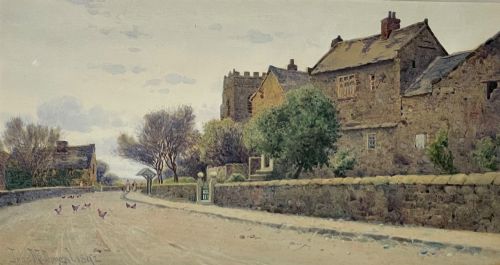
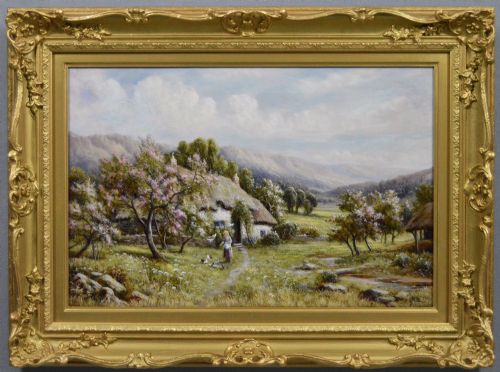
These works depict rural life, agricultural labour, cottages, livestock and pastoral landscapes through antique country scene art. They originate predominantly from Victorian, Edwardian and late nineteenth-century periods, capturing the changing rhythms of the countryside.
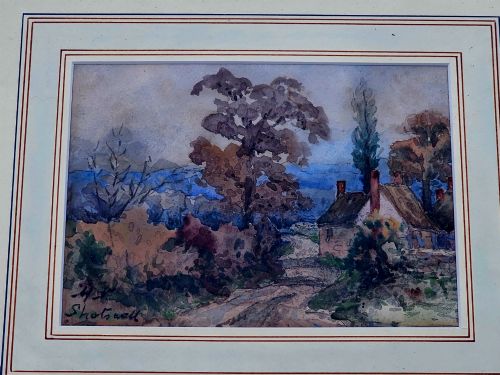
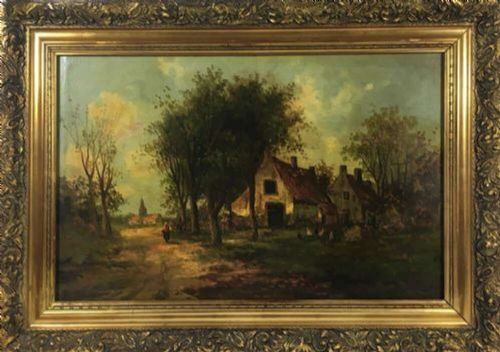
Buyers commonly encounter framed watercolours on paper and oil paintings on canvas, panel or board. Many pieces carry signatures from British and continental artists working in impressionist, pastoral or realist traditions.
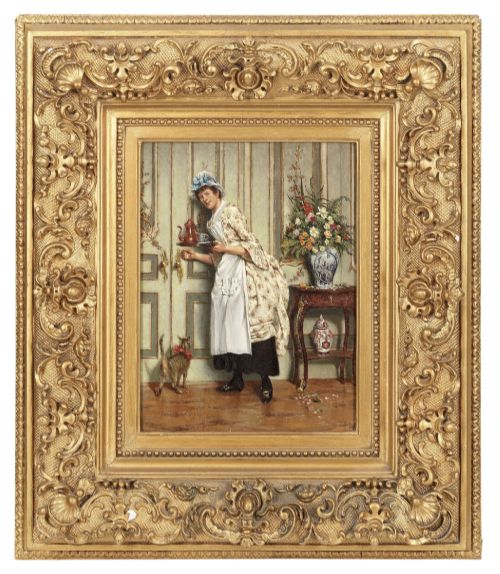
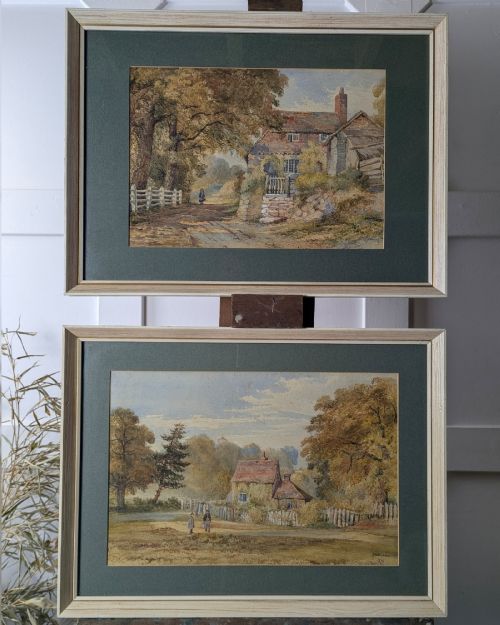
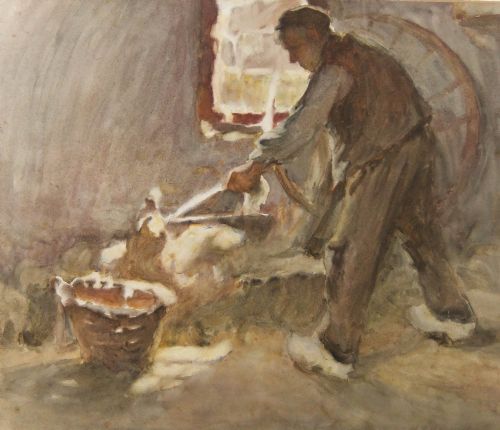
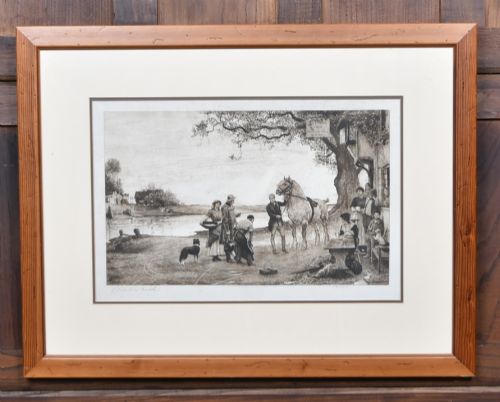
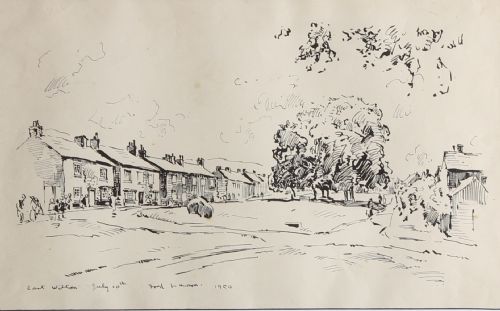
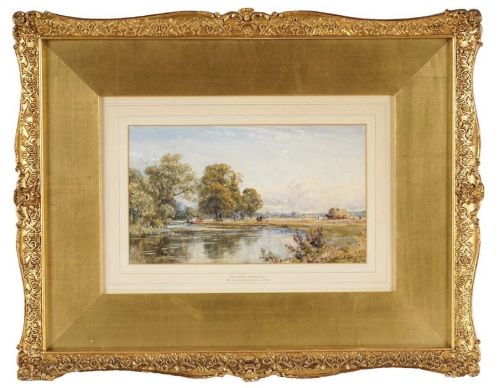
Subject matter ranges from quiet river landscapes and farmyard scenes to genre paintings involving figures outside cottages, blacksmiths and animal studies.
Materials and techniques
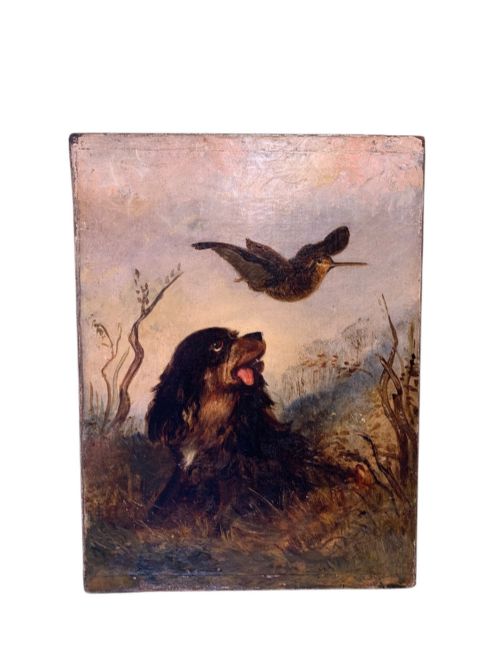
Painters used oil paint on canvas, wooden panel, card or board, often building rich textures with brushwork. Watercolours on paper offer a lighter, translucent quality, frequently finished with delicate pencil underdrawing.
Supports vary from stretched linen canvas to sturdy wooden boards and heavy paper sheets. Many pieces retain their original or period giltwood frames, which complement the tones of the pigment.
Period classifications span the Victorian and Edwardian eras, alongside specific nineteenth-century decades.
Assessing quality
Quality rests upon the artist's ability to handle light, atmospheric perspective and natural proportion within the landscape. Finer works display confident brushwork and anatomical accuracy in figures and livestock.
The condition of the pigment and the support determines longevity. Untouched original surfaces without extensive modern overpainting hold greater appeal for collectors.
Percy Lancaster·John Horace Hooper·Thomas Sidney Cooper·Edgar Hunt·Henry Schouten
The Antique Country Scene Art Glossary
- Genre painting
- Depiction of aspects of everyday life by subjects from ordinary people, often engaged in common activities. These works focus on domestic scenes, agricultural labour or rural commerce.
- Giltwood
- Wood carved and covered with a thin layer of gold leaf or gilt composition. It forms the decorative surface of many traditional picture frames.
- Pastoral
- A style of art that idealises rural life and natural landscapes. It typically portrays shepherds, farmyards and quiet countryside vistas in a harmonious manner.
- Impressionism
- A nineteenth-century movement characterised by relatively small, thin yet visible brush strokes and an open composition. It emphasises accurate depiction of light in its changing qualities.
Antique Country Scene Art: Frequently Asked Questions
What periods do these artworks cover?
The collection spans from the nineteenth century into the early twentieth century. Pieces range from Victorian and Edwardian periods down to specific decades such as the eighteen-eighties and nineteen-hundreds.
Styles encompass British impressionism, realism and pastoral traditions. Artists worked during a time of significant transition in rural communities.
How were these paintings constructed?
Makers utilised oil paint applied to canvas, wooden panels, card or board. Others preferred watercolour pigments on paper, sometimes paired with etching techniques.
Many retain period giltwood frames that enhance the visual depth of the artwork. Supports reflect the standard studio practices of nineteenth-century European painters.
What subjects appear in these scenes?
Works portray agricultural landscapes, farmyard animals, cottages and figures engaged in daily rural labour. Common motifs include blacksmith shops, shepherds with flocks and river views.
Genre paintings capture domestic moments and social interactions among country people. Animals such as horses, cattle and sheep feature prominently in pastoral compositions.
How should I display them at home?
Hang paintings away from direct sunlight to protect delicate watercolours and oil pigments from fading. Maintain stable room humidity to preserve wooden panels and paper supports.
Pairing pieces with period giltwood frames helps integrate them into traditional or eclectic interior spaces. Ensure secure wall fixings suited to the weight of framed wooden panels.