
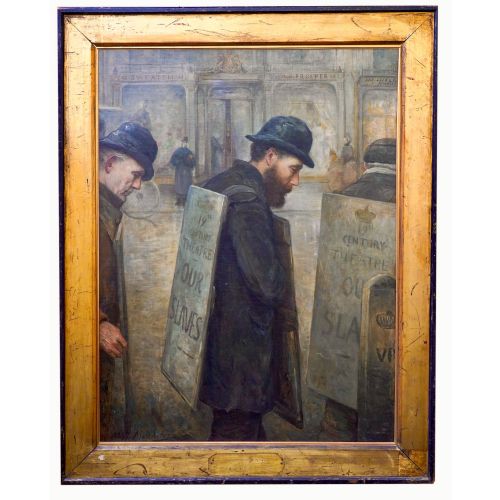


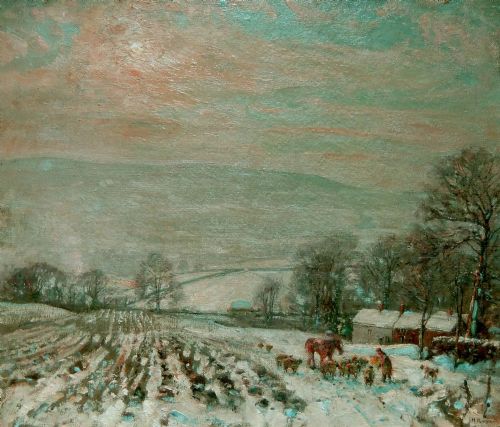
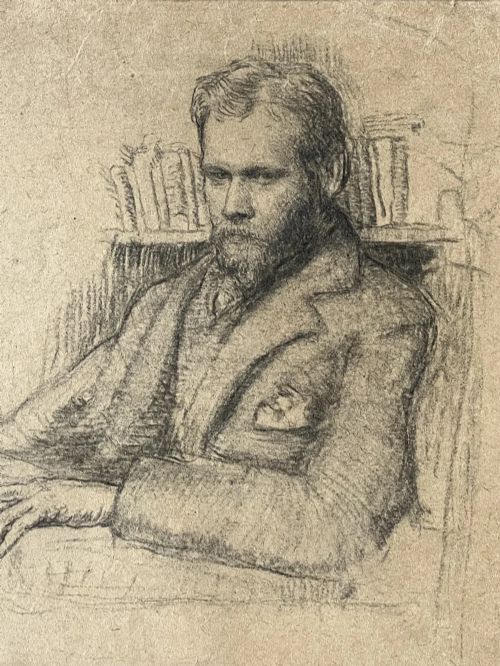
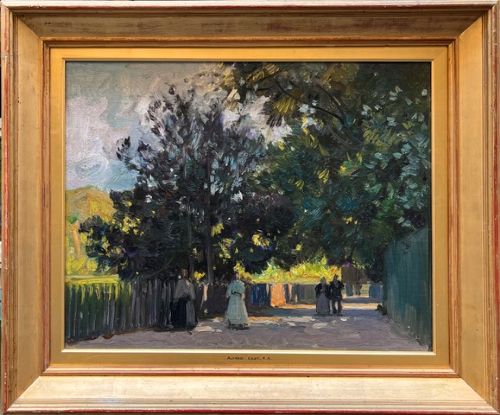


British Edwardian Fine Art
British edwardian fine art encompasses period paintings, watercolours, and drawings capturing landscapes, portraits, and genre scenes.
British Edwardian Fine Art
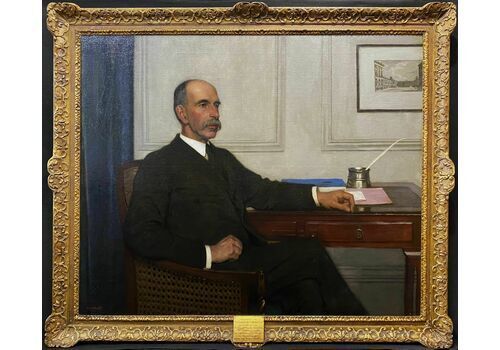
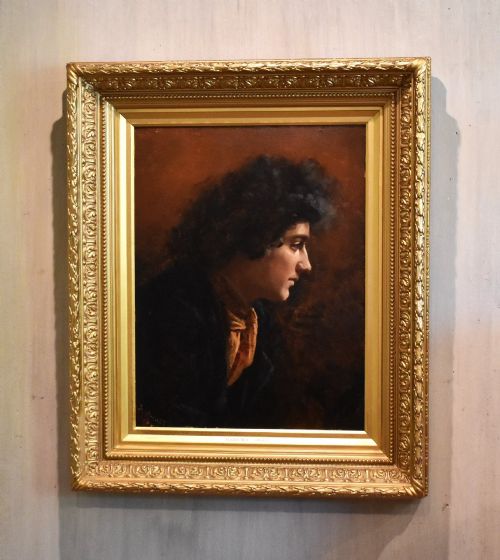
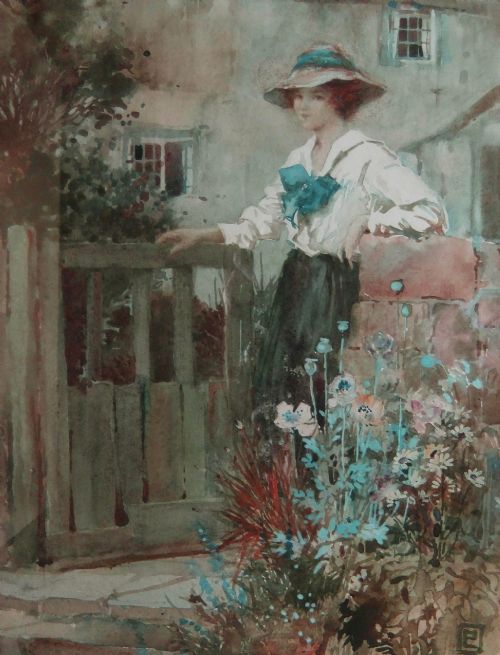
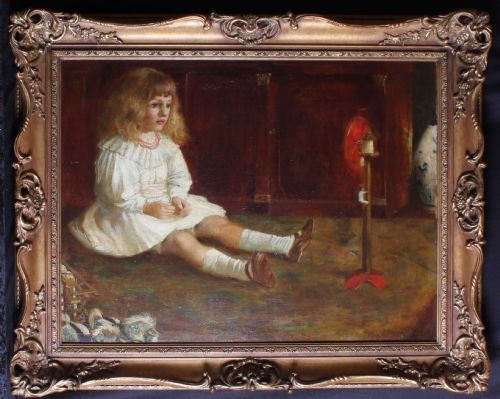
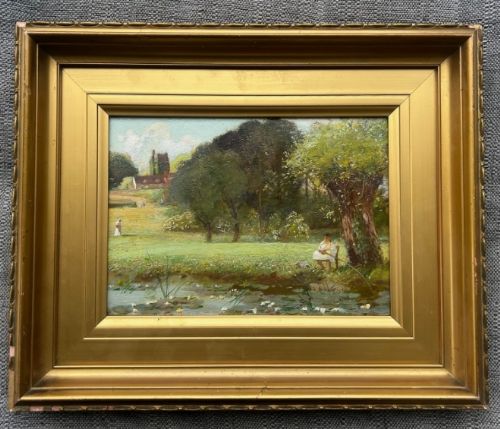
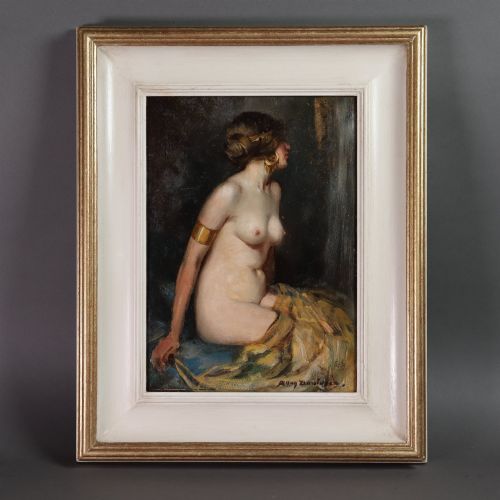
When you search for british edwardian fine art, you encounter a selection of paintings, watercolours, and drawings spanning landscape and portrait subjects. The items on this page lean heavily towards oil paintings on canvas and panel, alongside detailed watercolours on paper.
The pieces reflect artistic output from the late nineteenth century through to the early decades of the twentieth century. Stylistically, the works bridge traditional academic approaches and early British Impressionism or Modern British Art movements.
Materials and Technique
The physical objects rely primarily upon oil paint applied to canvas, wood panels, or board, as well as watercolour pigments on paper. Many works retain their original giltwood frames, which complement the painted surface.
Draftsmanship appears through pencil studies and etchings, showing the hand of the artist in preparatory or finished graphic works. Support materials range from stretched canvas to prepared boards and heavy watercolour papers.
Several canvases capture cows, sheep, and horses patiently observing the British landscape alongside their human counterparts.
Evaluating Quality
Quality rests upon the handling of light and subject matter by the painter, distinguishing routine topographical views from striking pastoral or figurative compositions. Mastery of brushwork and proportion elevates certain portraits and landscapes above standard decorative pieces.
Condition of the pigment and the integrity of the original support influence the standing of an artwork. Surviving framed pieces that maintain their period presentation context hold greater visual coherence.
Felix Stone Moscheles·Thomas Ellison·John Maler Collier·Herbert Royle·Augustus John·Sir Alfred East·Harold Knight·Florence Small·William Matthison·Thomas Hodgson Liddell·Percy Lancaster·Byam Shaw·Edgar Woollatt·Sir David Murray·Allan Douglas Davidson·John Sanderson Wells·Charles Burton Barber·Arthur Tucker·Lance Calkin·William Greaves·Royal Doulton·Raoul Millais·Ernest Higgins Rigg·Kershaw Schofield·James William Booth
The British Edwardian Fine Art Glossary
- Watercolour
- A painting method where fine pigments are suspended in a water-based solution on paper. It allows for translucent washes and delicate details.
- Giltwood
- Wood that has been coated with a thin layer of gold leaf or gilt powder. This finish is commonly found on traditional picture frames.
- Canvas
- A heavy woven fabric used as a surface for oil paintings. It is typically stretched over a wooden frame before painting.
- Impressionism
- An art style focusing on accurate depiction of light and ordinary subject matter. British practitioners adapted these principles to local landscapes and domestic scenes.
- Genre painting
- The pictorial representation of scenes from everyday life. These works often depict figures engaged in common domestic or rural tasks.
British Edwardian Fine Art: Frequently Asked Questions
What subjects do these paintings show?
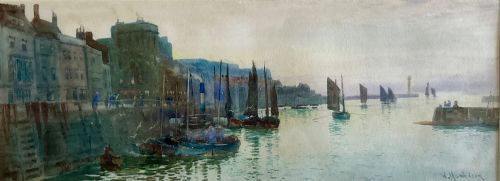
The artworks cover a broad range of subjects including rural landscapes, coastal scenes, and domestic farm life. Portraits of individuals and figurative studies also form a significant portion of the selection.
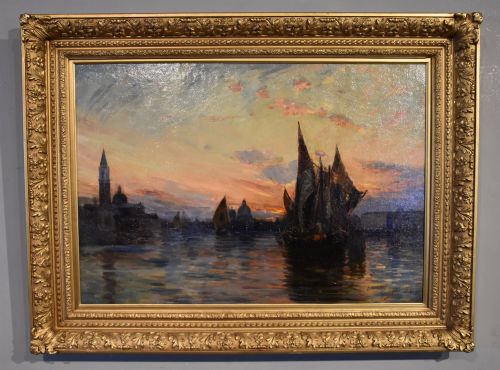
Artists frequently recorded pastoral settings, urban views, and traditional working scenes across Britain and continental locations like Venice.
How should I frame these artworks?
Many pieces arrive within their period giltwood frames, which suit the aesthetic of early twentieth-century painting. Preserving original frames maintains the historical context of the artwork.
When framing unframed works or replacing damaged surrounds, select styles appropriate to the period of the piece without overpowering the composition.
Where were these artists working?
The painters and watercolourists operated across various British regions, from northern landscapes to southern rural settings. Colonies such as the Newlyn School in Cornwall brought artists together in specific geographic hubs.
Travel abroad also inspired subjects, with artists producing views of European cities alongside domestic countryside scenes.
How do I care for antique watercolours?
Watercolour paintings on paper require protection from direct sunlight to prevent fading of the pigments. Displaying them away from moisture sources safeguards the paper support.
Archival framing materials prevent long-term degradation and keep the delicate paper surface stable over time.