



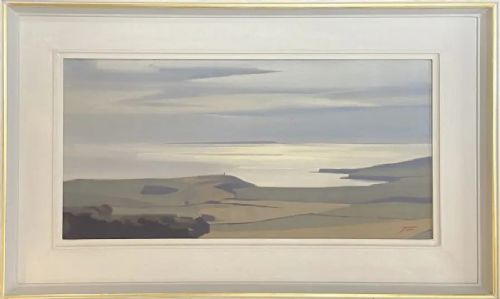
Original British Seascape Painting
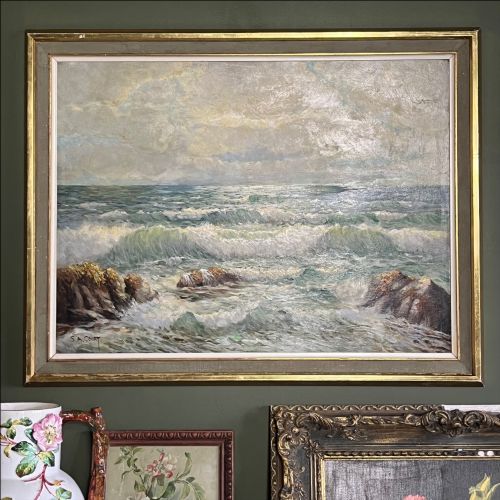
An original british seascape painting captures the movement of coastal tides and maritime weather across canvas and paper.
Original British Seascape Painting
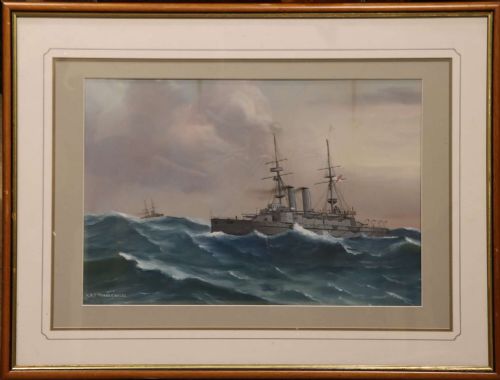
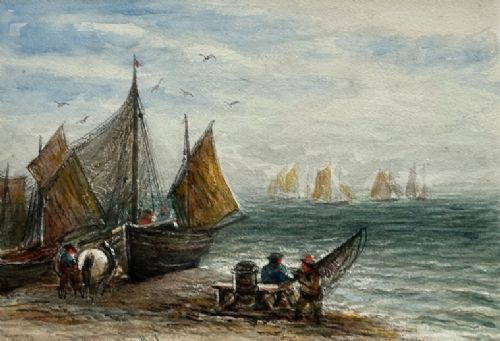
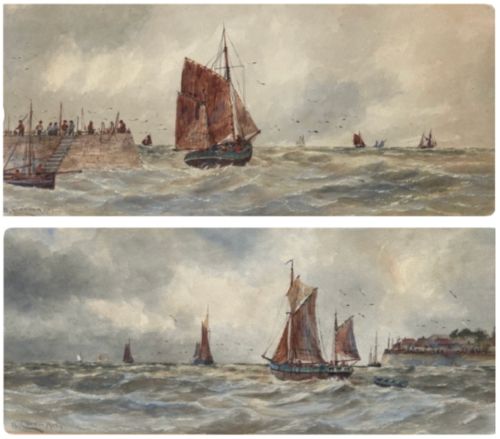
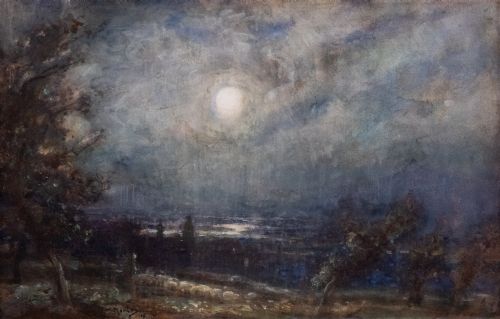
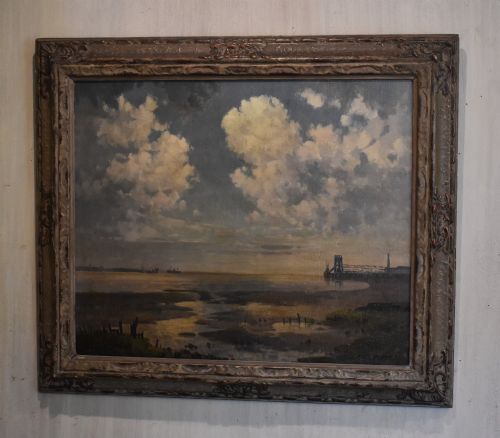
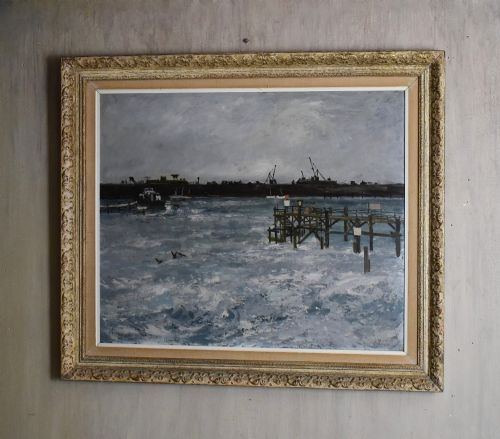
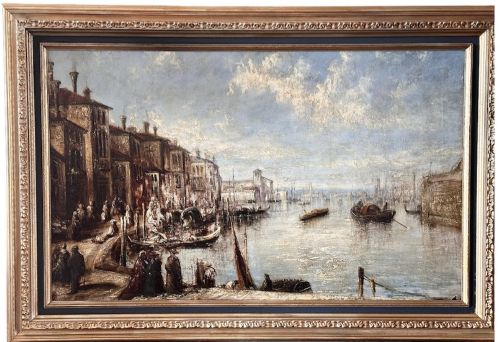
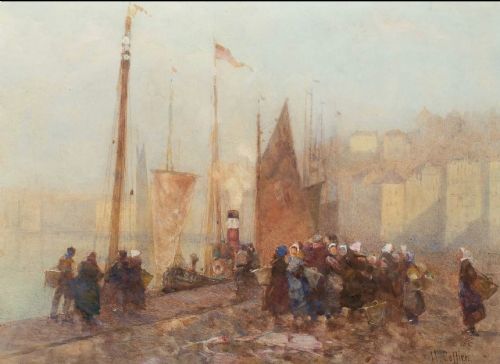
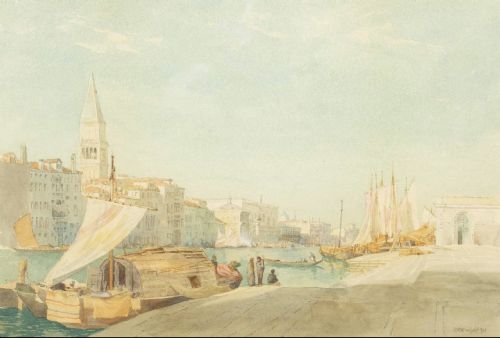
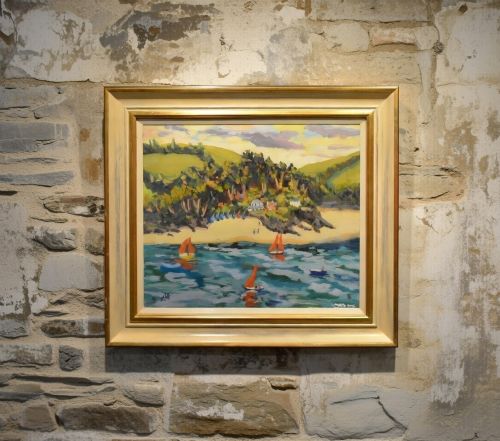
An original british seascape painting records coastal views, harbours, and maritime shipping scenes produced by artists working in Britain. These works range from late nineteenth-century Victorian watercolours of fishing boats to mid-twentieth-century oil paintings capturing Cornish ports and estuaries.
Buyers encounter subjects spanning quiet sandy coves, busy fishing harbours like St Ives, and dramatic storms off northern cliffs. Painters utilised traditional media to document both working maritime life and the changing light of the British coastline.
The selection includes pieces associated with regional art schools, named painters, and anonymous British school hands. Works date primarily from the Victorian era through the mid-twentieth century, reflecting diverse regional styles from East Anglia to Cornwall.
Materials and methods
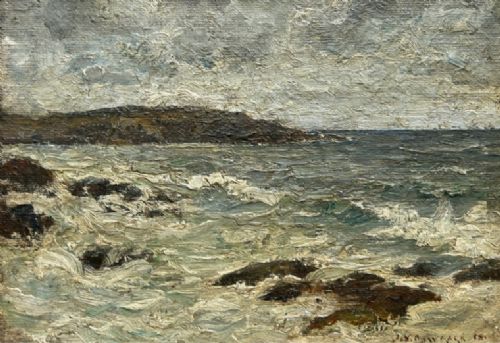
Artists painted these scenes using oil paint on canvas, wood panel, board, and card, or applied watercolour pigment onto paper. Oil paintings often display thick impasto texture built up with a brush or palette knife to render churning waves and rocky shores.
Watercolour paintings rely on transparent washes of pigment on paper, sometimes heightened with bodycolour or gouache to capture the bright reflections of coastal light on sails and foam. En plein air works were executed outdoors directly in front of the coastal subject.
Support materials vary by period, with nineteenth-century works frequently mounted on heavy canvas or card, while twentieth-century examples commonly utilise artist boards or prepared canvas stretched over wooden frames.
Several canvases manage to smell faintly of salt spray and aged linseed oil.
Factors determining quality
Quality rests upon the artist's ability to handle light, atmosphere, and the weight of the sea rather than simply the subject matter itself. Stronger works demonstrate confident brushwork and precise tonal control in rendering water, sky, and coastal architecture.
Compositional balance separates standard topographical records from superior marine art. The placement of vessels, management of perspective, and integration of figures into the landscape dictate the visual impact of the piece.
The condition of the pigment and support surface influences the overall integrity of the painting. Surviving works that retain their original colour without excessive fading or surface disruption present the artist's intended atmosphere more clearly.
Kenneth Cozens·James Orrock·William Cannon·Clifford Hanney·Sidney A Court·Charles Edward Dixon·William Banks Fortescue·Thomas William Morley·Clive Browne·Peter Brannan·Francis Moltino·Hector Caffieri·Richard Henry Wright·Lucy Pratt·James Fry·Ethel Sands·Cecil Allan Mould·William Matthison·Frank Kelsey·Henry Barlow Carter·William Frederick Settle·Lionel Horsnell·Edward Matthew Elliott·Charles Napier Hemy·Helen Layfield Bradley
The Original British Seascape Painting Glossary
- Impasto
- Paint applied thickly to a canvas or board, standing out in relief from the plane. This technique gives physical texture to crashing waves and rocky cliffs in oil paintings.
- En plein air
- The act of painting outdoors to capture direct observation of light and weather. Many coastal watercolours and oils were completed on location by the shore.
- Gouache
- An opaque water-based paint composed of pigment, water, and a binding agent such as gum. Artists used this medium to add opaque highlights of foam and sail to watercolours.
- Provenance
- The documented history of ownership of an artwork. Records help confirm the origin and attribution of nineteenth and twentieth-century marine paintings.
- Topographical
- Representing specific real-world locations rather than imaginary scenes. Many marine works accurately document named British harbours and coastal landmarks.
Original British Seascape Painting: Frequently Asked Questions
How do I date an antique marine painting?
Dating relies on stylistic evidence, artist signature records, and framing materials. Victorian works often feature detailed narrative shipping, while mid-twentieth-century pieces adopt looser impressionist brushwork.
Examining the canvas weave, paper watermark, and any inscriptions verso provides further clues to the period of execution.
What is the difference between oil and watercolour seascapes?
Oil paintings utilise slow-drying pigmented oils on canvas or board, allowing for rich textures and deep colour blending. Watercolours use water-soluble pigments on paper to achieve luminous, transparent effects.
Oils generally offer greater durability, whereas watercolours require protection behind glass to prevent atmospheric damage.
Where were most British coastal scenes painted?
Popular painting locations included Cornish fishing ports like St Ives and Looe, Yorkshire coastal towns such as Whitby and Scarborough, and East Anglian harbours. Artists travelled to these working ports to observe maritime traffic and local fishing fleets.
Many works also depict southern coastal landmarks in Dorset, Hampshire, and the Isle of Wight.
How should I frame and display an antique painting?
Paintings on canvas benefit from period-appropriate wood or gilt frames that complement the palette of the artwork without overpowering it. Watercolours require acid-free mounts and framing behind glass to shield the paper from moisture and direct sunlight.
Positioning the piece away from direct heat sources and strong sunlight preserves the stability of the paint and paper.