


Orientalist Wall Art
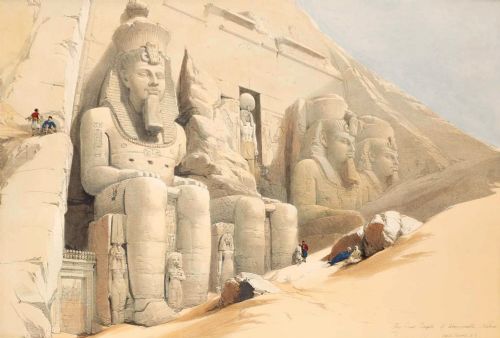
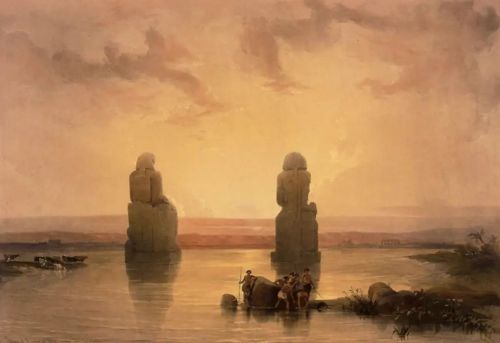
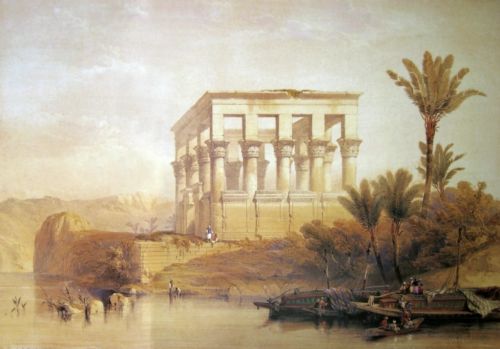
When you seek out orientalist wall art, you are tracking down 19th-century watercolours, oils, and lithographs depicting Middle Eastern, North African, and Asian scenes.
Orientalist Wall Art
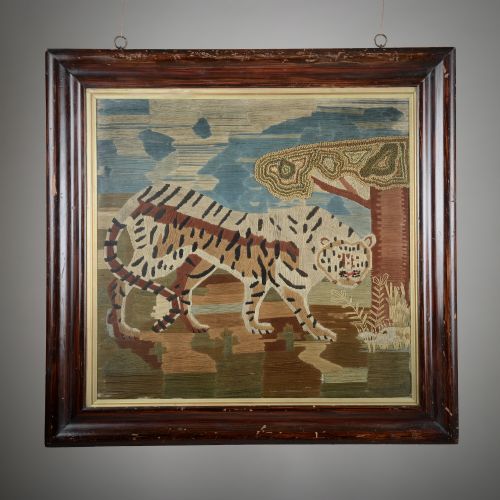
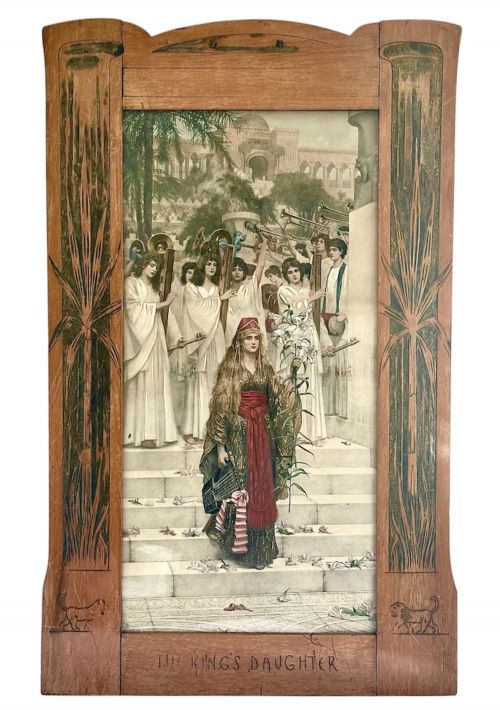
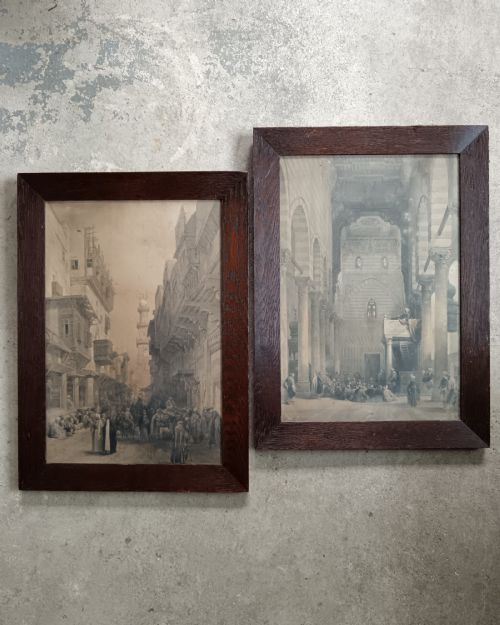
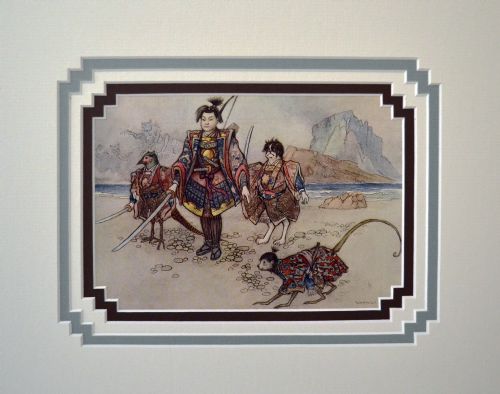
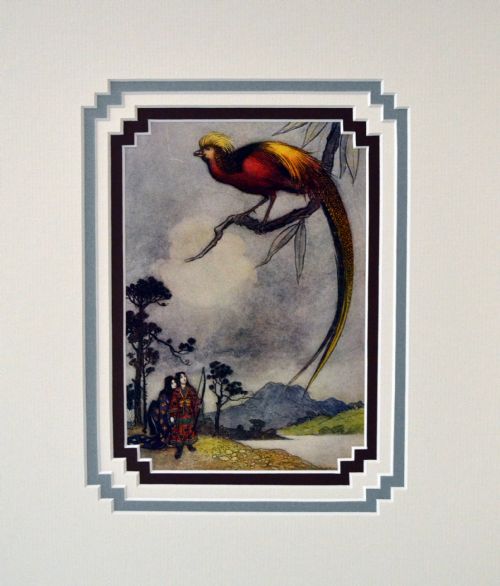
Orientalist wall art encompasses framed paintings, watercolours, lithographs, and carved wooden plaques created during the Victorian and Edwardian eras. These works document landscapes, architectural subjects, and portraits influenced by Western fascination with Eastern cultures.
The selections span mid-nineteenth-century lithographic folios and charcoal drawings to early twentieth-century watercolours and oil paintings. Buyers will encounter both original studio works and period reproductions housed in original frames.
How they were made
Artists utilised traditional mediums such as oil on canvas, watercolour, gouache, and ink applied to paper, board, or stretched canvas. Lithography and photogravure allowed popular travel scenes to be printed in multi-plate editions for broader circulation.
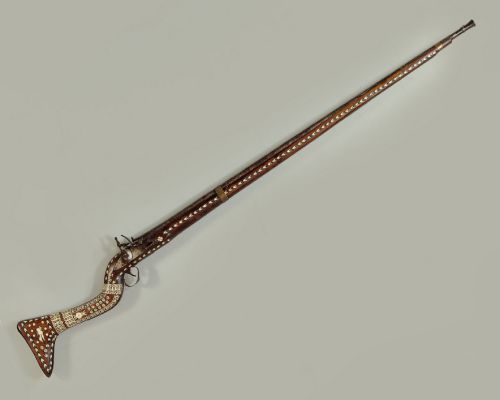
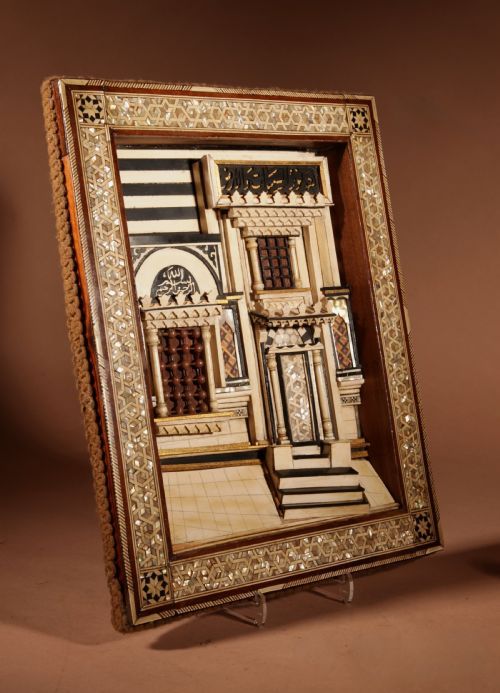
Support structures frequently involve period wooden framing, sometimes ebonised or incorporating carved and inlaid elements like bone or bronze. Relief dioramas and carved wooden plaques demonstrate specialised carpentry techniques alongside standard picture mounting.
The inventory incorporates items from the nineteenth and twentieth centuries, utilising canvas, paper, wood, glass, and bronze.
What varies in quality
Quality rests upon the precision of the draughtsmanship, the handling of light and pigment, and the originality of the composition. Works by documented painters command attention for their confident brushwork and accurate topographical detail.
The preservation of the medium, the stability of the canvas or paper support, and the presence of period frames contribute significantly to the standing of an individual piece.
David Roberts·Herbert Gustave Schmaltz·Warwick Goble·Edwin Lord Weeks·Frederick Goodall·Otto Pilny·Abdul Kadir Al Rassam·Alexandre Decamps
The Orientalist Wall Art Glossary
- Lithograph
- A print made from a flat stone or metal plate on which an image is drawn with a greasy substance. This technique enabled artists to produce multiple faithful copies of original watercolours.
- Gouache
- An opaque water-based paint that provides solid, vibrant colour coverage. It appears frequently alongside watercolour in landscape studies.
- Photogravure
- A printmaking process that produces photographic images through intaglio etching. It translates fine tonal gradations onto paper.
- Chinoiserie
- A European artistic style reflecting Chinese motifs and decorative techniques. It appears in specific decorative panels and prints.
- Encaustic
- A painting method utilising heated beeswax mixed with coloured pigments. The resulting mixture yields a textured, durable surface.
Orientalist Wall Art: Frequently Asked Questions
What subjects do these artworks typically feature?
These works depict architectural monuments, desert landscapes, Nile river scenes, and character studies of local inhabitants. Artists recorded their travels through detailed topography and genre scenes.
Such imagery reflects the romanticised European perspective of Eastern societies popularised during the nineteenth and early twentieth centuries.
How should I hang and care for paper pieces?
Watercolours, drawings, and prints on paper require protection from direct sunlight to prevent fading of the delicate pigments. Archival framing with acid-free mounts ensures the paper does not discolour over time.
Keep these artworks in rooms with stable humidity levels to avoid warping the paper or damaging the surrounding wooden frames.
Are original frames important for these artworks?
Period frames matching the era of the painting enhance the historical context and visual presentation. Original ebonised or carved wooden housings demonstrate the craftsmanship contemporary with the art.
Replacing a missing period frame requires careful sourcing to match the exact aesthetic and physical dimensions of the piece.
How do I distinguish an original painting from a print?
Close inspection under magnification reveals the brushstrokes, pigment texture, and canvas weave characteristic of hand-painted oils and watercolours. Prints display dot patterns or smooth ink layers typical of lithography and photogravure.
Examining the surface from an angle helps identify the raised texture of dried paint versus the flat surface of a reproduction.