





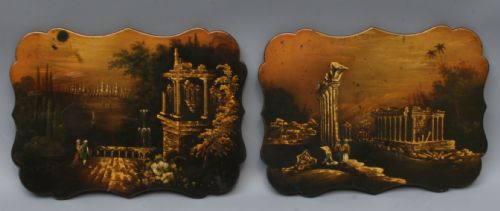

Vintage Orientalist Painting
A vintage orientalist painting captures distant lands and historic scenes through the lens of nineteenth and twentieth-century artists.
Vintage Orientalist Painting
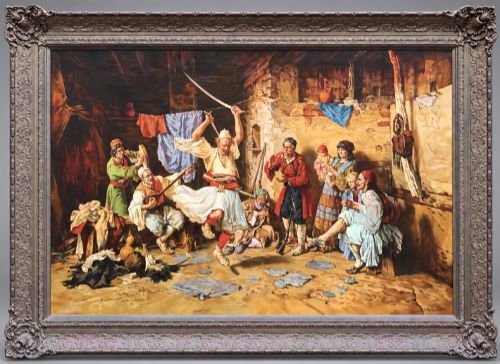
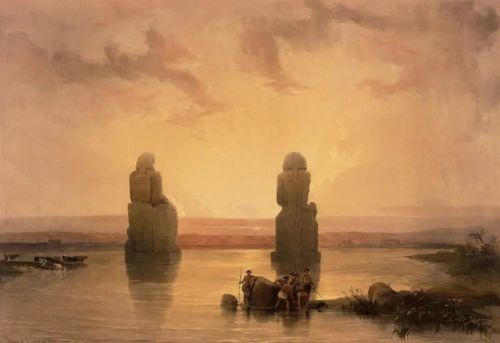
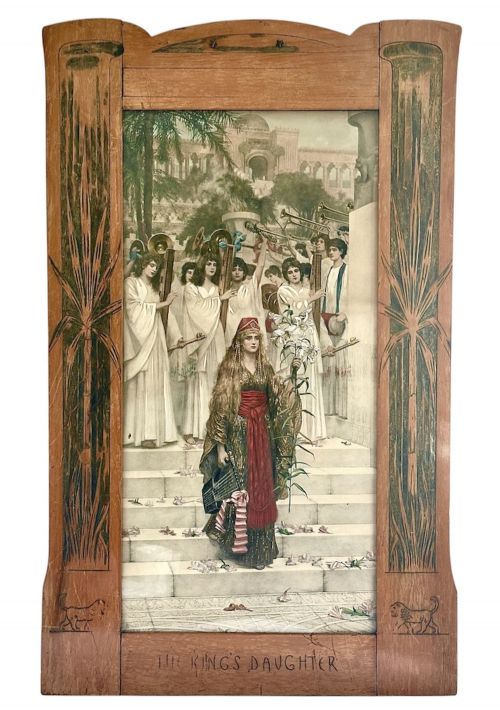
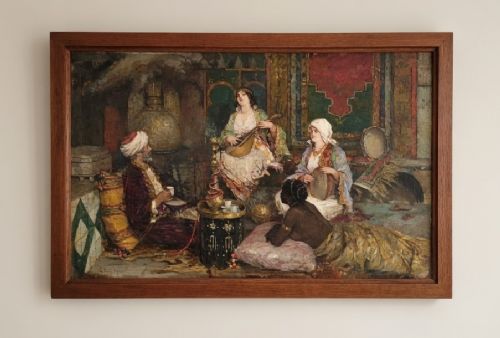
A vintage orientalist painting brings together diverse scenes of Middle Eastern, North African, and Asian subjects captured by European and regional artists. When searching for a vintage orientalist painting, buyers encounter works spanning the nineteenth and twentieth centuries, including watercolors, gouaches, and oil paintings.
The selection ranges from detailed architectural studies and sweeping desert landscapes to intimate portraits of individuals and daily village life. Many pieces on this page originate from the Victorian era up through the 1950s, reflecting changing Western and international perceptions of Eastern cultures.
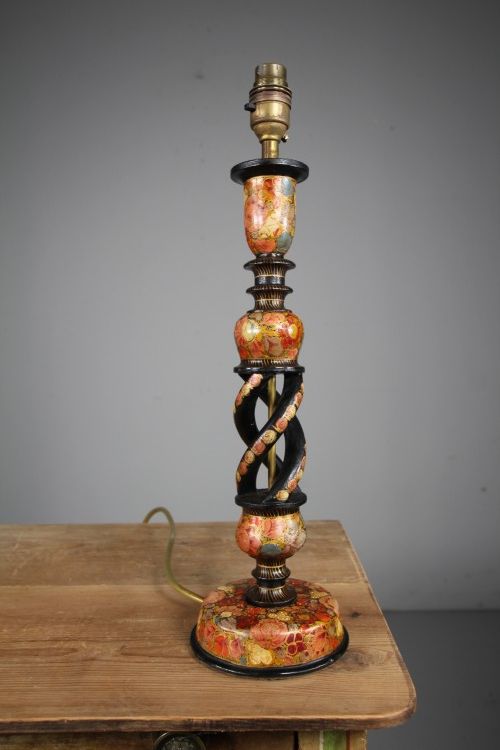
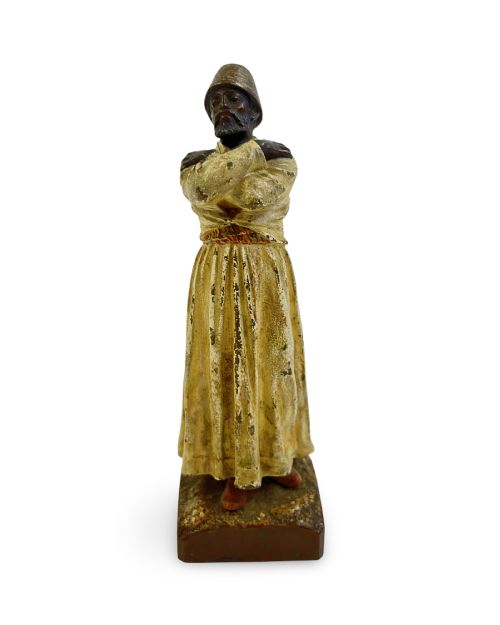
Alongside canvas and paper artworks, related decorative items such as lacquered boxes, porcelain figures, and bronze sculptures occasionally share this aesthetic. Buyers will find that works vary significantly in scale, from small watercolor studies to imposing oil paintings on board.
Materials and technique
Artists relied primarily on oil paint, watercolour, and gouache applied to canvas, board, or heavy paper, often housed within ebonised or carved wooden frames. Pigments were frequently layered to capture the intense natural light and atmospheric warmth of southern climates.
In addition to paintings on flat surfaces, makers utilised gold leaf, lacquer on wood bases, and cold-painted bronze to achieve rich surface textures and vibrant polychrome finishes. These varied techniques allowed creators to render intricate patterns, textiles, and architectural details with precision.
Vintage Orientalist Painting Retail Price Guide 2026
Typical asking prices for vintage orientalist painting among the pieces listed under this phrase on Sellingantiques today, from the lower quarter to the upper quarter. They describe what is for sale here now, not the wider market.
The selection includes items from the Victorian period through to the nineteen-fifties.
Assessing quality
Quality rests in the fidelity of the draughtsmanship, the expressive handling of light and shadow, and the preservation of the original pigments. Skilled painters captured anatomical accuracy and spatial depth with confidence, whereas lesser works remain stiff and formulaic.
The integrity of the ground - whether canvas, panel, or paper - also dictates value, alongside the presence of period framing that complements the work without overpowering the composition. Signed pieces by documented artists command closer attention from collectors due to their traceable provenance.
Paja Jovanović·David Roberts·Herbert Gustave Schmaltz·Franz Bergman·Gabriel Puig Roda·Anne Dorrien Smith·Abdul Kadir Al Rassam·Alexandre Decamps·Richard Wilson
The Vintage Orientalist Painting Glossary
- Orientalism
- Artistic and scholarly fascination with the cultures of the Middle East, North Africa, and Asia. This movement heavily influenced European painters and craftsmen during the nineteenth and twentieth centuries.
- Gouache
- An opaque water-based medium that dries to a matte finish. Artists used it to achieve dense, saturated colour blocks in works on paper.
- Photogravure
- A printmaking technique producing a photographic image on a copper plate. It allowed for the faithful reproduction of tonal artworks and portraits.
- Encaustic
- A painting method using heated beeswax mixed with coloured pigments. The resulting mixture is applied to a prepared canvas or panel.
- Chinoiserie
- European artistic style reflecting Chinese aesthetic influences. It frequently appears on lacquered furniture, ceramics, and decorative panels.
Vintage Orientalist Painting: Frequently Asked Questions
How do I date a vintage painting?
Dating relies on examining the substrate, framing methods, and any signature or inscription left by the artist. Pigments and canvas types also offer reliable clues to the era of production.
Comparison with documented works from the same period helps narrow down the decade of creation.
Where should I hang these artworks?
These pieces suit spaces with traditional or eclectic decor, particularly libraries, studies, or hallways with adequate wall space. Their warm palettes complement wood panelling and neutral wall colours.
Protect them from direct sunlight to prevent the fading of watercolours and oil pigments over time.
Are these works always signed?
Many fine pieces bear signatures, monograms, or studio stamps, though numerous period works remain anonymous. Unsigned paintings were often produced by competent travelling artists or local workshops.
Attribution then depends on stylistic markers, subject matter, and framing context rather than a signature.
How do I care for a watercolour?
Watercolours on paper require framing behind glass with acid-free mounts to prevent moisture damage and foxing. Keep them away from humid environments like kitchens or bathrooms.
Use gentle dusting for the exterior frame and avoid direct cleaning agents on the paper surface.