
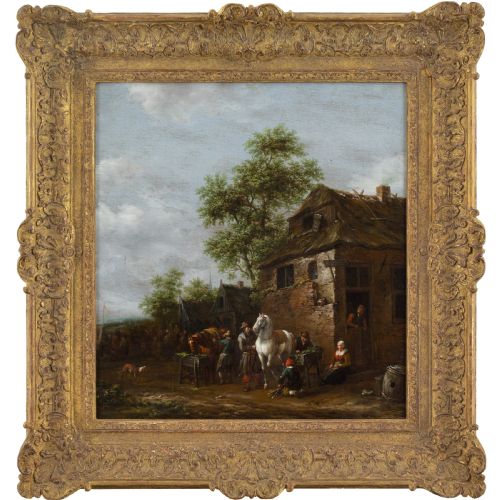
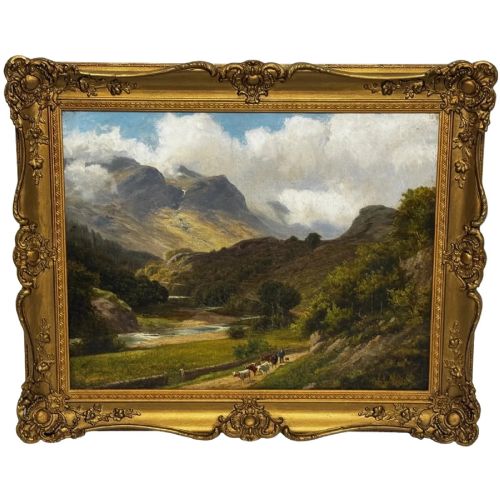
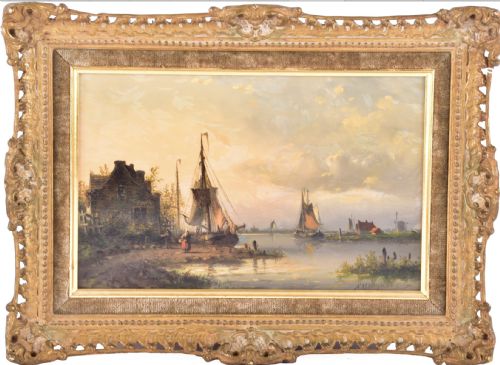
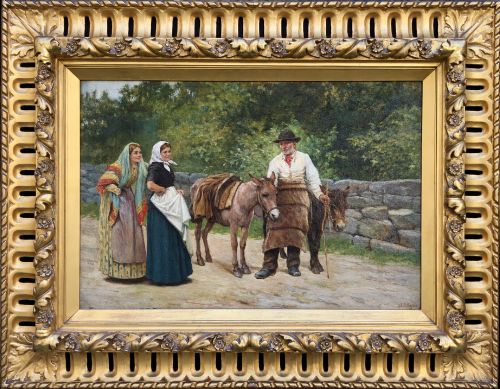
Ornate Framed Oil Painting
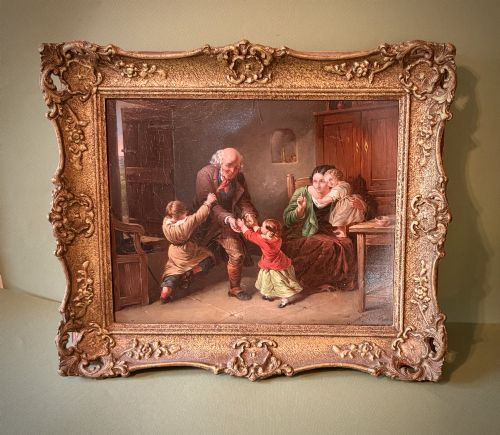
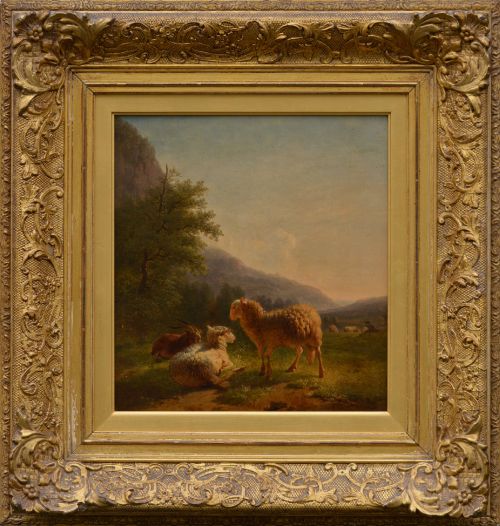
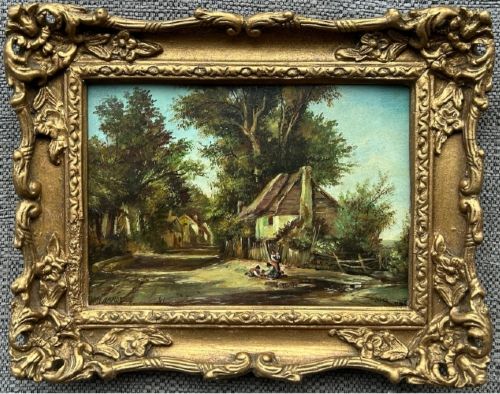
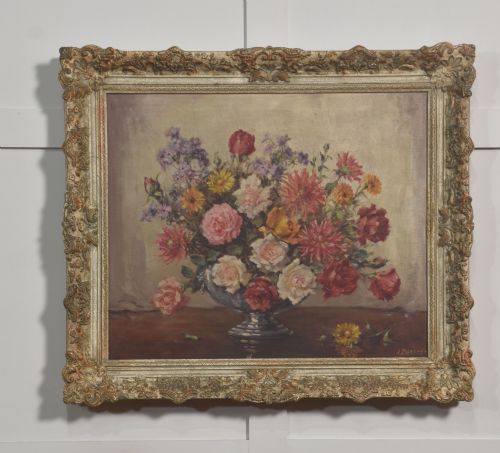
An ornate framed oil painting brings historical depth and rich textures into a room through layered canvas works housed in elaborate surrounds.
Ornate Framed Oil Painting
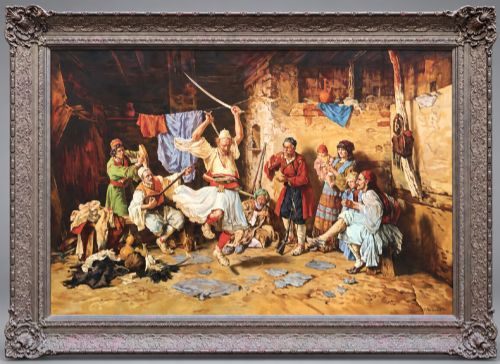
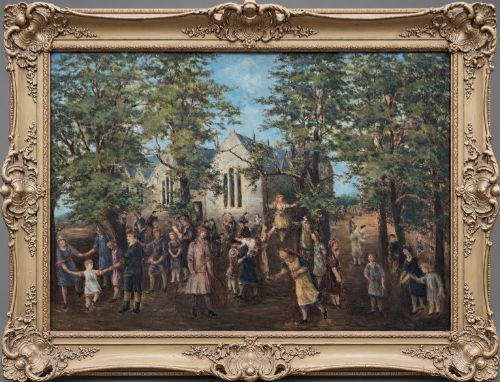
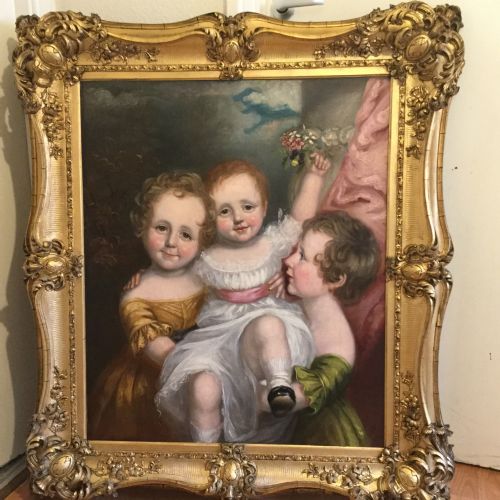
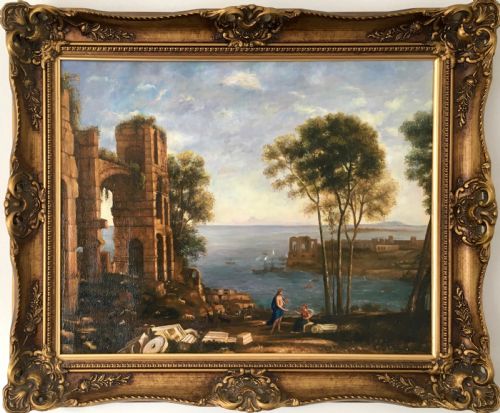
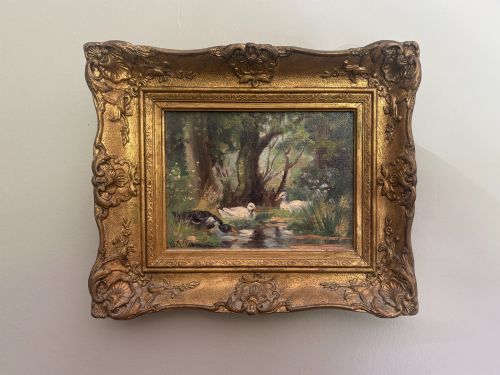
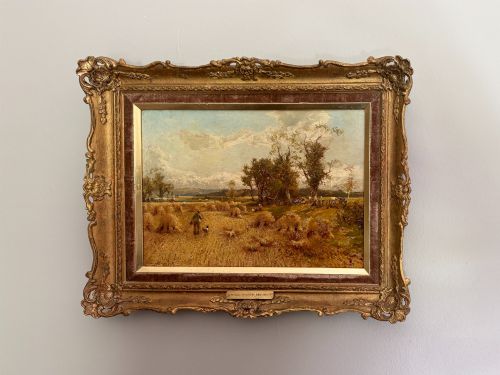
When searching for an ornate framed oil painting, buyers encounter works spanning from the 17th century through to the mid 20th century, encompassing landscapes, portraits, still lifes and genre scenes. The most common pieces met on this page combine oil pigment on canvas or panel with elaborate decorative surrounds.
The selections originate from various European and British traditions, including Dutch school compositions, Victorian landscapes, and French impressionism. These artworks range from intimate cabinet pieces to large gallery canvases, each paired with heavy surrounds that echo the stylistic preferences of their era.
How they were made
These works rely on oil paint applied to woven canvas surfaces or wooden panels, allowing artists to build deep tones and subtle gradations of light. The physical support is typically stretched over a wooden frame before pigment application.
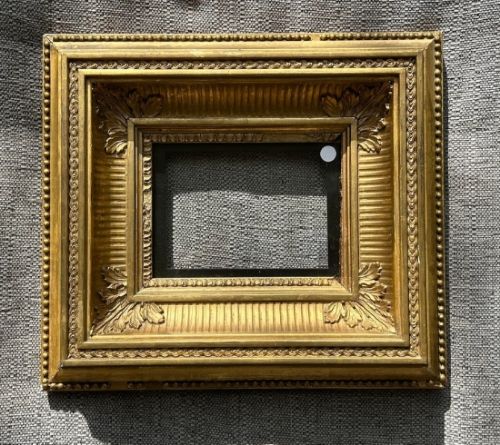
The surrounds are constructed from wood and shaped with gesso to form elaborate moulded patterns, often finished with gold leaf or giltwood highlights to create a reflective, decorative border.
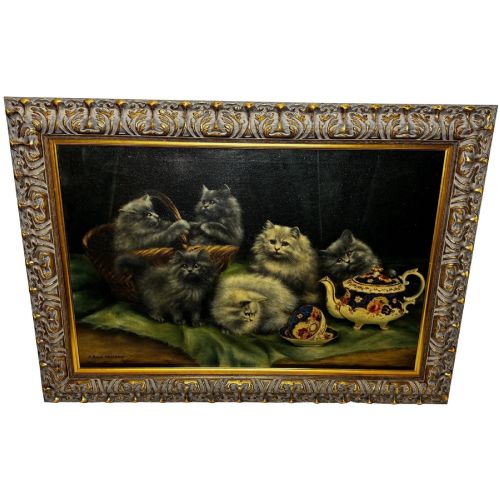
Several sheep, cows, dogs and horses share these canvases alongside human portraits, proving historical artists loved painting animals just as much.
What varies in quality
The refinement of the brushwork and the anatomical or spatial accuracy set the higher tier apart from simpler decorative works. Master painters achieve a subtlety in light and shadow that lesser hands miss.
The craftsmanship of the surround also dictates overall merit, distinguishing deeply carved, original giltwood mouldings from later or mass-produced plaster replacements.
Eugène Verboeckhoven·William Beattie-Brown·Oliver Clare·Edgar Hunt·Abraham Cooper
The Ornate Framed Oil Painting Glossary
- Gesso
- A plaster-like mixture applied to wooden frames as a base for moulding and gilding. It provides a smooth surface for intricate decorative relief work.
- Giltwood
- Wood carved and coated with gold leaf or metallic paint. It gives frames a warm, luminous metallic finish.
- Oil on Canvas
- A traditional painting technique using pigments suspended in drying oils applied to stretched fabric. This method allows for rich colour blending and durability.
- Genre Painting
- Artworks depicting scenes from everyday life, ordinary people, and domestic interiors. These pieces often tell a narrative story about their subjects.
- Barbizon School
- A mid nineteenth century French art movement focused on realism in landscape painting. Practitioners emphasised direct observation of nature and atmospheric effects.
Ornate Framed Oil Painting: Frequently Asked Questions
How do I date an antique oil painting?
Dating relies on examining the canvas preparation, stretcher construction, and the ageing of the oil pigments. Stylistic clues in clothing and hair also point to specific decades.
The frame often provides further evidence, though surrounds and paintings were sometimes paired together at later dates.
Are original frames important?
Original surrounds contribute significantly to the historical integrity of a piece. They reflect the aesthetic tastes contemporaneous with the artwork's creation.
Matching frames enhance the visual weight of the canvas and complete the intended presentation of the maker.
How should I care for oil paintings?
Paintings require stable indoor humidity and temperature levels to prevent the canvas from slackening or cracking. Direct sunlight causes fading in organic pigments over time.
Dusting should be done gently with a soft brush, avoiding any liquid cleaners or harsh chemicals on the paint surface.
What is the difference between canvas and panel?
Canvas offers a flexible textile support that absorbs brush pressure differently than rigid wooden boards. Panel paintings often survive with less cracking of the paint layer.
Both supports were used across different centuries, depending on the artist's preference and regional traditions.