


Ochre Canvas Painting
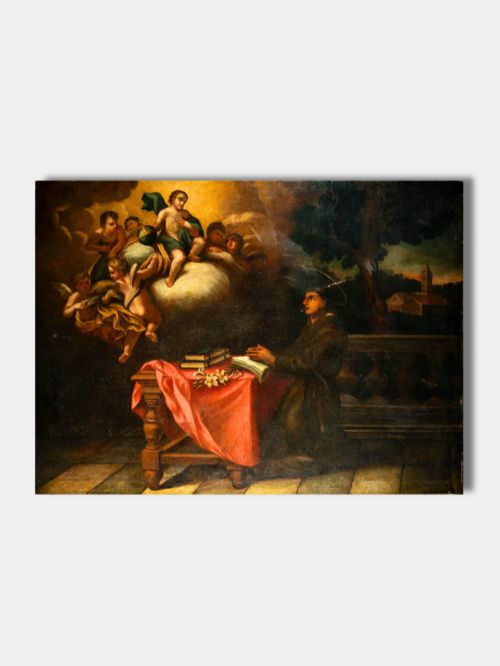
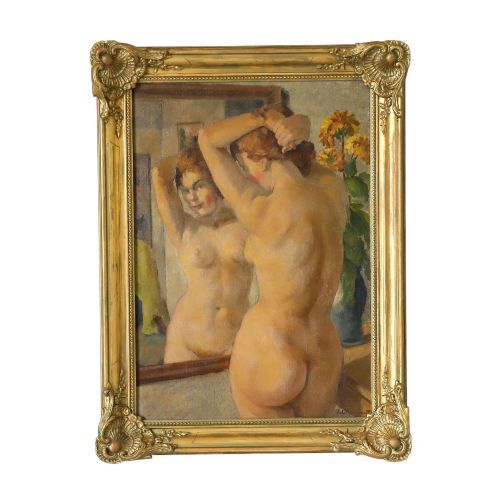
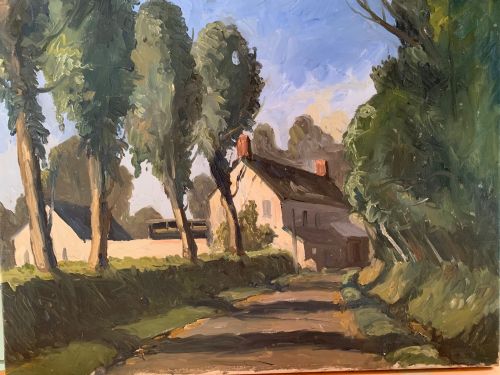
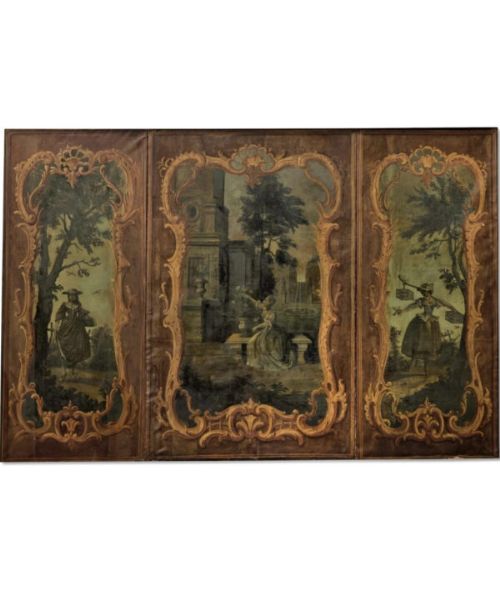
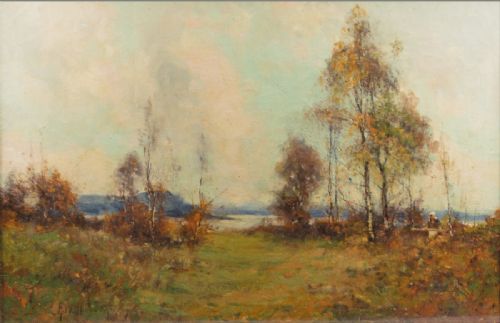
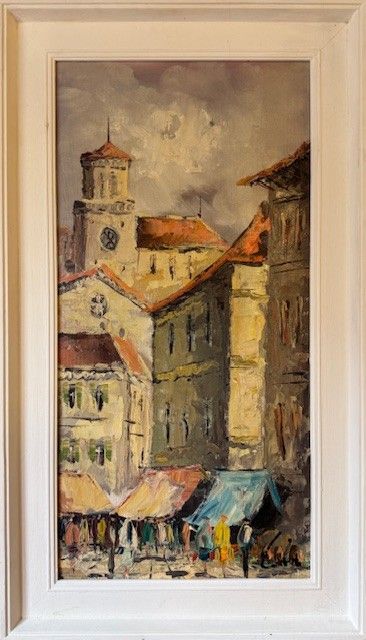
Ochre canvas painting brings warm earthen pigments and tactile brushwork into a room, offering rich visual depth through historic oils.
Ochre Canvas Painting
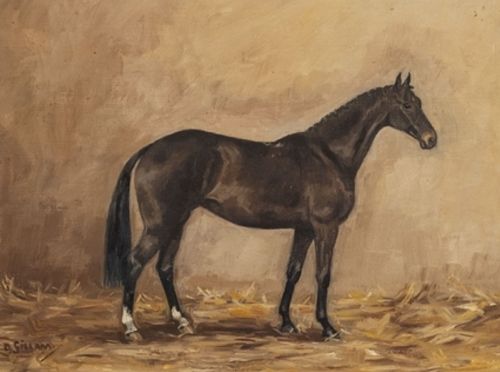
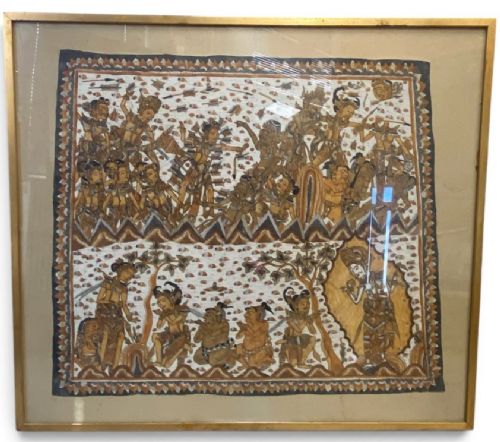
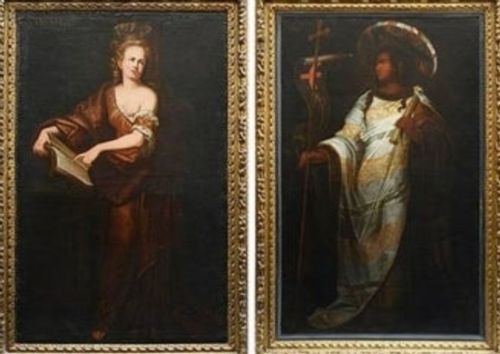
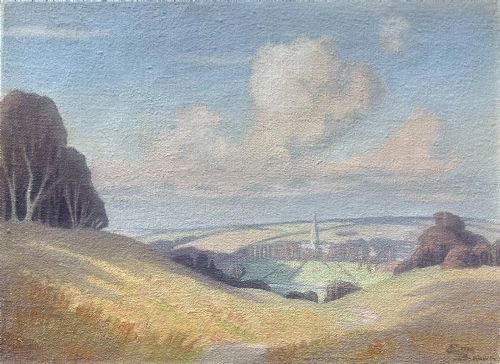
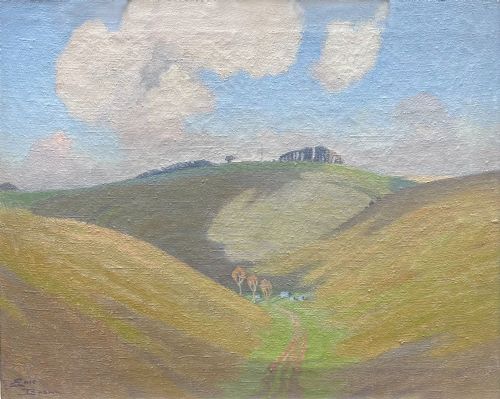
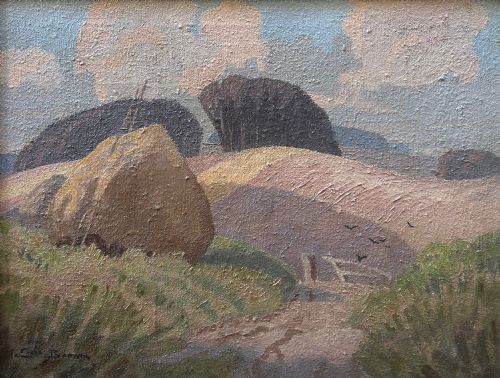
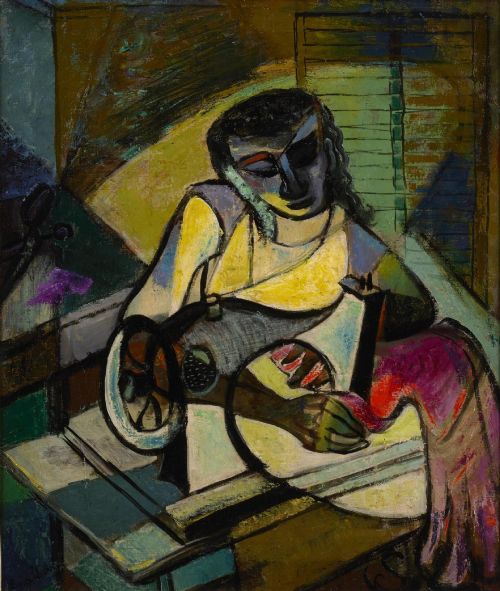
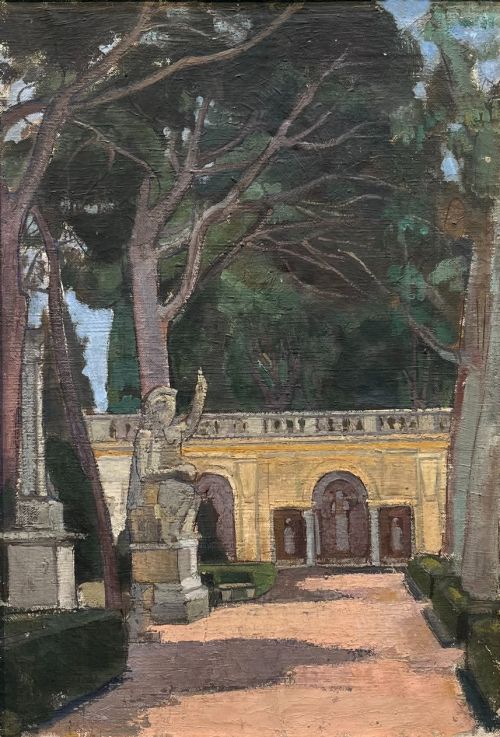
When you search for an ochre canvas painting, you encounter works executed in oil paint upon woven fabric surfaces across various decades and centuries. These range from nineteenth-century coastal scenes and Victorian portraits to mid-century impressionist landscapes and abstract compositions.
The periods span from the nineteenth century through the 1960s, reflecting shifts in painting styles including post-impressionism, modernist abstraction, and traditional realism. Each piece presents the distinct surface texture of canvas combined with the enduring qualities of oil medium.
Materials and construction
These works are created using oil paint applied to stretched canvas supports, occasionally complemented by wood framing or accents of gold leaf and gilt. The pigment is built up in layers, allowing artists to achieve varying degrees of opacity and texture across the painted surface.
Canvas serves as a flexible and durable foundation, typically stretched over a wooden frame to maintain tautness. The combination of oil medium and woven support permits subtle blending and expressive brushwork that hardens over time.
Listings span from the nineteenth century to the 1960s, incorporating canvas, oil paint, wood, and gold leaf.
Evaluating quality and execution
Quality in these works rests upon the confidence of the brushwork, the harmony of the palette, and the structural integrity of the canvas and support. Masterful handling of light and pigment distinguishes a compelling composition from a standard study.
The depth of the paint application and the preservation of the original surface condition heavily influence the visual impact of the piece. Works that retain their textural nuance and original framing demonstrate superior historical and artistic standard.
Eric Brown·Lena Gurr·Alexander Wellwood Rattray·Raymond Picque·Reginald Grange Brundrit·Cecil Rochfort D'Oyly-John·Amile Coppieters·Ron Folland·Charles Malfroy·William George Meadows·James William Booth·Sir Matthew Smith·Claude Thomas Stanfield Moore·Arthur Winter Shaw·Frederick Christian Lund·Frederick William Jackson·John Cawthorn·Ernest Higgins Rigg·Philippe de Rougemont·Robert Lesley Howey
The Ochre Canvas Painting Glossary
- Canvas
- A heavy woven fabric, typically linen or cotton, used as a support for oil paintings. It provides a textured ground that holds pigment securely.
- Oil paint
- A slow-drying paint made by mixing pigments with a drying oil, commonly linseed oil. This medium allows for rich blending and varied surface relief.
- Impressionism
- A nineteenth-century painting style characterised by relatively small, thin yet visible brush strokes and an emphasis on accurate depiction of light. It often captures transient moments in everyday scenes.
- Gilt
- A thin layer of gold or gold-like material applied to wood frames or surfaces. It adds reflective warmth and decorative framing to the artwork.
- Post-impressionism
- An art movement that extended impressionism while rejecting its limitations, favouring more symbolic content and heavier geometric structures.
Ochre Canvas Painting: Frequently Asked Questions
What is an ochre canvas painting?
An ochre canvas painting is a work of art executed in oil on a fabric support, utilising earthy yellow and brown pigments characteristic of various historic art movements.
These pieces encompass landscapes, portraits, and abstract scenes originating from the nineteenth century through the mid-twentieth century.
How should I hang an oil painting?
Oil paintings on canvas require stable indoor environments away from direct sunlight and extreme humidity fluctuations to protect the fabric and pigment.
Ensure the wall fixings match the weight of the wooden frame and hang the piece securely at eye level for optimal viewing.
How do I identify the period of a canvas painting?
Dating a canvas painting involves examining the style of the brushwork, the composition, the framing technique, and any signatures or inscriptions on the reverse.
Periods often reveal themselves through the specific aesthetic conventions of movements like British impressionism or mid-century modernism.
Were these paintings created for domestic display?
Most of these works were produced as independent fine art pieces intended for interior exhibition in homes or public galleries.
Their varied sizes allow them to serve as focal points in reception rooms or study spaces.