


Dutch Coastal Scene Painting
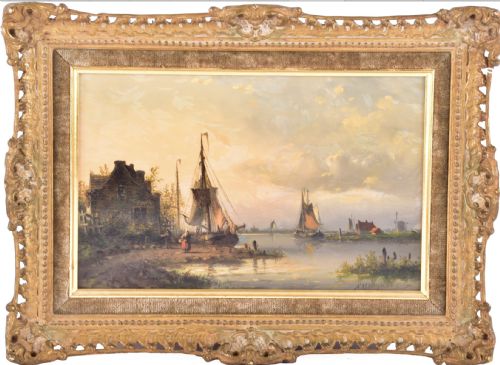
A dutch coastal scene painting brings the grey light and wide skies of the Low Countries straight into a room.
Dutch Coastal Scene Painting
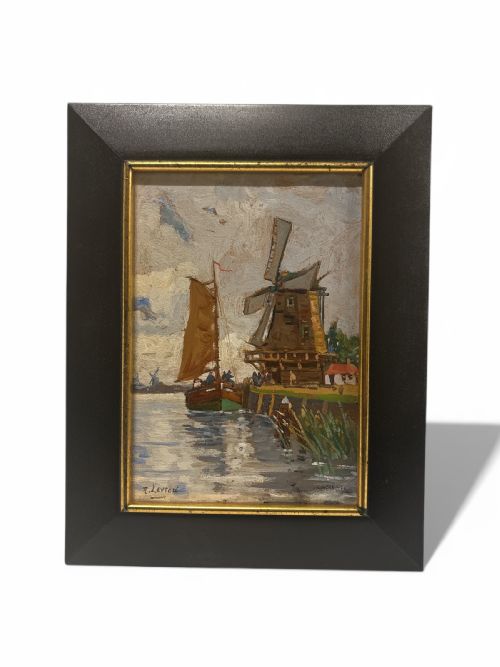
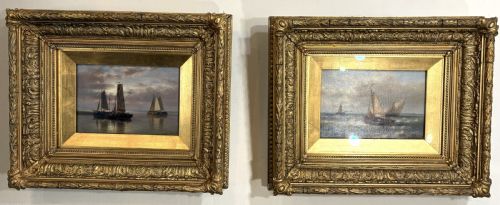
A dutch coastal scene painting captures maritime life, harbours, estuaries, and shorelines with windmills, sailboats, and traditional figures like fisherwomen. The works found here span across the nineteenth and twentieth centuries, taking in periods such as the Edwardian era and movements like the Hague School.
Most examples appear as oil paintings on canvas or board, alongside occasional watercolours. They range from intimate views of ports like Rotterdam to broad seascapes featuring shipping off the Dutch coast under heavy skies.
Buyers look for these artworks to introduce a calm, atmospheric palette of marine tones and muted earth colours to an interior. The subjects offer a direct window into historical maritime commerce and coastal toil.
Materials and Methods
Artists relied primarily on oil paint applied to stretched canvas or wooden boards, building up layers to capture the shifting effects of coastal weather and water. Watercolours on paper also appear, offering a lighter, more translucent rendering of light on the Maas or local harbours.
Frames frequently utilise wood finished with gold leaf or gilt, adding a traditional decorative boundary that complements the maritime subject matter. The interplay of pigment and ground defines the surface texture across both nineteenth-century and later twentieth-century works.
The listings span from the nineteenth century through to the Edwardian period and the mid-twentieth century, utilising oil paint, canvas, watercolour, and giltwood.
Assessing Quality and Execution
Quality rests upon the artist's handling of light, atmosphere, and perspective, distinguishing a flat depiction from one that conveys the damp air and movement of the North Sea. Stronger compositions command attention through confident brushwork and a convincing rendering of water and sail.
The integration of the frame, often giltwood, with the canvas contributes to the overall integrity of the piece. Works by recognised named artists or distinct regional movements carry a greater depth of historical context.
Abraham Hulk I·Thomas Bush Hardy·Adrian Van Porten·Owen Bowen·Gudrun Sibbons·Frank Myers Boggs·Charles Martin Powell·Pieter Cornelis Dommersen
The Dutch Coastal Scene Painting Glossary
- Hague School
- A group of artists working in The Hague during the late nineteenth century who were influenced by French realism and painted atmospheric, tonal landscapes and seascapes.
- Giltwood
- Wood carved and covered with a thin layer of gold leaf or metal powder, commonly used for traditional picture frames.
- Seascape
- A work of art depicting the sea, shipping, or coastal views, forming a primary category within marine painting.
- Watercolour
- A painting method in which the paints are made of pigments suspended in a water-based solution, typically executed on paper.
Dutch Coastal Scene Painting: Frequently Asked Questions
How do I date a Dutch coastal scene painting?
Dating relies on the stylistic markers of the brushwork, the pigments used, and the construction of the canvas or stretcher frames. Nineteenth-century examples often display traditional maritime rigging and heavy gilt frames.
Later twentieth-century works, such as those from the nineteen-fifties or sixties, introduce slightly brighter palettes and different canvas preparations while maintaining the coastal theme.
Where should I hang these paintings?
These works suit dining rooms, studies, or hallways where traditional maritime subjects create a focal point. Their muted tones of grey, blue, and brown pair well with timber furniture and neutral wall colours.
Keep them away from direct sunlight and damp walls to protect the oil paint and canvas over time.
What is the difference between oil and watercolour versions?
Oil paintings on canvas or board offer richer texture, deeper layers of colour, and greater durability against environmental changes. They present a more substantial physical presence on the wall.
Watercolours on paper provide a lighter, more delicate transparency, capturing transient atmospheric effects with softer gradations of tone.
Who were the artists painting these scenes?
The creators include both British and continental artists who travelled to or specialised in Dutch marine subjects, capturing local shipping, windmills, and figures on the shore. Names like Abraham Hulk I and Pieter Cornelis Dommersen are closely associated with nineteenth-century maritime traditions.
Later practitioners carried the genre into the twentieth century through revival movements and personal interpretations of the coast.