



Oriental Wooden Figurine
An oriental wooden figurine brings carved human figures, deities, and animals from Asian workshops into a room.
Oriental Wooden Figurine
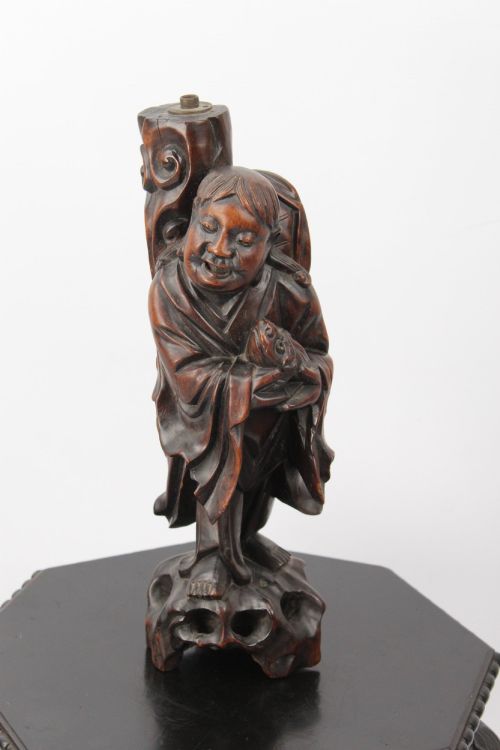
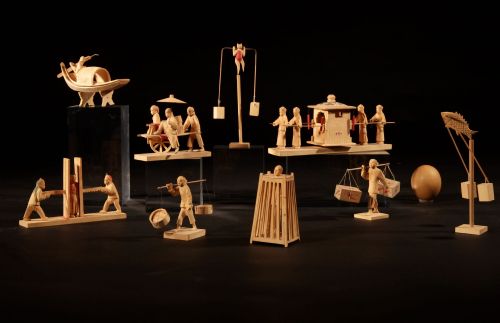
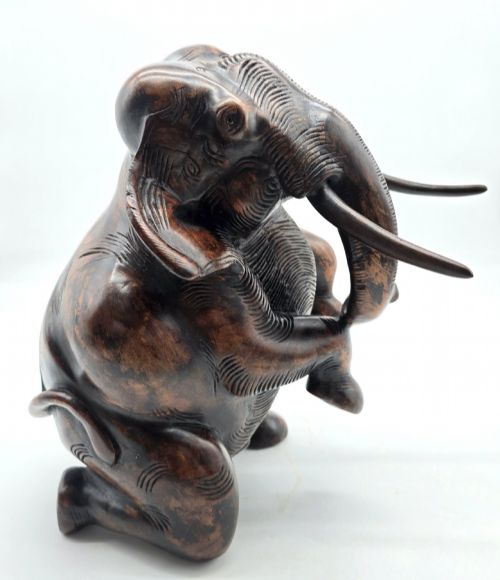
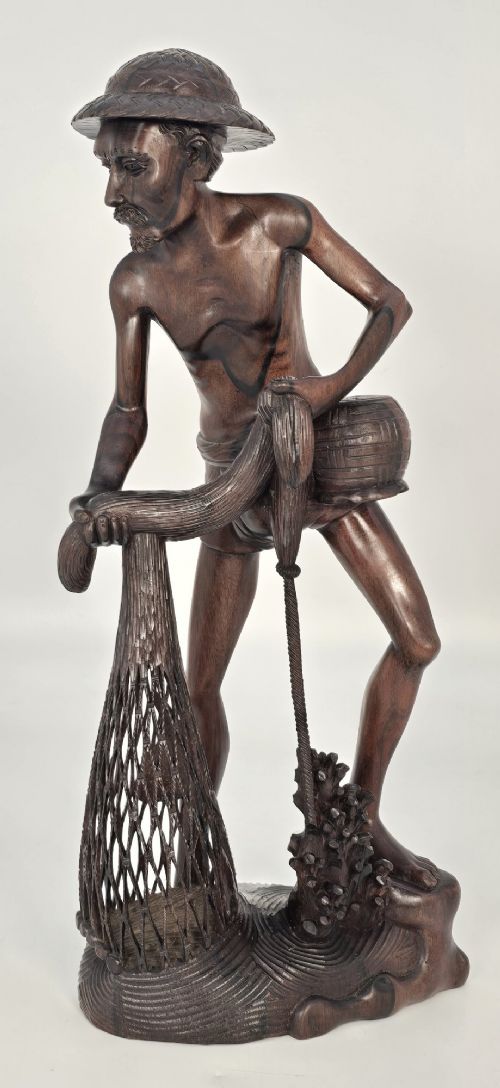
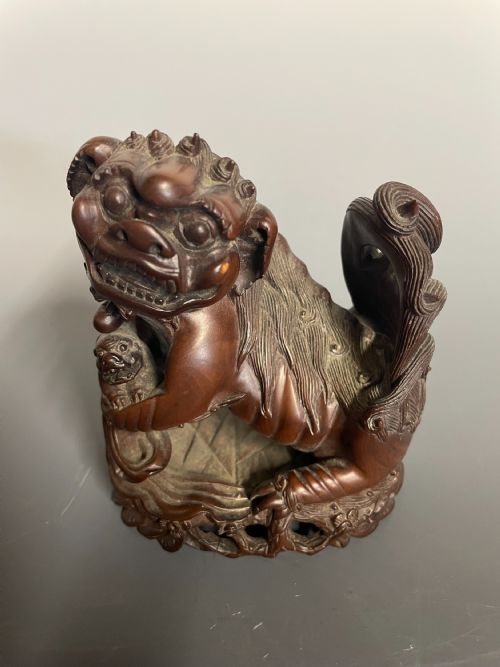
When searching for an oriental wooden figurine, buyers encounter carved sculptures originating from China, Japan, and India spanning the nineteenth and early twentieth centuries. These carvings depict Daoist immortals, fishermen, deities, dancers, and animals such as water buffaloes and elephants.
The version most likely to meet a buyer on this page is a carved hardwood figure or okimono from the Qing Dynasty or Meiji period. Makers utilised dense timbers to portray detailed facial expressions and traditional attire.
Chinese folk art and root wood carvings also appear alongside Japanese boxwood studies. Each piece reflects the sculptural traditions of its specific origin and period.
Materials and carving techniques
Carvers utilised boxwood, hardwood, and gnarled root wood to shape these figures. The dense grain of boxwood and hardwood permitted intricate undercut details and smooth polishing, while root wood carvings followed the natural contours of the timber.
Root wood carvers occasionally left a mischievous boy clambering up the back of an elder.
Distinctions in craftsmanship
Quality separates figures through the depth of carving and the liveliness of the pose. Finer sculptures show careful attention to hands, facial expressions, and naturalistic drapery rather than stiff or generic forms.
The selection of the timber dictates the longevity and crispness of the details. Dense hardwoods and boxwood retain sharp edges over time, whereas softer or less stable woods lose definition.
The Oriental Wooden Figurine Glossary
- Okimono
- A Japanese freestanding carving intended for display in an interior space. These sculptures typically depict figures, animals, or mythical subjects.
- Root wood
- Timber sourced from the root system of a tree, chosen for its gnarled and twisting grain. Carvers adapted these natural shapes to form figures and animals.
- Boxwood
- A dense, pale wood with a fine grain utilised for miniature and detailed carvings. This material allows carvers to execute precise lines.
- Qing Dynasty
- The final imperial dynasty of China, lasting from sixteen-forty-four to nineteen-twelve. Carvings from this era often display traditional court or folk motifs.
Oriental Wooden Figurine: Frequently Asked Questions
Where were these wooden figures displayed?
These figures sat upon mantelpieces, tables, and within display cabinets in domestic interiors.
In Asian and Western homes alike, they served as decorative ornaments rather than objects of religious worship.
How do I care for antique wood carvings?
Keep the figures away from direct sunlight and fluctuating heat sources to prevent the timber from splitting.
Dust gently with a dry cloth and avoid applying liquid polishes that might darken the unvarnished grain.
What subjects are most common?
Common subjects include Daoist immortals, fishermen, folkloric figures, and deities associated with happiness and wealth.
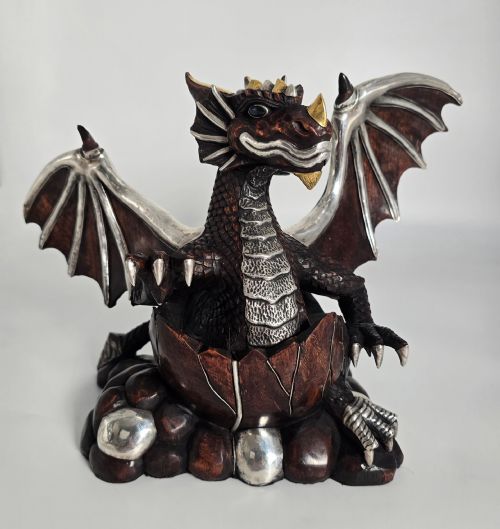
Animal carvings such as elephants, water buffaloes, rabbits, and mythical creatures also frequently appear.
How do I distinguish Chinese from Japanese pieces?
Chinese carvings often utilise dark hardwoods and depict Daoist figures, officials, or daily life scenes.
Japanese works frequently employ boxwood or ivory-toned woods to create okimono depicting specific occupations or legendary beings.