

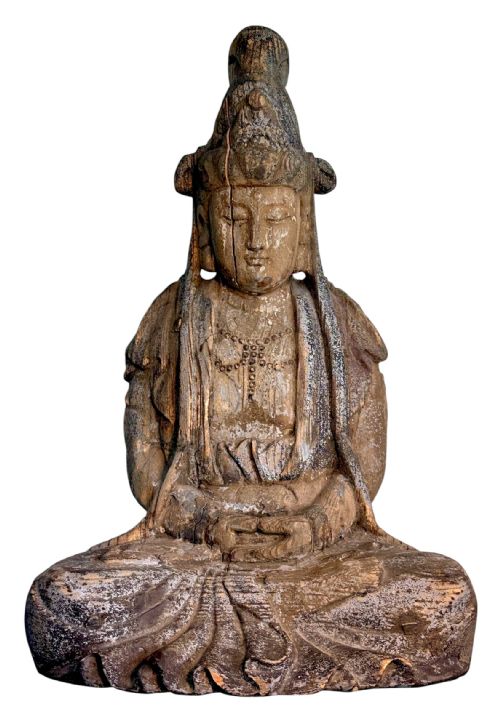


Chinese Carved Wood Statue
A chinese carved wood statue brings centuries of ritual, folklore and natural timber grain directly into a room.
Chinese Carved Wood Statue
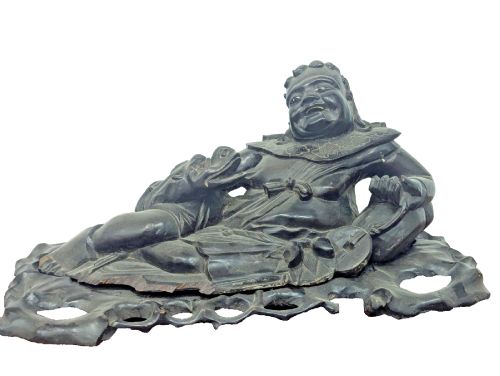
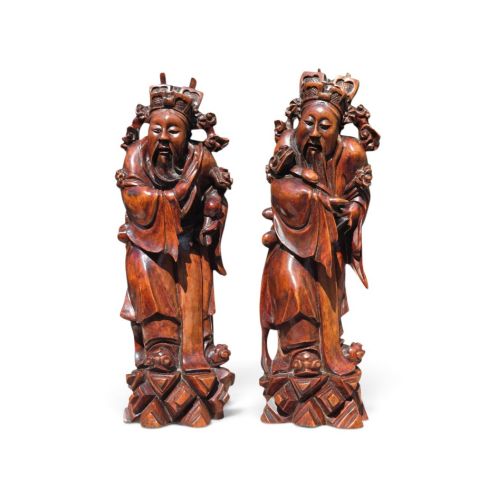
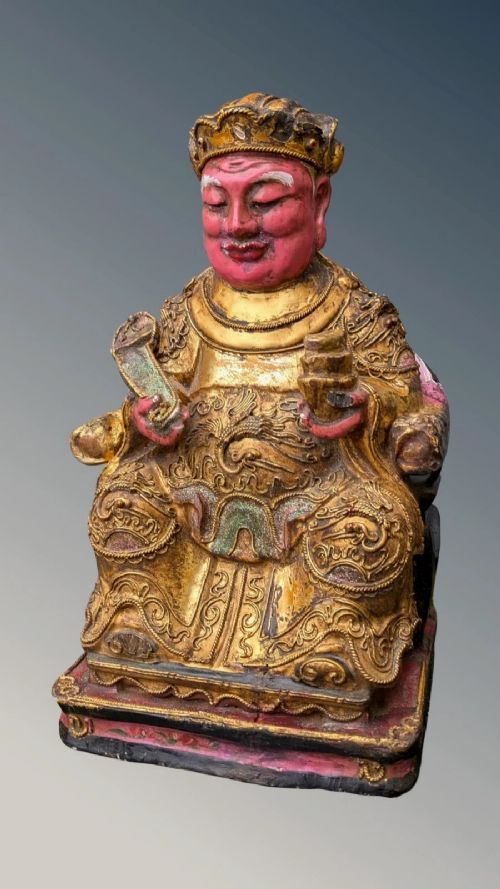
A chinese carved wood statue encompasses figures ranging from Buddhist deities and Daoist immortals to village scholars, fishermen and mythical beasts. Most examples seen here date from the eighteenth and nineteenth centuries, originating from the Qing Dynasty and spanning traditional folk art alongside monumental temple carvings.
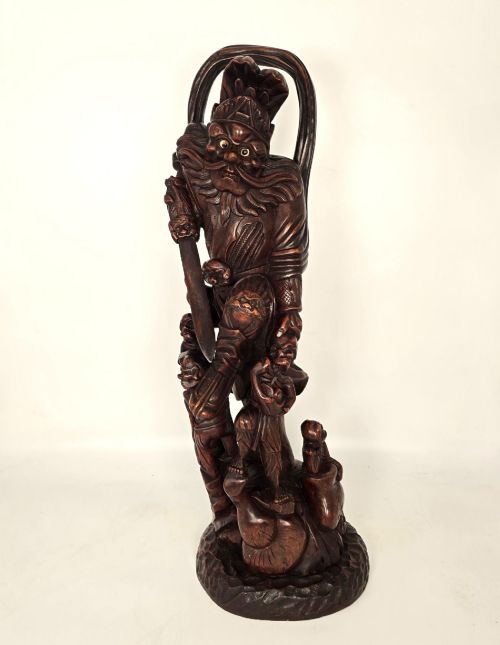
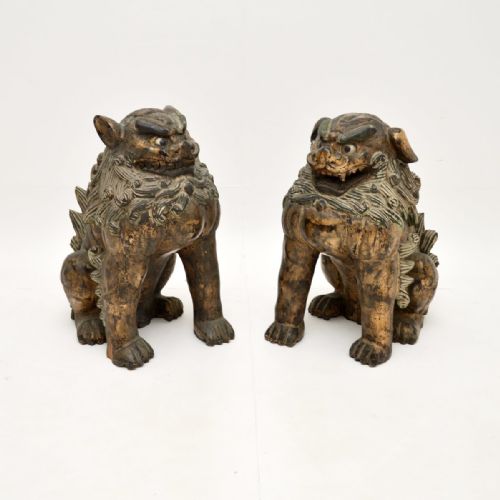
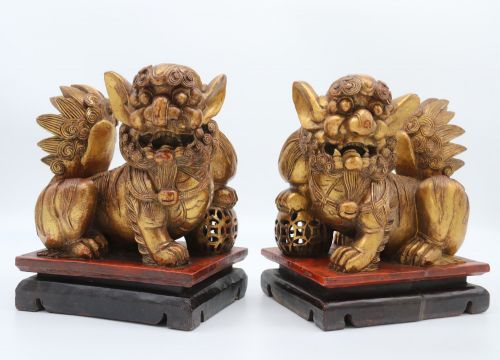
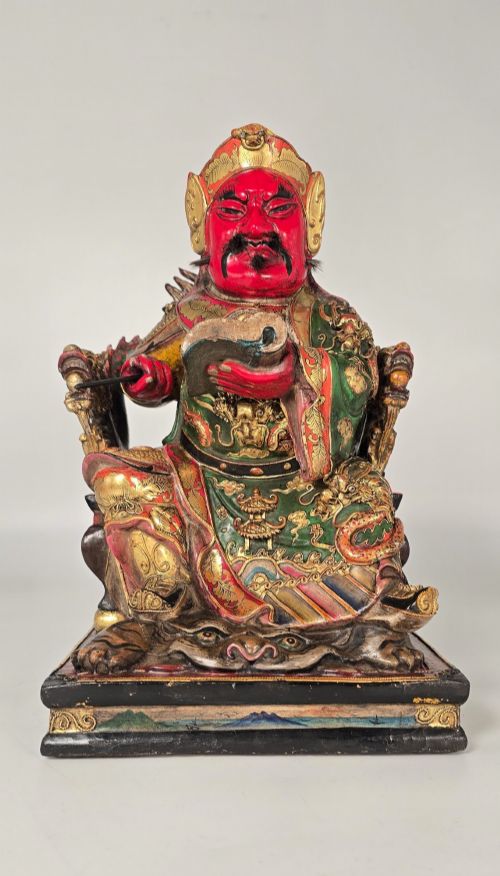
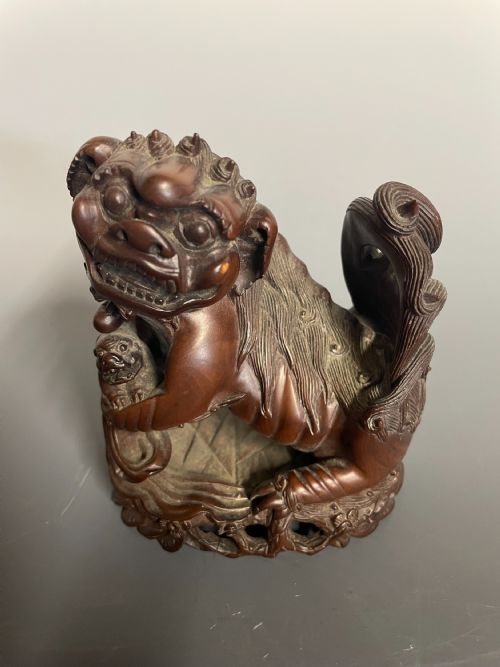
The subjects include protective figures such as Guardian Kings and Foo Dogs, alongside domestic animals like water buffaloes and elephants. Buyers encounter single devotional icons as well as matched pairs designed for altars or display cabinets.
Materials and technique
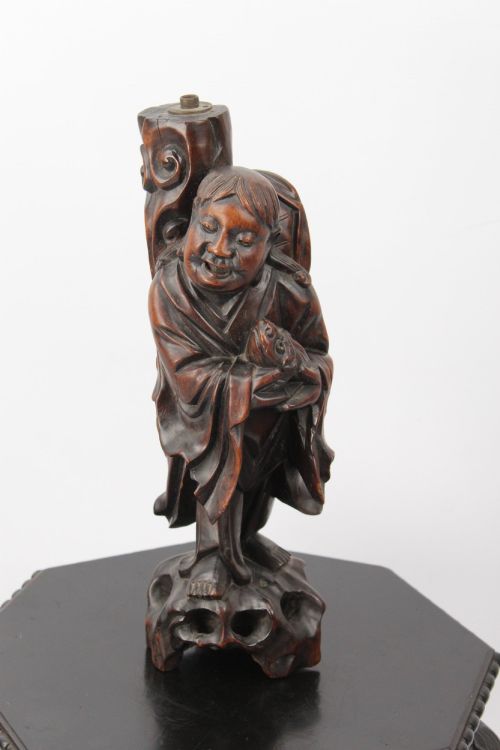
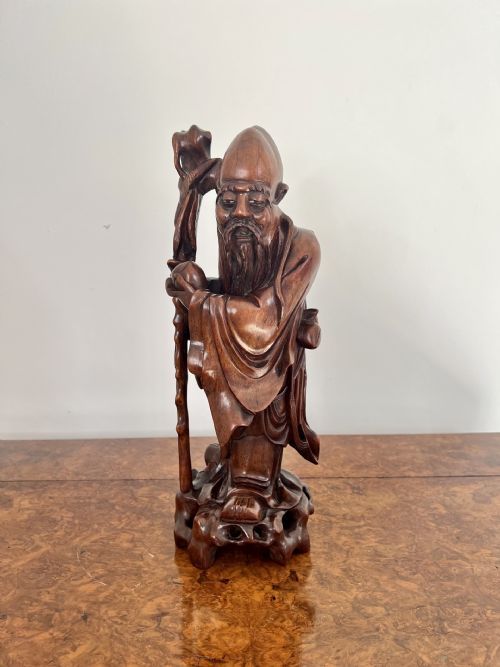
Artisans utilised dense hardwoods, boxwood and gnarled root wood, allowing the natural twists of the timber to dictate the posture of scholars or fishermen. Root wood carvings embrace the organic knots of the material, turning raw timber shapes into figures.
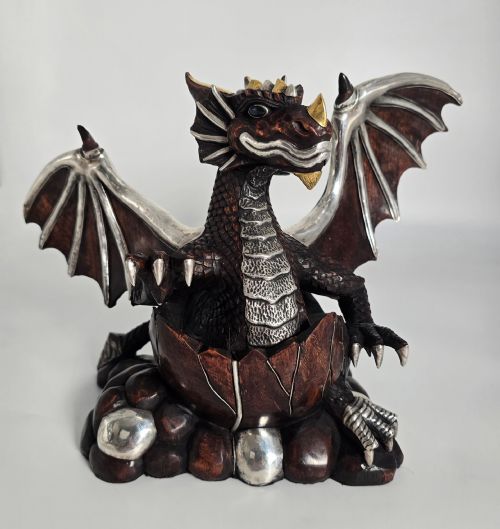
Surfaces frequently receive applied finishes including gold leaf, lacquer, polychrome paint and mixed metal mounts. High relief carving creates deep folds in robes and intricate expressions on temple guardians.
Judging quality
Quality rests upon the ambition of the carving and the vitality of the posture, distinguishing monumental temple pieces from smaller domestic carvings. Fluidity in the drapery of robes and expressive facial detail separate masterwork figures from simpler commercial pieces.
The handling of the material matters profoundly, whether the artisan maintains the smooth polish of dense hardwood or preserves the gnarled contours of burr root wood. Intact original polychrome paint, lacquer and gilt layers add substantial visual depth to surviving temple figures.
The Chinese Carved Wood Statue Glossary
- Hardwood
- Dense, heavy timber selected for fine joinery and deep sculptural carving. It resists warping and takes a smooth polish.
- Root wood
- Timber sourced from the root system of a tree, displaying irregular, gnarled shapes that carvers incorporate into figurative designs.
- Foo Dog
- A mythical guardian lion originating in Chinese tradition, typically shown protecting sacred spaces. Statues often appear in pairs guarding entrances.
- Qing Dynasty
- The final imperial dynasty of China, lasting from sixteen-fourteen-fourteen to nineteen-twelve. The vast majority of antique wooden sculptures date from the later decades of this period.
Chinese Carved Wood Statue: Frequently Asked Questions
How were these statues used?
Many figures served devotional purposes in temples or domestic shrines, depicting Buddhist deities, Daoist immortals and civil officials to bring protection and fortune.
Other sculptures functioned as scholarly desk ornaments or decorative representations of daily life and folklore intended to inspire contemplation.
How do I care for a wood statue?
Keep wooden sculptures away from direct sunlight, heating vents and damp environments to prevent the timber from splitting or warping over time.
Dust gently with a dry, soft cloth and avoid applying modern chemical polishes that might damage ancient lacquer, gilt or polychrome surfaces.
What is root wood carving?
Root wood carving is a traditional Chinese art form where the artisan uses the natural knots, twists and gnarled shapes of tree roots to suggest figures.
The carver works with the natural grain and organic voids of the timber to reveal scholars, fishermen or mythical beasts hidden within the wood.
How do I identify a temple figure?
Temple figures are typically larger, monumental works representing Guardian Kings, deities or officials intended for ritual spaces.
They frequently display traces of original gilt and polychrome paint over deep, high-relief carving designed to be viewed from a distance.