
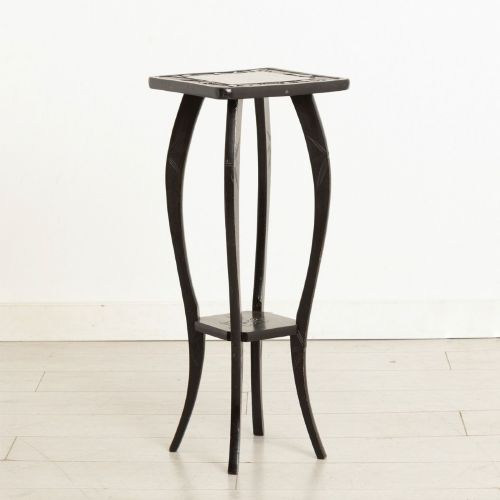
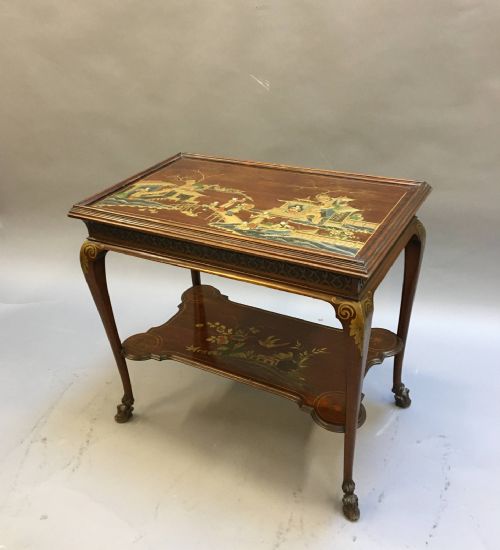


Oriental Tiered Table
An oriental tiered table brings layered display space to a room, combining exotic craftsmanship with practical multi-level surfaces.
Oriental Tiered Table
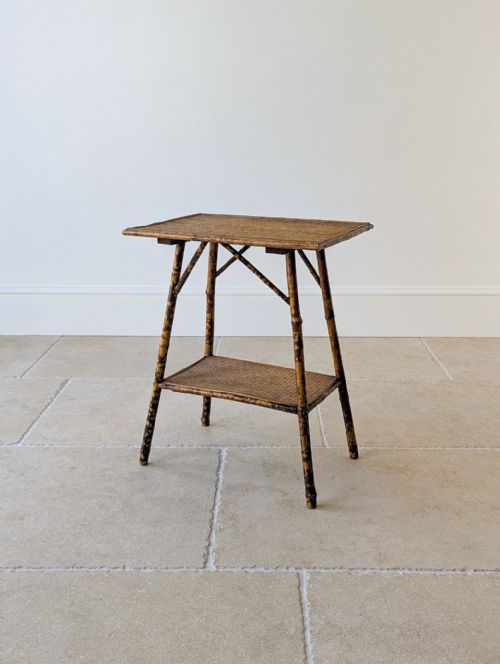
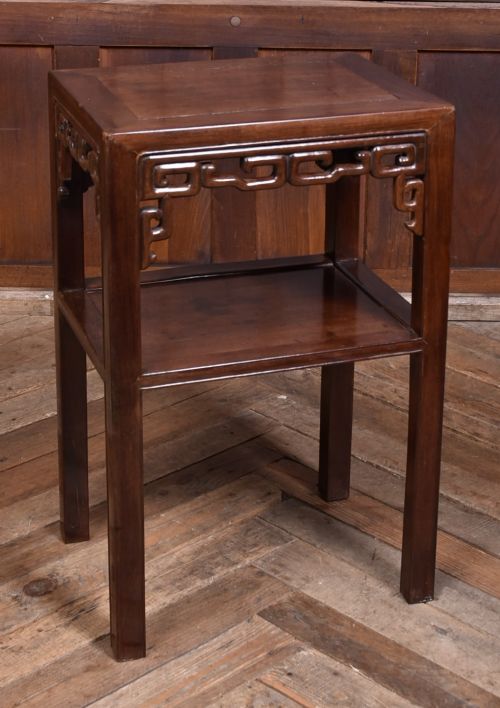
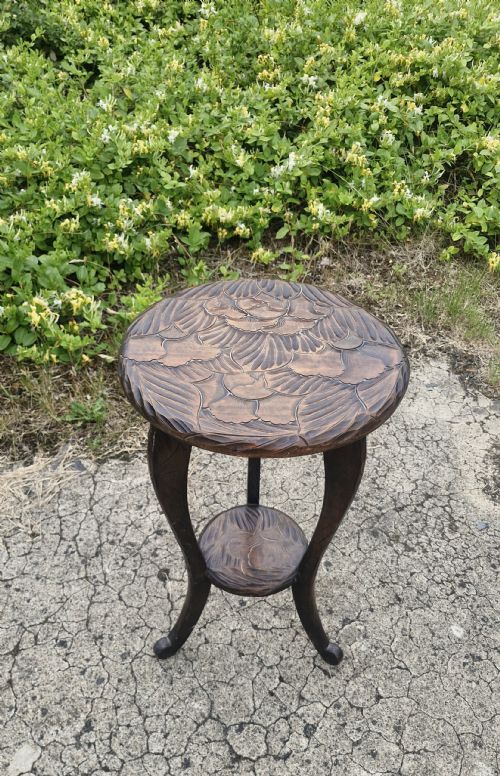
An oriental tiered table encompasses multi-level occasional tables, plant stands, and pot stands originating from the nineteenth and early twentieth centuries. These pieces span Chinese Qing Dynasty hardwood designs, Anglo-Burmese creations, and British interpretations such as Aesthetic Movement bamboo.
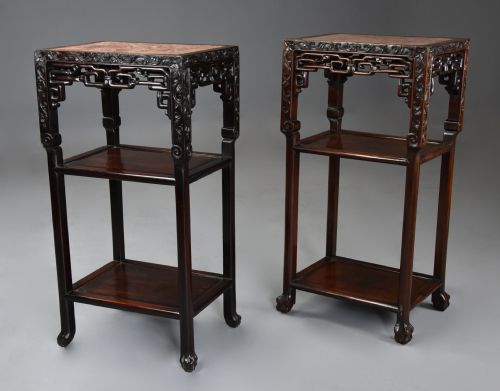
Buyers frequently encounter two-tier and three-tier forms used as lamp tables, side tables, and jardiniere stands. The selection relies heavily on carved hardwoods, rosewood, teak, and tiger bamboo combined with lacquer and marble tops.
Origins range from direct imports during the nineteenth century to British retail firms like Liberty of London interpreting Eastern styles. The overarching form serves as a functional display surface with distinct multi-tiered architecture.
How they were made
Construction relies on dense timbers including rosewood, teak, and Hongmu, alongside flexible bamboo for lighter frames. Artisans shaped these materials using traditional joinery, integrating carved panels and turned supports.
Surfaces often incorporate inset marble slabs, hand-lacquered panels, and intricate wood carving characteristic of Qing Dynasty workshops. Bamboo frames frequently pair with lacquered panels to create contrast within Aesthetic Movement and Chinoiserie styles.
Some nineteenth-century sewing tables included built-in compartments designed specifically for holding yarn while resting on bamboo legs.
What varies in quality
The density and selection of the timber dictate the substance of each piece, with heavy Hongmu and rosewood examples sitting at the upper end of the scale. Finer items exhibit crisp, deep carving in the woodwork and well-fitted inset marble tops.
The integration of materials determines the refinement of the construction, particularly in how bamboo frames meet lacquered panels or how tiers connect structurally. Superior specimens maintain rigid stability across multiple tiers without looseness in the joints.
Liberty of London·Gabriel Viardot
The Oriental Tiered Table Glossary
- Hongmu
- A traditional Chinese term for dense, heavy hardwoods often translated as red wood. It was frequently utilised for pedestals, stands, and tables during the Qing Dynasty.
- Jardiniere
- A large ornamental pot or stand for holding plants or flowers. These items often form the functional top tier of nineteenth-century oriental stands.
- Chinoiserie
- European artistic style reflecting Chinese motifs and techniques. It appears on English bamboo and lacquered occasional tables from the Victorian period.
- Aesthetic Movement
- Nineteenth-century British design movement that promoted art for art's sake and embraced Japanese and Chinese decorative arts. Pieces from this movement often utilise tiger bamboo and lacquer.
- Anglo-Burmese
- Furniture style produced in Britain and Burma during the late nineteenth century. It combines British domestic forms with Burmese carving techniques.
Oriental Tiered Table: Frequently Asked Questions
Where were these tables used?
They were placed in nineteenth-century drawing rooms and parlours as display surfaces for porcelain, plants, and lamps.
Today, they function well beside seating or in corners where vertical display space is needed without a large footprint.
How do I identify a Qing Dynasty piece?
Qing Dynasty stands typically utilise dense hardwoods like Hongmu or rosewood and feature traditional Chinese carved motifs.
They often include inset marble tops and sturdy multi-tiered framing constructed with traditional joinery methods.
What is tiger bamboo?
Tiger bamboo is a mottled variety of bamboo utilised in nineteenth-century British furniture production during the Aesthetic Movement.
It provides a patterned, textured frame that pairs with lacquered panels and multi-tiered shelving.