


Antique Chinese Display Stand
An antique chinese display stand turns a vase, bowl or plant into sculpture.
Antique Chinese Display Stand
An antique chinese display stand serves to elevate porcelain, plants and decorative objects within a room. Buyers search for this phrase when seeking functional furniture designed specifically to frame precious items.
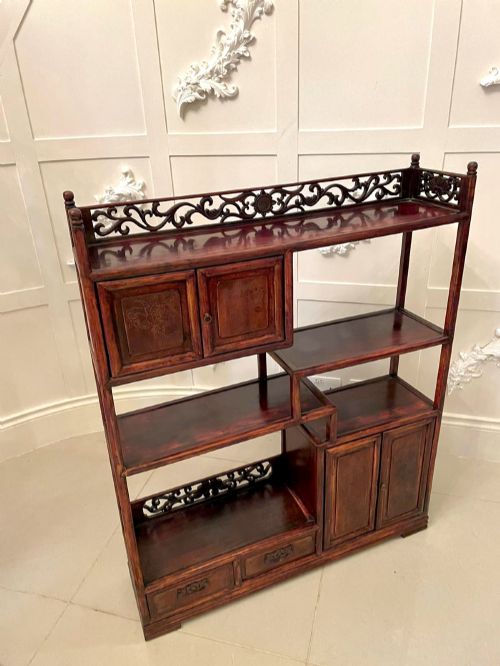
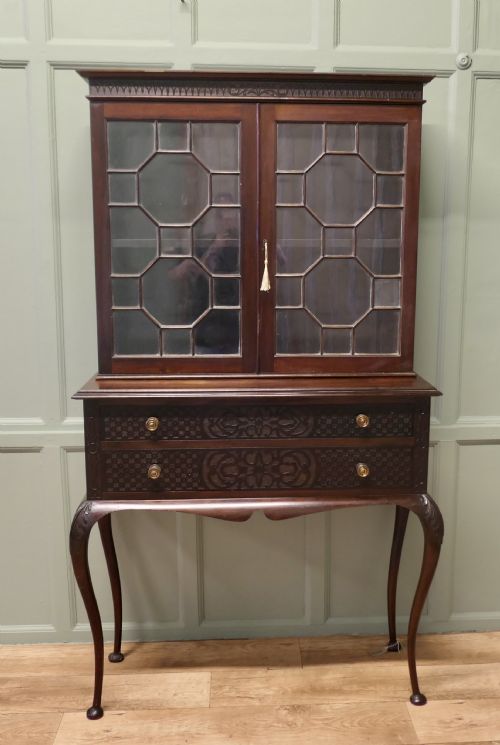
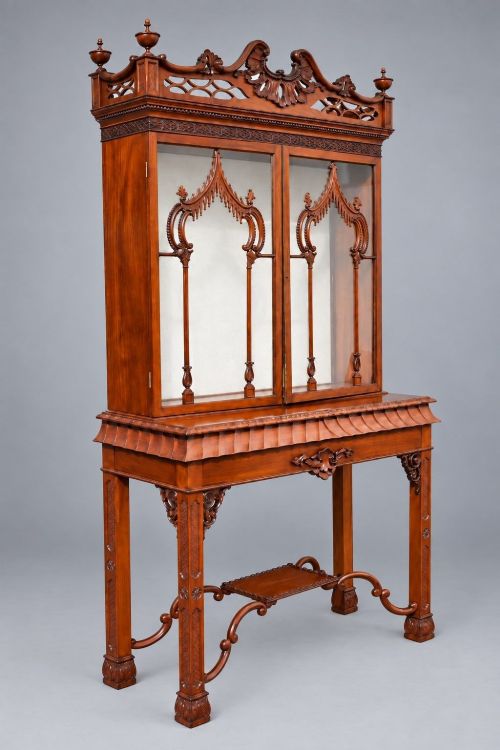
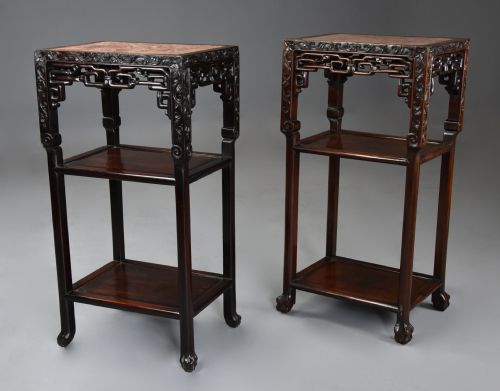
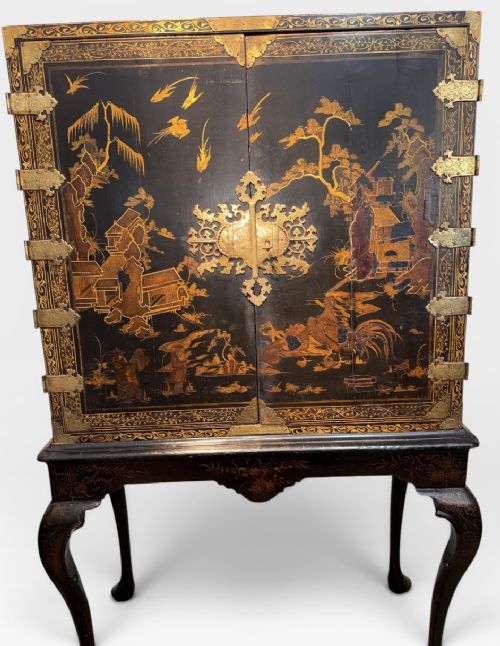
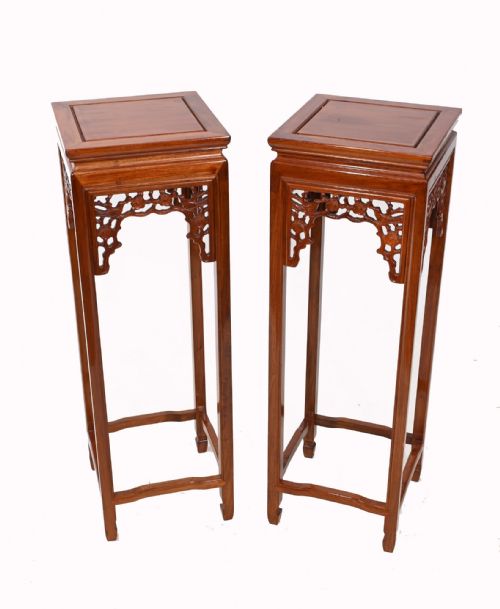
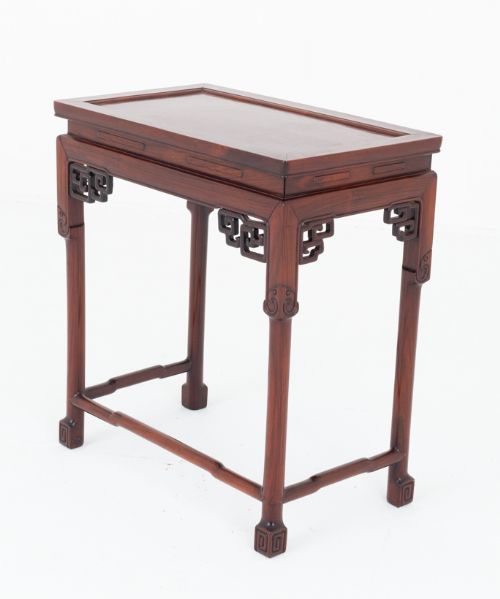
The pieces listed here span the eighteenth, nineteenth and early twentieth centuries, encompassing the Victorian era and the Qing dynasty. They take forms ranging from tall plant stands and low pot tables to side tables, altar tables and glazed display cabinets.
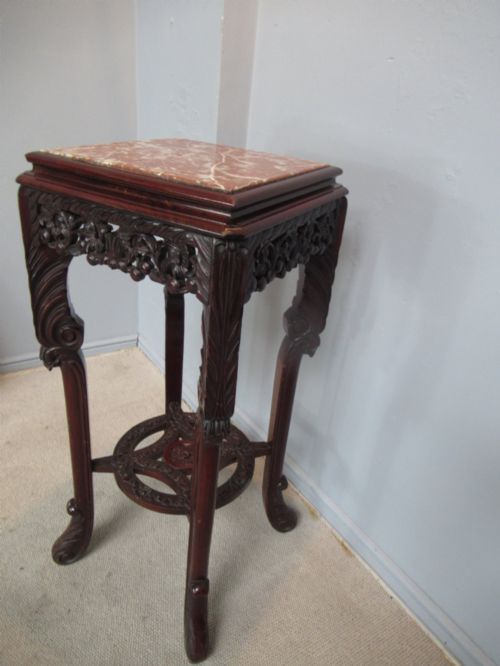
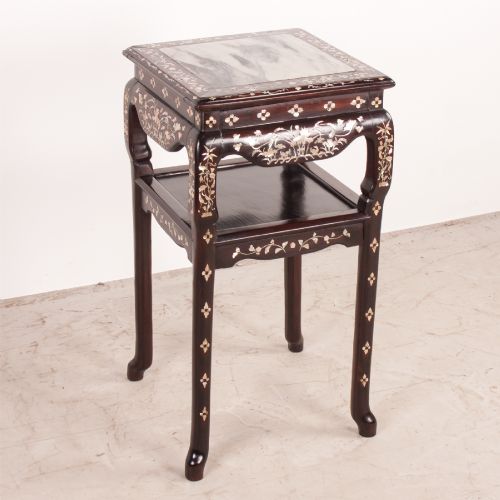
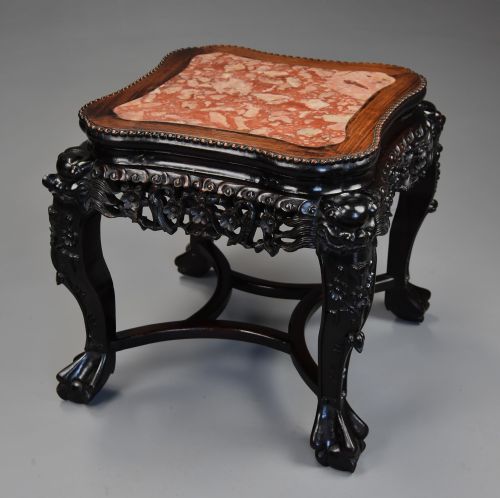
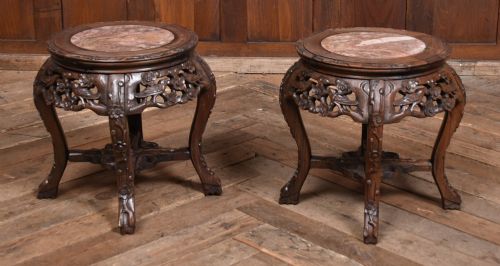
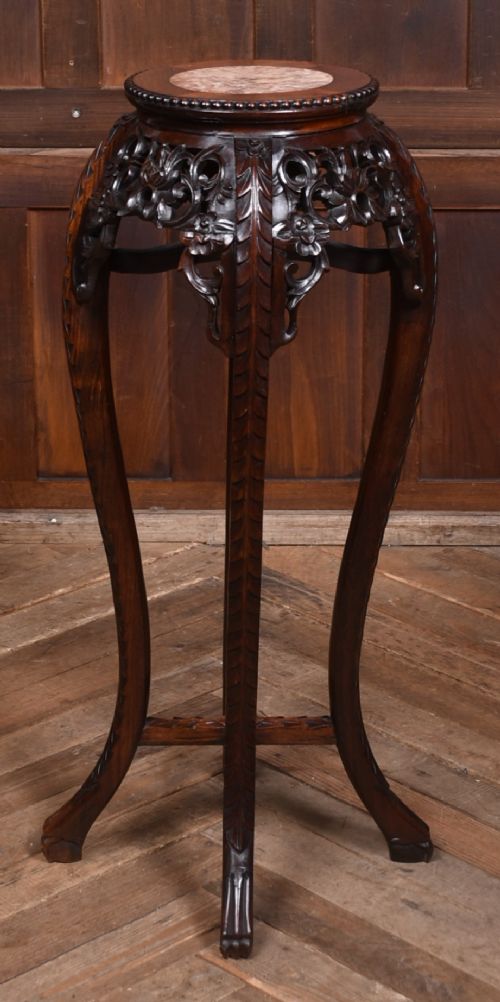
Most items encountered on this page are nineteenth-century hardwood stands featuring inset marble tops, alongside occasional tables and carved plant supports. These smaller furnishings demonstrate the intricate woodworking traditions associated with Asian interiors.
Materials and construction methods
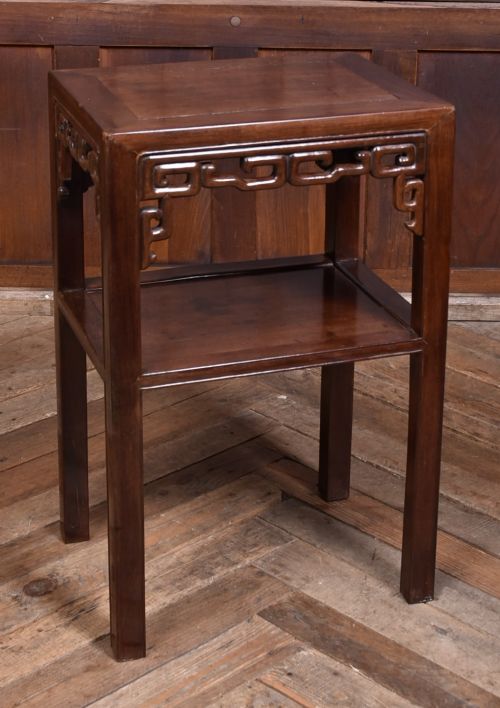
Hardwoods form the structural core of these pieces, with rosewood, padouk and hongmu selected for their density and rich grain. Carpenters combined these dense timbers with softer woods, utilising mortise and tenon joinery to build stable frames without metal nails.
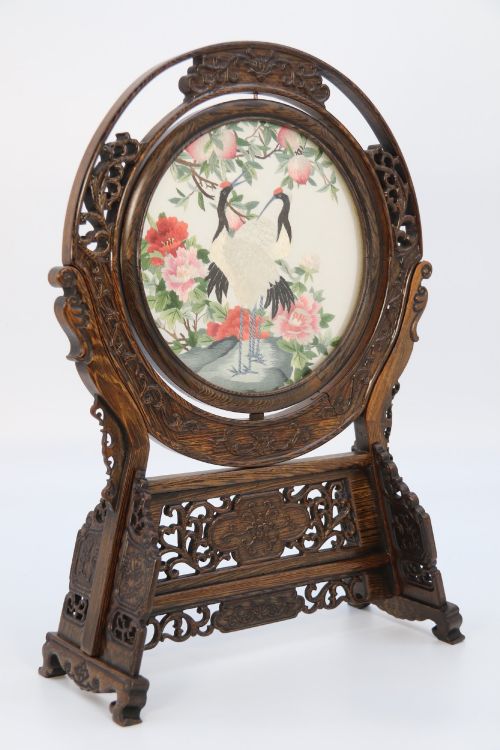
Decorative surfaces frequently incorporate natural stone and organic inlays. Circular rouge or grey marble panels are inset into table tops to support damp plant pots, while mother of pearl and silk embroidery provide contrasting detail on cabinets and rotating stands.
Some nineteenth-century makers included rotating hardwood frames so you could spin your embroidered silk panels without leaving your chair.
Distinctions in quality
The refinement of the woodcarving dictates the standing of each piece. Skilled carvers produced deep, undercut floral and figural reliefs that retain crisp edges, whereas lesser examples rely on shallow, mechanical scoring.
Material selection and structural integrity further divide the ordinary from the exceptional. Heavy, dense tropical hardwoods with well-fitted marble inserts and tight joinery command greater attention than lighter, composite constructions that have loosened over time.
The Antique Chinese Display Stand Glossary
- Jardiniere stand
- A tall or low table designed specifically to hold a heavy plant pot or porcelain planter. These often feature water-resistant inset tops made of marble or porcelain.
- Padouk
- A heavy, durable tropical timber with a reddish hue favoured by traditional Asian furniture makers. It takes a fine polish and supports intricate carving.
- Hongmu
- A categorical term for dense red and black hardwoods used in Qing dynasty furniture. The name translates simply to red wood.
- Table screen
- A decorative panel mounted in a wooden frame with a supporting stand, traditionally placed on desks or tables for contemplation. Some versions incorporate double-sided silk embroidery or porcelain panels.
Antique Chinese Display Stand: Frequently Asked Questions
What is an antique chinese display stand used for?
These stands were originally built to elevate valuable items such as ceramic jardinières, bronze vessels and scholarly objects off the floor. Raising the object protected it from dampness and placed it at a better height for viewing.
Today, they serve the same purpose in domestic interiors. They function as plant stands, small side tables or dedicated pedestals for displaying sculpture and lamps.
How do I identify a Qing dynasty stand?
Qing dynasty pieces are identified through traditional construction methods, dense Asian hardwoods like hongmu or padouk, and characteristic carving styles. They often lack metal fasteners, relying instead on interlocking joinery.
Many examples from this period also feature inset marble tops designed to hold heavy planters without damaging the wooden surface.
Where should I place a pot stand at home?
Pot stands work well in corners, beside seating, or in entryways where a vertical accent is needed. Their compact footprints make them useful for filling awkward gaps in a room layout.
Pair them with potted plants, ceramic bowls or table lamps to create varied heights among lower living room furniture.
Are marble top stands water resistant?
The marble insert provides a durable surface that resists water damage from potted plants and vases. This made them practical choices for nineteenth-century interiors where indoor plants were common.
The surrounding wooden frame still requires care to prevent moisture from seeping into the joins.