
Carved Chinese Plant Stands
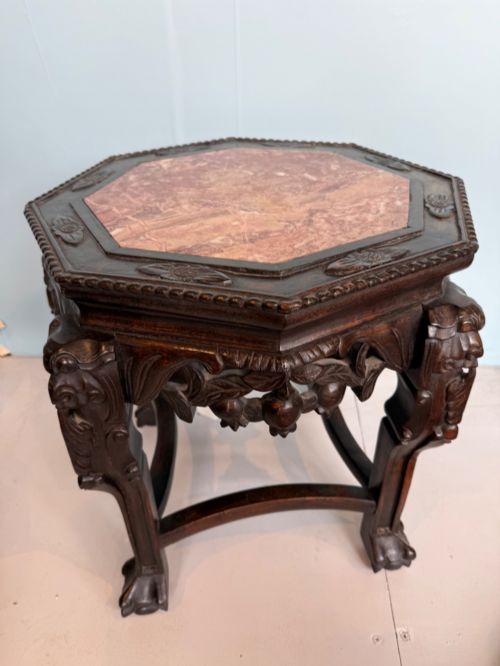
These carved Chinese plant stands bring heavy timber, inset marble and deep relief carving into domestic rooms.
Carved Chinese Plant Stands
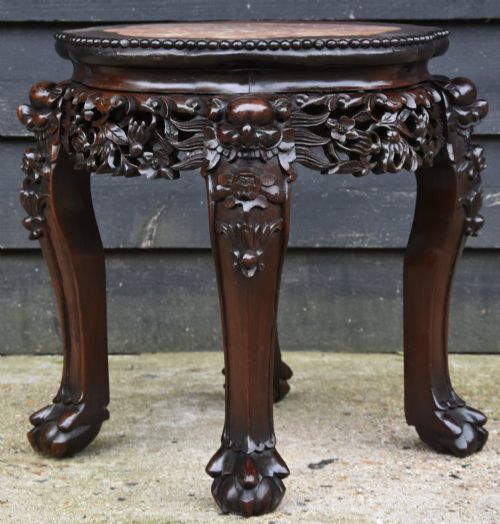
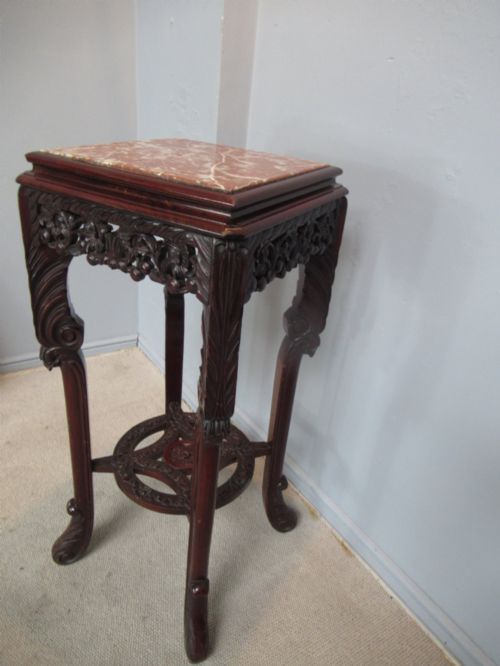
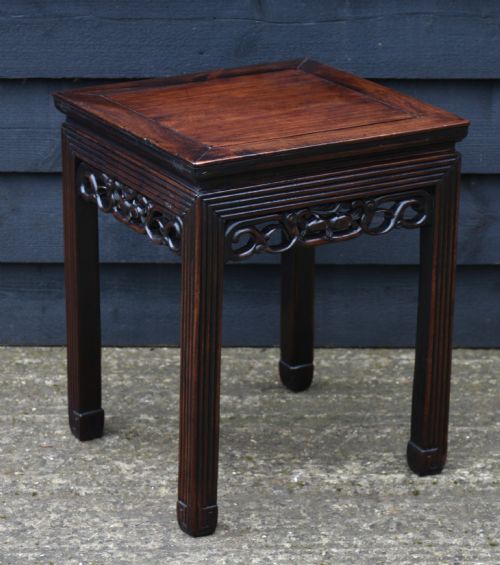
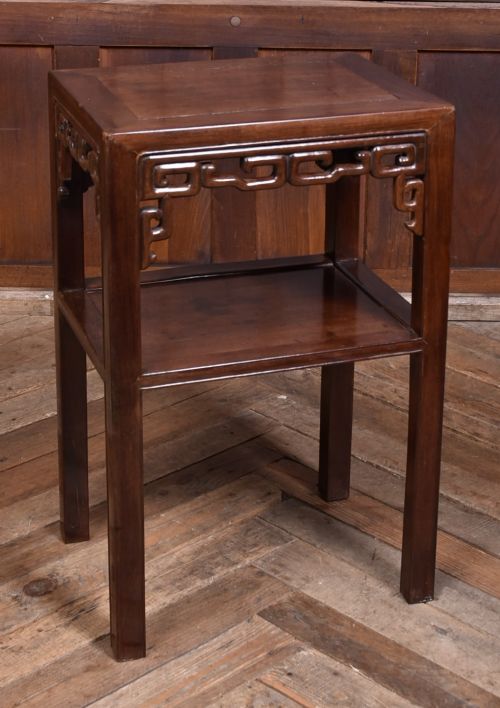
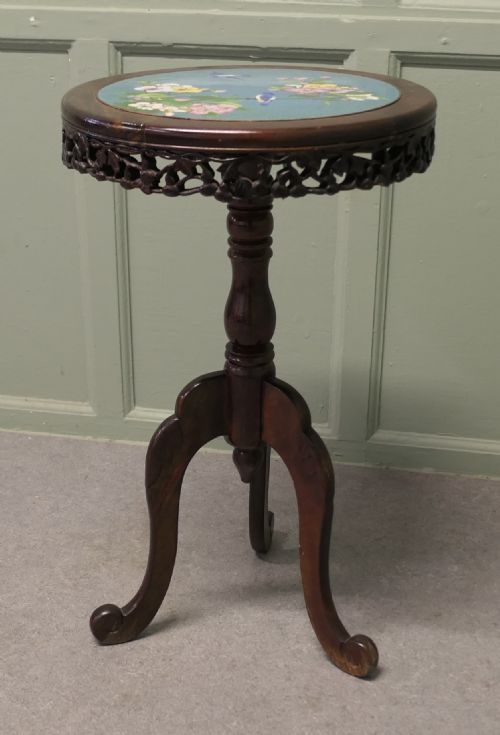
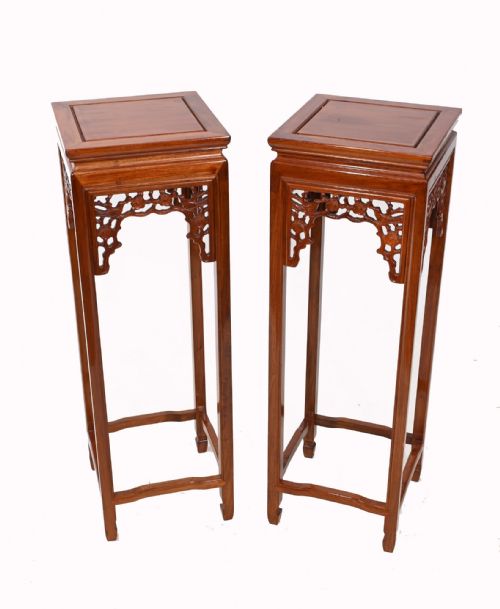
Carved Chinese plant stands encompass low tables, tall pedestals, pot stands and jardiniere supports shaped from dense timbers. They serve to elevate plants, vases or lamps, drawing the eye upward through sculpted aprons and cabriole or straight legs.
The pieces appearing most frequently date from the nineteenth century, including the late nineteenth century and the Qing Dynasty, alongside occasional twentieth century examples. Makers shaped these items for traditional interiors as well as for export markets.
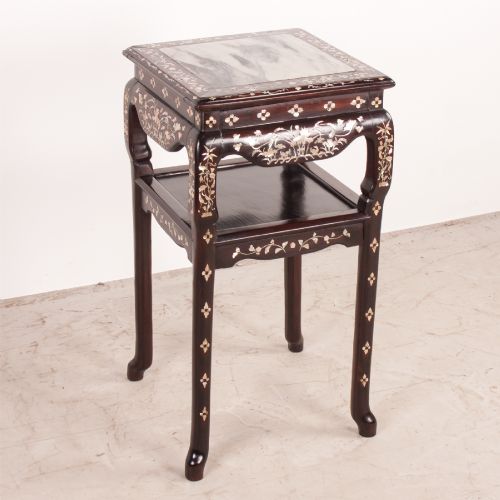
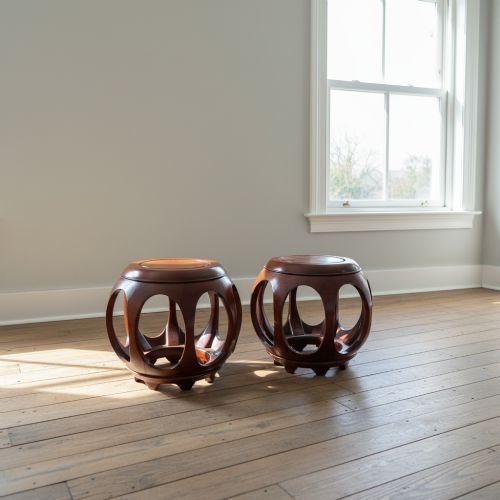
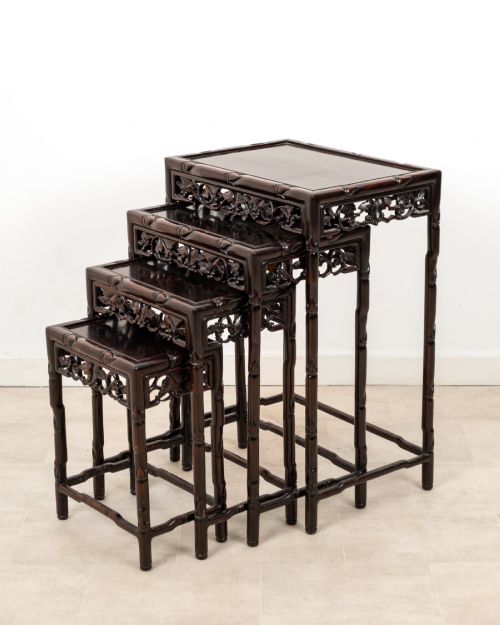
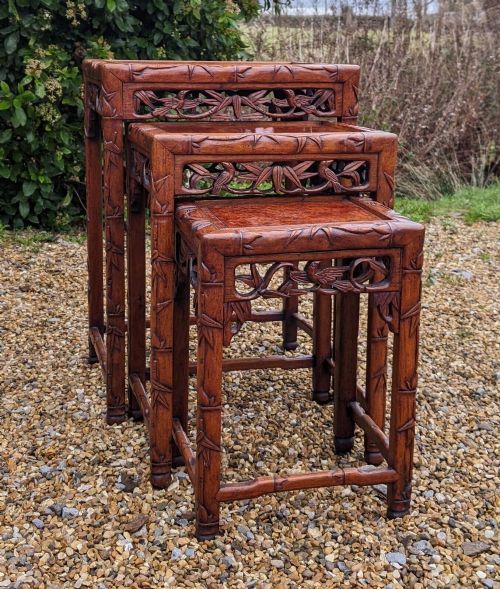
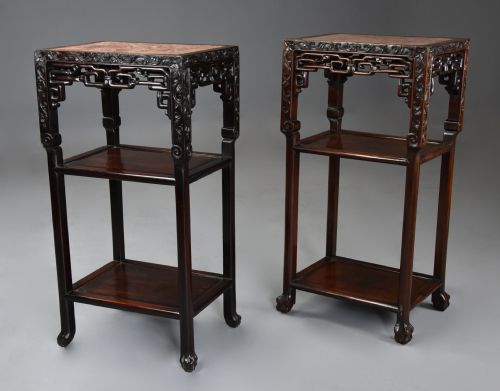
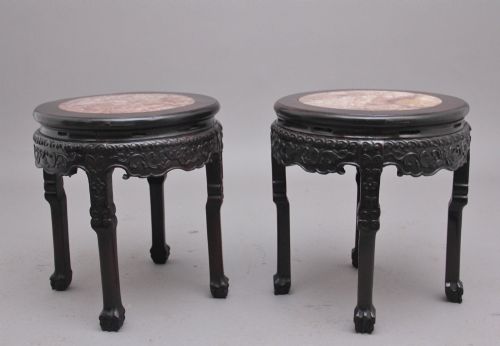
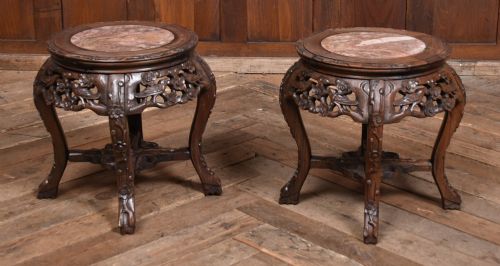
Forms extend beyond simple tall columns to encompass barrel stools, nests of tables, wine tables and low occasional tables. Many incorporate inset marble, quartz or mother of pearl panels at the centre of the top surface.
What varies in quality
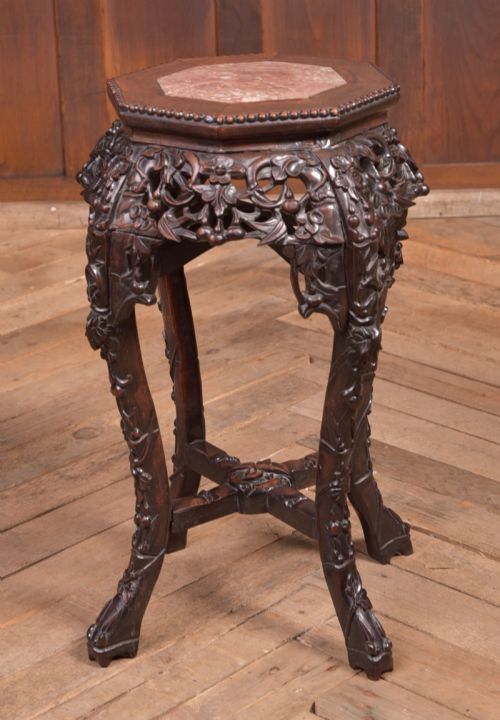
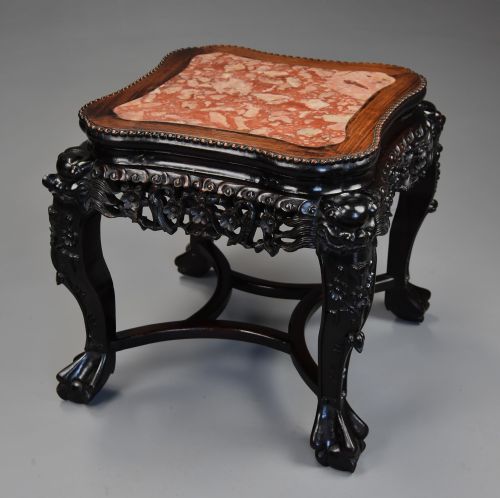
Quality rests in the crispness of the hand carving and the selection of the primary timber. Heavy, well-figured rosewood or padouk with deeply undercut floral or dragon motifs sits above simpler, mechanically finished softwood frameworks.
The integration of the marble or quartz top indicates the standard of production. Tightly fitted stone inserts with natural figuring and smooth polish show higher craftsmanship than loose or poorly matched stone segments.
One unusual rootwood table includes a deep quartz top instead of the usual timber or marble.
The Carved Chinese Plant Stands Glossary
- Jardiniere stand
- A tall or low table specifically designed to support a heavy ceramic plant pot or flower bowl. These often feature water-resistant stone or marble tops.
- Hongmu
- A category of dense, dark Chinese hardwoods prized for furniture making, encompassing dense timbers like rosewood and padouk. It translates directly to red wood.
- Torchère
- A tall freestanding pedestal or stand originally intended to hold a candle or torch, later adapted for lamps and tall vases. The form is slender and raised on long legs.
- Mother of pearl
- An iridescent internal layer of shells used extensively for inlay work on Chinese tables. Artisans cut thin pieces to form floral or geometric patterns set into the wood.
Carved Chinese Plant Stands: Frequently Asked Questions
What is the difference between a plant stand and a jardiniere stand?
A plant stand generally refers to any tall or low pedestal designed to display vegetation or decorative objects. A jardiniere stand specifically accommodates a heavy planter and usually incorporates a marble or stone inset to handle moisture.
Both forms share similar carved frames and dense hardwood construction. The distinction often lies purely in the original intended vessel placed upon the top surface.
How do I date a nineteenth century Chinese stand?
Dating relies on timber selection, joinery methods, and the style of the carving. Nineteenth century pieces frequently utilise heavy rosewood or padouk with hand-carved Qing Dynasty motifs.
Later Victorian export pieces may show slight variations in proportion and finish to suit European tastes. Examining the wear on the wood and the fit of any marble inset helps confirm the period.
Can these stands support heavy table lamps?
These pieces are built from dense hardwoods designed to bear considerable weight, such as large ceramic vases and marble bowls. A standard table lamp is well within their structural capacity.
The solid construction of the legs and reinforced aprons provide stability for daily use. Care should simply be taken to protect the polished wood or marble surface from direct heat or moisture.
Why do many stands have marble tops?
Marble inserts were utilised to provide a stable, cool and moisture-resistant surface for heavy ceramic pots and plants. This prevented water damage to the surrounding timber frame during watering.
The smooth stone also created a visual contrast against the dark, heavily carved rosewood or hardwood structure. Variegated rouge and grey marble varieties are particularly common in the nineteenth century items.