


Oriental Silk Carpet
An oriental silk carpet brings centuries of regional textile tradition into a room through intricate pile work and regional designs.
Oriental Silk Carpet
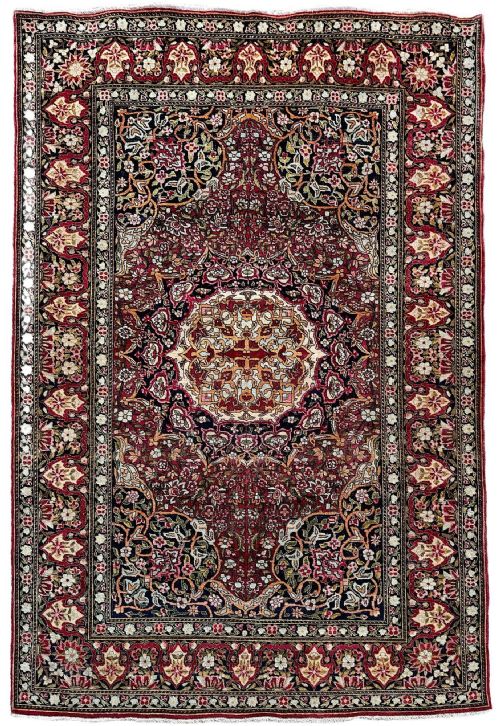
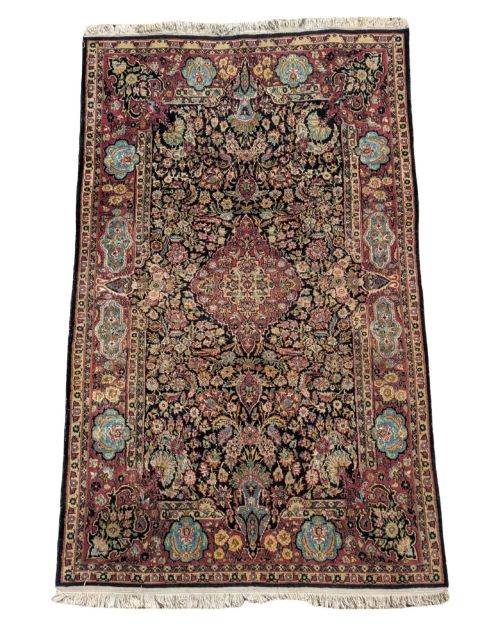
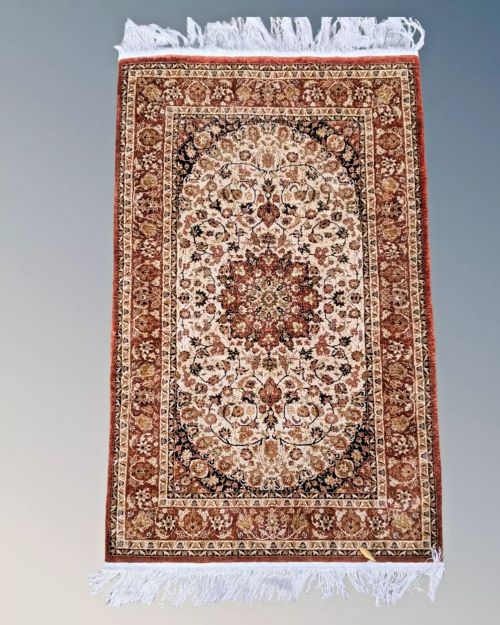
An oriental silk carpet encompasses floor coverings and wall art produced across Persia, Turkey, Central Asia, India, and China. When searching for an oriental silk carpet, buyers encounter woven pieces originating from workshops and nomadic groups dating from the nineteenth and early twentieth centuries.
Many examples combine silk pile with cotton foundations, wool highlights, or art silk materials. Traditional Persian and Turkish designs dominate the selection, alongside East Turkestan and Turkmen pieces.
How they were made
Weavers construct these textiles using fine knots tied on foundations of silk, cotton, or wool. Materials include pure silk, floss silk, lambswool, and mercerised cotton to create varied texture and sheen.
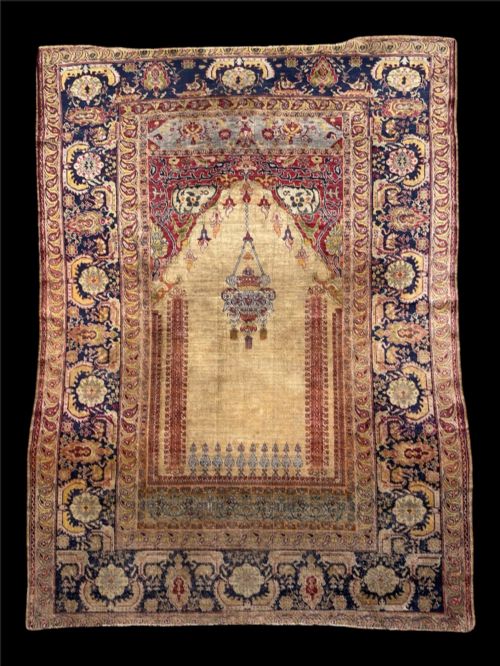
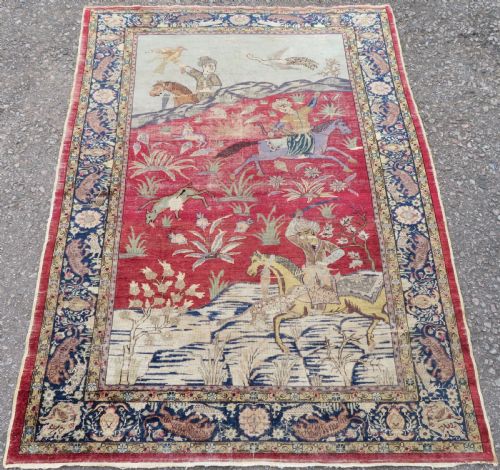
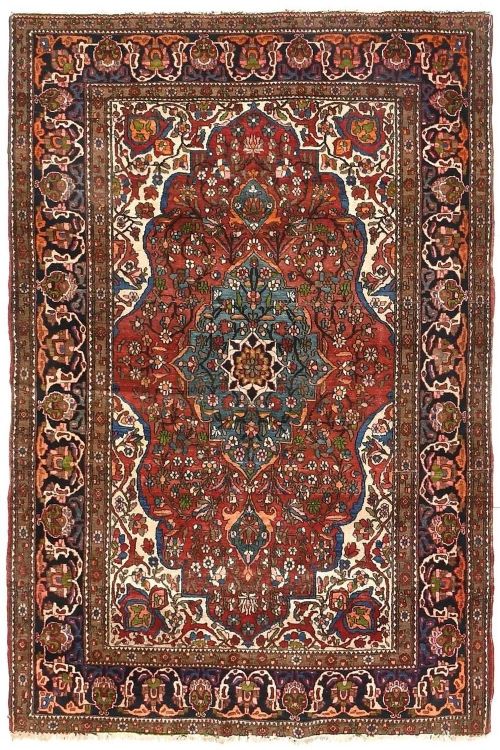
Certain carpets utilise wool with silk highlights or feature art silk in repeat floral and medallion patterns. Individual pieces incorporate specialised techniques such as prayer arches, tile patterns, and pictorial weaving.
Materials recorded across the selection include pure silk, cotton, wool, art silk, mercerised cotton, lambswool, and floss silk.
What varies in quality
Knot density and foundation materials determine the structural refinement of each piece. Finer weaves on pure silk foundations allow for intricate pictorial detail and complex medallion layouts.
The choice of materials, from floss silk to standard silk pile with cotton warps, influences how the surface reflects light and holds colour over decades.
The Oriental Silk Carpet Glossary
- Foundation
- The underlying grid of warp and weft threads that supports the pile knots. In many pieces, this consists of cotton or silk.
- Pile
- The vertical surface loops or cut threads that form the plush texture and visual design of the carpet. This layer utilises silk, wool, or art silk.
- Prayer Rug
- A smaller format rug featuring a mihrab or arch design traditionally oriented toward Mecca during daily prayers. These often display specialised Kayseri or Ghiordes patterns.
- Medallion
- A central ornamental motif placed in the middle of the carpet field. This design element appears frequently in Persian Isfahan and Kashan carpets.
- Pictorial Rug
- A textile depicting figures, hunting scenes, or animals rather than geometric or floral repeats. These detailed works sometimes function as framed wall art.
Oriental Silk Carpet: Frequently Asked Questions
How do I care for an oriental silk carpet?
Keep the textile out of direct sunlight to prevent colour fading over time. Professional specialist cleaning is necessary to protect delicate silk fibres and foundations.
Vacuum gently using suction-only attachments without rotating brush bars. Avoid placing heavy furniture directly on delicate prayer rugs or pictorial wall art.
Where were these carpets made?
Production centres span across Persia, Turkey, Central Asia, India, and China. Major weaving towns include Isfahan, Qum, Kashan, Kayseri, and Hereke.
Nomadic groups and regional workshops also produced distinct styles such as Khotan, Tekke, and Saryk pieces.
What is the difference between silk and art silk?
True silk is a natural protein fibre spun by silkworms, providing authentic sheen and durability. Art silk refers to artificial substitutes such as mercerised cotton or synthetic rayon.
Listings specify whether a piece contains pure silk, silk highlights, wool on silk, or art silk materials.
Can these carpets be hung on walls?
Smaller formats and pictorial pieces are suited for wall display. Framed miniature rugs and wall art protect delicate textiles from floor traffic.
Ensure mounting weight distributes evenly across the foundation to prevent stretching the warp threads.