





Oriental Porcelain Jar Pair
These oriental porcelain jar pair examples bring balanced symmetry and intricate hand-painted detail to a room, offering both decorative presence and historical depth.
Oriental Porcelain Jar Pair
An oriental porcelain jar pair consists of matching decorative vessels originating from Chinese and Japanese traditions, spanning centuries of kiln production. Buyers searching this phrase look for symmetrical pairs of lidded vessels, ginger jars, and floor vases designed to create visual balance on mantlepieces, tables, or furniture.
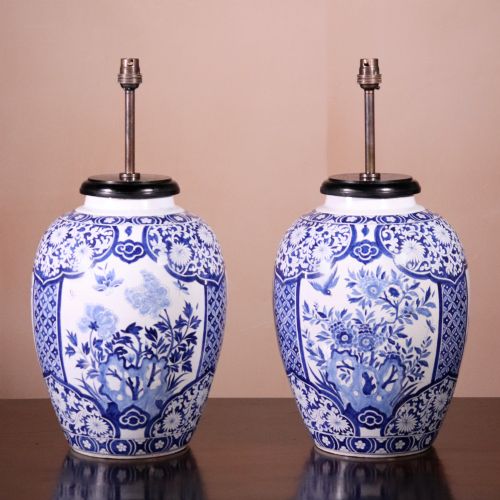
The selections encountered on this page date predominantly from the nineteenth century, including Victorian periods, alongside earlier seventeenth-century pieces and later twentieth-century examples. Forms range from traditional ginger jars and baluster vases to double gourd shapes and converted table lamps mounted with ormolu or brass.
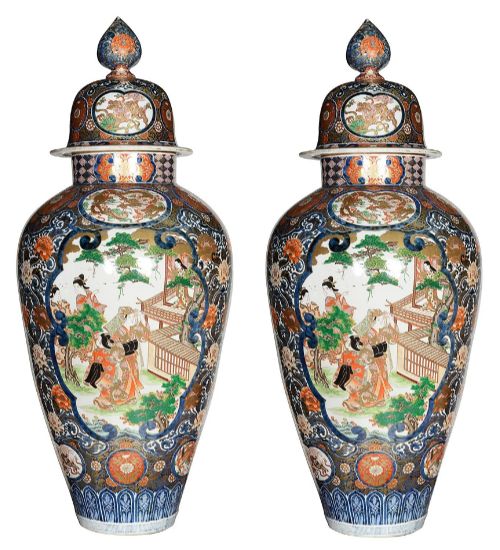
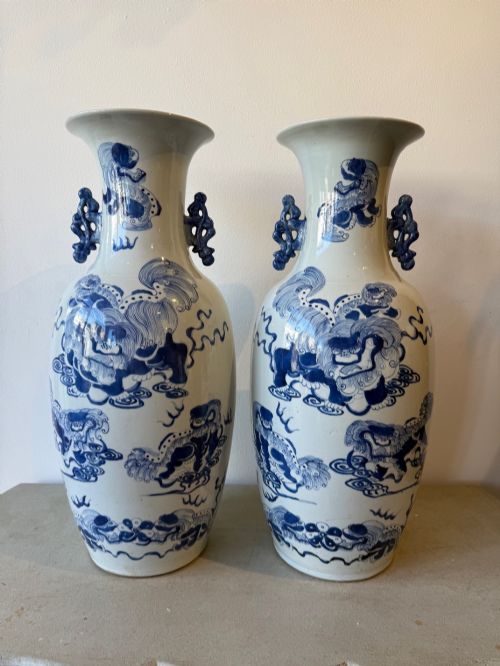
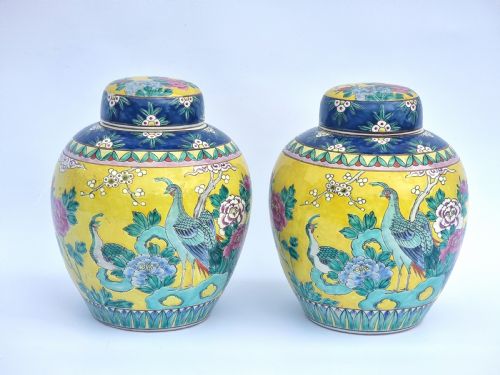
Origins represented in the listings bridge various distinct cultural aesthetics, notably Japanese Imari, Satsuma, Kutani, and Arita wares, alongside Chinese export, Canton, and Qing dynasty blue and white or famille rose ceramics. Each pair reflects the specific decorative vocabulary and export trade demands of its period of manufacture.
Materials and Construction
Potters formed these vessels from fine porcelain clay, applying mineral glazes such as tea dust, crackleware, and powder blue before high-temperature firing. Many examples incorporate hand-painted polychrome enamels, cobalt blue underglaze, and occasional accents of gold leaf or gilt.
Lidded jars and vases frequently utilise supplementary materials for mounts and fittings, including brass, wood, and ormolu. Certain pieces adapted as lamps integrate fabric shades while retaining the original ceramic body.
Some jars have lived dual lives, holding ginger centuries ago before glowing quietly as Victorian bedside lamps.
Distinctions in Quality
Quality rests upon the precision and complexity of the hand-painted brushwork, where finer pieces display intricate floral and figural details executed with high control. The richness of the enamel palette and the crispness of the porcelain body further separate standard export items from exceptional specimens.
The integrity of matching pairs and the survival of original matching covers dictate desirability. Alterations such as conversions into lamps or the inclusion of later mounts influence how closely a pair aligns with its original production state.
Samson
The Oriental Porcelain Jar Pair Glossary
- Imari
- A style of Japanese porcelain decorated in underglaze blue, iron red, and gold, named after the port from which it was shipped to Europe. This aesthetic became highly popular during the export period.
- Famille Rose
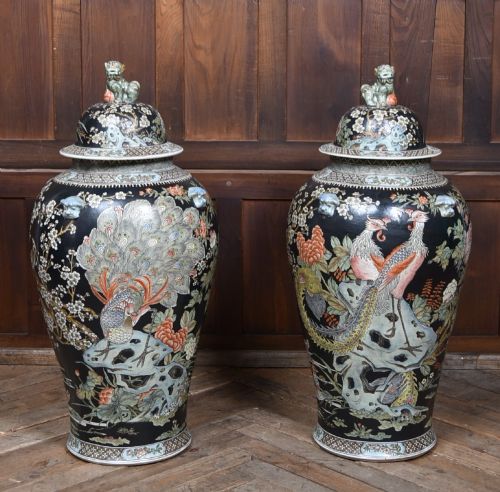
- A major palette of Chinese ceramic glazes introduced in the Qing dynasty, distinguished by opaque pink or rose enamel colours. The style often depicts detailed figures, birds, and botanical motifs.
- Ginger Jar
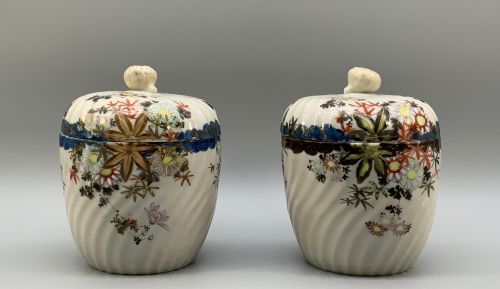
- A wide-mouthed, globular storage jar originating in ancient China, frequently produced in pairs for decorative display. They typically feature domed lids and blue and white or polychrome decoration.
- Kutani
- Japanese coloured porcelain originating from the Kaga province, known for bold designs and extensive use of gold overglaze. Pieces often showcase narrative scenes or dense floral patterns.
- Crackware
- A ceramic glaze characterised by a network of deliberate network cracks or crazing across the surface. This technique was developed in traditional Chinese kilns to create texture.
Oriental Porcelain Jar Pair: Frequently Asked Questions
What were oriental porcelain jars used for originally?
Historically, lidded jars and ginger vessels served practical functions for storing spices, tea, and herbs within Asian households. Export production later shifted toward purely decorative uses for Western interiors.
Pairs were specifically manufactured to stand symmetrically on furniture, mantelpieces, or large pedestals to create formal balance in a room.
How do you date an antique porcelain jar pair?
Dating relies on examining the characteristics of the porcelain body, the composition of the glazes, and the style of the hand-painted motifs. Nineteenth-century pieces often display specific export characteristics distinct from earlier seventeenth-century Arita wares or later twentieth-century items.
Base marks, where present, alongside secondary mounting materials like ormolu or brass, provide further clues to the manufacturing era.
Are converted lamp jars still valuable?
Many nineteenth-century jars and vases were fitted as table lamps during past decades, utilising the original ceramic bodies without permanent structural damage. Collectors often evaluate these based on the preservation of the painted surface and the quality of the metal mounts.
While some buyers prefer untouched lidded jars, converted lamps represent a recognised historical phase of domestic use.
How do Imari and Kutani styles differ?
Imari porcelain is characterised by a distinct colour scheme featuring underglaze cobalt blue combined with iron red and gold highlights, usually produced in Japan for export. The designs often incorporate geometric panels and floral arrangements.
Kutani ware typically employs a broader, bolder enamel palette with heavier application of gold, frequently focusing on pictorial scenes and intricate narrative compositions.