




Oriental Porcelain Figurine
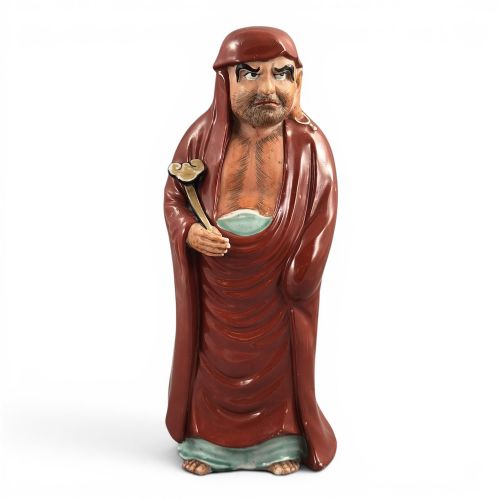
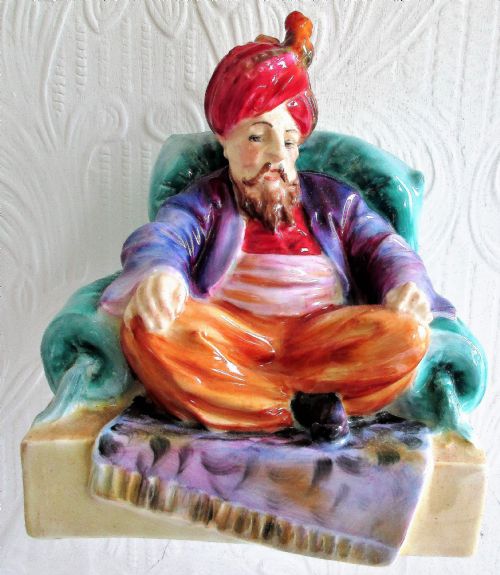
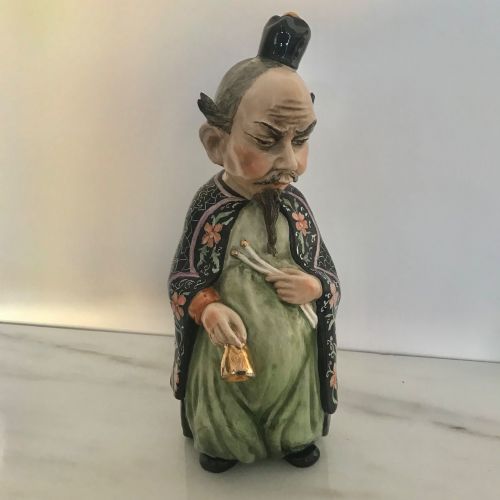
These pieces of oriental porcelain figurine span decades of detailed work from Chinese and Japanese kilns, bringing mythical figures and animals into your home.
Oriental Porcelain Figurine
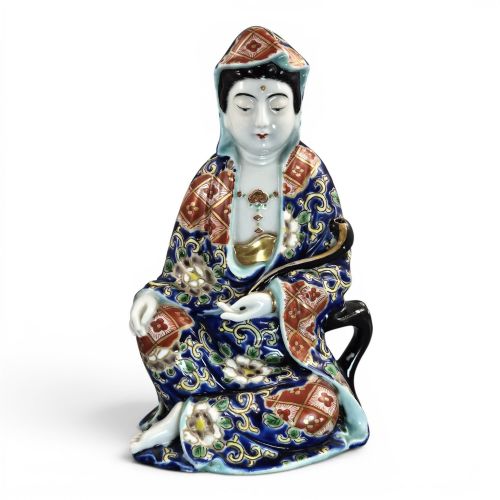
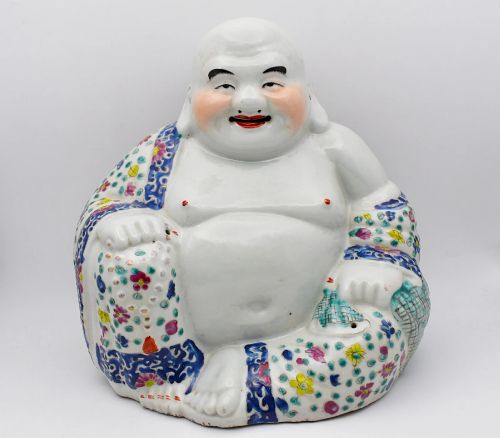
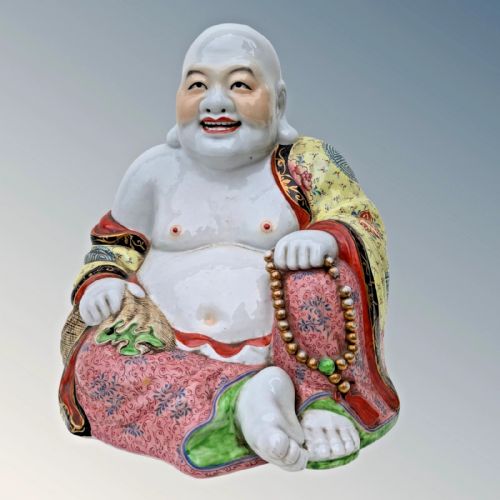
An oriental porcelain figurine captures deities, courtesans, and animals in glazed ceramic, originating primarily from Chinese and Japanese workshops across the nineteenth and early twentieth centuries. You will frequently encounter figures such as Kannon, Budai, and guardian lions rendered in specific regional styles like Kutani, Satsuma, and Hirado.
The selection ranges from small earthenware incense holders and intricate Okimono to large decorative figures and pairs of ducks or cockerels. Pieces stretch from the Qing Dynasty and Edo period through the Meiji and Edwardian eras, reflecting traditional craftsmanship from distinct Asian ceramic centres.
Materials and technique
Potters shaped fine porcelain, earthenware, and ceramic bodies before applying detailed hand-painted enamels, turquoise glazes, and touches of gold leaf. Sancai glazes and famille rose palettes dominate the colour work on these figures, fixed by high-temperature firing in traditional kilns.
Makers utilised specialised moulding and sculpting techniques, seen in the smooth white finish of Blanc de Chine or the complex patterning of Kutani and Satsuma wares. Fine brushwork defines facial expressions, robes, and feathers on both human subjects and animal studies.
A porcelain frog occasionally peers from beneath a lotus leaf, reminding us that ceramic sculptors loved small, hidden jokes.
Assessing the craftsmanship
The depth and richness of enamel colours, alongside the careful application of gold leaf, dictate the visual weight of a figure. Pieces from renowned kilns or specific makers exhibit superior balance and anatomical proportion.
Zhu Mao Ji·Makuzu Kozan II·Royal Doulton·Royal Dux
The Oriental Porcelain Figurine Glossary
- Okimono
- A Japanese decorative statue or ornament intended for display in a traditional interior setting. These carved or modelled pieces often depict deities, historical figures, or animals.
- Famille Rose
- A major Chinese ceramic palette introduced in the Qing Dynasty, characterised by opaque pink or rose enamel colours. This technique allowed for softer tonal gradations in floral and figural decoration.
- Satsuma
- Japanese pottery featuring a crackle ivory glaze decorated with polychrome enamels and gilding. Originating in Kagoshima province, it became widely produced for export during the Meiji period.
- Kutani
- Japanese porcelain and pottery from Ishikawa prefecture known for bold, colourful designs. Pieces often incorporate rich reds, greens, and gold leaf in intricate patterns.
- Blanc de Chine
- A type of white porcelain made at Dehua in Fujian province, China, featuring a clear glaze that merges with the white body. It is particularly famous for figures of Guanyin.
Oriental Porcelain Figurine: Frequently Asked Questions
How do I identify Satsuma ware?
Satsuma pieces are generally recognised by their distinctive ivory-coloured earthenware body covered in a fine, microscopic crackle glaze. They are heavily decorated with detailed enamel work and raised gold.
Most examples found today date from the Meiji period when these decorative items were produced in large quantities for international export.
Who is Guanyin in these figures?
Guanyin is the Goddess of Mercy in Chinese Buddhism, frequently depicted seated, standing on a fish basket, or riding a shishi lion. These figures symbolise compassion and protection.
Artisans rendered her in various styles, from smooth white Blanc de Chine porcelain to brightly enamelled famille rose ceramics.
Where were Hirado figures made?
Hirado porcelain was produced in the Mikawachi kilns in Hizen province, Japan, historically patronised by the feudal lords of Hirado. These pieces are celebrated for their fine-grained white body and delicate sculptural detail.
Common subjects include recumbent horses, guardian lion dogs, and groups of playful puppies executed with high technical precision.