




Hand Painted Kutani Ware
Hand painted kutani ware brings vibrant Japanese ceramics into a room, offering intricate porcelain painted with rich enamels and gold leaf.
Hand Painted Kutani Ware
When you search for hand painted kutani ware, you encounter a distinct group of Japanese ceramics spanning the nineteenth century, the Edwardian era, and the Taisho period. These pieces originate primarily from the Meiji period and showcase traditional Japanese craftsmanship through various functional and decorative forms.
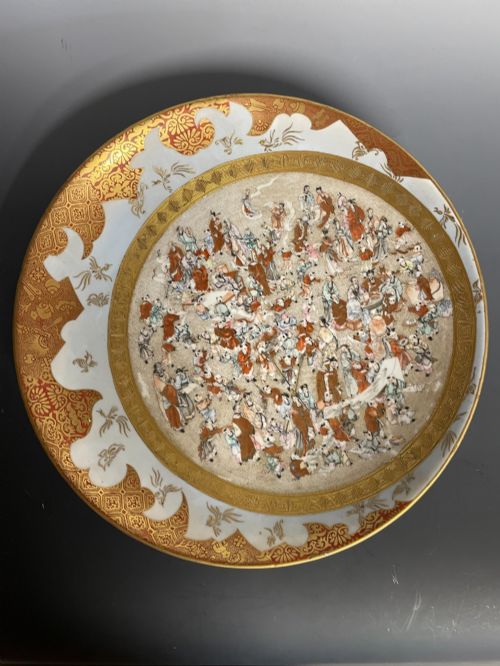
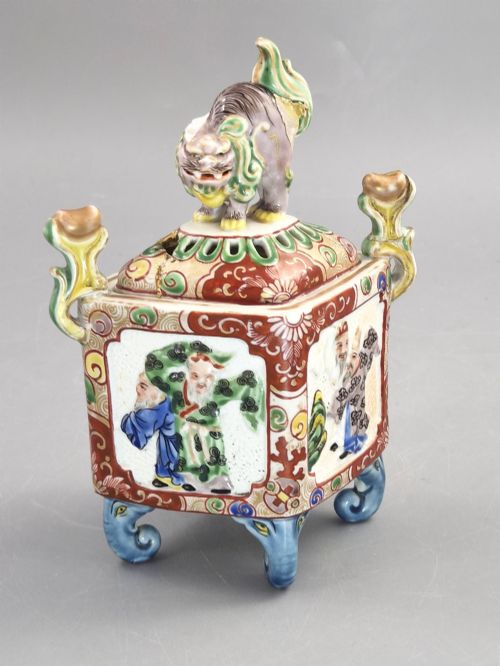
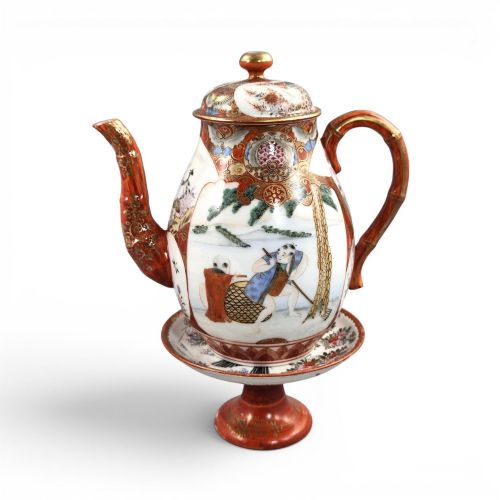
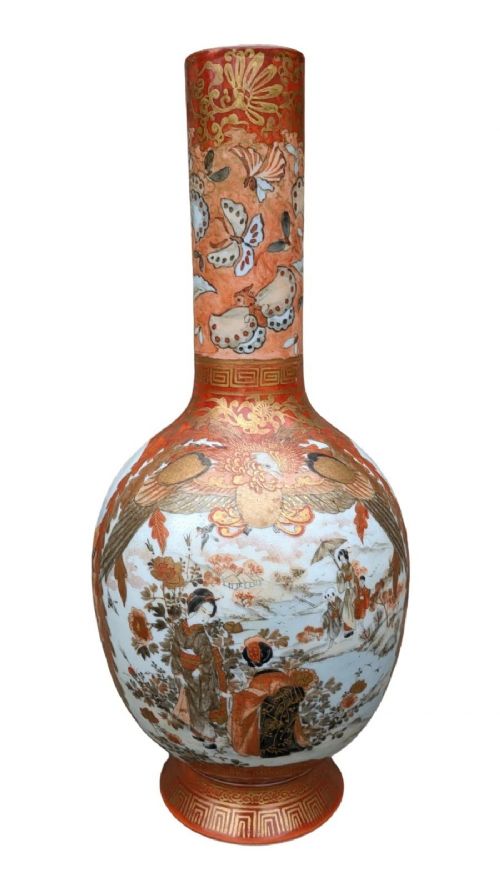
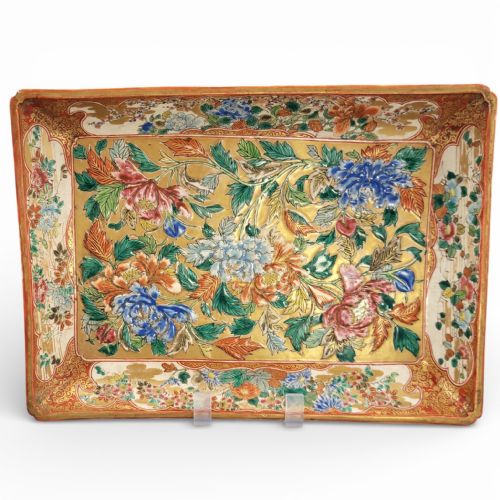
The objects available include vases, decorative dishes, bowls, platters, ginger jars, teapots, incense burners, and figural sculptures. Among these, vases and decorative dishes appear most frequently on this page, often representing distinct styles of Japanese export production.
How hand painted kutani ware was made
The foundation of these objects is porcelain, shaped into vessels, plates, and figures before receiving painted decoration. Artisans utilised enamel paints to create detailed scenes and motifs across the ceramic surface.
Gold leaf and gilding provide metallic accents that define the aesthetic of these pieces. This gold work highlights specific details on platters, vases, and bowls, complementing the polychrome enamels.
Listings feature porcelain pieces spanning the nineteenth century, Edwardian era, and Taisho period, created using enamel and gold leaf.
What varies in quality
The distinction between standard examples and the top of the range rests on the precision of the hand painting and the complexity of the composition. Finer pieces demonstrate superior brushwork in the enamel and more deliberate application of gold leaf.
The Hand Painted Kutani Ware Glossary
- Porcelain
- A hard, fine-grained ceramic material fired at high temperatures. It serves as the primary body for these Japanese wares.
- Enamel
- Vitreous coloured glass applied to the ceramic surface as paint. It provides the vibrant palette seen across these items.
- Gilding
- The application of gold leaf or gold paint to highlight details. This technique adds metallic contrast to the painted designs.
- Okimono
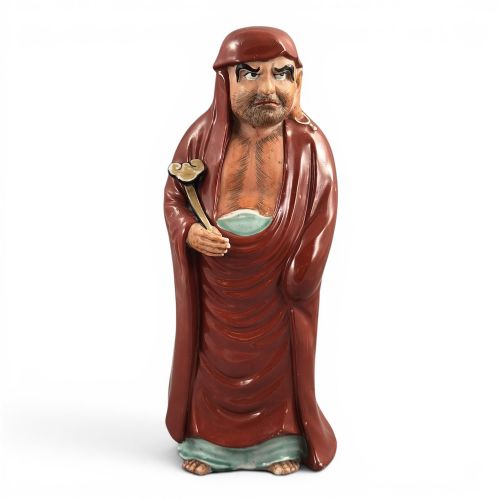
- A Japanese decorative figurine intended for display in a room. These carved or moulded porcelain sculptures depict figures like Bodhidharma and Jurojin.
- Koro
- A traditional Japanese incense burner. These vessels often feature three or more feet and a pierced cover for releasing smoke.
- Shoza style
- A specific decorative approach associated with Kutani production. It combines dense polychrome enamel work with extensive gold gilding.
Hand Painted Kutani Ware: Frequently Asked Questions
What is hand painted kutani ware?
Hand painted kutani ware refers to Japanese porcelain objects decorated with colourful enamels and gold leaf. The pieces range from large vases and ginger jars to small miniature bowls and decorative dishes.
Production spans the nineteenth century through the Taisho period, with a strong representation from the Meiji period. These items were created for both domestic use and export.
How do I identify Meiji period pieces?
Meiji period items date from the late nineteenth to the early twentieth century, aligning with the reign of the Meiji Emperor. The listings often attribute specific vases, dishes, and incense burners to this era based on their decorative style.
Look for intricate enamel work combined with gold gilding, which characterises much of the output from this timeframe. The presence of specific maker references or traditional motifs also aids in period identification.
What forms do these ceramics take?
The category includes a wide variety of functional and decorative vessel forms, alongside sculptural figures. Vases, teapots, ginger jars, and shallow bowls represent the most common vessel types.
Figurines depict cultural and religious subjects, including deities of longevity and mercy. Incense burners, known as koro, provide more complex forms featuring specialised feet and finials.
How should I display kutani ware?
Display these ceramics in spaces where their detailed enamel painting and gold leaf can catch adequate light. Vases and platters work well on sturdy surfaces or within cabinets that protect them from accidental bumps.
Pairing matching pairs of vases or placing miniature bowls together creates a balanced visual arrangement. Ensure the setting complements the vibrant polychrome palette without competing with the intricate surface patterns.