


Oriental Porcelain Collection
An oriental porcelain collection brings together centuries of decorative plates, vases and bowls created in distinct Far Eastern and European traditions.
Oriental Porcelain Collection
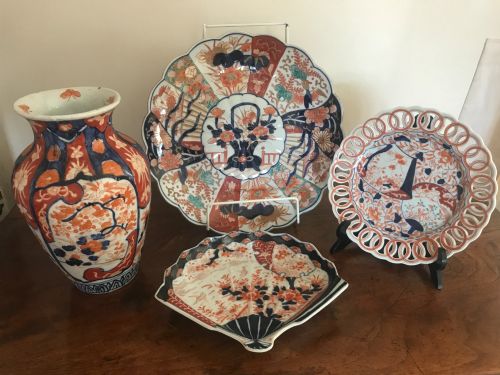
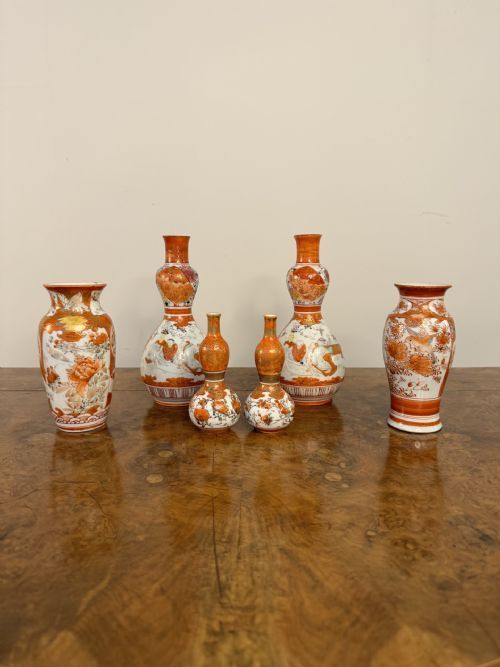
When you search for an oriental porcelain collection, you encounter an array of decorative plates, vases, chargers, bowls, tea caddies and figures spanning several eras. These groups often gather together matching or complementary items such as Japanese Imari plates or Kutani shaped vases formed during the Meiji period and around 1900.
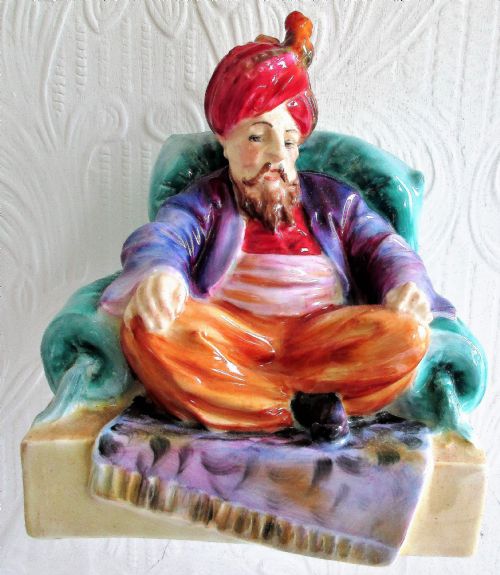
The objects within an oriental porcelain collection range from Chinese export wares and Famille Verte chargers marked Kangxi to English porcelain figurines and Hungarian handpainted tea caddies. Most pieces visible here lean heavily towards Japanese Imari pottery produced around 1900, alongside 18th century Chinese porcelain and early 20th century European interpretations.
How they were made
The creation of these ceramics relies upon refined clay and specialised glaze techniques fired at high temperatures to achieve a durable porcelain body. Overglaze enamels and gold leaf are frequently applied to the finished white ceramic surface to build intricate polychrome patterns.
Many of the Japanese Imari and Kutani items utilise traditional handpainted methods where vibrant cobalt blue and iron red pigments dominate beneath or above the glaze. Artisans also employed specialised ceramic glazes and gold detailing to accentuate the moulded contours of vases, chargers and dishes.
Materials recorded across the inventory include enamel, gold leaf, ceramic glaze, and porcelain.
What varies in quality
The standard of an oriental porcelain collection is determined by the precision of the handpainted brushwork and the clarity of the enamel colours. Pieces that display crisp detailing in the gold leaf and well-defined motifs represent a higher tier of craftsmanship than simpler, less refined outputs.
Another factor is the complexity of the form and the preservation of the glaze across the ceramic body. Vases and plates with careful application of overglaze enamels and minimal surface wear demonstrate superior production values from their respective periods.
Royal Doulton·Herend·Bluett and Sons
The Oriental Porcelain Collection Glossary
- Imari
- A style of Japanese porcelain decorated in underglaze blue, iron red, and gold, originating from the town of Arita. These wares were heavily exported to Europe from the Edo period onwards.
- Famille Verte
- A Chinese porcelain palette characterised by a green enamel predominance, developed during the Qing dynasty. It utilises various overglaze enamels to create pictorial scenes.
- Kutani
- Japanese coloured porcelain associated with Ishikawa prefecture, noted for bold designs and rich pictorial imagery. These pieces often feature shaped bodies and intricate borders.
- Overglaze enamels
- Coloured glass compounds applied to the already fired and glazed ceramic surface, then fixed with a lower temperature second firing. This technique allows for a rich variety of hues on plates and vases.
- Tea caddy
- A small jar or container designed for storing loose tea leaves, often fitted with a lid. Examples in ceramic frequently feature handpainted floral or dynastic motifs.
Oriental Porcelain Collection: Frequently Asked Questions
What is Japanese Imari porcelain?
Japanese Imari refers to wares produced in Arita and exported through the port of Imari, easily recognised by a distinct palette of blue, red, and gold.
These pieces were collected enthusiastically across Europe and remain central to many traditional ceramic groupings.
How do I care for antique porcelain?
Antique porcelain requires gentle hand washing in lukewarm water with mild soap, avoiding abrasive sponges or harsh chemical detergents.
Display them securely away from edge hazards to protect the delicate glazes and gold leaf decoration.
What is the difference between Imari and Kutani?
Imari wares traditionally rely on a specific combination of underglaze cobalt blue and iron red highlights, often enhanced with gold.
Kutani ceramics typically showcase a broader and more pictorial range of enamel colours, frequently created during the Meiji period.
Are these pieces handpainted?
Many items within these collections feature handpainted details applied over the fired ceramic glaze using polychrome enamels.
This manual application gives each plate, vase, or dish subtle variations in brushwork and tone.