



Oriental Porcelain Centrepiece Bowl
These oriental porcelain centrepiece bowls bring centuries of hand-painted artistry, vibrant enamel, and striking presence to any dining table or hall.
Oriental Porcelain Centrepiece Bowl
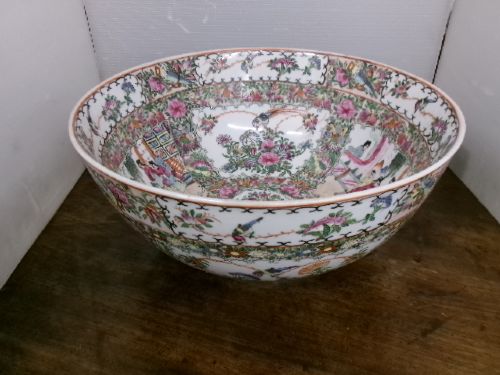
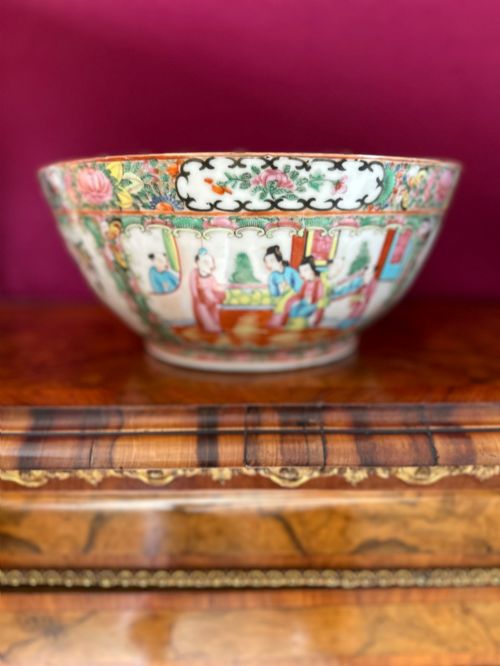
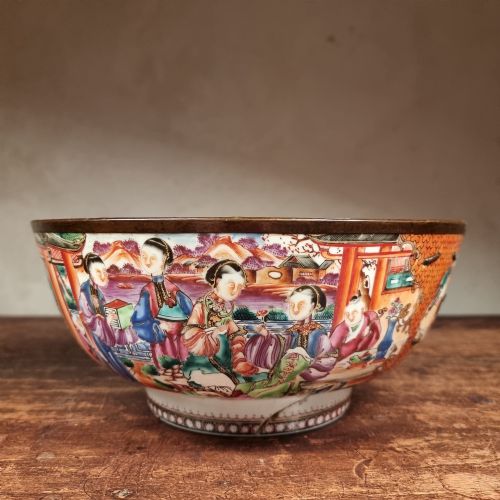
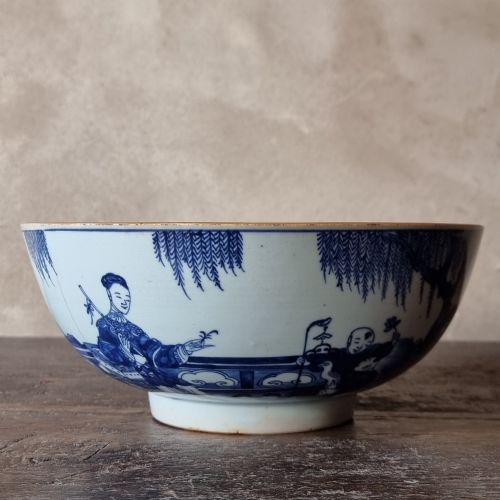
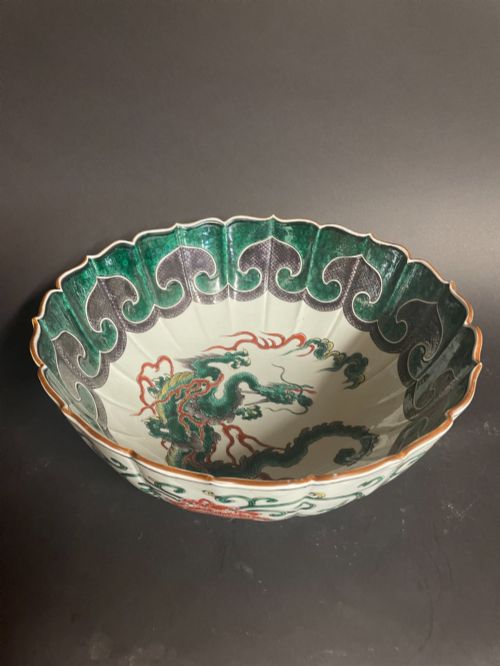
An oriental porcelain centrepiece bowl gathers centuries of ceramic tradition from Chinese and Japanese kilns, spanning the eighteenth, nineteenth, and early twentieth centuries. These vessels arrive in forms ranging from deep punch bowls and decorative baskets to expansive footed bowls designed to command attention in the middle of a room.
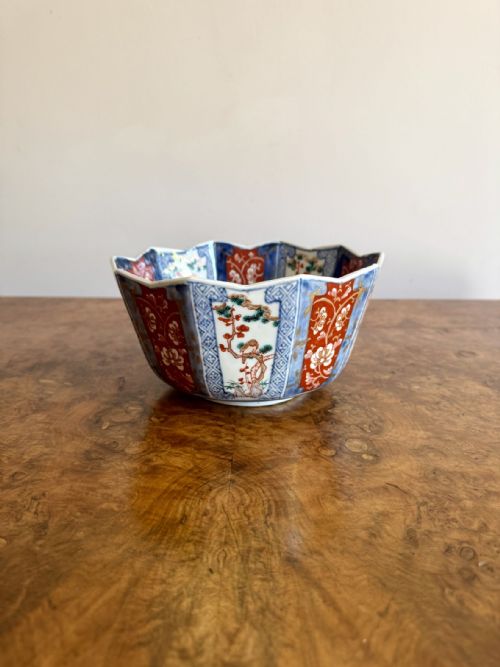
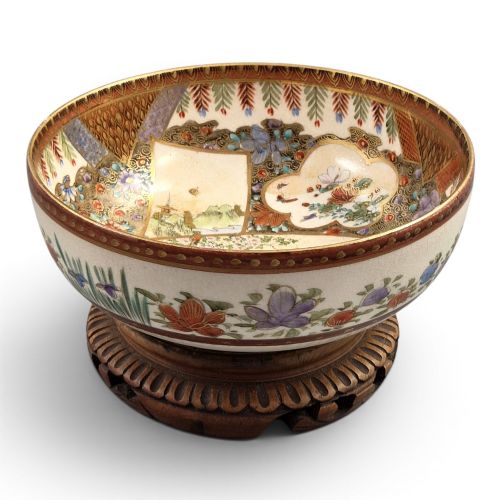
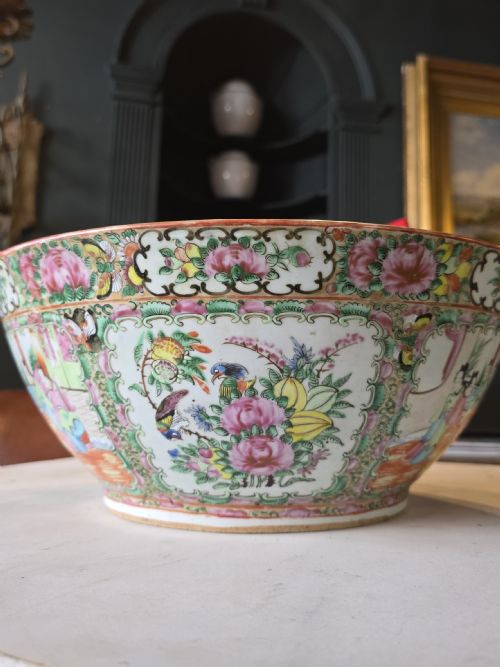
The pieces on this page lean heavily toward nineteenth-century production, alongside notable eighteenth-century punch bowls and turn-of-the-century creations from the Meiji period. Buyers encounter robust Chinese Canton wares alongside richly patterned Japanese Imari and Satsuma vessels.
Makers shaped these bowls for display and communal use, resulting in heavy-walled serving pieces and ornate decorative centrepieces that reflect distinct regional tastes and export markets. Each object carries the specific aesthetic weight of its era, from Qing dynasty motifs to Edo and Meiji stylistic shifts.
Materials and techniques
Potters built these bowls from fine porcelain and earthenware bodies, shaping them on wheels or pressing them into moulds before firing at high temperatures. Artisans then applied cobalt underglaze, polychrome enamel paints, and occasional gold leaf highlights to achieve the intricate surface patterns recorded across the listings.
The decoration relies on meticulous hand-painting, often featuring dense floral panels, figurative scenes, and traditional motifs set within coloured enamel borders. Kiln workers fused these pigments during secondary firings, securing the durable glazes and metallic accents that survive across Victorian and earlier examples.
Listings feature eighteenth-century pieces alongside nineteenth-century Chinese Canton, Japanese Imari, and Satsuma porcelain.
Assessing quality
Quality rests in the precision of the hand-painted brushwork, the depth of the cobalt underglaze, and the richness of the enamel and gilt application. Superior bowls display crisp lines, balanced compositions across large surface areas, and careful control during the high-temperature firing process.
The weight of the porcelain body and the complexity of the decorative scheme further separate ordinary production from finer studio or factory pieces. Master artists achieved remarkable detail in complex patterns like Millefleur or pictorial Satsuma scenes, whereas lesser pieces show rushed brushstrokes and simpler repetitive borders.
Kozan·Ryuzan
The Oriental Porcelain Centrepiece Bowl Glossary
- Famille Rose
- A palette of opaque enamel colours dominated by pink or rose hues, widely used on Chinese porcelain from the eighteenth century onward. This style allowed artists to render soft flesh tones and detailed floral petals.
- Imari
- A traditional Japanese style of porcelain featuring a distinctive colour scheme of underglaze blue, iron red, and gold, named after the port of shipment. These wares gained immense popularity in European export markets.
- Satsuma
- A type of earthenware from Japan featuring a crackled ivory glaze and dense polychrome and gilt decoration. Satsuma pieces often depict figures, landscapes, and complex floral arrangements.
- Punch Bowl
- A large, deep bowl historically utilised for mixing and serving alcoholic punch during communal gatherings. Eighteenth-century examples in porcelain remain prized for their generous proportions.
- Cobalt Underglaze
- A blue pigment applied to the raw clay body before glazing and firing, capable of withstanding intense kiln temperatures. It produces the deep blue motifs seen on traditional Chinese and Japanese ceramics.
Oriental Porcelain Centrepiece Bowl: Frequently Asked Questions
How were oriental centrepiece bowls used?
These large bowls served practical functions at grand dining tables, holding punch, fruit, or water for guests.
Over time, many transitioned into pure display objects placed on sideboards or tables to showcase fine craftsmanship.
How do I date an antique bowl?
Dating relies on examining stylistic markers, potting characteristics, and specific enamel palettes associated with periods like the Qing dynasty or Meiji era.
Signatures, base marks, and the wear patterns on the foot rim also offer clues to age.
How do I clean my porcelain bowl?
Dust the surface gently with a soft, dry brush to prevent the accumulation of dirt within intricate enamel crevices.
Avoid abrasive cleaners or soaking pieces with gilt or enamel decoration to protect the fragile surface.
What is the difference between Imari and Satsuma?
Imari wares use hard porcelain bodies decorated with deep blue, iron red, and gold in striking geometric and floral patterns.
Satsuma pieces utilise a softer earthenware body with a fine crackle glaze, carrying detailed pictorial scenes painted in polychrome and gold.