







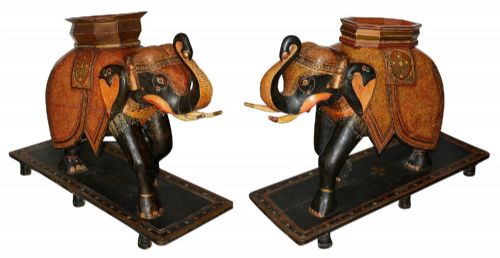
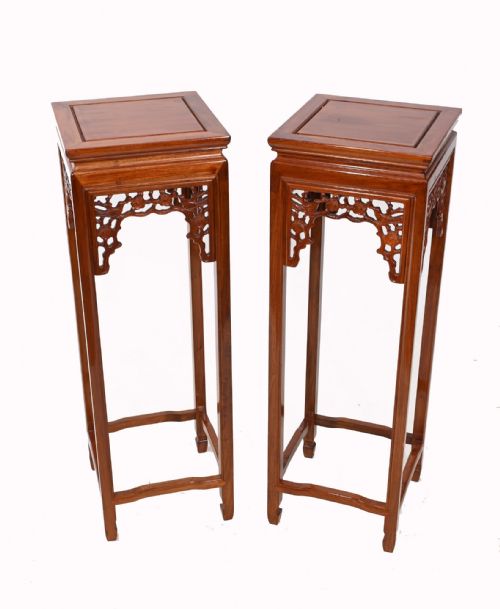


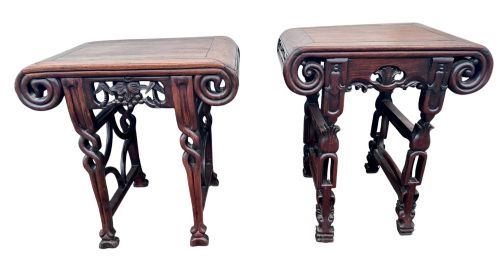

Oriental Plant Pedestal
An oriental plant pedestal raises a heavy ceramic pot or bronze vessel to catch the light in a hallway or parlour.
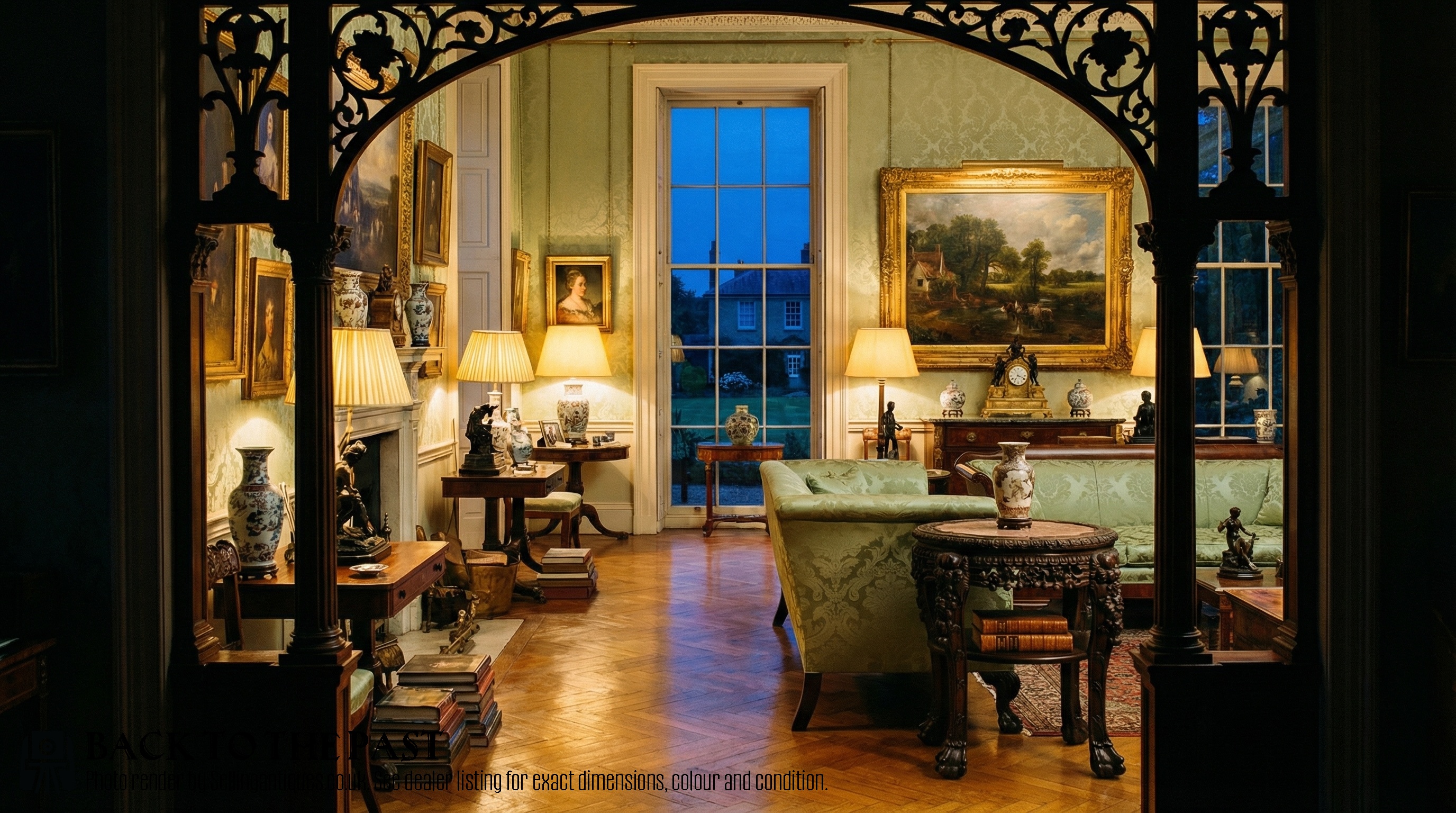
Oriental Plant Pedestal
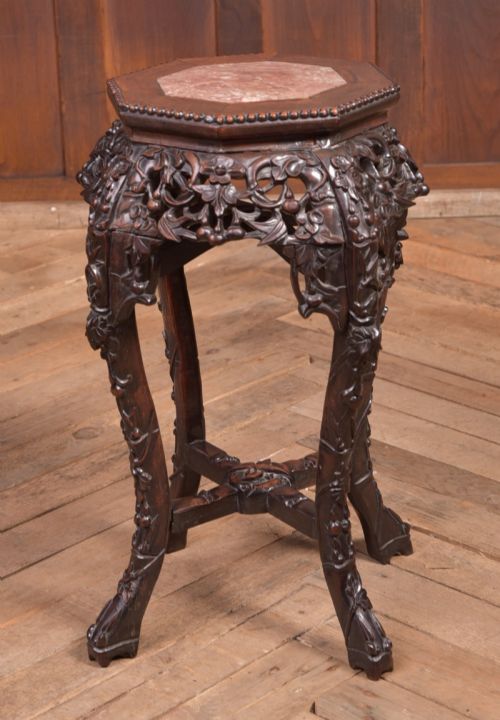
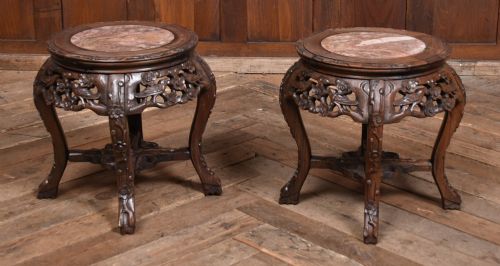
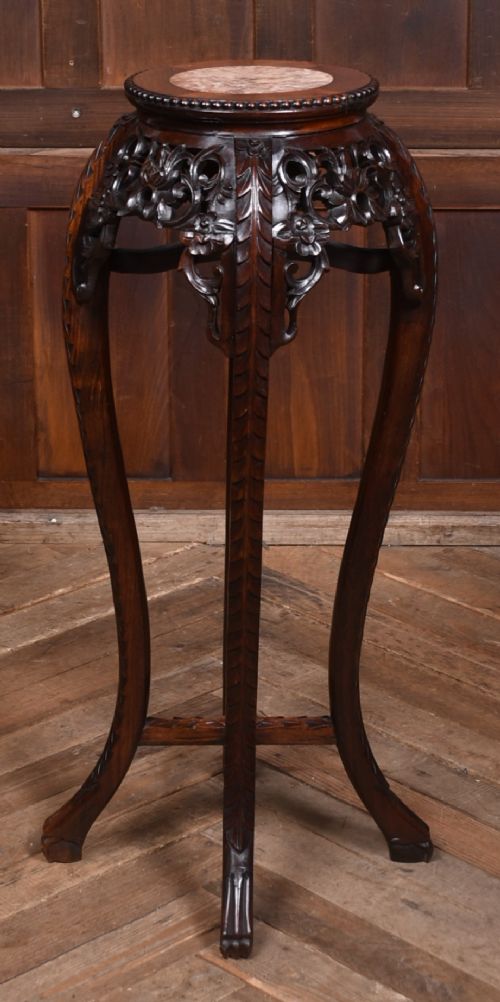
When you search for an oriental plant pedestal, you encounter sturdy tables and low platforms designed to support heavy planters, jardinieres, and vases. The version you are most likely to meet on this page is a carved hardwood or rosewood stand originating from China or Japan during the nineteenth century, often topped with inset marble or quartz.
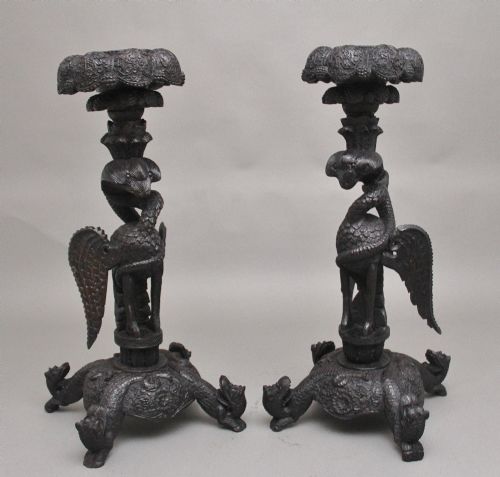
Makers and workshops across the Qing Dynasty and the Meiji period produced these pieces in various forms, ranging from tall torcheres to low rectangular pot stands and occasional tables. Many incorporate traditional motifs through deep relief carving, depicting dragons, foliage, and geometric borders.
While most examples serve botanical displays, their robust construction allows them to function equally well as lamp tables, sculpture plinths, or side tables in diverse interior schemes.
Materials and construction
Cabinetmakers utilised dense timbers such as padouk, rosewood, and ebonised wood to build these substantial stands, ensuring they could bear the considerable weight of stone and earthenware vessels. These woods were chosen for their deep natural grain and capacity to hold intricate, sharp relief carving without splitting.
Many tables feature inset slabs of smooth marble or decorative stone fitted flush into the wooden frame, providing a cool, water-resistant surface for potted plants. Where wood meets stone, the joinery requires precise fitting to account for the natural movement of timber over decades.
Oriental Plant Pedestal Retail Price Guide 2026
Typical asking prices for oriental plant pedestal among the pieces listed under this phrase on Sellingantiques today, from the lower quarter to the upper quarter. They describe what is for sale here now, not the wider market.
A few lucky stands bear the unmistakable scars of damp nineteenth-century ferns that leaked happily onto their marble tops.
Judging the work
The distinction between ordinary and exceptional pieces lies in the crispness and depth of the hand carving, where superior examples show undercut details and expressive animal motifs rather than shallow, mechanical tooling. Heavier timbers and balanced, symmetrical proportions indicate a higher grade of workshop production.
The integration of the stone top into the wooden chassis reveals the maker's skill; tighter margins and carefully selected marble with strong veining elevate a stand above simpler, utilitarian utility pieces.
Liberty of London
The Oriental Plant Pedestal Glossary
- Jardiniere
- A large ornamental pot or container for plants, typically ceramic or metal, which sits atop the pedestal.
- Torchere
- A tall, slender stand designed originally to support a candle or torch, later adapted to hold statues or floral arrangements.
- Padouk
- A heavy, durable tropical hardwood with a reddish hue favoured by Asian cabinetmakers for structural stability.
- Ebonised
- Wood treated with a dark finish to imitate the appearance of expensive ebony.
- Qing Dynasty
- The last imperial dynasty of China, spanning from the seventeenth to the early twentieth century, associated with ornate carved furnishings.
Oriental Plant Pedestal: Frequently Asked Questions
What is an oriental plant pedestal used for?
These stands were traditionally built to elevate heavy ceramic jardinieres and potted plants, bringing botanical displays up to eye level within a room.
Today, they serve equally well as independent display tables for sculpture, lamps, or decorative objects in traditional and modern interiors.
How do I tell Chinese stands from Japanese stands?
Chinese pieces from this period frequently employ dense hardwoods like padouk and rosewood with deeply undercut botanical or dragon carvings.
Japanese examples from the Meiji era often utilise ebonised elm or softer woods with distinct lacquer finishes and different structural proportions.
Why do many stands have marble tops?
Marble provided a practical, water-resistant surface that protected the underlying timber from moisture damage when watering potted plants.
Additionally, the cool stone surface offered a pleasing textural contrast to the dark, heavily carved wooden frames.
How do I care for a antique hardwood stand?
Keep the timber away from direct heat sources and sudden temperature fluctuations to prevent the wood from drying and splitting.
Dust the carved surfaces regularly with a soft brush and apply a sparing amount of quality wax polish only when the timber appears dry.