

Oriental Metalwork Vase
These pieces of oriental metalwork vase bring together centuries of skilled casting and intricate surface work from China and Japan.
Oriental Metalwork Vase
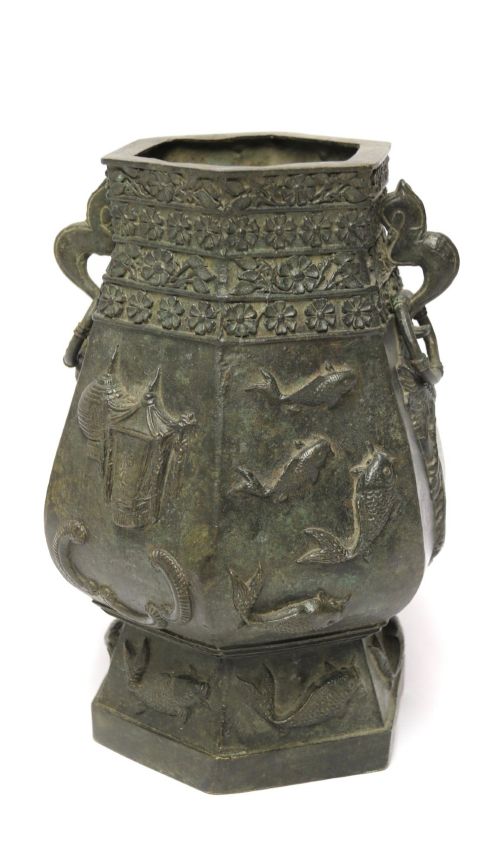
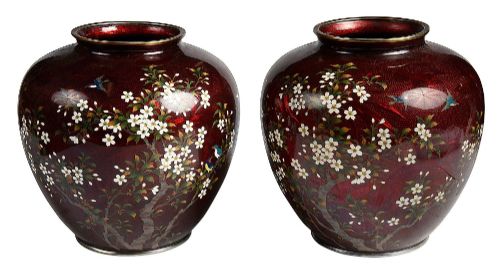
An oriental metalwork vase usually takes the form of a bronze, brass or enamel vessel created during the nineteenth or early twentieth century.
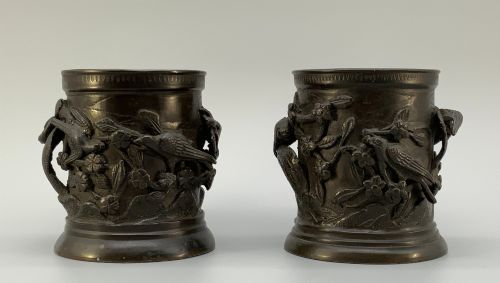
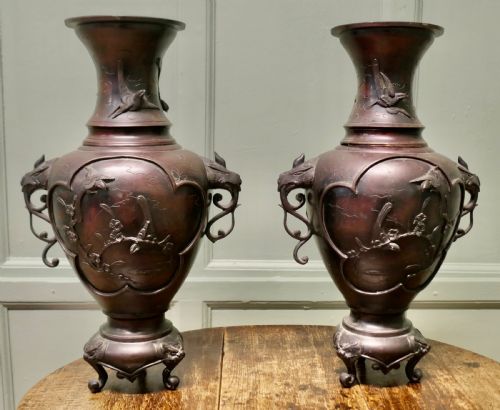
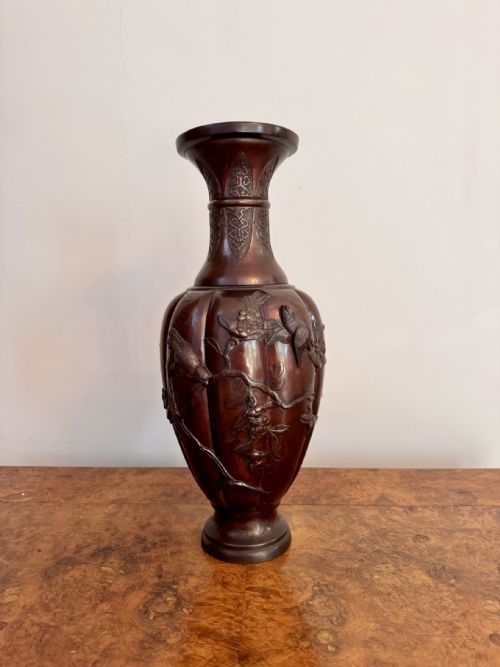
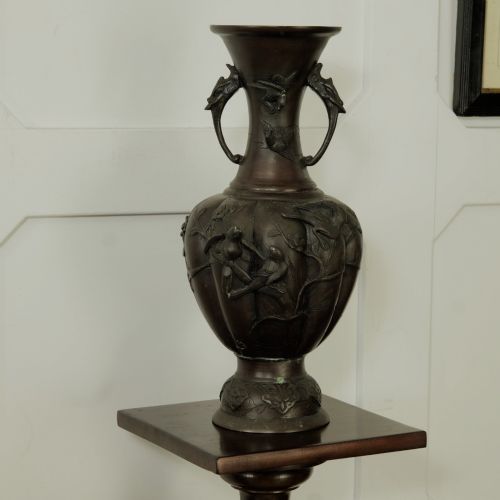
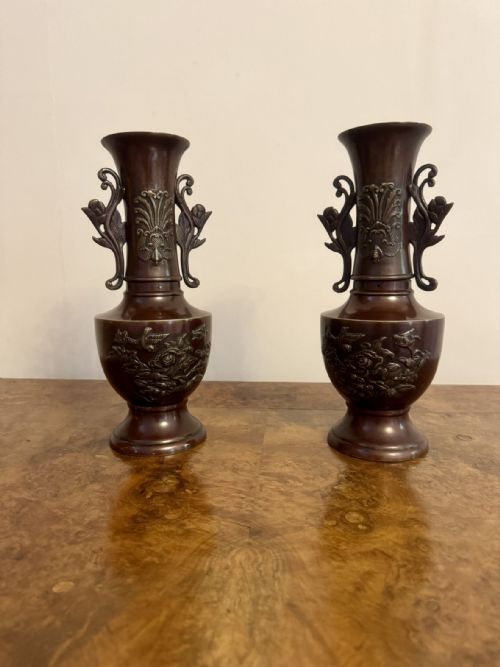
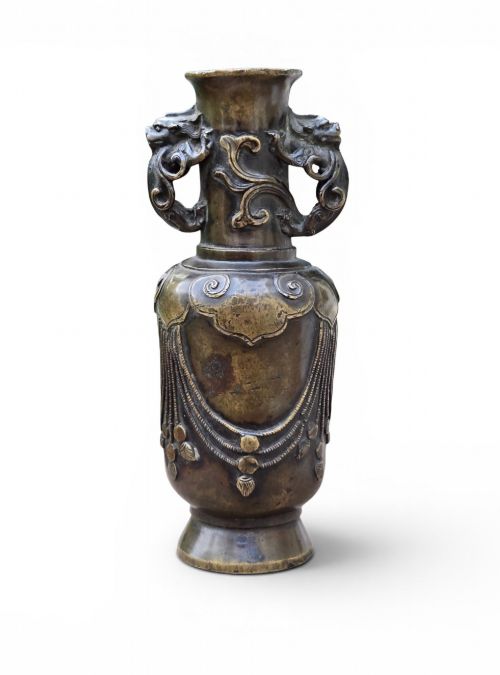
The selections span Chinese bronze vessels and Japanese Meiji period works, including baluster urns, hexagonal shapes and twin-handled decorative forms.
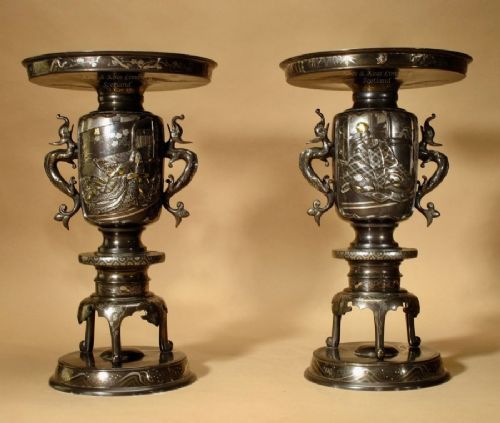
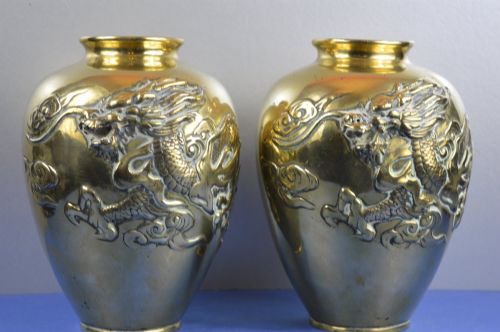
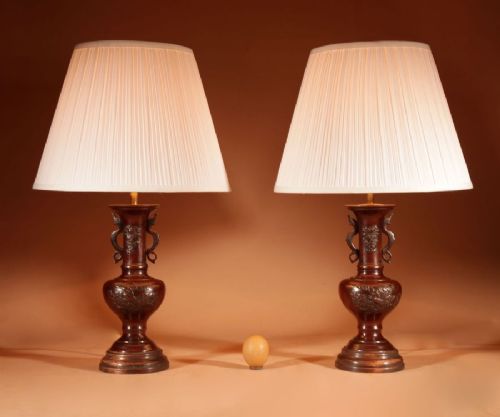
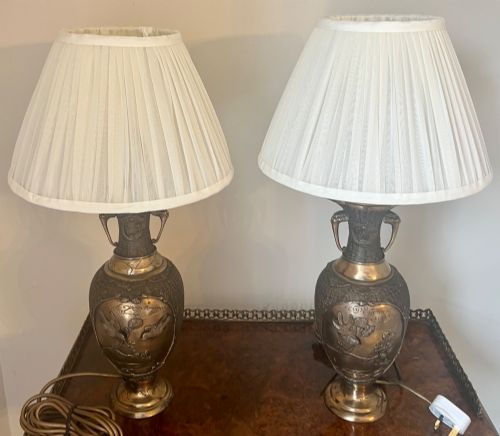
Makers produced both single display pieces and matching pairs, sometimes adapted later into table lamps.
Materials and methods
Artisans employed bronze, copper and brass as foundational metals, shaping them through casting and hammering.
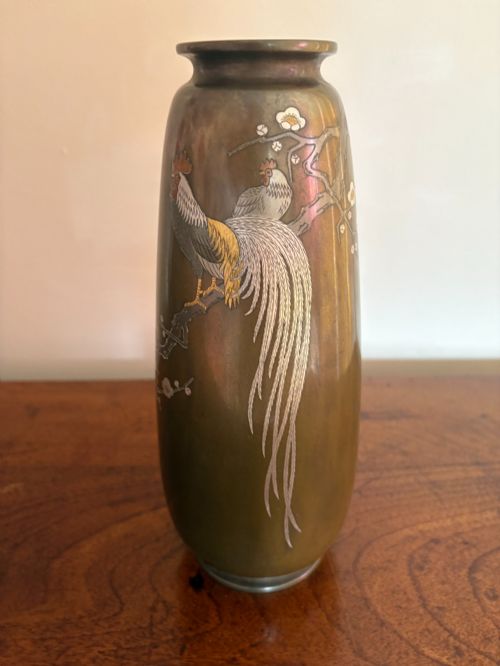
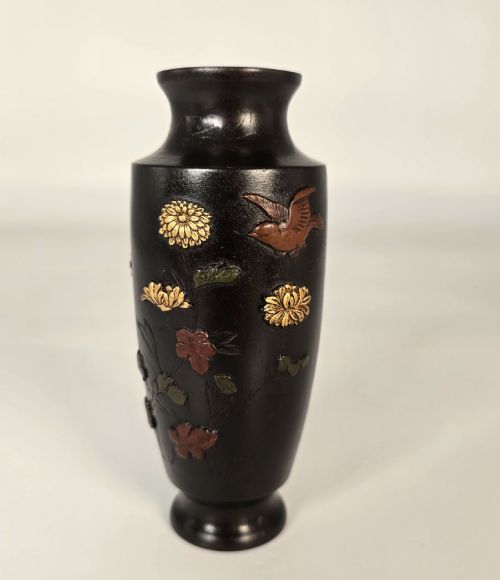
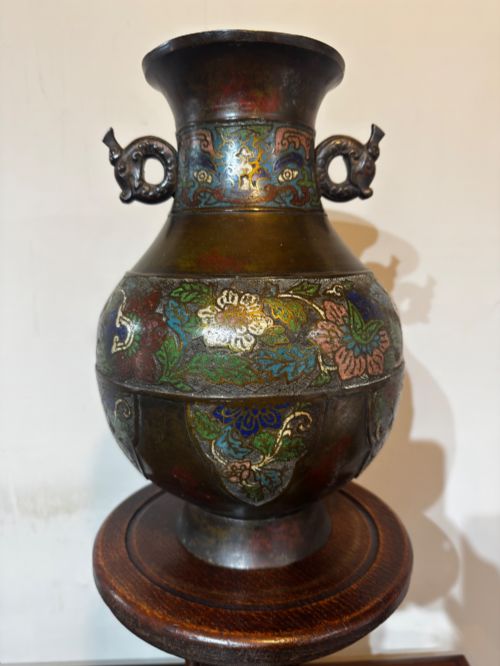
Surfaces frequently display inlaid silver and gold wire, mixed metal applications, and champlevé or cloisonné enamel work.
Listings span periods from the seventeenth century through to the 1930s, featuring bronze, brass, silver and enamel.
Judging the execution
Quality rests upon the crispness of the cast details, such as birds, blossoms, dragons and egret handles, alongside the neatness of wire inlay.
The depth of patination and the precision in fired enamel cells separate standard decorative items from exceptional signed examples.
KANASAWA·Ando Jubei
The Oriental Metalwork Vase Glossary
- Cloisonné
- An enamel technique where metal wires form raised partitions on a surface to contain coloured paste before firing.
- Patinated Bronze
- Metal treated with chemicals to produce a stable surface colour and protective finish over time.
- Meiji Period
- A Japanese historical era marked by intense artistic production and export of refined metalwork.
- Mixed Metal
- The combination of different metals like copper, silver and gold within a single decorative design.
- Champlevé
- An enamelling method where troughs are gouged into a metal base and filled with enamel prior to firing.
Oriental Metalwork Vase: Frequently Asked Questions
How do I clean my bronze vase?
Dust gently with a dry, soft cloth to protect the original patination and delicate surface inlays.
Avoid commercial polishes and water, which can strip away historic finishes and damage exposed metalwork.
Are these pieces signed?
Some pieces bear artist signatures, workshop marks or school stamps incised into the base or body.
Unsigned examples remain common, particularly among standard export wares from the nineteenth century.
How can I tell Chinese from Japanese work?
Chinese vessels often utilise heavier archaic forms, solid bronze casting and distinct dragon motifs.
Japanese Meiji pieces frequently show intricate mixed metal inlay, silver wire cloisonné and naturalistic bird or floral themes.
Can I use these vases for water?
Historic metal and cloisonné vessels suit dry display rather than holding fresh water.
Internal seams and older enamels can crack or leak when exposed to moisture over extended periods.