




Oriental Metal Plate
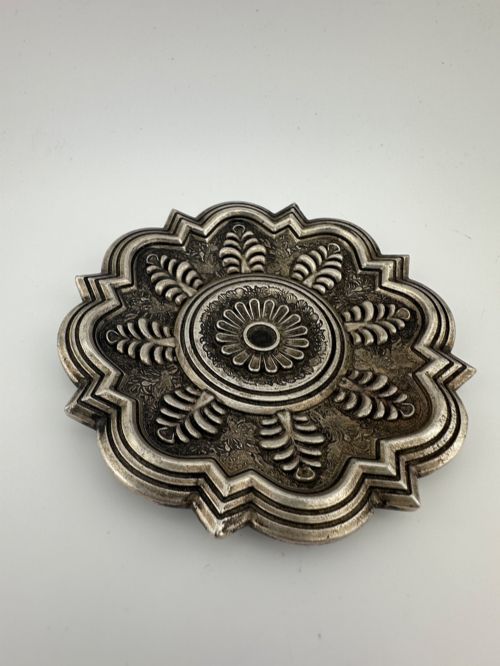
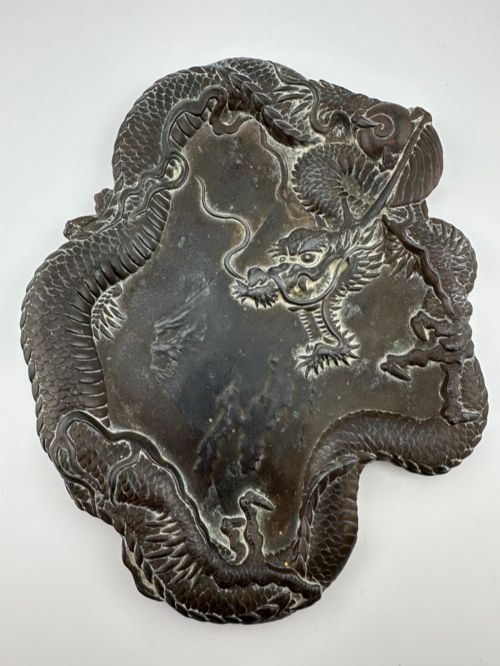
When choosing an oriental metal plate, you select a decorative charger or plaque forged in copper, brass, bronze, or enamel.
Oriental Metal Plate
An oriental metal plate serves primarily as a decorative charger, dish, or plaque rather than functional tableware. Buyers seeking an oriental metal plate will find that the selection spans large wall chargers and smaller cabinet trays.
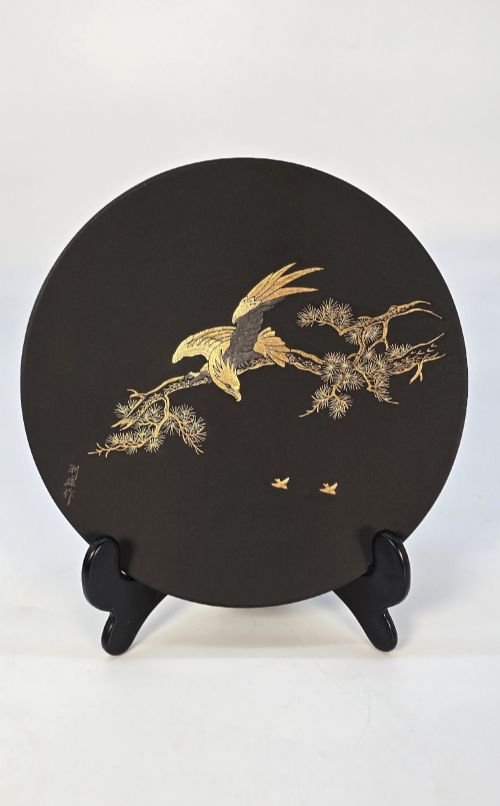
The objects originate principally from Japanese and Chinese workshops across the nineteenth and early twentieth centuries. Pieces frequently depict birds, dragons, koi, and auspicious symbols drawn from traditional East Asian iconography.
How they were made
The manufacturing process typically combines a metal base of copper, brass, bronze, or iron with applied enamel or wirework. Artisans used brass wire to create distinct cells for coloured enamel pastes in cloisonne production.
Many items incorporate mixed-metal inlays, patination, or gold and silver highlights directly onto the metal surface. Base plates were cast, hammered, or turned before receiving their final surface decoration.
Oriental Metal Plate Retail Price Guide 2026
Typical asking prices for oriental metal plate among the pieces listed under this phrase on Sellingantiques today, from the lower quarter to the upper quarter. They describe what is for sale here now, not the wider market.
Current listings feature items produced across the nineteenth and twentieth centuries, spanning the Meiji, Edo, and Qing periods.
What varies in quality
Quality separates ordinary production from masterwork execution through the precision of the wirework and the depth of the enamel. Finer plates display microscopic cell work and complex pictorial scenes rather than repetitive geometric patterns.
The sophistication of the patination and the clarity of any applied metal inlay dictate the overall standard of the piece. Masterpieces demonstrate complete control over firing temperatures and chemical treatments on the metal.
The Oriental Metal Plate Glossary
- Cloisonne Enamel
- A technique where metal wire is soldered to a metal base to create compartments filled with enamel paste. These compartments are then fired and polished smooth.
- Charger
- A large decorative plate intended for display on a wall or sideboard rather than for serving food. Chargers often feature the most detailed pictorial work.
- Meiji Period
- The era of Japanese history lasting from 1868 to 1912, noted for intense artistic output and export to Western markets. Pieces from this period frequently display naturalistic motifs.
- Patination
- The chemical or thermal treatment applied to metal surfaces to produce deliberate colours and aged tones. This process enhances the relief and texture of the design.
- Totai Shippo
- A Japanese technique where enamel is applied to a transparent base or wire framework, creating a translucent effect similar to stained glass.
Oriental Metal Plate: Frequently Asked Questions
How do I hang a heavy charger?
Large chargers require robust, adjustable spring-clip wall hangers designed to grip the rim securely without scratching the enamel or metal.
Ensure the fixing is anchored directly into a wall stud or uses appropriate wall plugs given the substantial weight of bronze and cloisonne pieces.
Are these plates meant for dining?
These items were produced exclusively for decorative display rather than for serving food or holding liquids.
Using them at the dining table risks damaging the delicate enamel surfaces and intricate wirework.
How do I clean old enamel?
Dust the surface gently with a soft, dry microfibre cloth to remove everyday particles without applying abrasive pressure.
Avoid chemical cleaners, water immersion, and polishes, which can stain exposed metal or degrade fragile enamel fillings.
How can I tell Japanese from Chinese work?
Japanese pieces from the Meiji period often feature hyper-realistic depictions of nature, subtle patination, and specific workshop signatures.
Chinese pieces, such as Qing dynasty examples, tend to favour bolder symmetrical designs, heavier bronze or brass bodies, and distinct imperial marks.