


Oriental Lidded Vase
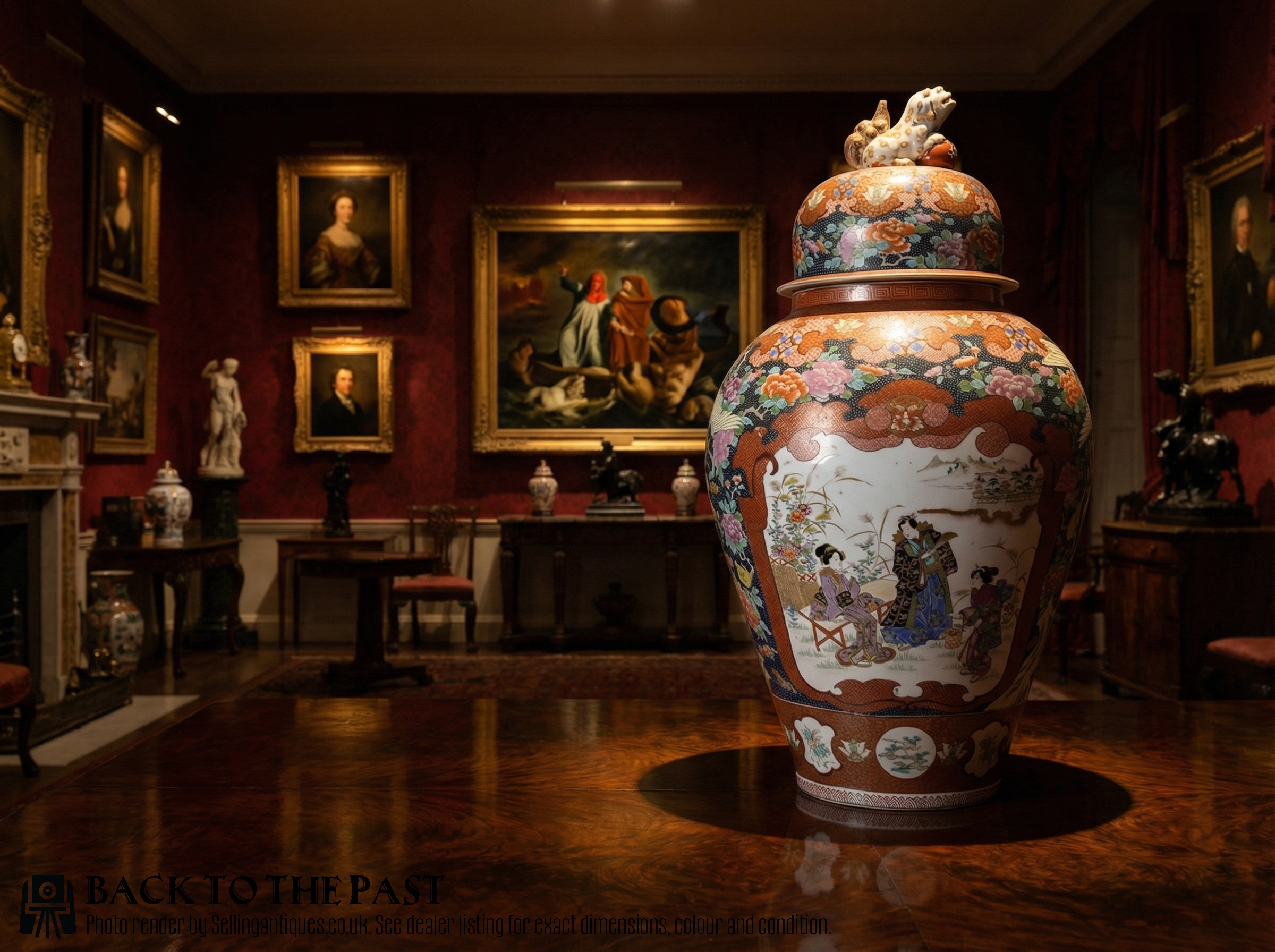
An oriental lidded vase brings substance and colour to a room, offering a functional vessel with a secure matching cover.
Oriental Lidded Vase
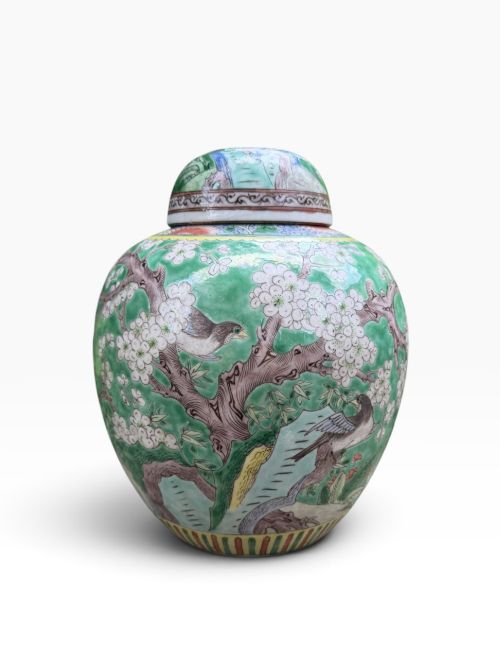
When you search for an oriental lidded vase, you encounter a diverse group of ceramic and metal vessels originating from China and Japan. These pieces range from substantial ginger jars to tall baluster forms designed with fitted covers.
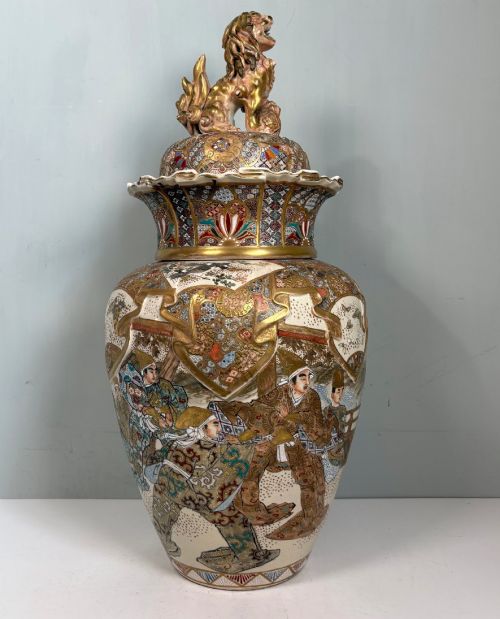
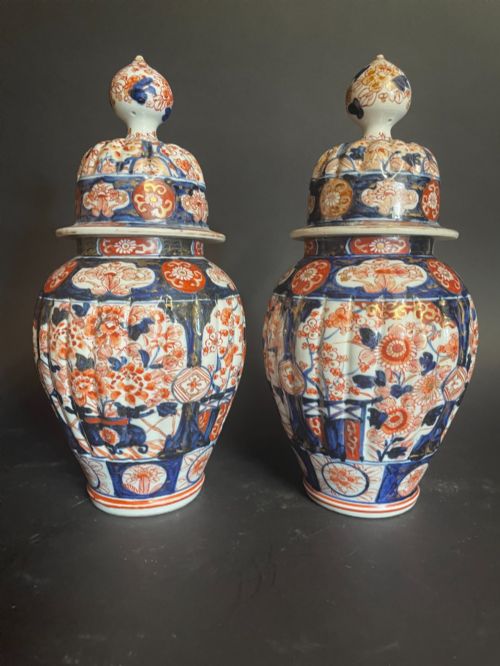
The selection on this page leans heavily toward nineteenth-century examples, particularly Japanese Imari wares and Chinese Qing dynasty porcelain. You will also find Satsuma earthenware and cloisonne pieces alongside pairs and individual vessels.
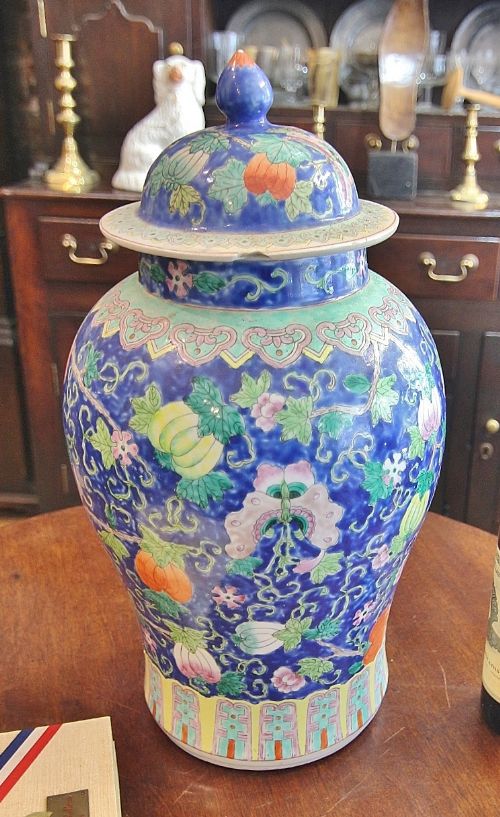
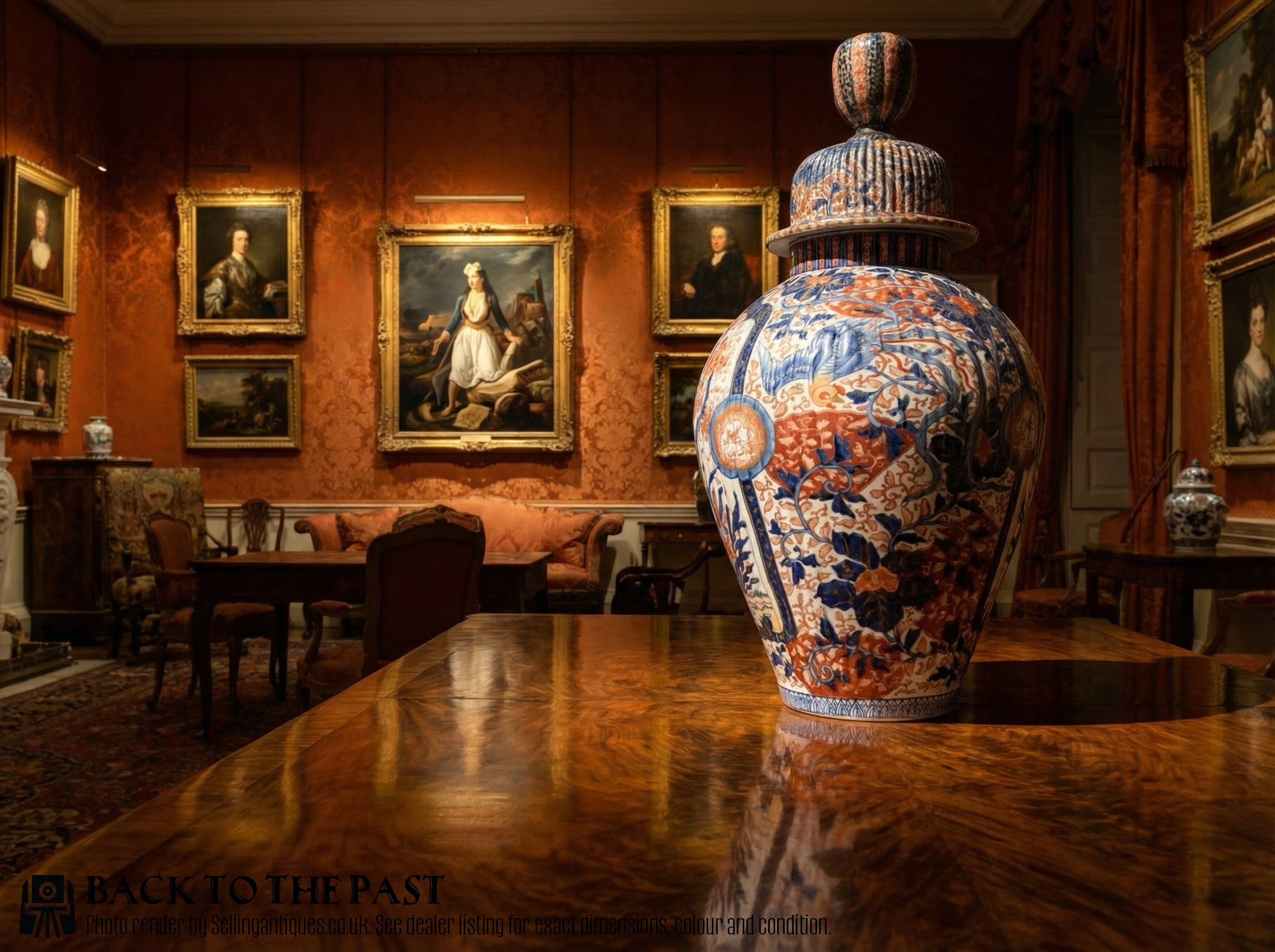
Forms vary from straightforward storage jars to large decorative centrepieces intended for display on tables or pedestals. Many items show traditional painted palettes involving cobalt blue or iron red and gold highlights.
How they were made
Potters shaped these vessels using porcelain or earthenware clay, often throwing them on a wheel before applying detailed underglaze and overglaze enamel decoration. Gilding and gold leaf frequently highlight painted motifs on porcelain and earthenware surfaces.
Cloisonne examples employ brass bases fitted with thin wire compartments that hold coloured enamel pastes. Firing fixes the glassy pigments within the metal cells to create patterned exterior surfaces.
Materials documented across the inventory include enamel, gold leaf, glaze, and gilding.
What varies in quality
The precision and depth of the painted brushwork set the finer examples apart from standard production pieces. Careful control during high-temperature kiln firings ensures clear glaze vitrification and prevents distortion in large baluster bodies.
The preservation of original gilding and enamel vibrancy over centuries influences the standing of a piece. Original matching covers that fit snugly without wobble contribute substantially to the integrity of the vessel.
Samson
The Oriental Lidded Vase Glossary
- Imari
- A style of Japanese porcelain decorated in underglaze blue, iron red, and gold. The palette creates a strong visual contrast across the surface of the jar.
- Satsuma
- A type of Japanese earthenware featuring a crackled creamy glaze and detailed polychrome enamel painting. Pieces often incorporate heavy gold leaf work.
- Baluster
- A vase shape with a rounded body that tapers toward the base and swells near the shoulder. This traditional form accommodates elaborate decorative panels.
- Cloisonne
- A metalworking technique where enamel is applied to compartments created by soldered flat wires. Brass bodies support intricate coloured patterns across the vessel.
- Ginger Jar
- A wide-mouthed storage jar with a rounded shoulder and a flat or domed cover. Originally used for spices, these vessels became popular decorative items.
Oriental Lidded Vase: Frequently Asked Questions
What were oriental lidded vases used for?
These vessels originally served practical storage purposes for dry goods, spices, or liquids within domestic settings.
Over time, makers and owners treated them primarily as ornamental items to display wealth and taste in reception rooms.
How do I care for a porcelain lidded vase?
Keep porcelain and enamel surfaces clean by dusting gently with a soft, dry brush to prevent particle accumulation.
Avoid using liquid cleaners or abrasive cloths, as these can damage fragile overglaze enamels and delicate gold leaf highlights.
How can I tell Japanese Imari from Chinese porcelain?
Japanese Imari typically employs a characteristic palette of deep underglaze blue combined with rusty iron red and extensive gilding on a slightly greyish white base.
Chinese blue and white pieces from the Qing dynasty rely more on cobalt pigments beneath a clear glaze without the heavy iron red highlights.
Are lids usually original to these vases?
Many surviving vessels retain their matching original covers, which fit the neck profile and share the exact decorative palette of the base body.
Replacement lids occasionally occur in older ceramics due to accidental breakage over centuries of handling and domestic use.