
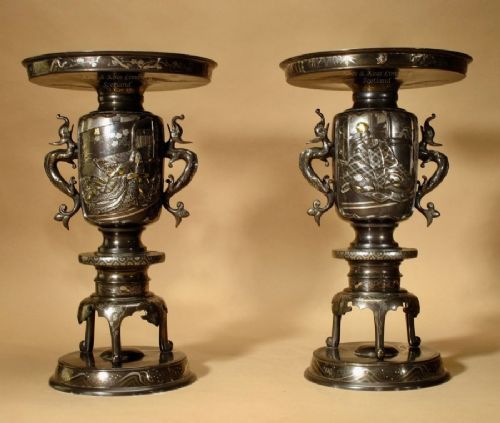
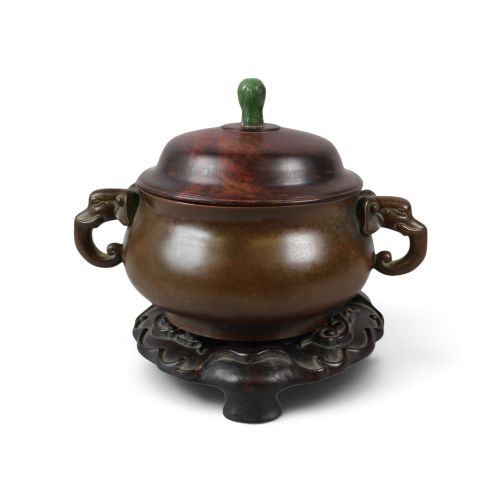
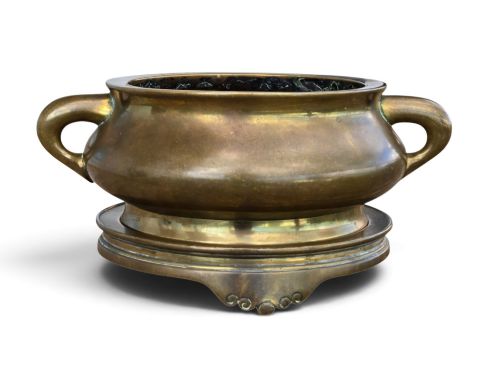
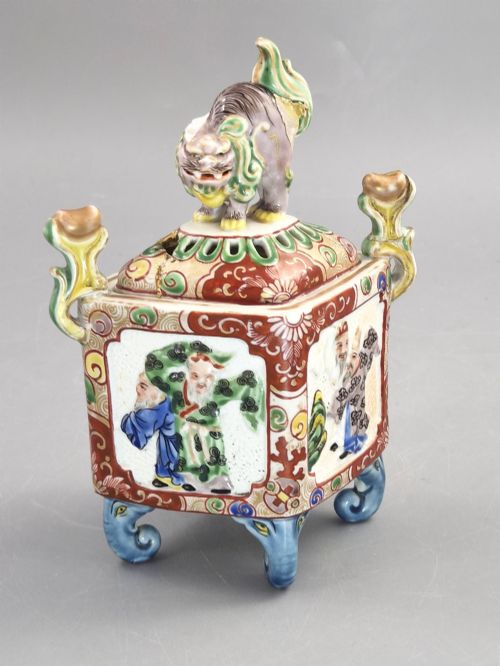
Oriental Incense Burner
An oriental incense burner brings centuries of craftsmanship into a room, offering vessels designed to hold aromatic resins and woods.
Oriental Incense Burner
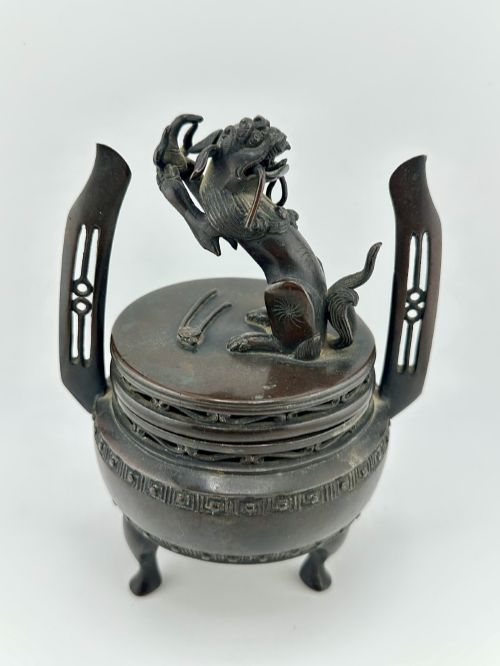
When buyers search for an oriental incense burner, they encounter vessels produced across Asian traditions, predominantly featuring Chinese bronze censers and Japanese ceramic koro vessels.
The objects on this page span several centuries, with heavy representation from the Qing Dynasty and the Japanese Meiji period, alongside pieces bearing earlier Ming dynasty influences.
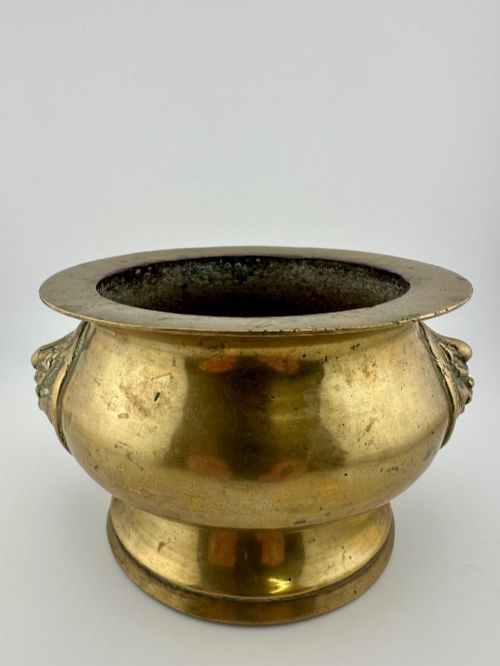
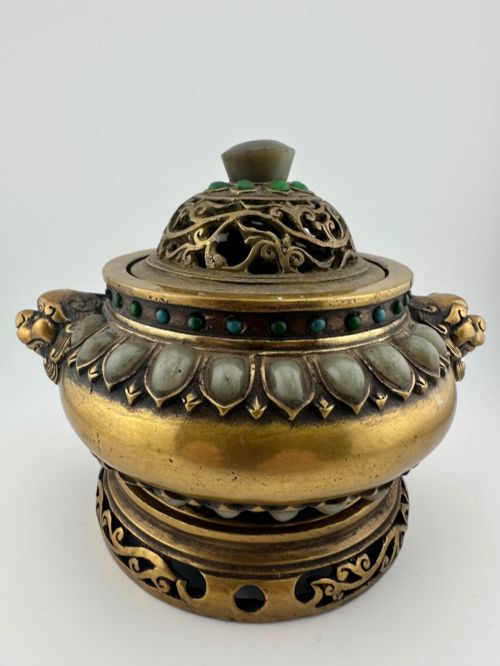
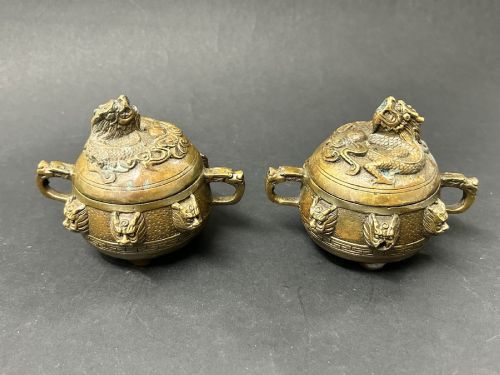
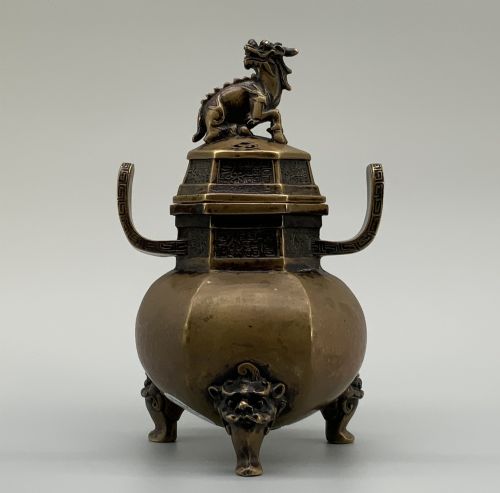
Forms range from tripod vessels with lion-mask handles and qilin finials to delicate porcelain holders and earthenware figures designed for scholar's desks.
How they were made
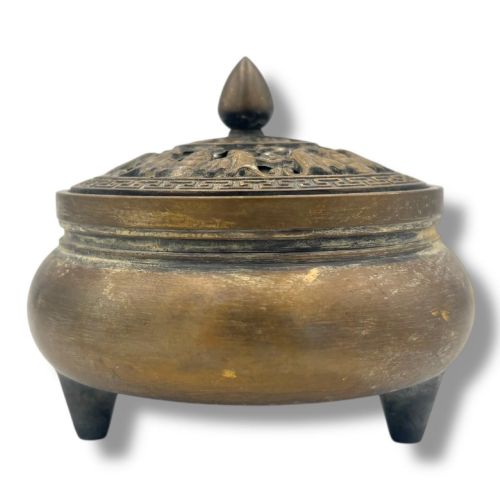
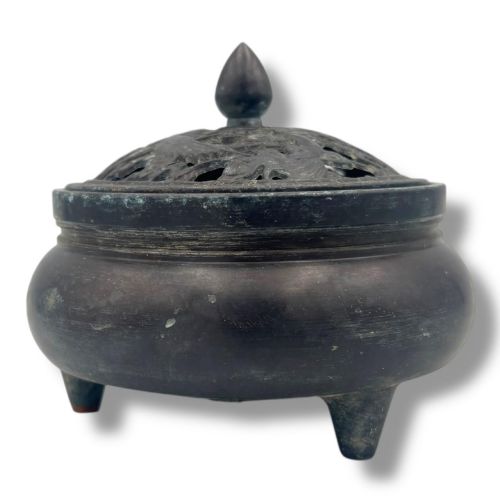
Bronze casting forms the backbone of these pieces, often utilising lost-wax techniques to achieve complex tripod shapes, elephant-head handles, and integrated relief panels.
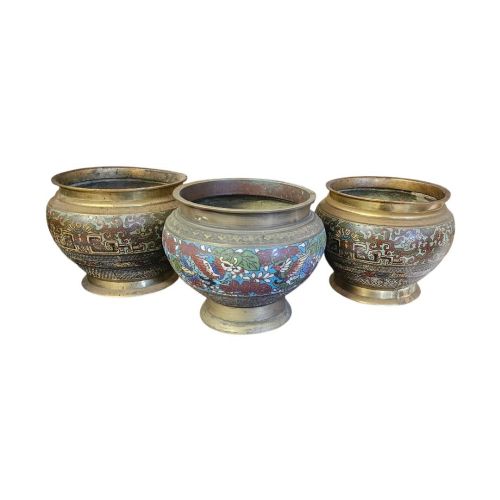
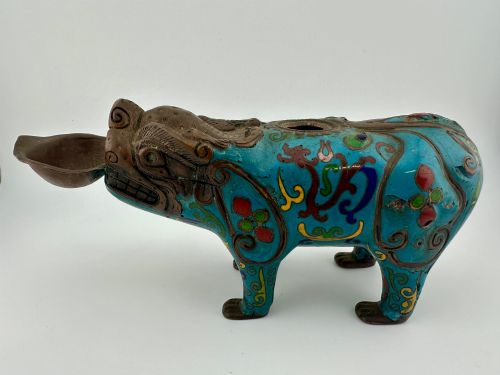
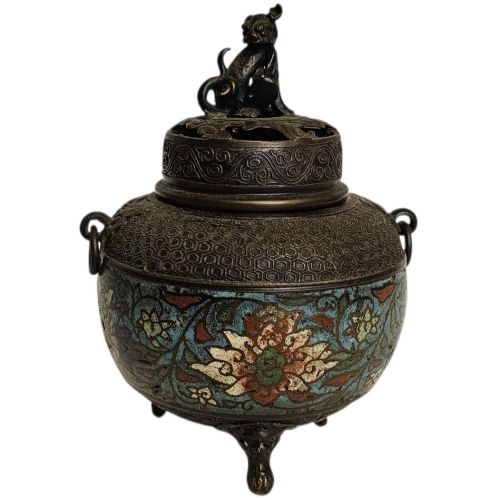
Enamelling techniques such as cloisonné and champlevé introduce colour through vitreous pastes fired within wire partitions or recessed metal cells.
Ceramic examples combine thrown or moulded porcelain and earthenware bodies with hand-painted glazes, gold leaf highlights, and intricate pierced lids.
Oriental Incense Burner Retail Price Guide 2026
Typical asking prices for oriental incense burner among the pieces listed under this phrase on Sellingantiques today, from the lower quarter to the upper quarter. They describe what is for sale here now, not the wider market.
What varies in quality
The weight and wall thickness of the metal dictate the structural integrity of cast bronze vessels, where heavier examples demonstrate superior foundry work.
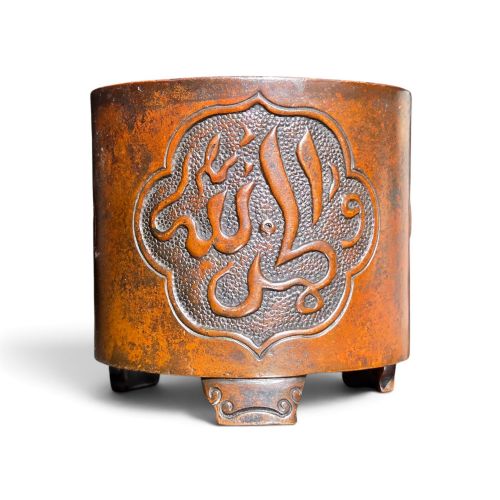
The precision of surface decoration, from the alignment of cloisonné wires to the sharpness of taotie motifs and archaic script marks, separates standard production from masterworks.
The finesse of secondary elements such as sculpted hardstone finials, custom hardwood stands, and pierced lids indicates the original status of the piece.
Kotobuki do·Ippo
The Oriental Incense Burner Glossary
- Censer
- A vessel specifically designed for burning incense. These often stand on three legs and include a pierced cover.
- Koro
- The Japanese term for an incense burner, commonly produced in ceramic forms such as Satsuma and Kutani or in bronze.
- Cloisonne
- An enamelwork technique where metal wire is soldered to a metal base to create compartments filled with paste and fired.
- Tripod
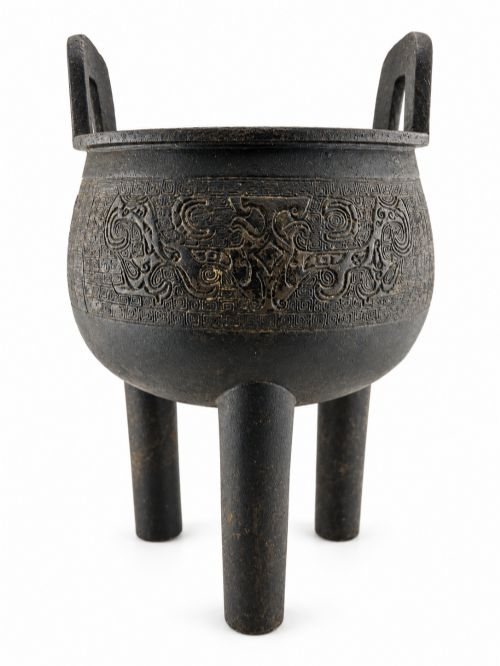
- A vessel supported by three feet, a common configuration for ancient ritual bronzes and later scholar's censers.
- Shi-shi
- A mythical guardian lion, frequently modelled as a finial on the lids of incense burners and jars.
Oriental Incense Burner: Frequently Asked Questions
What is an oriental incense burner used for?
These vessels were created to burn aromatic woods, powders, and resins during domestic rituals, meditation, or gatherings in scholar's studios.
Over time, many functioned purely as decorative objects of contemplation, displayed on carved wooden stands within reception rooms.
How do I identify a Meiji period piece?
Japanese items from the Meiji era often display distinct artistic characteristics associated with increased international trade, combining traditional motifs with heightened naturalism.
Signatures, stamps, and studio marks frequently appear on the base of Satsuma ceramics and Meiji bronzes.
What distinguishes a Chinese archaic style censer?
Archaic style censers emulate the ritual bronzes of the Shang and Zhou dynasties, featuring decorative vocabulary like taotie mask reliefs and leiwen background patterns.
These pieces were frequently produced during later periods, such as the Qing dynasty, as tributes to historical craftsmanship.
How should I care for a bronze censer?
Bronze vessels benefit from gentle dusting with a soft, dry cloth to preserve their natural patina and surface finish.
Avoiding abrasive cleaners and moisture ensures the stability of both the metal and any inlaid hardstone or enamel elements.