




Oriental Hardwood Lamp Stand
An oriental hardwood lamp stand brings dense timber, intricate carving and quiet height to a room.
Oriental Hardwood Lamp Stand
When you search for an oriental hardwood lamp stand, you encounter pieces originating from nineteenth century and early twentieth century workshops, spanning Victorian periods and the Qing dynasty. These forms arrive primarily as standard lamps, floor lamps, torchieres, and multi-use tables adapted to hold lighting.
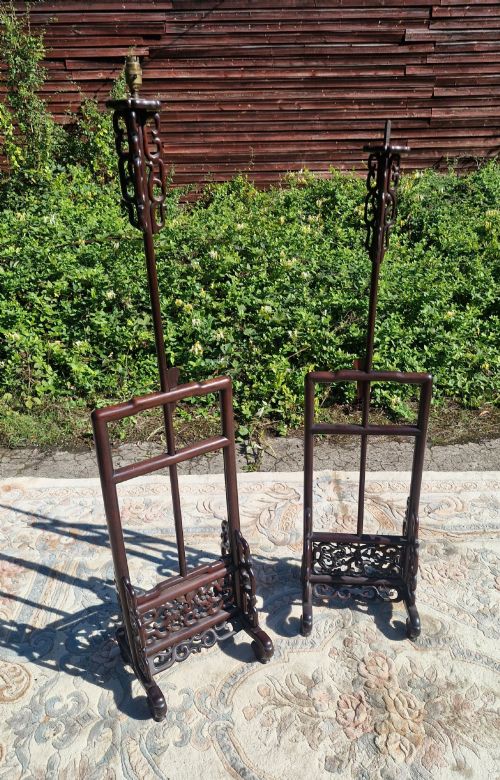
The selections on this page lean heavily toward Chinese export and Anglo-Indian production, alongside specific forms such as jardiniere stands and lantern stands. You meet heavy carved timbers, often square or octagonal, designed to support vertical illumination.
Makers utilised dense exotic woods to ensure stability for tall lighting fixtures, frequently incorporating inset marble tops or multi-tier platforms. The resulting furniture bridges functional lighting support and ornamental display.
Materials and Construction
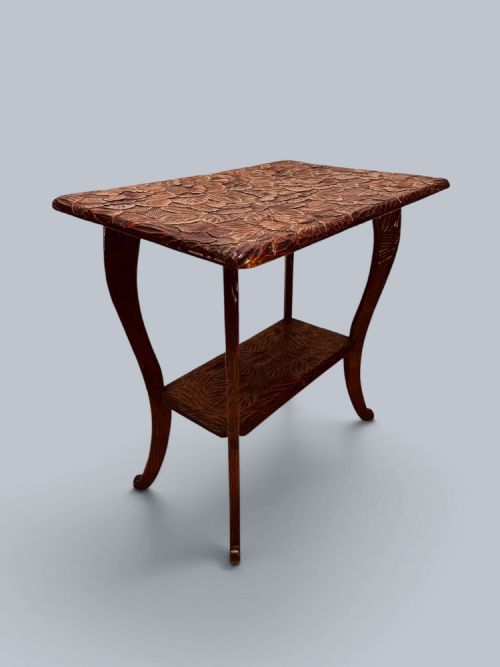
Makers constructed these stands from heavy tropical timbers, notably rosewood, padauk wood, and huali hardwood, chosen for their density and rich natural grain. Many examples feature deep hand-carving executed with chisels to create dimensional dragons, foliage, and geometric motifs.
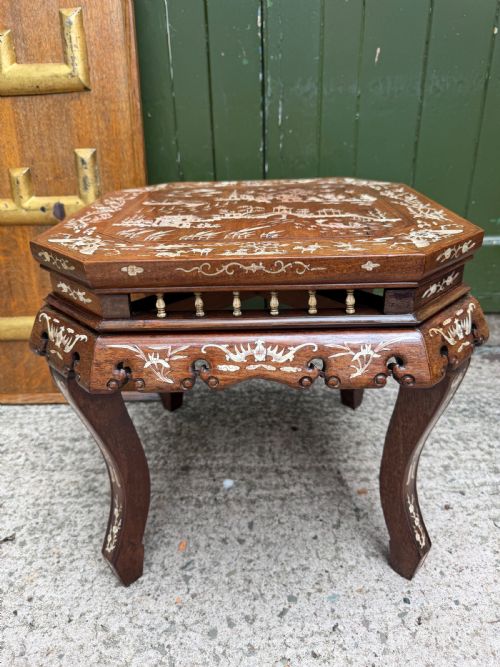
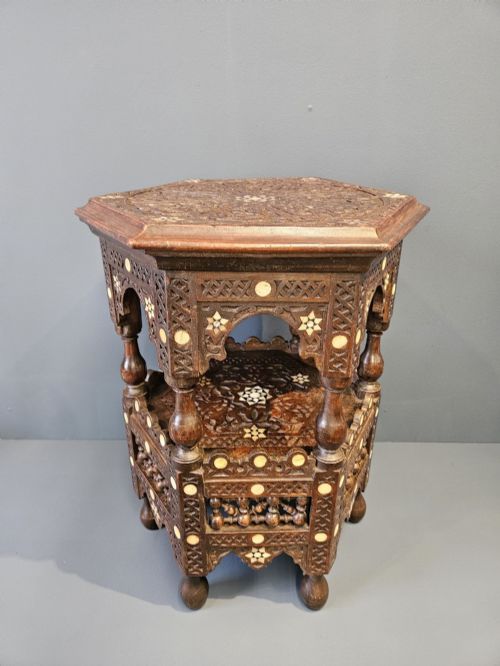
Insets of white or veined marble appear frequently on table surfaces, providing a cool, stable platform resistant to heat and spills from lamps. Secondary materials such as brass fittings and bone inlay occasionally accent the dark timber frames.
Oriental Hardwood Lamp Stand Retail Price Guide 2026
Typical asking prices for oriental hardwood lamp stand among the pieces listed under this phrase on Sellingantiques today, from the lower quarter to the upper quarter. They describe what is for sale here now, not the wider market.
Listings feature items from the 1880s through the 1920s, constructed in rosewood, padauk, and marble.
Judging Quality
Quality rests in the depth and crispness of the hand-carving, where sharp undercut details demonstrate superior artisan skill compared to shallow, mechanical tooling. The weight and selection of the timber dictate structural integrity, particularly in tall floor lamps and torchiere forms.
Proportion and stability separate standard utility pieces from finer examples, especially in adjustable lamp standards and tripod tables. Original marble inserts fitted flush to the surrounding hardwood frame indicate careful initial construction.
The Oriental Hardwood Lamp Stand Glossary
- Torchiere
- A tall stand or floor lamp designed to direct light upward toward the ceiling. These pieces often feature slender columns supported by carved tripod bases.
- Jardiniere stand
- A tall piece intended to elevate a plant pot or heavy vase, frequently utilised to support table lamps. They share dimensions and construction methods with standard lamp tables.
- Padauk wood
- A heavy, durable reddish-brown tropical hardwood favoured in Asian and Anglo-Indian cabinetmaking. It takes a fine polish and resists splitting over time.
- Qing Dynasty
- The final imperial dynasty of China, spanning from the seventeenth to the early twentieth century. Pieces from the late nineteenth and early twentieth centuries reflect traditional motifs from this era.
Oriental Hardwood Lamp Stand: Frequently Asked Questions
How do I date an antique lamp stand?
Dating relies on timber selection, construction methods, and stylistic markers recorded across Victorian and Qing dynasty periods. Examining joint work and tool marks helps determine whether a piece dates to the nineteenth century or the early twentieth century.
Secondary materials like bone inlay and marble tops also provide clues regarding the regional workshop and era of manufacture.
Can these stands support modern lamps?
The substantial weight of rosewood and padauk frames provides a stable base for contemporary electrical fittings and standard shades. Many period pieces were originally built or subsequently adapted to function as floor lamps and table stands.
Checking the wiring and overall balance ensures safe daily use in a modern interior.
What woods were used for these pieces?
Workshops primarily utilised heavy exotic hardwoods including rosewood, padauk, and huali timber. These materials were selected for their dark natural tones and structural density.
Marble inserts and bone inlay were frequently added to create contrast against the dark polished wood surfaces.