

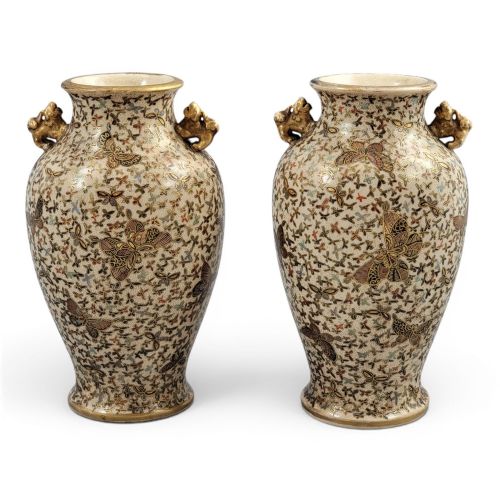


Oriental Fine Ceramic Vase
An oriental fine ceramic vase brings centuries of painterly tradition and kiln mastery directly into a room.
Oriental Fine Ceramic Vase
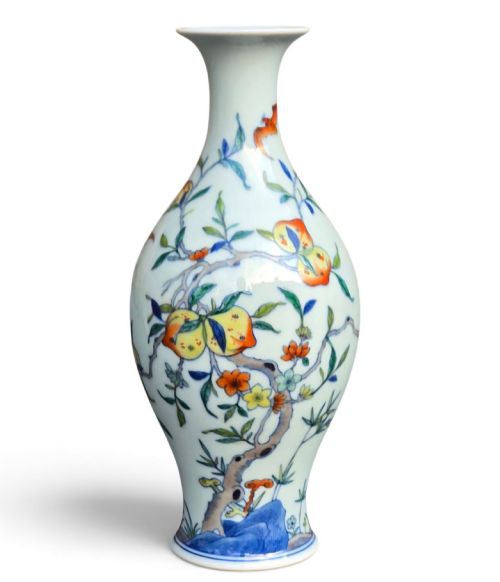
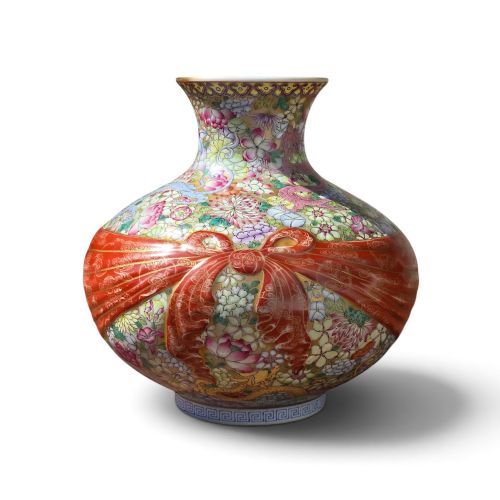
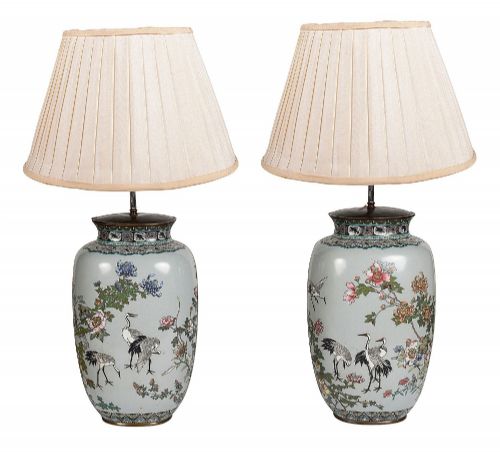
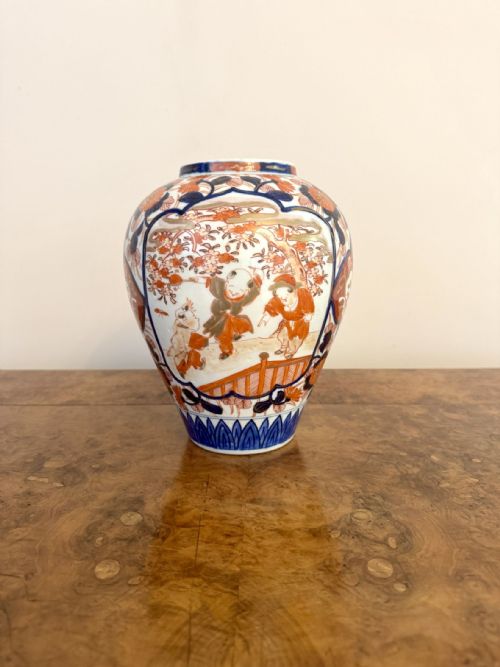
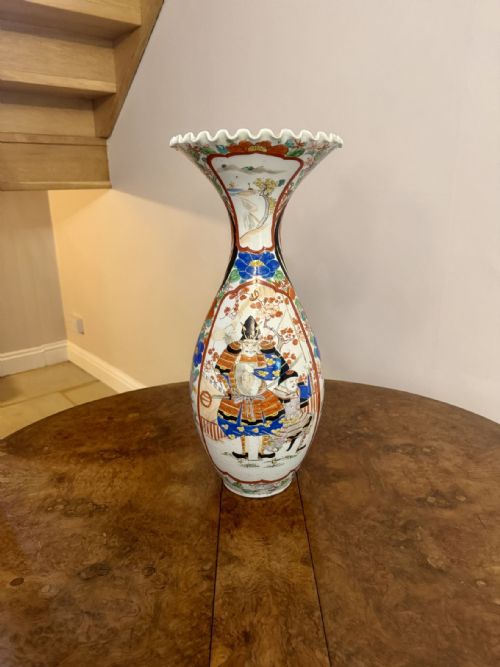
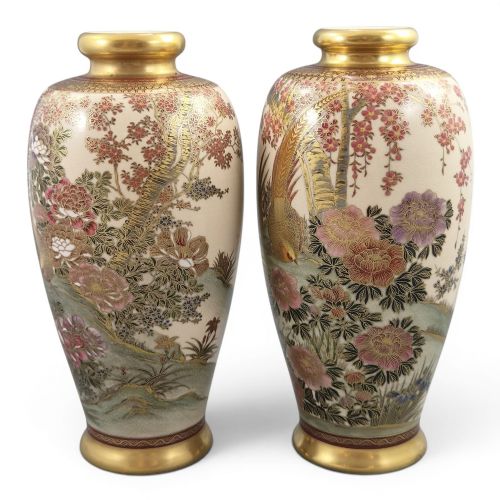
When you search for an oriental fine ceramic vase, you encounter a concentrated selection of Chinese and Japanese vessels ranging from the late seventeenth century through the early twentieth century. The inventory on this page consists predominantly of nineteenth-century pieces, including Meiji period Satsuma wares, Japanese Imari porcelain, and late Qing dynasty creations.
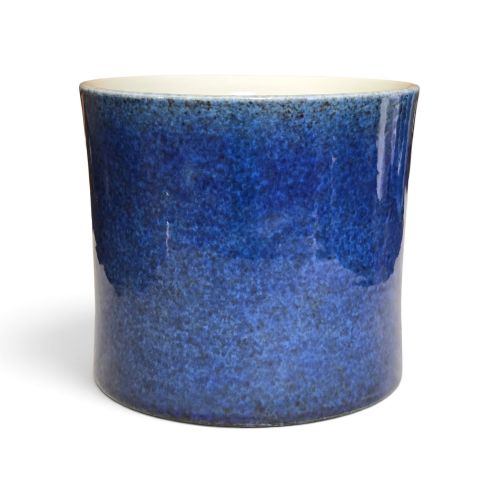
The forms vary from grand bottle-shaped vases and double gourds to diminutive miniature vessels, brush pots, and lidded jars. Many of these pieces reflect specific historical milestones, such as the Guangxu mark and period or the transition from the late Qing to the early Republic era.
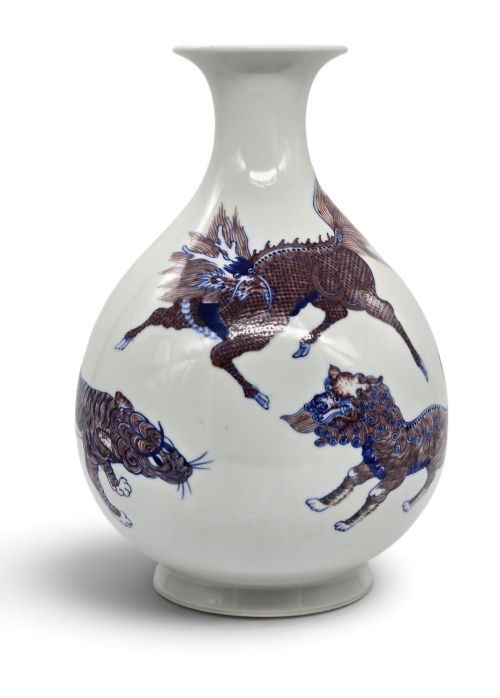
Collectors will find both individual display pieces and matched pairs, often featuring intricate hand-painted decoration that captures landscapes, mythical beasts, flora, and figural processions.
How they were made
The makers of these vessels relied upon porcelain and earthenware bodies, shaped by hand or wheel before receiving detailed surface treatments. Cobalt glaze, copper-red pigments, and colourful enamel palettes were applied with immense precision by skilled artisans.
Many works incorporate rich highlights of gold leaf and tactile moriage relief work, while certain Japanese examples utilise the complex techniques of cloisonné enamel on metal bases alongside ceramic forms.
High-temperature kiln firings set the underglaze cobalt blue and copper-red designs, whereas delicate enamel colours and gilding often required subsequent, cooler firings to bond permanently to the glaze.
The listings on this page span the late seventeenth century through to the early Showa period, showcasing materials from cobalt glaze and gold leaf to cloisonne enamel.
What varies in quality
Quality in these oriental fine ceramic vase examples rests upon the crispness of the underglaze painting and the restraint or vibrancy of the overglaze enamels. Superior pieces display masterly brushwork where every feather, petal, or facial expression is delineated with absolute confidence.
The complexity and execution of the gilding and moriage relief further separate standard production from exceptional studio output. Pieces bearing the signatures of celebrated makers or specific period marks generally demonstrate a higher tier of artistic ambition and kiln control.
The overall balance of the vessel form, the purity of the porcelain or the refinement of the earthenware body, and the preservation of the delicate enamel surface over time dictate the standing of an individual piece.
Manpei Kobe·Kinzan·Kinkozan Circle·Chosei Kyoto·Nanzan·Yamashu·Hayakawa·Fukagawa
The Oriental Fine Ceramic Vase Glossary
- Satsuma
- A type of Japanese earthenware featuring a crackled ivory-coloured glaze, typically decorated with elaborate polychrome enamels and gilding. These pieces were extensively produced for export during the Meiji period.
- Imari
- A traditional style of Japanese porcelain originating from Arita, characterised by a distinctive palette of underglaze blue, iron red, and gold. Designs often incorporate complex floral and brocade patterns.
- Moriage
- A decorative technique in Japanese ceramics where slip or enamel is piped onto the surface in raised dots or lines, creating a tactile, bead-like texture that is frequently gilded.
- Cloisonne Enamel
- A metalwork technique where compartments are formed on a vessel body by soldering flat metal wire to the surface, then filled with coloured enamel paste and fired.
Oriental Fine Ceramic Vase: Frequently Asked Questions
How do I identify Satsuma ware?
Satsuma wares are readily identified by their distinctive creamy, finely crackled earthenware glaze which serves as a canvas for dense polychrome and gilt decoration. They frequently depict figural scenes, landscapes, or butterflies.
Many finer examples carry artist signatures or studio marks on the base, pointing to specific workshops in Kyoto or Kobe during the Meiji period.
What is the difference between Imari and Satsuma?
Imari pieces are hard-paste porcelains featuring strong underglaze blues combined with iron red and gold highlights, historically produced in Arita for both domestic use and export. They tend to have a resonant ring and a smooth, non-crackled glaze.
Satsuma pieces, by contrast, are earthenwares possessing a softer, absorbent body covered in a distinctive crackled glaze that is heavily painted with enamels and raised gilding.
How should I display these vases at home?
These vessels require stable placement away from direct, harsh sunlight and areas of high temperature fluctuation to protect their delicate enamel surfaces and gilding. Displaying them on dedicated wooden stands or within secure cabinets highlights their form while keeping them safe from accidental knocks.
Allowing adequate surrounding space lets the intricate hand-painted details and complex colour palettes be fully appreciated from various angles.
Are miniature vases authentic collector pieces?
Miniature vases from the Meiji period and late Qing era are genuine expressions of high artistic skill, created to demonstrate the virtuosity of the painter on a very small scale. Master studios produced these diminutive pieces with the same rigorous attention to detail as their larger counterparts.
They offer collectors an accessible entry point into fine oriental ceramics without compromising on artistic quality or historical authenticity.