
Oriental Dark Hardwood Stand
An oriental dark hardwood stand anchors a room with dense timber and intricate carving, holding porcelain or flora.
Oriental Dark Hardwood Stand
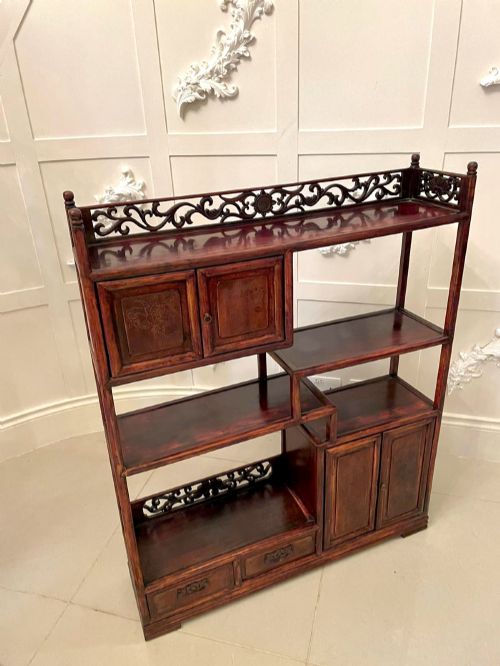
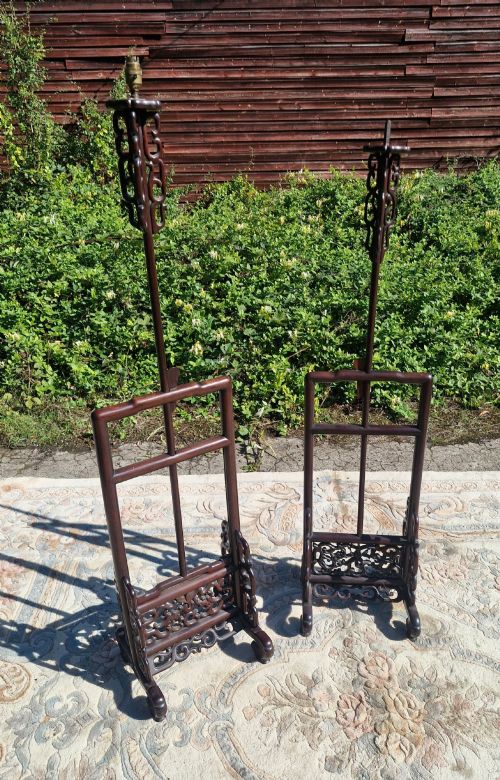
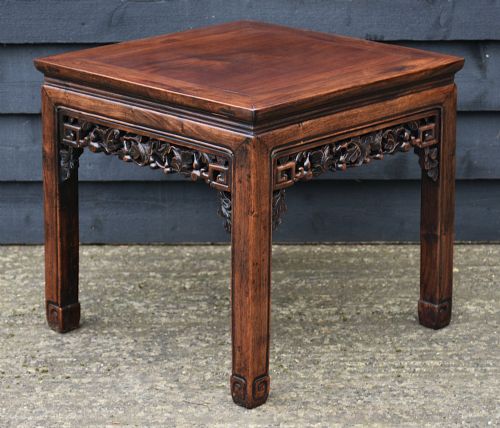
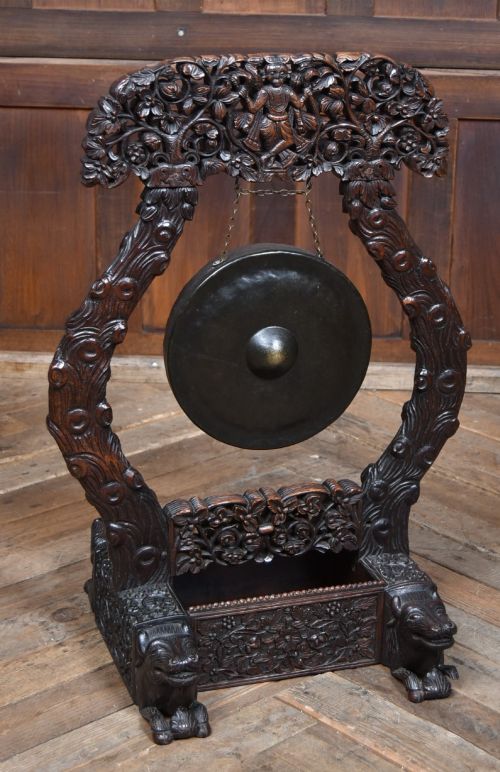
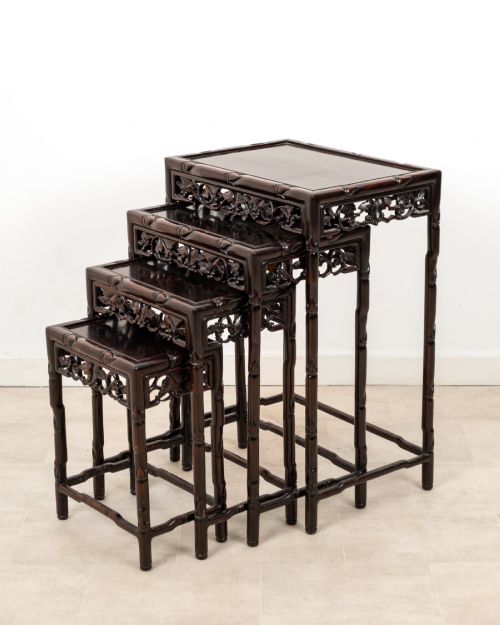
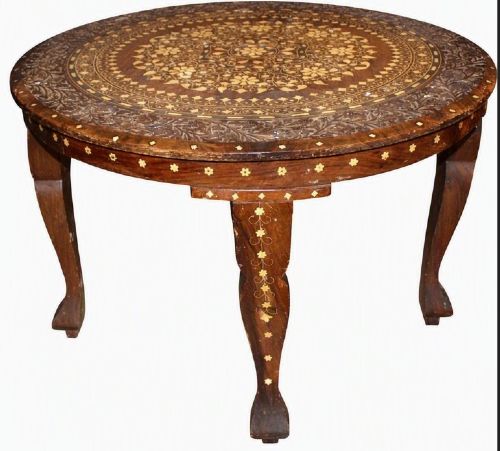
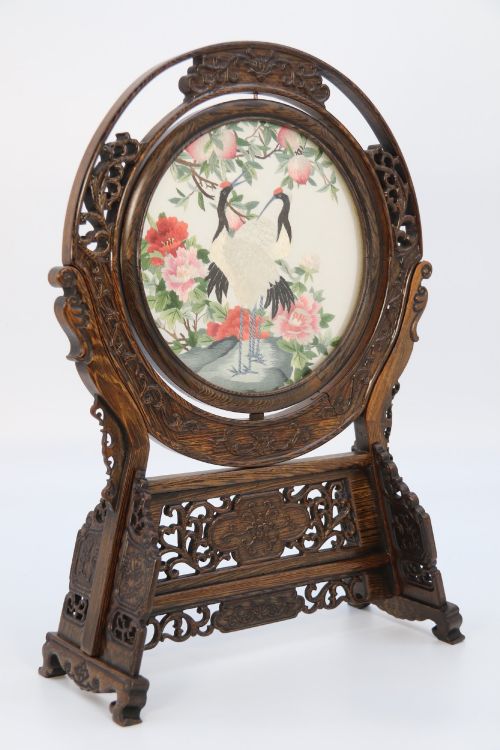
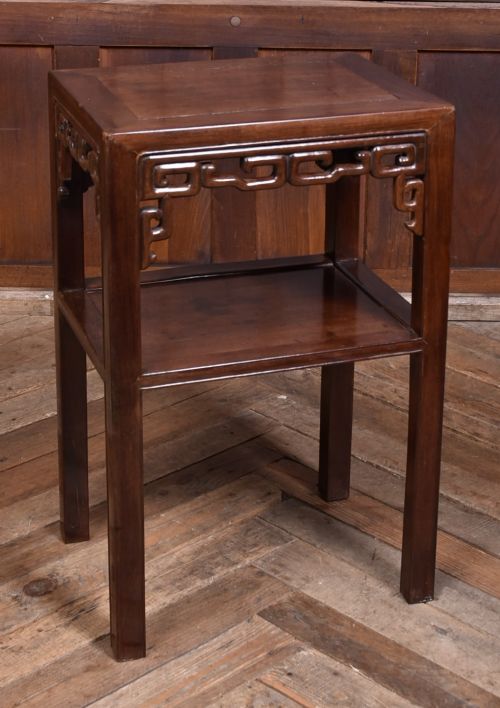
An oriental dark hardwood stand encompasses low tables, pot holders, and pedestal supports shaped for display. These pieces emerge from the nineteenth century into the Edwardian era, bearing Qing Dynasty motifs and export designs.
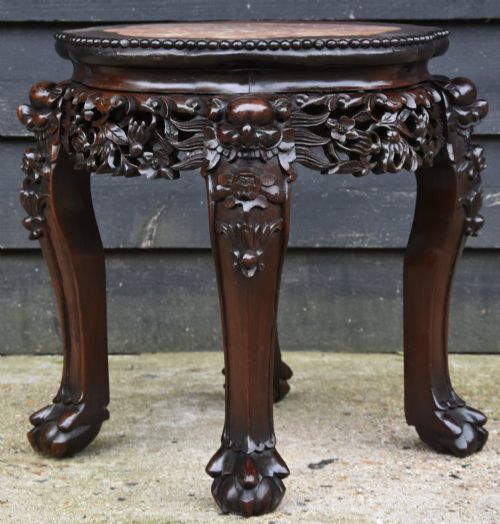
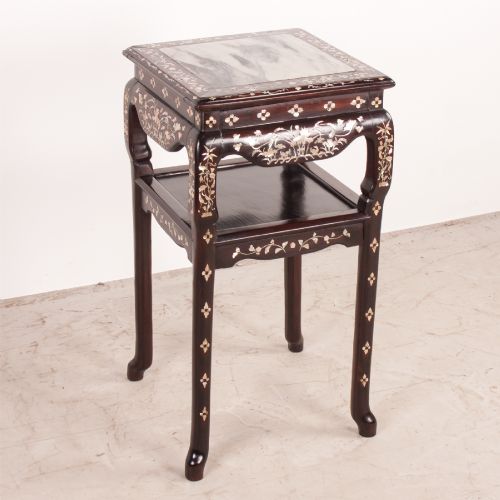
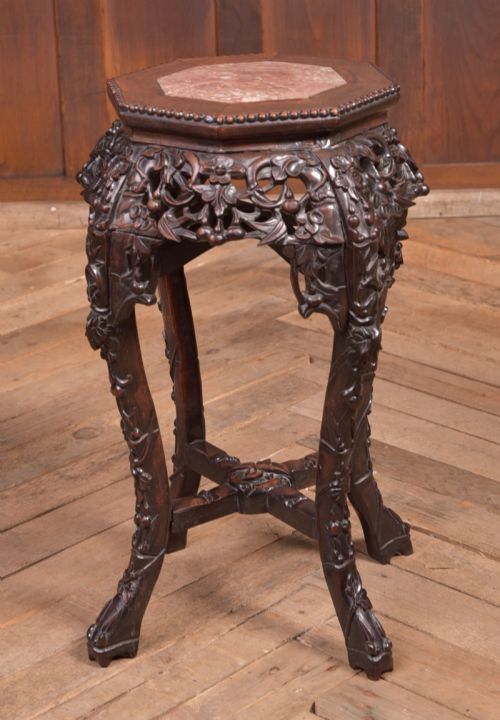
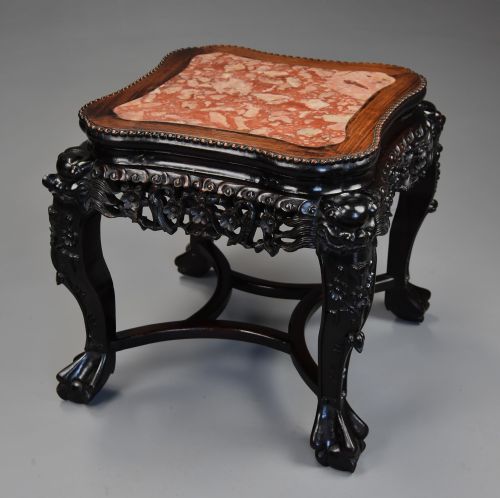
The most frequent encounters on this page are carved jardiniere supports and vase tables fitted with marble insets. Makers from Chinese workshops and Anglo-Indian makers shaped dense timber to elevate ornamental objects.
The inventory moves between occasional furniture and dedicated display bases, each adapted for domestic interiors. Construction relies on heavy tropical woods designed to bear weighty porcelain and bronze.
Materials and Technique
Carpenters utilised dense tropical timbers including rosewood, padouk, and general hardwood, often left in their dark natural state. These heavy woods resisted warping while supporting concentrated loads from large vessels.
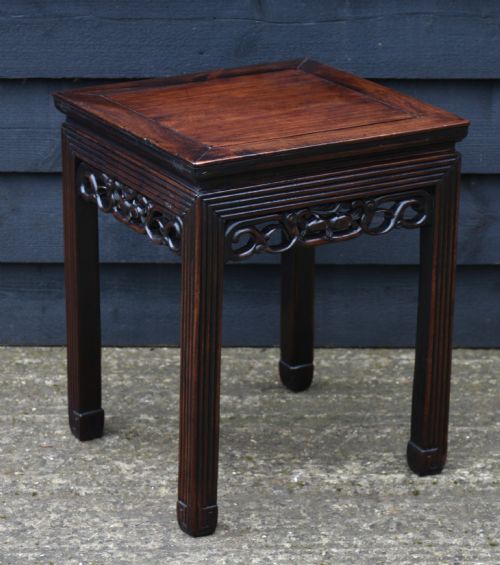
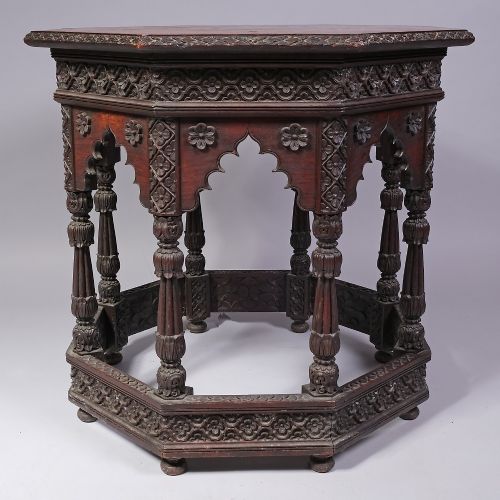
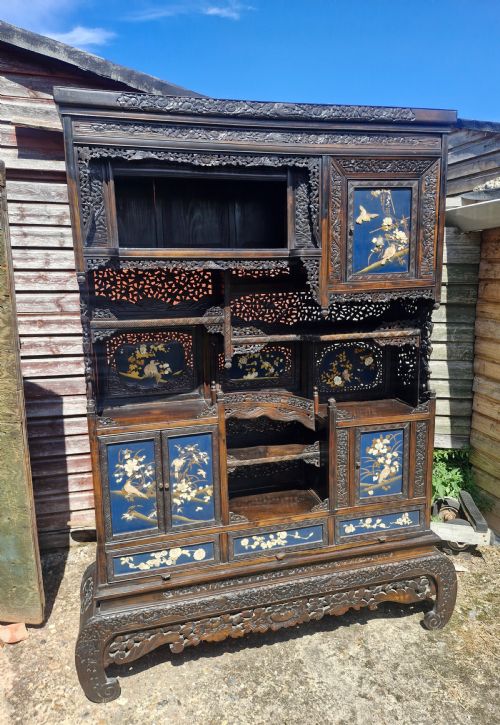
Carving techniques combined deep relief work with pierced aprons and shaped legs, joined using traditional mortise and tenon methods. Insets of variegated rouge marble or mother of pearl were fitted directly into the timber frames.
Listings feature items spanning the nineteenth century, Victorian era, and early twentieth century in hardwood, rosewood, and marble.
Evaluating Execution
The standard of carving dictates the division between basic production and finer output, visible in the crispness of undercut foliage and animal motifs. Superior examples maintain balanced proportions where the weight of the legs matches the mass of the top.
Material selection further separates pieces, particularly the choice of dense rosewood or padouk over lighter secondary timbers. The integration of inset marble panels that sit flush without excessive filler indicates superior workshop practice.
Liberty & Co·Gabriel Viardot
The Oriental Dark Hardwood Stand Glossary
- Jardiniere stand
- A tall or low support specifically designed to hold a ceramic flower pot or plant bowl. These pieces frequently feature circular tops inset with marble to resist moisture.
- Hongmu
- A Chinese term translating to red wood, applied to dense, dark hardwoods used in traditional furniture making. The material possesses a natural weight and dark hue that requires no stain.
- Archaistic
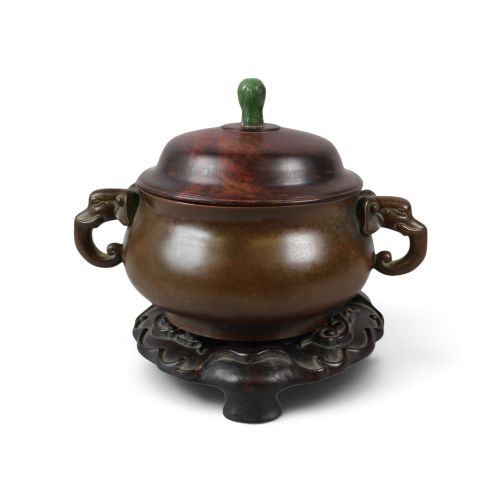
- A stylistic choice mimicking ancient bronze or jade forms from earlier Chinese dynasties. Makers applied these ancient motifs to nineteenth-century vessels and their accompanying wooden bases.
- Pedestal stand
- A raised platform or column built to elevate urns, figures, or lamps above floor level. The construction emphasises vertical stability through heavy bases and sturdy shafts.
Oriental Dark Hardwood Stand: Frequently Asked Questions
What fits on an oriental dark hardwood stand?
These supports accommodate heavy ceramic jardiniere bowls, bronze vessels, and decorative table lamps.
The sturdy timber construction and flat tops provide a stable platform for substantial decorative items.
How do I care for rosewood and hardwood?
Maintain the timber by dusting with a dry cloth and avoiding placement near direct heat sources.
Harsh chemical polishes should be avoided to protect the natural finish of the dense wood.
Are marble tops original to these stands?
Marble insets were commonly integrated into pot stands and low tables during the nineteenth century to protect timber from dampness.
The stone panels sit within a rebated groove cut directly into the hardwood frame.
How are nineteenth-century pieces identified?
Dating relies on timber density, construction methods, and stylistic elements linked to the Qing Dynasty or export periods.
Hand-cut joinery and traditional patination distinguish these older pieces from modern reproductions.