





Oriental Charger Plate Pair
An oriental charger plate pair brings striking colour and intricate pattern to a wall or table, originating mainly from Japanese and Chinese workshops.
Oriental Charger Plate Pair
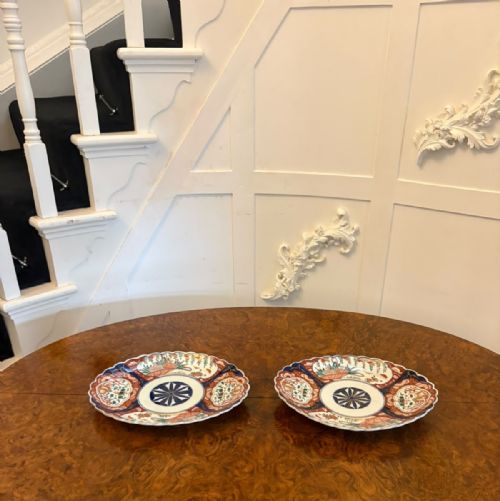
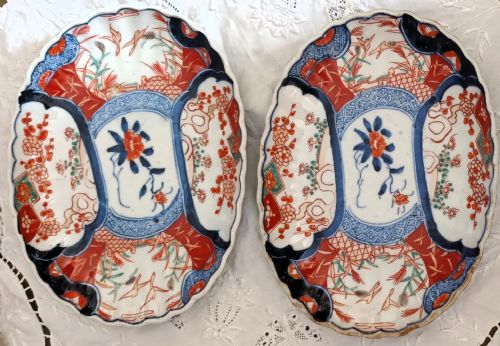
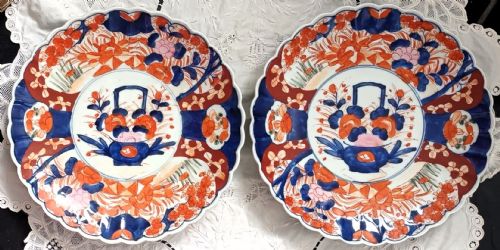
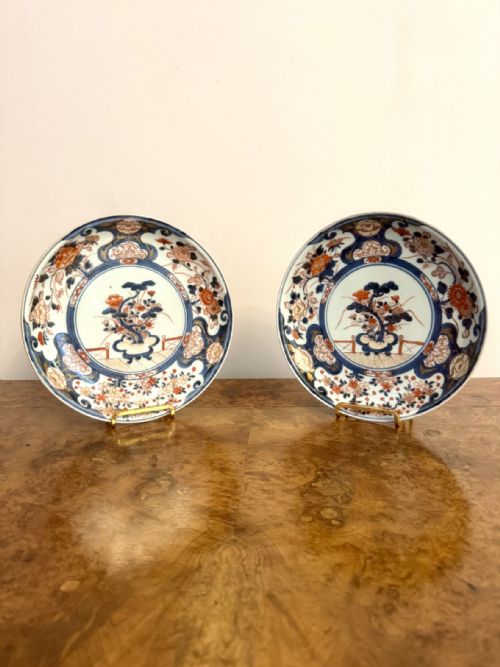
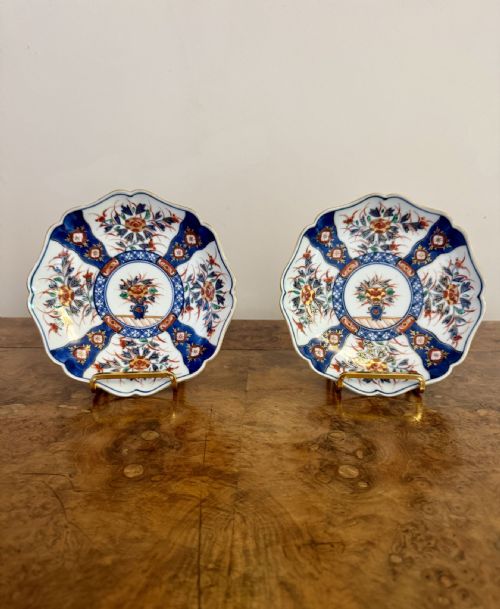
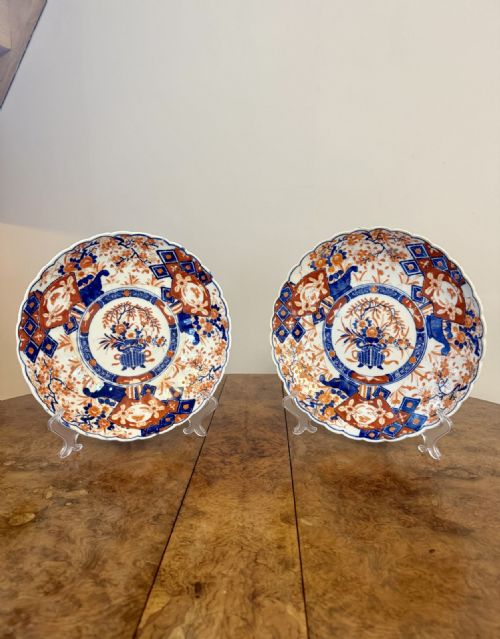
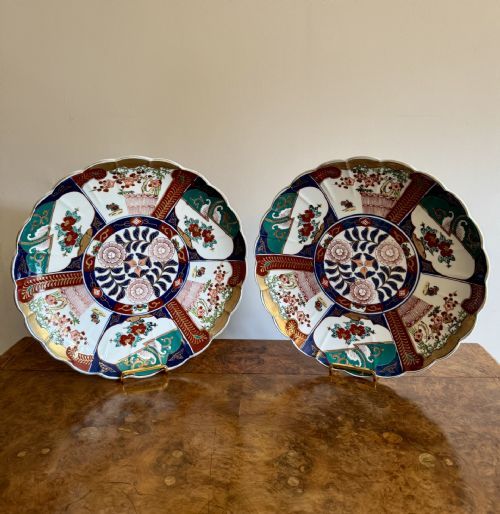
When you search for an oriental charger plate pair, you encounter large decorative ceramic and metal vessels designed for display rather than dining. The examples seen here consist predominantly of Japanese Imari porcelain alongside Chinese export porcelain and cloisonne enamel dishes.
Most entries date from the nineteenth century, particularly the Meiji period around 1900, alongside earlier eighteenth-century Chinese wares and Victorian imports. Forms range from heavy round chargers and wall plates to scalloped edge display dishes and oval shapes.
Japanese Imari pieces dominate the selection, showing distinctive blue and white or polychrome palettes often depicting birds and traditional motifs. Buyers also find brass, bronze and cloisonne enamel items featuring dragon designs and intricate surface work.
How they were made
Makers shaped these items using porcelain clay or metal bases such as brass and copper, applying hand-painted cobalt pigment and enamel glaze before firing. Many pieces incorporate delicate gold leaf highlights or cloisonne wirework to separate coloured enamels.
Japanese Arita and Meiji workshops utilised traditional kiln techniques to produce durable porcelain bodies with rich underglaze blue and overglaze iron red accents. Cloisonne examples required meticulous soldering of thin metal strips onto copper bases to form cells before filling with coloured pastes.
Periods represented span from the 1750 Qing Dynasty through to Victorian imports and the 1920s.
What varies in quality
The distinction between ordinary production and finer examples rests on the crispness of the hand-painted details and the depth of the glaze colours. Superior pieces display precise brushwork, balanced compositions, and well-executed motifs such as the Seven Lucky Gods or exotic birds.
Weight, potting thickness, and the complexity of the enamel work also separate top-tier chargers from standard plates. Cloisonne items depend on the neatness of the wire cells and the absence of pitting in the fired enamel surface.
The Oriental Charger Plate Pair Glossary
- Imari
- A style of Japanese porcelain featuring a palette of underglaze blue, iron red, and gilt highlights. These wares were heavily exported to Europe from the port of Imari.
- Meiji Period
- The era of Japanese history lasting from 1868 to 1912, known for significant export of decorative arts to Western markets. Pieces from this time often exhibit meticulous hand-painted detail.
- Cloisonne
- A technique where metal wires form raised barriers on a copper or brass body to create compartments filled with enamel paste. The object is then fired and polished smooth.
- Arita
- A Japanese town and the historic centre of porcelain production in Hizen province. Arita kilns supplied the bulk of exported Japanese blue and white wares.
- Charger
- A large decorative plate traditionally used for ceremonial display rather than serving food. These items often hang on walls or sit on mantelpieces.
Oriental Charger Plate Pair: Frequently Asked Questions
How do I hang a heavy charger?
Heavy chargers require specialised wall brackets or spring-loaded plate hangers designed to support the specific weight of porcelain or metal. Ensure the fixing secures firmly into a wall stud rather than plaster alone.
Displaying these items safely protects them from accidental knocks while allowing the painted surface to remain clearly visible at eye level.
Are these plates food safe?
Historic decorative plates often feature lead-based enamels or surface wear that makes them unsuitable for serving food today. They function best as purely ornamental display pieces.
Hand-painted glazes from the nineteenth century can also sustain damage from cutlery or modern dishwashing detergents.
How do I tell Imari from other porcelain?
Imari porcelain relies on a distinct colour combination of deep underglaze cobalt blue and contrasting iron red, frequently accented with gold leaf. The motifs typically fill the entire surface with floral patterns or panels.
Examining the foot ring of the plate often reveals character marks or kiln stilt marks characteristic of Japanese production.
How should I clean my charger?
Dust these pieces gently with a soft dry cloth to prevent accumulation in recessed enamel or cloisonne wire lines. Avoid soaking or using abrasive cleaning agents.
Water can seep into unglazed foot rims or historic hairline fractures, so damp cleaning requires extreme caution.