



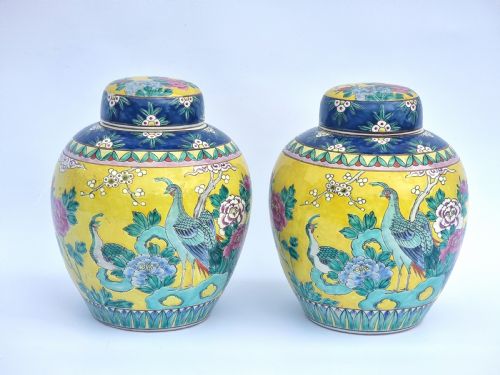


Oriental Ceramic Ginger Jar
When you search for an oriental ceramic ginger jar, you are looking at centuries of precise porcelain vessels designed for storage and display.
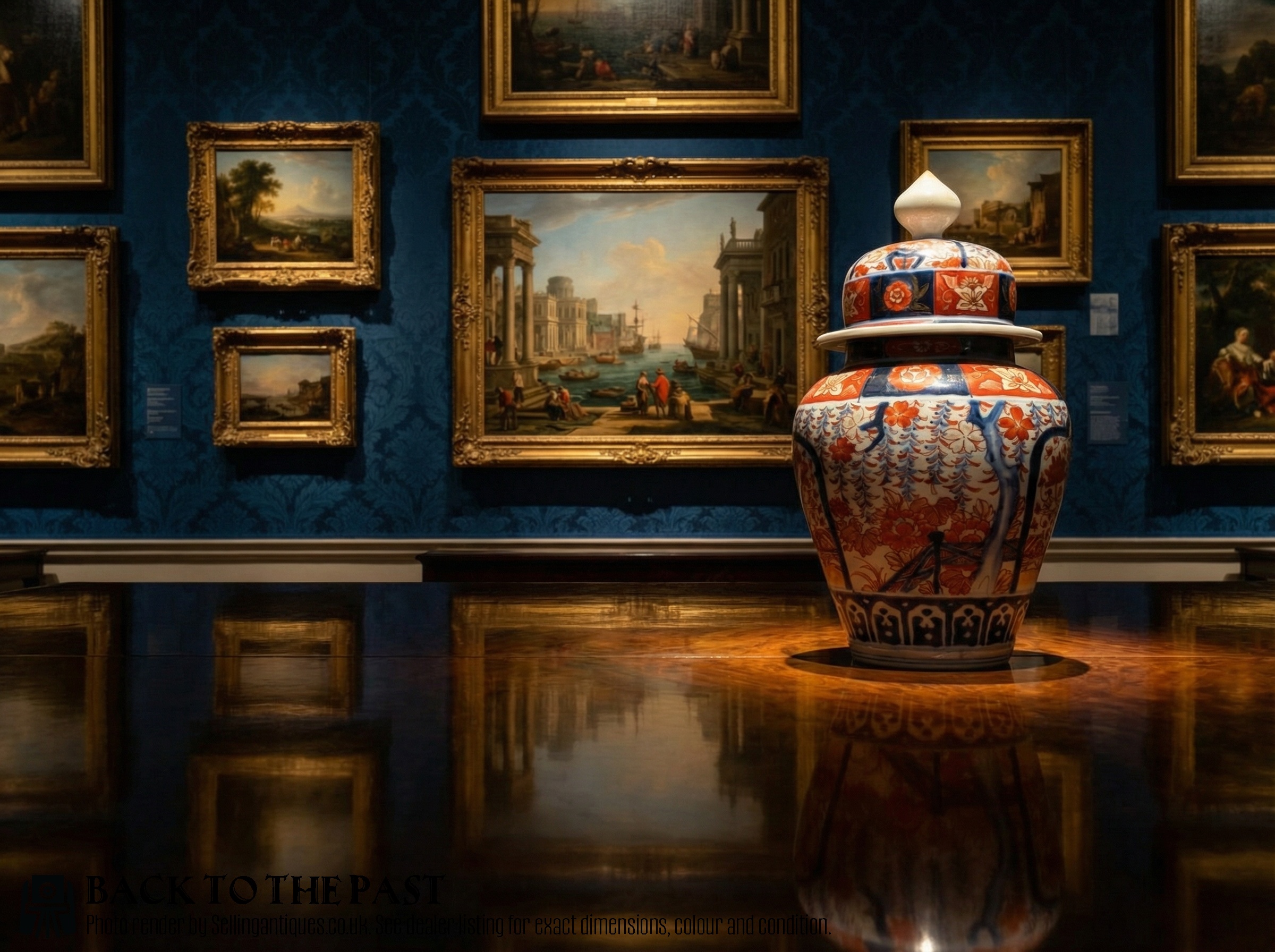
Oriental Ceramic Ginger Jar
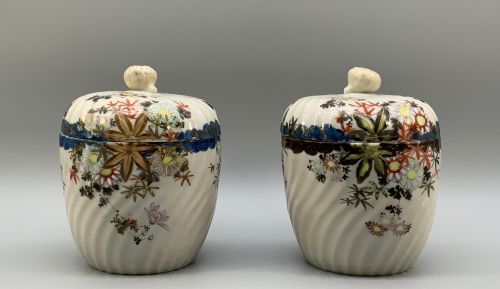
An oriental ceramic ginger jar brings centuries of potting tradition into a room, originating as utilitarian storage containers before becoming prized decorative objects. The pieces found here span storage jars, lidded vessels, and tea caddies, alongside examples adapted into table lamps.
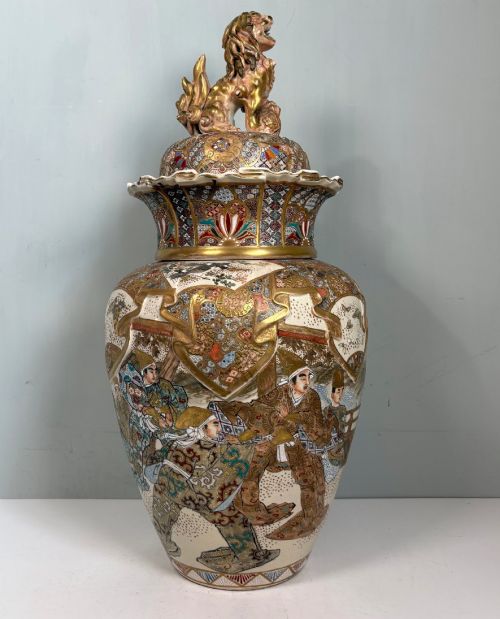
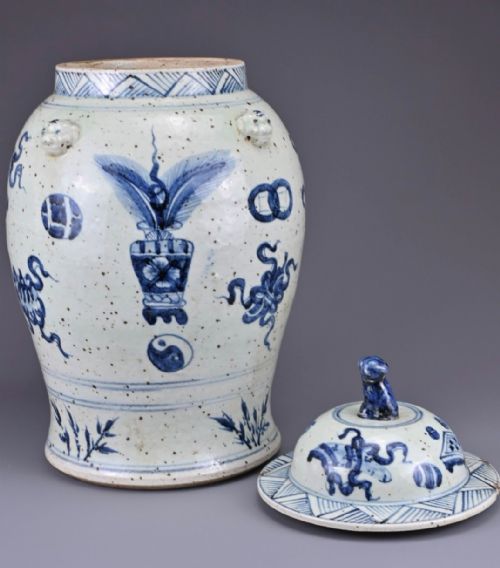
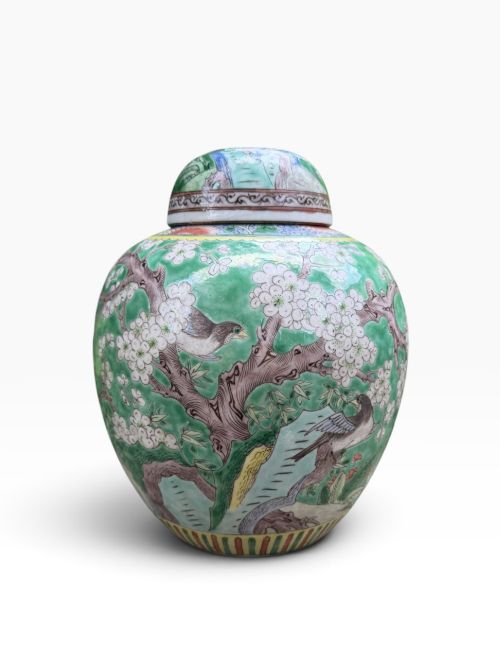
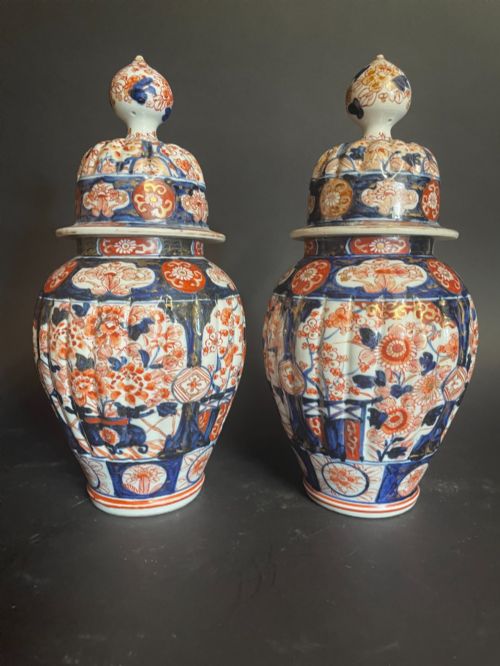
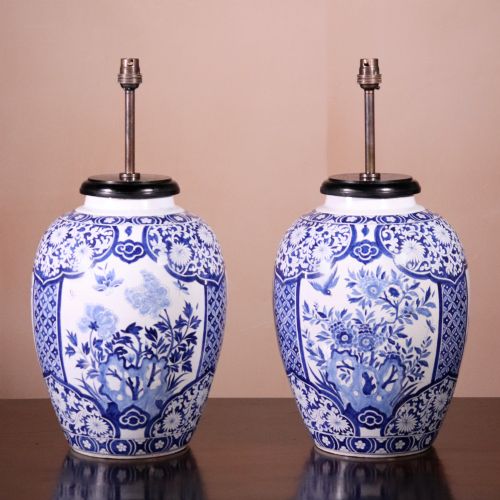
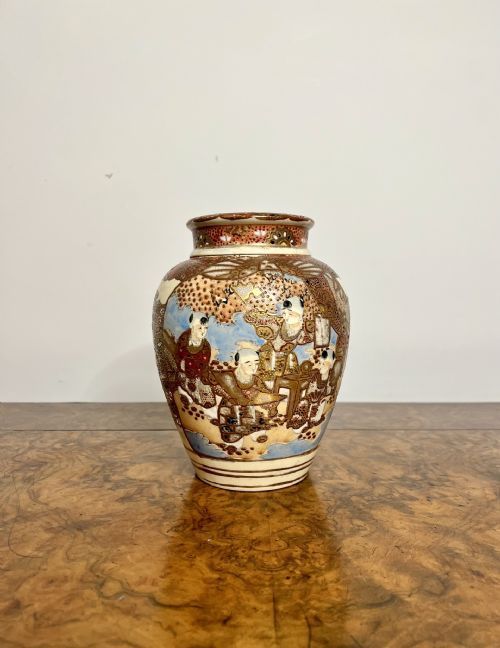
Most examples encountered on this page date from the nineteenth century, though the selection reaches back to the seventeenth century and extends into the twentieth. Japanese Imari, Satsuma, and Chinese blue and white dominate the offerings, appearing singly and in matched pairs.
Forms range from stout baluster jars to slender vases and tea jars, frequently retaining their original fitted covers. Collectors encounter both export wares intended for Western markets and traditional pieces created for domestic appreciation.
Materials and Techniques
These vessels are shaped from porcelain and earthenware, fired at high temperatures to achieve durable bodies. Potters applied underglaze blue and polychrome enamels, sometimes incorporating gold leaf and crackle glazes to enrich the surface.
Hand-painting defines the decoration, with artisans executing intricate floral, landscape, and figurative motifs. Certain pieces feature metal mounts in brass or ormolu, added during later adaptations into lamps or to reinforce rims.
Several jars disguised as tea caddies spent centuries hiding better leaves than anyone in the parlour was actually drinking.
Assessing Quality
Quality rests in the crispness of the hand-painted decoration and the balance of the vessel's proportions. Finer examples display confident brushwork and rich, stable enamel colours that adhere evenly to the porcelain body.
The presence of a clear period mark or a recognised studio signature elevates a piece, as does the survival of the matching original cover. Heavier, well-potted bodies with controlled glaze application distinguish superior studio and export wares from standard production.
The Oriental Ceramic Ginger Jar Glossary
- Imari
- A style of Japanese porcelain featuring a palette of underglaze blue, iron red, and gold. It originated in Arita and became widely exported to Europe.
- Satsuma
- Earthenware pottery from Japan characterised by a ivory craquelure glaze and dense polychrome and gilt decoration. These pieces often depict figures and landscapes.
- Famille Rose
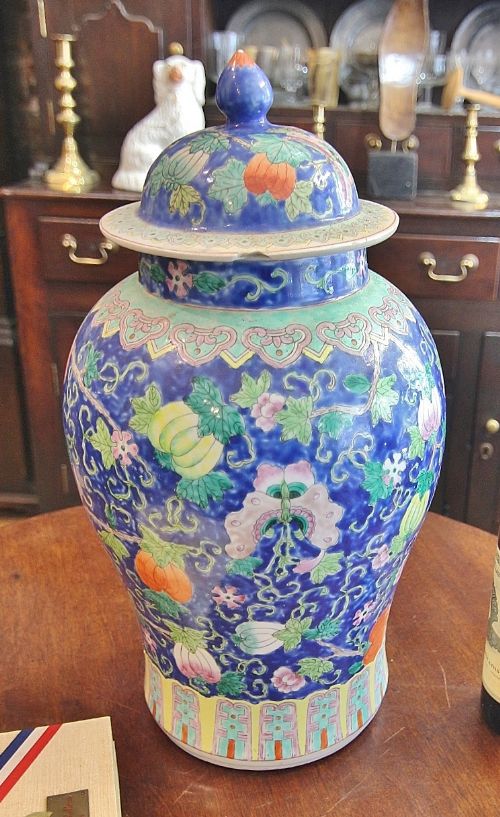
- A palette of Chinese porcelain decoration dominated by opaque pink or rose enamel, introduced during the Qing dynasty. It allowed for subtle shading in floral and human subjects.
- Baluster
- A jar shape with a rounded body that tapers toward the base, resembling an architectural baluster. This form provides stability and generous surface area for decoration.
- Ormolu
- Gilded bronze mounts applied to ceramics, frequently seen on nineteenth-century pieces adapted into lamps. It provided a decorative and protective edging.
Oriental Ceramic Ginger Jar: Frequently Asked Questions
What were ginger jars used for originally?
These vessels served initially as practical containers for shipping and storing spices, salt, and oils across Asian trade routes.
Over time, their robust shapes and decorative appeal led to them being adopted purely for interior display in European and domestic homes.
How do I spot a reproduction from an antique jar?
Examination of the foot rim and glaze pooling reveals the age of the porcelain body and the characteristics of nineteenth-century or earlier firing methods.
Authentic pieces show natural wear, consistent crazing within the glaze, and hand-painted details rather than modern transfer printing.
Are ginger jar lamps original or later conversions?
Many ginger jars found today were wired into table lamps during the nineteenth or twentieth centuries to suit contemporary interiors.
Some conversions incorporated brass or ormolu mounts to secure the electrical fittings without permanently damaging the ceramic body.
How should I clean my ceramic jar?
Dusting gently with a soft, dry cloth keeps the glazed surface free from buildup without risking the delicate enamel or gold leaf decoration.
Water and chemical cleaning agents should be avoided, particularly on antique pieces with unglazed bases or fragile overglaze paints.