



Oriental Ceramic Display Vases
Oriental ceramic display vases bring together intricate hand-painted traditions from Japan and China across the nineteenth and twentieth centuries.
Oriental Ceramic Display Vases
When you search for oriental ceramic display vases, you encounter a diverse array of decorative vessels originating from China and Japan. These pieces span from small cabinet items to monumental floor-standing pillars designed to command attention in a room.
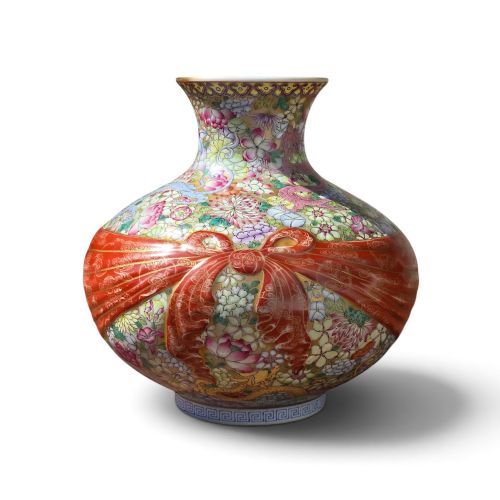
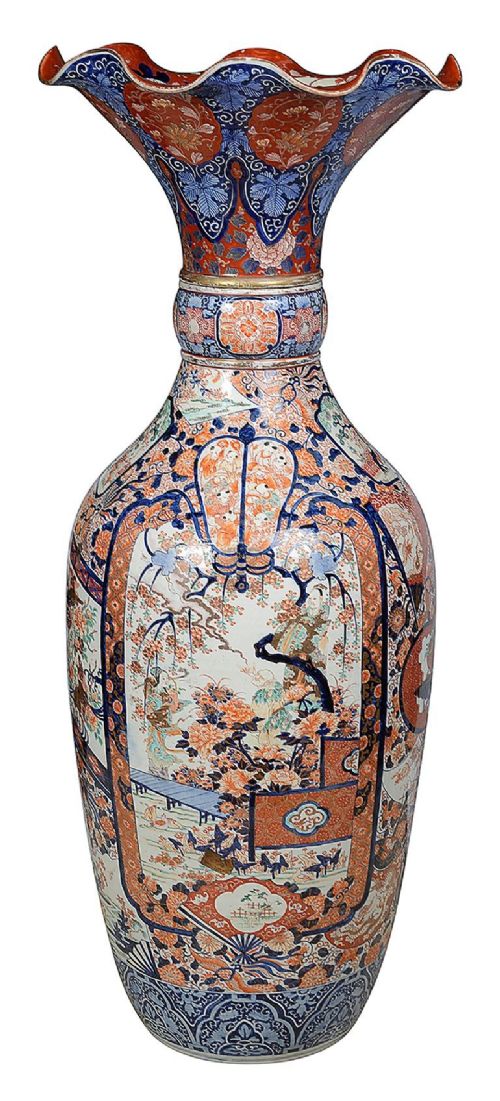
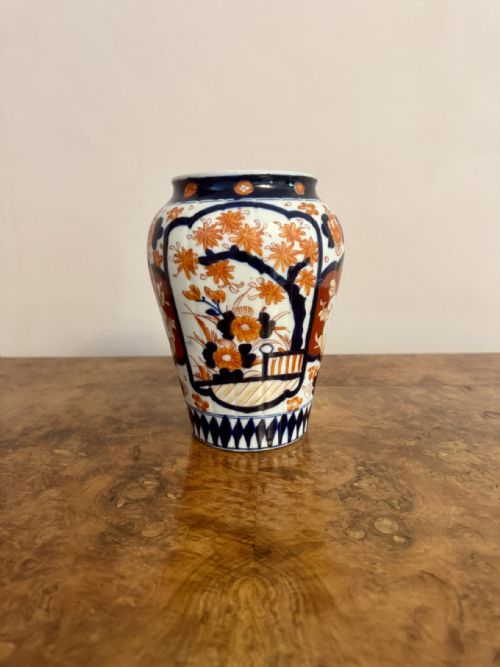
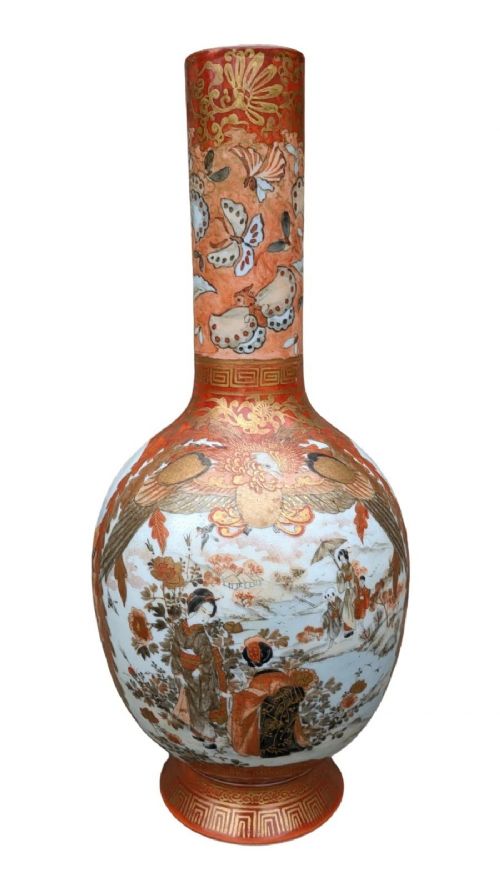
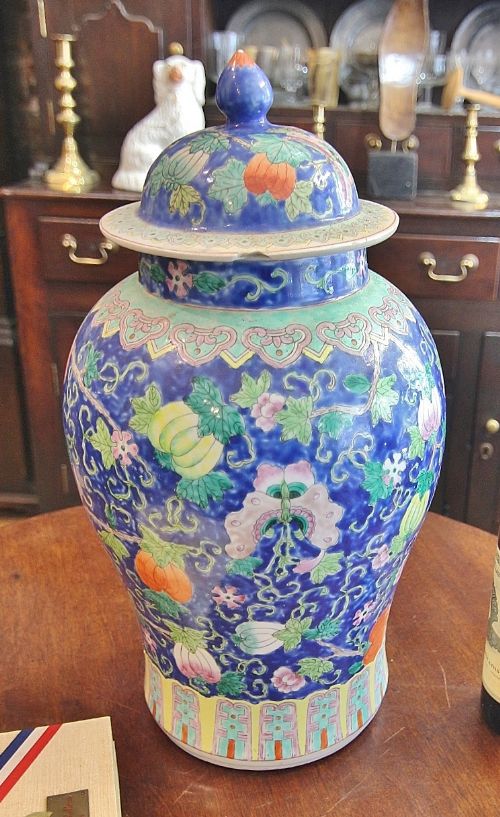
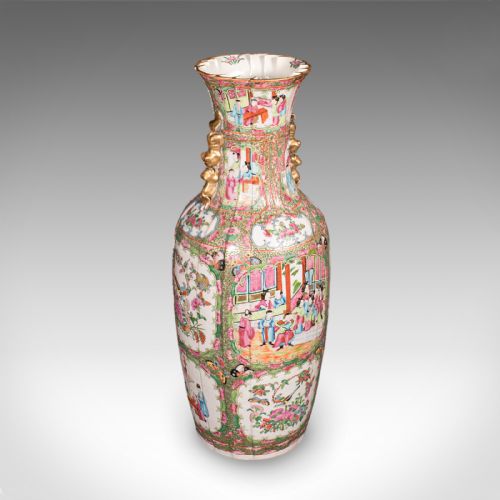
The selections on this page are dominated by nineteenth-century and early twentieth-century examples, including traditional Imari porcelains, detailed Satsuma earthenware, and vibrant Famille Rose jars. Forms range from covered ginger jars and moon flasks to tall cylindrical vases and hexagonal vessels.
Originating largely from distinct stylistic periods such as the Meiji era and the Qing dynasty, these items reflect the skilled export and domestic production of East Asian ceramic centres. Buyers find both paired garnitures and individual statement objects suited for prominent display.
How they were made
Potters shaped fine porcelain and earthenware bodies on the wheel or in moulds, often incorporating ribbed and moulded structural details. These vessels received meticulous hand-painted decoration using mineral pigments and complex glaze combinations.
Enamel and underglaze painting formed the foundation of designs, frequently augmented with heavy gold leaf and gilt accents. Specific workshops applied raised moriage paste to create tactile, dimensional figures and floral panels before final firing.
Listings feature porcelain, earthenware, enamel, and gold leaf applied across nineteenth-century Japanese and Chinese decorative forms.
What varies in quality
The mastery of the brushwork and the density of the painted detail distinguish standard production from exhibition-grade examples. Finer pieces display intricate figural processions, precise facial expressions, and complex patterning that demand immense patience from the artisan.
The application of gilding and the weight of the ceramic body also signal distinction within the range. Heavy gold leaf, rich cobalt grounds, and signed maker marks or studio stamps indicate superior workshop output and elevated artistic ambition.
Kinkozan·Kyoto Satsuma·Hododa·Seiko-en Chokei·Chosei
The Oriental Ceramic Display Vases Glossary
- Imari
- A style of Japanese export porcelain characterised by a palette of underglaze blue, iron red, and gilt highlights. These wares were produced in Arita and shipped globally from the port of Imari.
- Satsuma
- A type of Japanese earthenware featuring an ivory-coloured, crackled glaze that serves as a canvas for elaborate polychrome and gilt decorations. Pieces often depict court figures, landscapes, and historical narratives.
- Moriage
- A decorative ceramic technique involving the piping of slip or enamel to create raised, beaded, or textured surface reliefs. This method provides a tangible, three-dimensional quality to robes, flowers, and borders.
- Famille Rose
- A prominent palette of Chinese porcelain decoration distinguished by an opaque pink or purple enamel introduced during the Qing dynasty. The style accommodates soft floral compositions and detailed figurative scenes.
- Doucai
- A Chinese ceramic technique combining underglaze blue outlines with overglaze enamel infills. The method requires multiple firings to achieve the characteristic contrast between the cobalt blue and the bright surface colours.
Oriental Ceramic Display Vases: Frequently Asked Questions
How do I identify Satsuma ware?
Satsuma ware is typically recognised by its distinct ivory-coloured earthenware body covered in a fine network of crackled glaze. Artisans decorated these surfaces densely with hand-painted polychrome scenes and generous applications of gold leaf.
You will frequently find depictions of court figures, deities, and landscapes rendered with meticulous precision. Many finer pieces also bear signature marks from renowned historic kilns and master painters on the base.
Were these vases made for export?
A large proportion of these ceramics were manufactured specifically for Western export markets during the late nineteenth century. European and American demand shaped the production of large decorative forms, garnitures, and elaborate display pieces.
Exhibition pieces were often sent to international fairs to showcase the technical prowess of Japanese and Chinese potteries. Consequently, many surviving examples reflect a deliberate blend of traditional Asian motifs and Western interior tastes.
How should I display a floor vase?
Large floor vases and heavy garnitures require stable placement away from high-traffic household areas to ensure safety. Positioning them in corners, on sturdy pedestals, or against neutral walls allows the intricate surface details to stand out without visual clutter.
Because many of these vessels are ceramic or porcelain with delicate gilt and enamel work, avoid placing them in direct, harsh sunlight. Consistent indoor temperatures protect the historic glaze and prevent any stress to the antique body.
What is the difference between Imari and Kutani?
Imari porcelain is defined by its hard-paste body and a strict palette that relies heavily on underglaze cobalt blue, rusty iron red, and abundant gold leaf. The patterns often feature floral arrangements and brocade motifs organised in symmetrical panels.
Kutani ware, by contrast, frequently employs a bolder, earthier colour scheme dominated by intense greens, yellows, purples, and reds. Kutani pieces often lean towards pictorial narratives and striking, painterly compositions across cylindrical or flared forms.