
Late Qing Dynasty
Explore late qing dynasty pieces, where intricate bronze censers, carved hardwoods, and vibrant porcelains bring heritage craft directly into your home.
Late Qing Dynasty
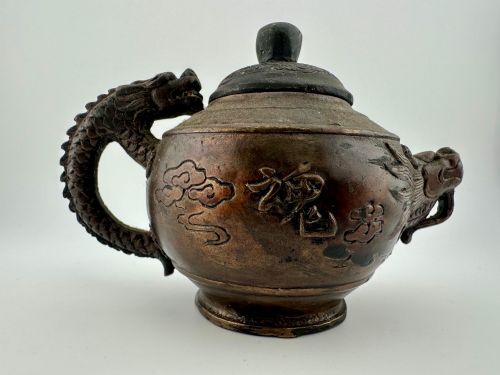
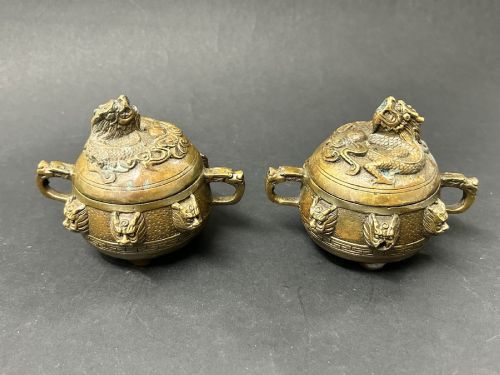
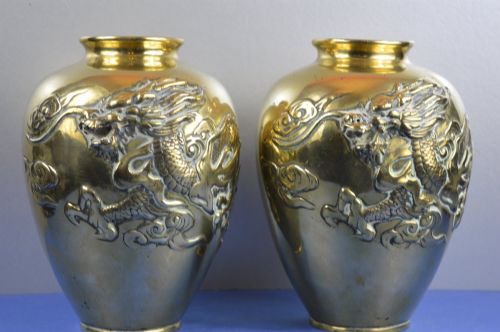
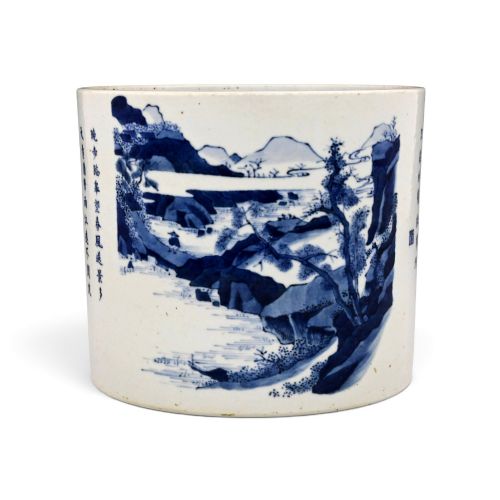
When you examine late qing dynasty items, you encounter a rich variety of decorative and functional objects produced during a transformative period of Chinese craftsmanship. The selection encompasses bronze dragon censers, porcelain brush pots, and finely carved hardwood furniture such as horseshoe-back armchairs and nesting tables.
You are most likely to meet nineteenth-century hardwood stands, blue and white porcelain vessels, and cloisonné enamel items on this page. These domestic furnishings and scholar's objects reflect the refined aesthetic and material culture of the era.
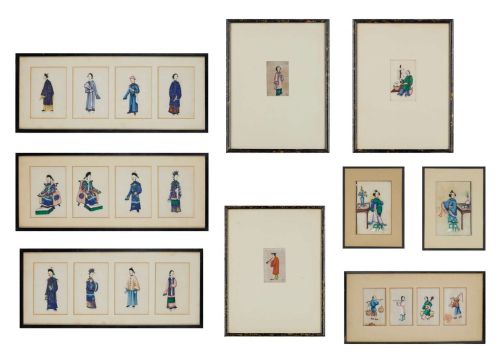
The surviving inventory bridges daily utility and decorative arts, ranging from apothecary chests to pith paintings and coral figural groups. Each category demonstrates the distinct artistic output characteristic of the final imperial decades.
How they were made
Artisans utilised dense tropical timbers like hongmu and rosewood to construct joinery-intensive furniture such as altar tables and nests of tables without relying on metal fasteners. Bronze items were shaped through skilled casting techniques, frequently finished with gold leaf or detailed high-relief chasing to depict mythical beasts and floral motifs.
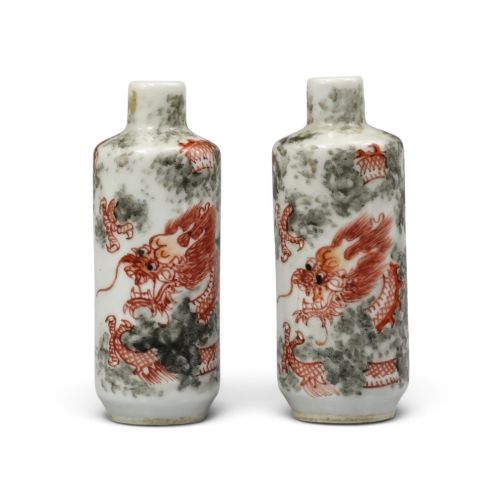
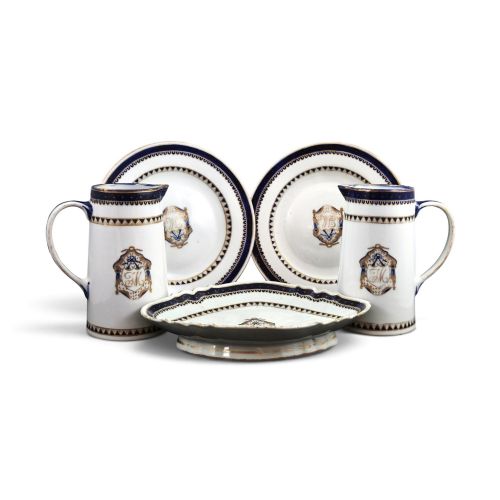
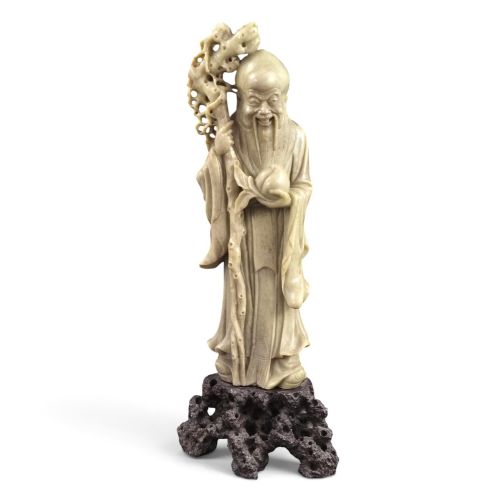
Ceramic production involved high-temperature firing of porcelain bodies decorated underglaze in blue or overglaze with iron-red enamel and famille rose palettes. Lacquer workers applied multiple layers of pigmented sap to wooden cores, occasionally incorporating mother-of-pearl inlay or carved soapstone elements.
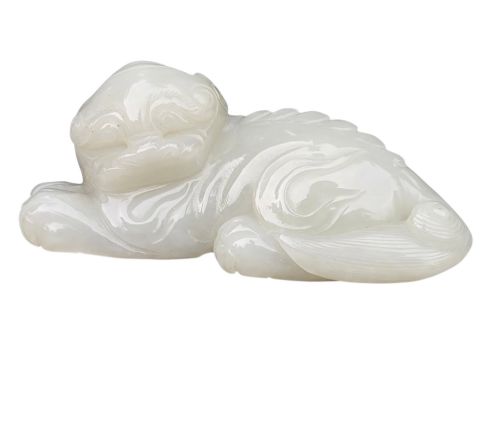
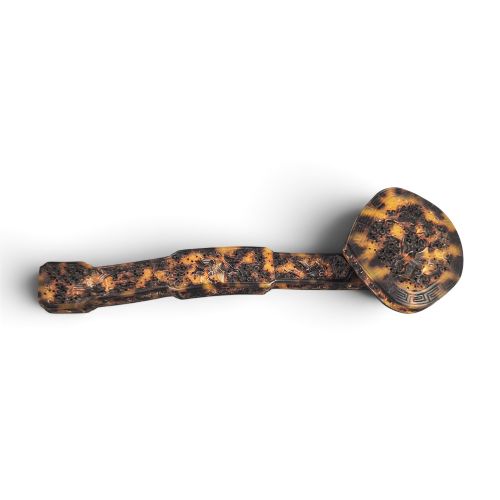
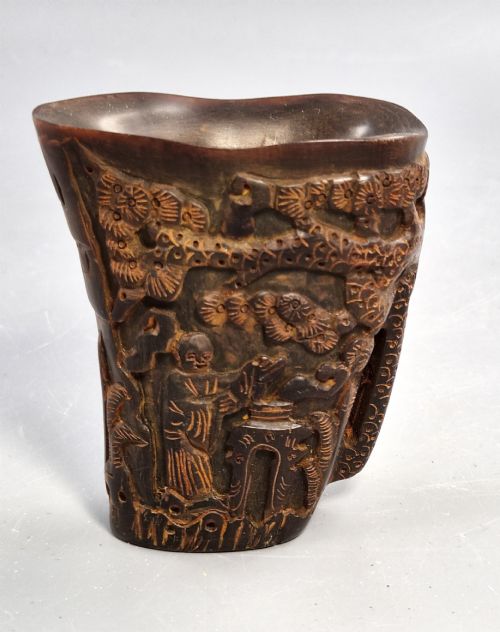
Carvers shaped organic materials including white jade, water buffalo horn, and tortoiseshell into intricate scholar's objects and ruyi sceptres. These demanding methods required generational expertise in handling temperamental media under exacting imperial and export standards.
Several water buffalo carvings preserve the miniature world of herd-boys riding patiently atop carved horn and hardwood beasts.
What varies in quality
The standard of carving and joinery dictates the upper tier of furniture, where crisp detailing on rosewood stands and fluid lines on yoke-back armchairs distinguish master workshops from standard production. Surface preservation also plays a defining role, as original patinas and intact lacquer finishes command greater appreciation.
Porcelain and bronze items separate along the precision of their painting, the weight of the metal casting, and the clarity of decorative marks. Pieces featuring balanced proportions and deeply carved relief work demonstrate superior artistic intent compared to plainer utility goods.
The Late Qing Dynasty Glossary
- Censer
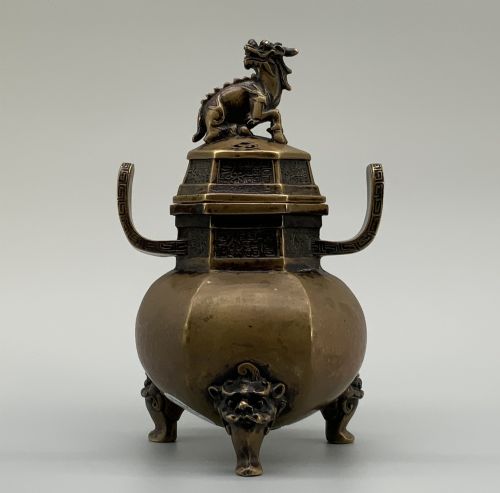
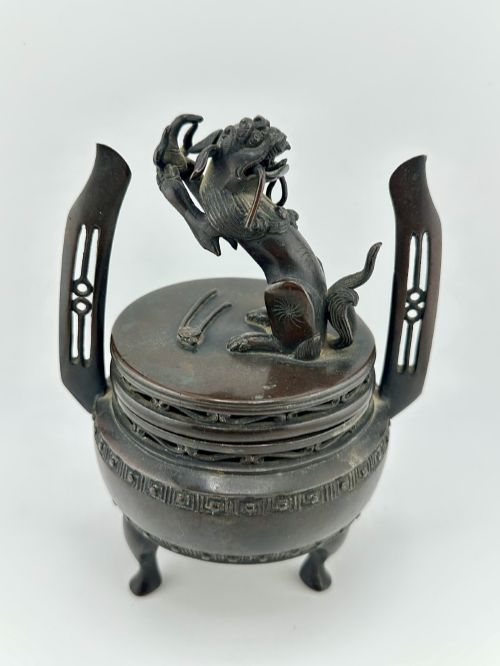
- A vessel used for burning incense during rituals or in scholar's studios. These often feature tripod legs and elaborate animal finials.
- Bitong
- A cylindrical brush pot utilised in traditional Chinese scholar's settings for organising writing implements. They are frequently carved from porcelain, bamboo, or hardwood.
- Cloisonné
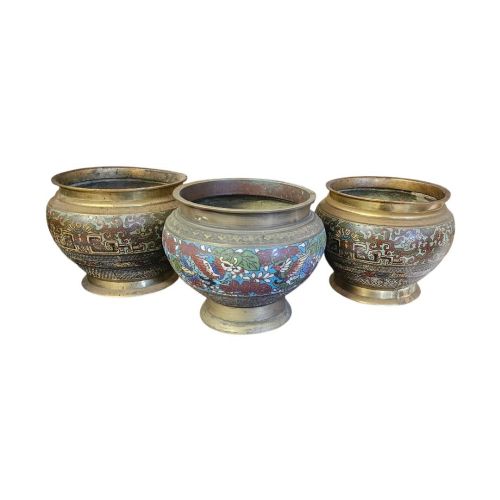
- An enamelling technique where metal wire outlines compartments on a bronze or copper base before paste application and firing. This creates intricate geometric or floral patterns in vibrant colours.
- Ruyi
- A ceremonial Sceptre shaped like a curved mushroom, symbolizing power and good fortune. They were often carved from precious materials such as jade or tortoiseshell.
- Hongmu
- A dense, dark tropical hardwood highly prized by traditional furniture makers for its durability and rich natural grain. It translates literally as red wood.
- Famille Rose
- A palette of opaque enamel colours introduced to Chinese ceramics during the Qing dynasty, characterised predominantly by soft pink and rose hues.
Late Qing Dynasty: Frequently Asked Questions
How do you use a nest of tables?
A nest of tables consists of a graduated set of four freestanding surfaces that slide neatly beneath one another when not in use. They provide flexible display space for lamps, vases, or tea services in a reception room.
In historic interiors, individual tables were pulled out as needed to serve guests before being stacked away to conserve floor space. Today, they remain practical accent furniture that showcases fine hardwood joinery.
Where were porcelain jardinières placed?
Large porcelain jardinières and fish bowls were designed to house aquatic plants, miniature trees, or ornamental goldfish in courtyards and principal rooms. Their heavy, waterproof ceramic walls supported damp soil and water cultivation.
Homeowners arranged them on carved marble-top stands to elevate the vessels for optimal viewing and air circulation. They serve as striking decorative floor pieces in contemporary interiors.
What distinguishes an altar table?
An altar table is a long, rectangular piece of furniture historically positioned against a wall to support ritual vessels, ancestral tablets, or decorative arrangements. They feature slender proportions and often incorporate upturned flanges at the ends of the top board.
Constructed from solid hardwoods with mortise and tenon joints, they bring architectural presence to entryways and living spaces. Their clean lines complement both traditional and modern decorative schemes.