
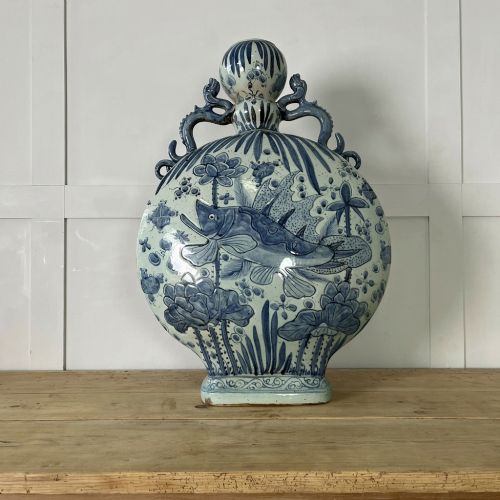


Oriental Ceramic Bottle Vase
These oriental ceramic bottle vase examples unite slender necks and rounded bodies across centuries of Chinese and Japanese production.
Oriental Ceramic Bottle Vase
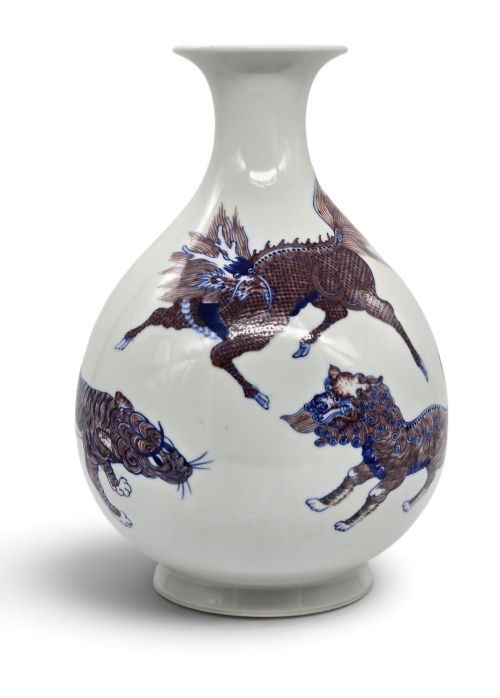
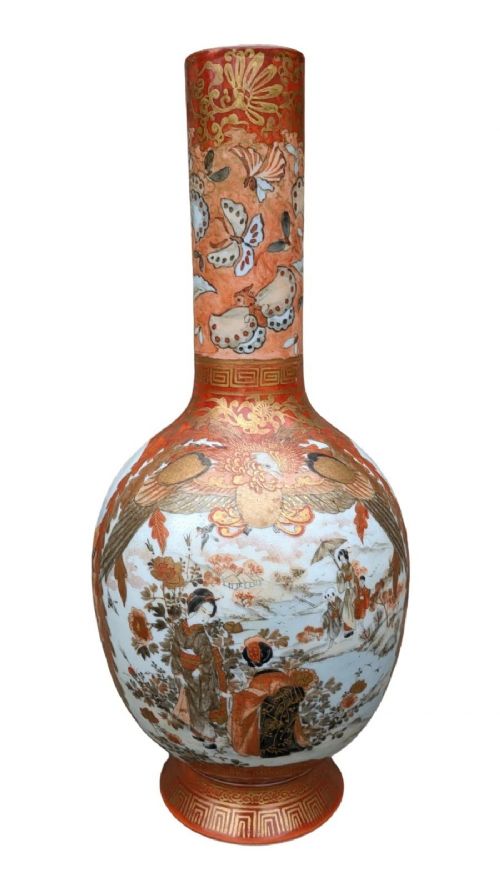
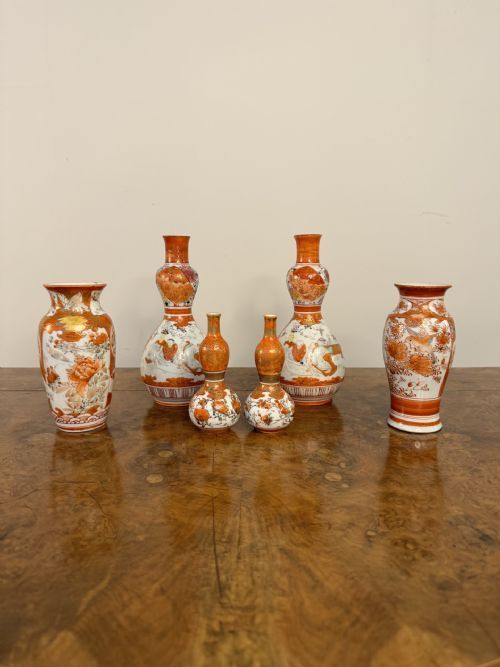
An oriental ceramic bottle vase combines a narrow neck with a bulbous or globular body, designed historically to hold single stems or liquids. The selection ranges from early Chinese blue and white porcelain pieces bearing imperial marks to Japanese Imari and Kutani vessels spanning the seventeenth to the twentieth centuries. Buyers encounter both garlic-mouth profiles and slender-necked variations across these listings.
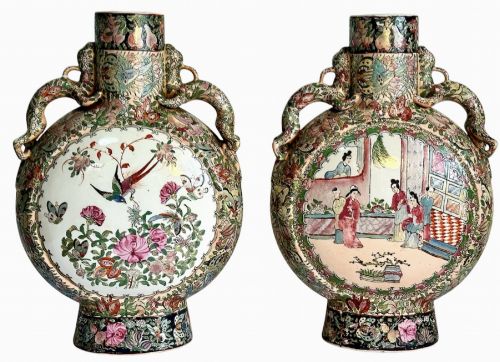
Chinese examples often display underglaze cobalt blue, celadon glaze, or famille rose enamel over porcelain, while Japanese counterparts feature intricate hand-painted Satsuma and Arita designs. The forms stretch from miniature snuff bottles to large decorative vessels shaped during the Qing dynasty and Meiji period. Each item reflects the specific ceramic traditions of its East Asian origin.
How they were made
Potters shaped these vessels from ceramic and porcelain bodies, applying liquid glazes such as cobalt oxide, tea dust, and celadon over the clay before firing. Many pieces incorporate cobalt blue pigments painted directly onto the unglazed surface beneath a clear glaze.
Selected vessels receive additional surface treatment through enamels, gold leaf gilding, or incised motifs carved into the turquoise or monochrome glaze before a secondary low-temperature kiln firing.
Object forms include moon flasks, double-gourd vessels, snuff bottles, and traditional bottle vases from Chinese and Japanese traditions.
What varies in quality
Execution of hand-painted detail separates standard decorative items from superior works, particularly in the precision of mythical beasts, figures, and floral motifs rendered in underglaze blue or famille rose enamels. The clarity of reign marks and seal marks contributes significantly to the standing of a vessel.
The purity of the porcelain body and the evenness of specialised finishes, such as celadon-glazes and tea dust glazes, determine the overall refinement of the piece.
Choshuzan·Jissei·Yoshisada
The Oriental Ceramic Bottle Vase Glossary
- Celadon glaze
- A transparent green or grey-green glaze applied over a porcelain body, creating a subtle jade-like surface appearance.
- Famille rose
- A palette of opaque pink and pastel enamels introduced during the Qing dynasty for detailed polychrome ceramic decoration.
- Japanese Imari
- Porcelains decorated in underglaze blue, iron red, and gold, produced in Arita for both domestic use and export.
- Underglaze blue
- Cobalt oxide pigment painted directly onto the raw clay body before transparent glazing and high-temperature kiln firing.
- Double-gourd
- A traditional bottle shape featuring two rounded bulbous sections stacked vertically, resembling a traditional dried gourd.
Oriental Ceramic Bottle Vase: Frequently Asked Questions
How do I identify a Qing dynasty period vase?
Qing dynasty pieces often exhibit specific underglaze blue painting styles, celadon glazes, or imperial seal marks on the base. Examining the weight of the porcelain and the iron-staining on unglazed foot rims helps confirm the era.
Comparison with documented examples from the same century provides further clarity on the specific reign period and decorative conventions used by the potters.
What is the difference between Imari and Kutani ware?
Imari porcelain typically relies on a distinct palette of underglaze blue, iron red, and gold leaf on hard-paste porcelain. Kutani ceramics often present bolder pictorial designs with heavier enamel applications.
Both traditions originated in Japan but developed separate aesthetic signatures that remain visible in the painted decoration.
How were bottle vases used historically?
These vessels served primarily as decorative objects or containers for liquids and single botanical stems within East Asian interiors. Their narrow necks held slender stems upright without requiring extensive floral arrangements.
Larger versions functioned as formal display pieces within scholar studios and domestic reception rooms.
Do seal marks guarantee the exact age?
Imperial seal marks and reign marks indicate the stylistic period or honour a previous emperor, though later workshops frequently reproduced earlier marks as a sign of respect.
Assessing the potting technique, glaze chemistry, and wear on the base provides a reliable method for dating alongside the mark itself.
How should I care for antique porcelain?
Antique porcelain and enamel surfaces require gentle dusting with a soft, dry cloth and protection from sudden temperature changes. Avoiding abrasive cleaners preserves the delicate gold leaf and overglaze enamel details.
Displaying pieces away from direct sunlight prevents fading of the pigments over time.