
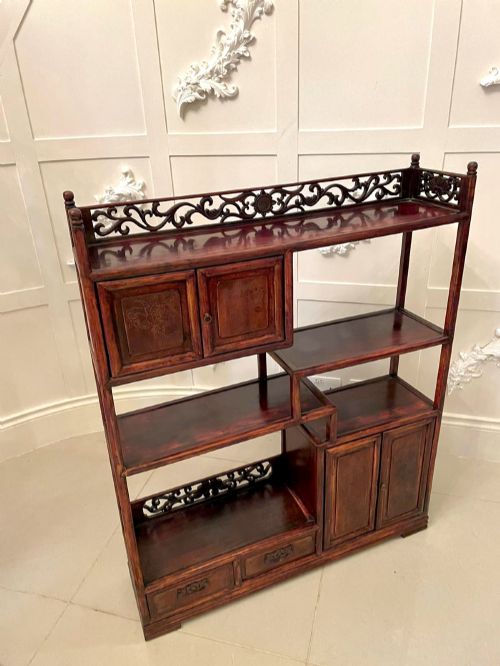
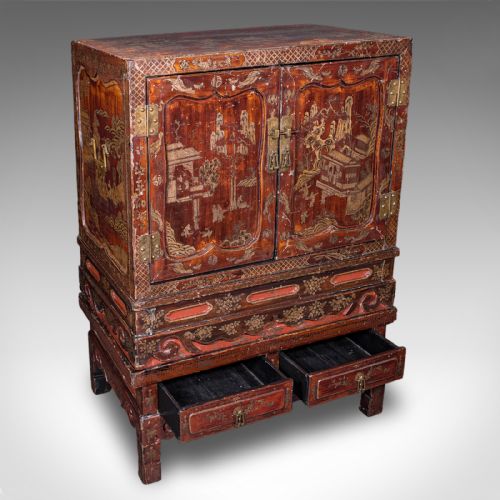

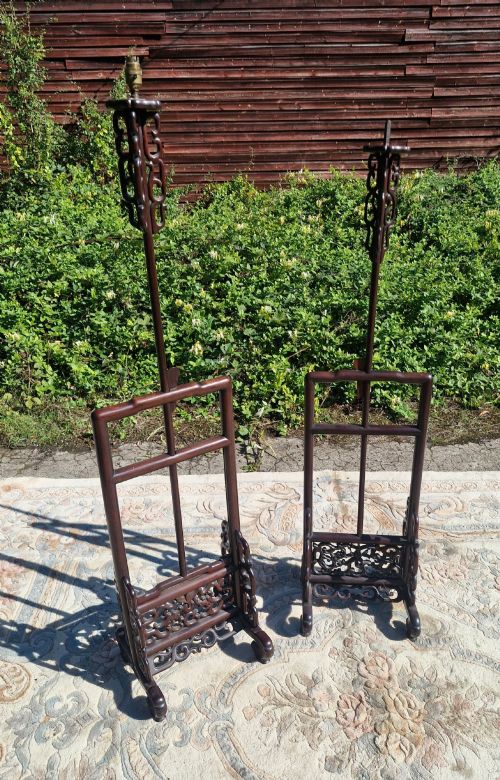
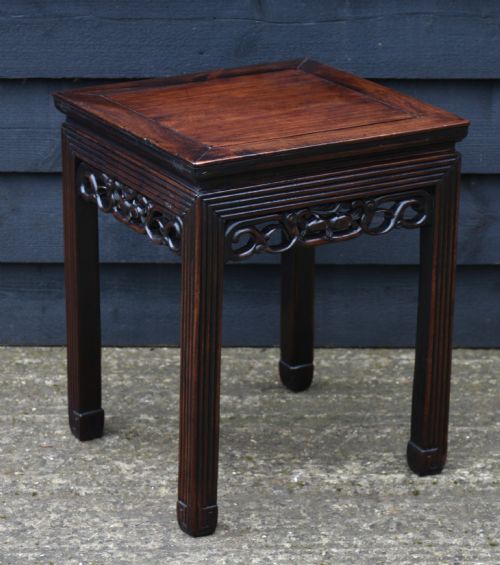
Oriental Carved Stand
When you look for an oriental carved stand, you are seeking a sturdy display piece designed to elevate objects or plants with intricate woodworking traditions.
Oriental Carved Stand
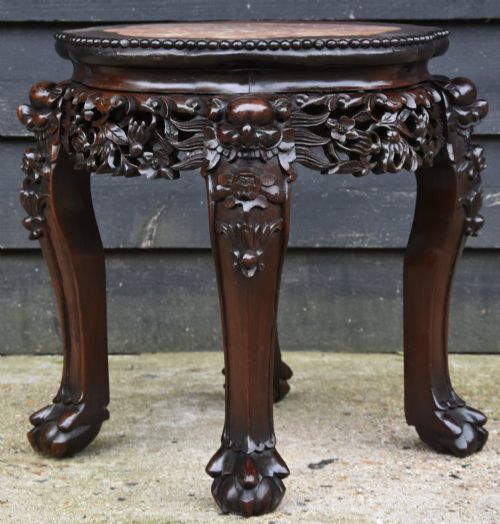
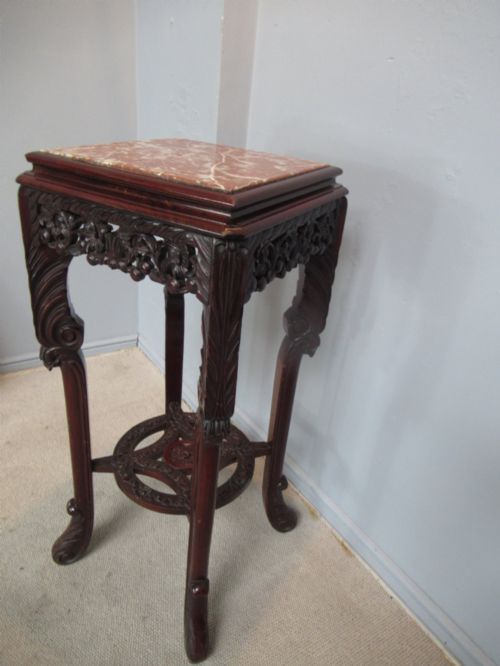
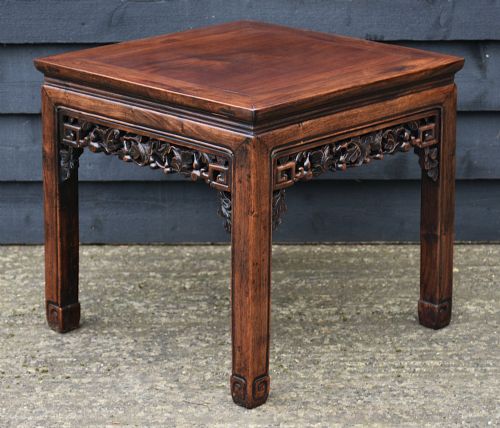
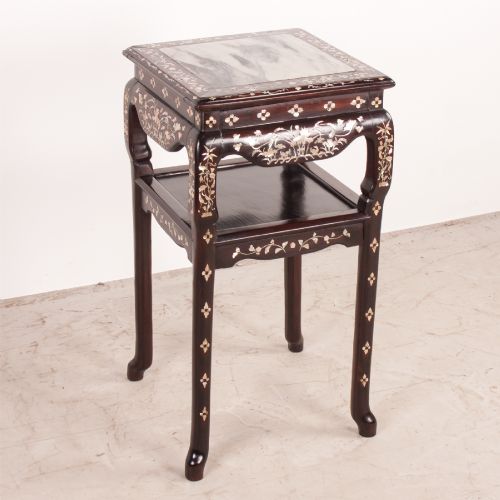
An oriental carved stand serves as a dedicated plinth for vases, urns, figures, and plants within traditional room layouts. These pieces range from low pot stands with inset marble tops to taller pedestal designs and occasional tables.
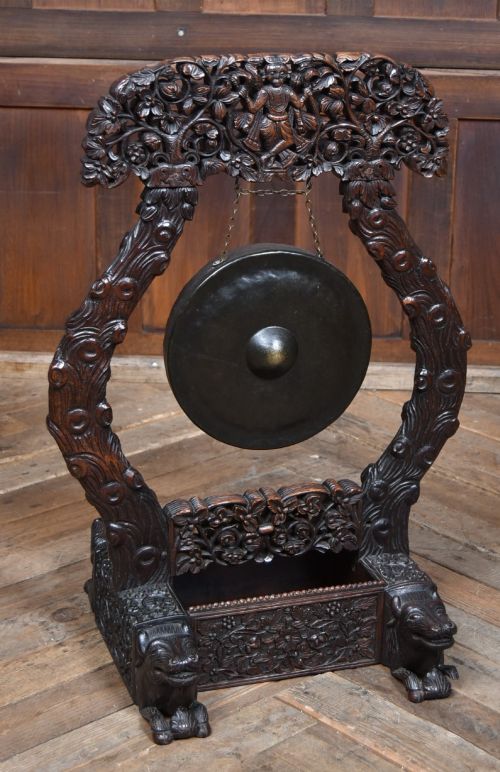
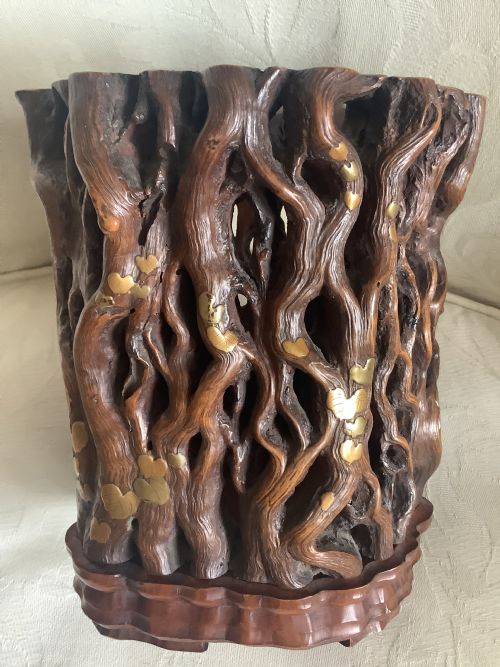
The version you are most likely to encounter on this page originates from nineteenth-century workshops in China and India, frequently rendered in dense tropical hardwoods. They combine functional surface areas with deeply sculpted floral, foliage, or zoomorphic motifs.
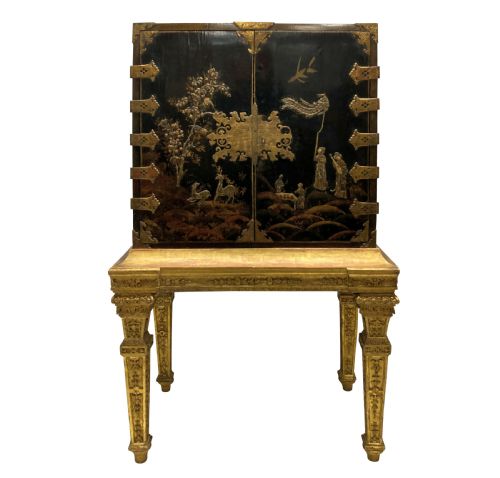
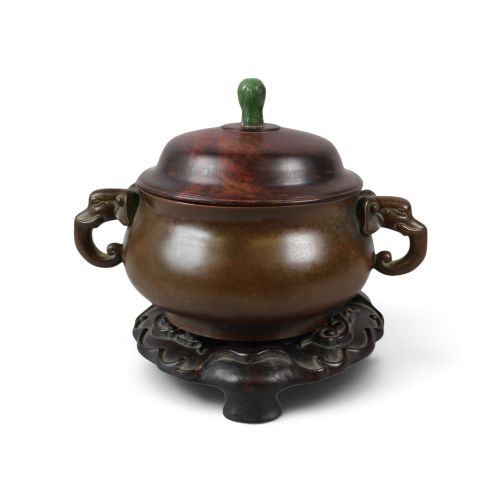
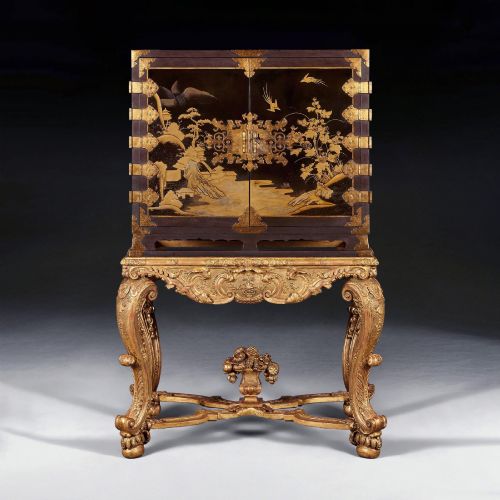
Beyond simple plant supports, the category encompasses specialised holders for porcelain bowls, bronzes, and display cabinets raised on sculpted frames. Each form reflects the historical crossover between Eastern craftsmanship and Western interior decoration.
How They Were Made
Maker workshops relied heavily on dense timbers such as rosewood, padouk, and general hardwoods that allowed for crisp, high-relief carving without splintering. These woods were often polished to a dark sheen or ebonized to mimic more costly materials.
Many structural joints utilised traditional interlocking joinery rather than modern metal fasteners, permitting the timber to move naturally with humidity changes. Marble inserts were frequently bedded directly into the wooden top frame to provide a cool, stable surface for heavy ceramic vessels.
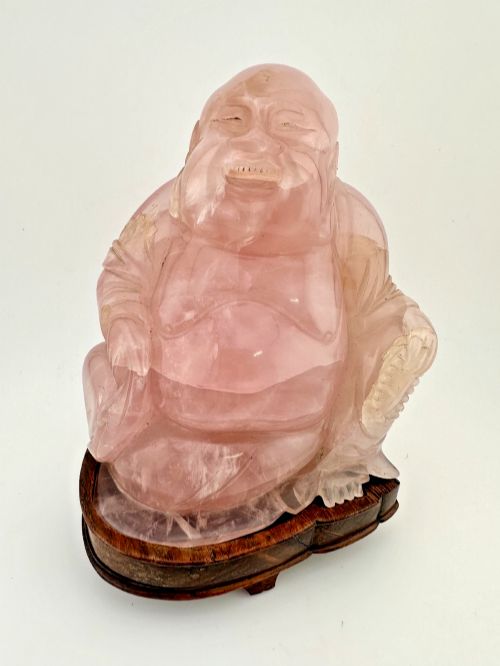
Several stands double as resting places for stern-faced bronze elephants and laughing Buddhas who clearly enjoy the elevation.
What Varies in Quality
The distinction between standard utility furniture and superior examples lies in the depth and crispness of the hand-carved detailing. Finer items exhibit undercut foliage and fully rounded figural elements, whereas lesser pieces rely on shallow surface incisions.
Material selection dictates longevity and visual weight, with dense rosewood and heavy inset marble slabs marking the upper tiers of production. Uniformity of colour across the grain and tightness in the joinery further separate superior workshop output from mass-produced export items.
Gabriel Viardot·Liberty and Co
The Oriental Carved Stand Glossary
- Jardiniere stand
- A tall or low table specifically constructed to hold a heavy plant pot or ceramic jardiniere filled with soil and foliage. These usually feature water-resistant tops such as marble or glazed tile.
- Hardwood
- A dense timber sourced from broad-leaved trees, including rosewood and padouk, prized for structural stability and durability. It resists indentation and supports intricate carving.
- Marble insert
- A polished stone slab fitted flush into the wooden top of a table or stand. It protects the wood from moisture damage and offers a stable base for heavy decorative objects.
- Chinoiserie
- European artistic style and decorative technique imitating Chinese and East Asian motifs, popular in furniture production across various centuries. It often incorporates lacquer and gilt decoration.
- Padouk
- A heavy, durable reddish-brown tropical timber frequently utilised in nineteenth-century Asian furniture production. It finishes to a smooth lustre and holds fine sculptural details.
Oriental Carved Stand: Frequently Asked Questions
What were oriental carved stands used for?
These stands functioned primarily to elevate heavy porcelain vessels, bronze censers, and indoor plants above floor level to protect them from damage and dust. They also served as occasional display surfaces for decorative items in domestic interiors.
In period reception rooms, they drew attention to prized art objects by framing them on independent pedestals or low tables.
How do I distinguish nineteenth century stands?
Nineteenth-century pieces generally display deep hand-carving in dense tropical hardwoods like rosewood, alongside traditional joinery methods. The presence of heavy veined marble inserts fitted directly into the timber frame is typical of this era.
Examining the underside for tool marks and timber oxidation helps confirm the age and construction techniques used by period workshops.
Where should I place a stand at home?
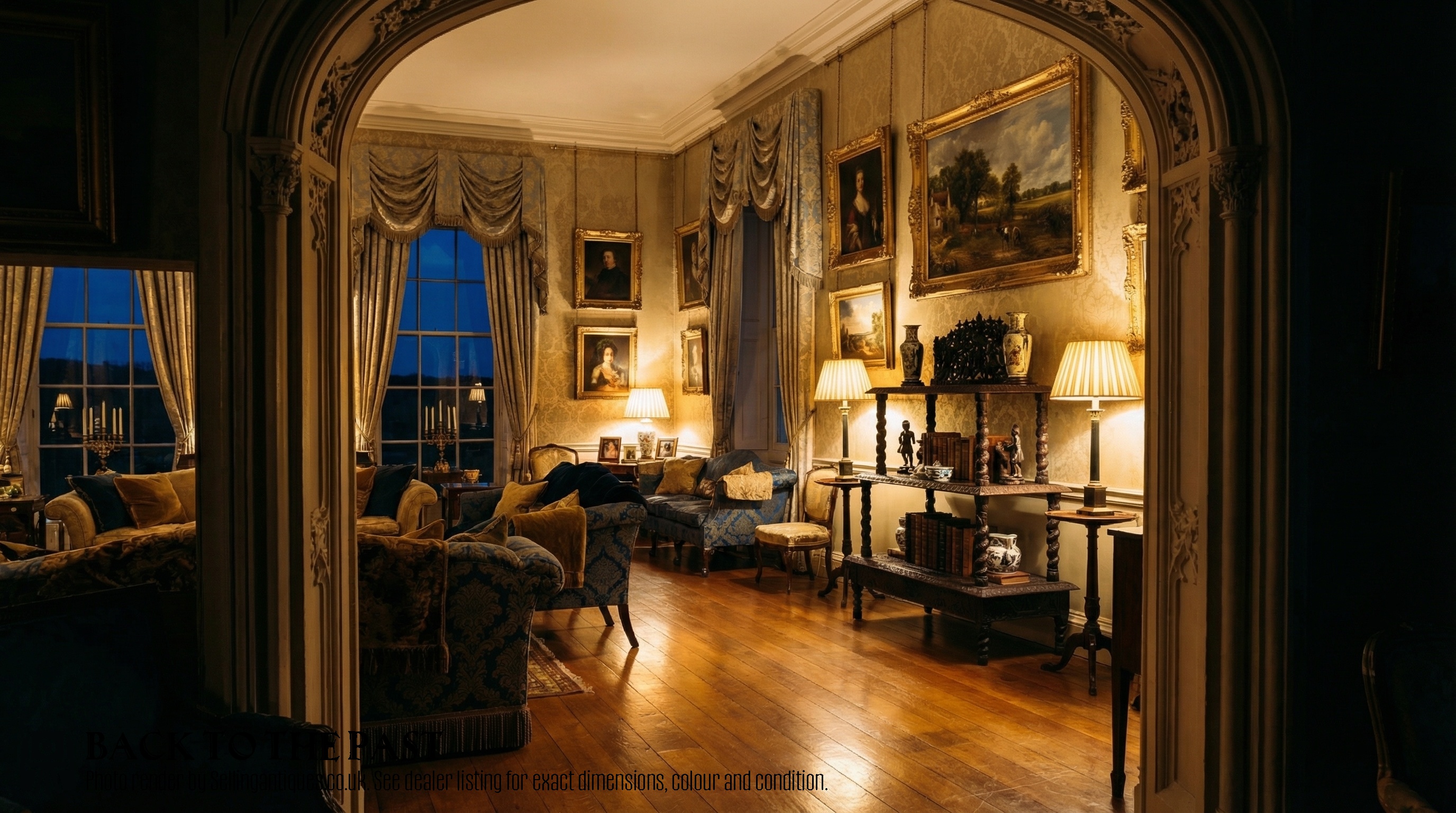
A sturdy carved stand works well in a hallway or corner to hold a large ceramic bowl or potted plant. Low versions can support table lamps or small sculptures beside seating.
Keep wooden stands away from direct heat sources and strong sunlight to prevent timber shrinkage and protect the polished finish over time.
Are marble top stands fragile?
The marble inserts are heavy and generally stable within their wooden frames, but they can crack if subjected to sharp impacts or uneven weight distribution. The supporting wooden structure requires careful handling when moving the piece.
Lifting the entire assembly from the base rather than the top frame ensures the structural joints remain secure during relocation.