
Carved Wooden Display Unit
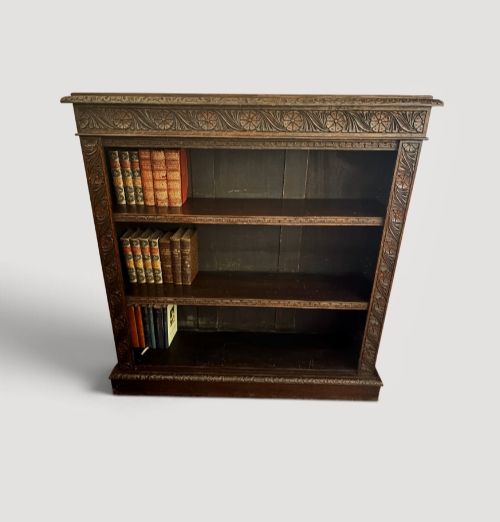
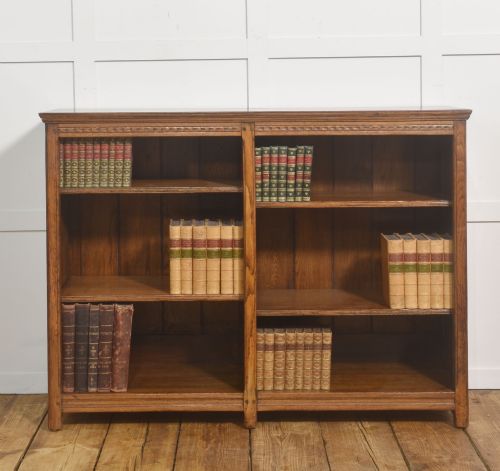
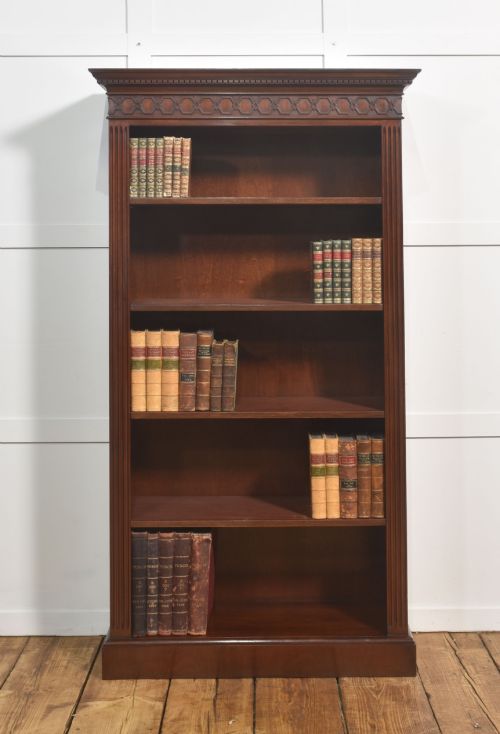
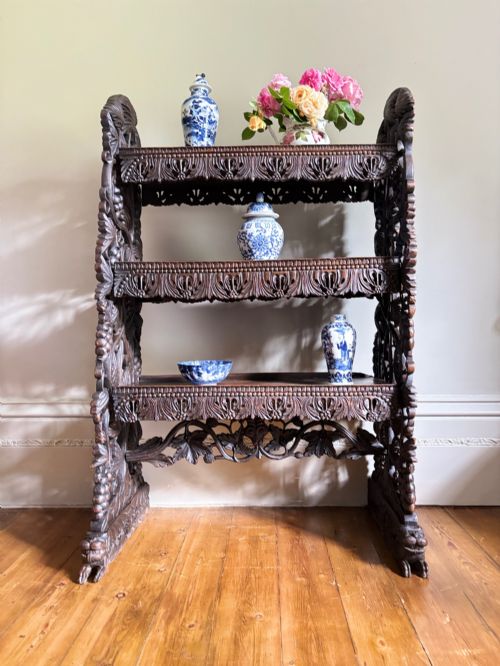
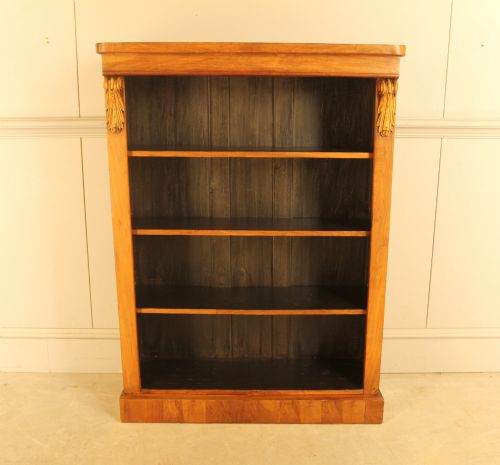
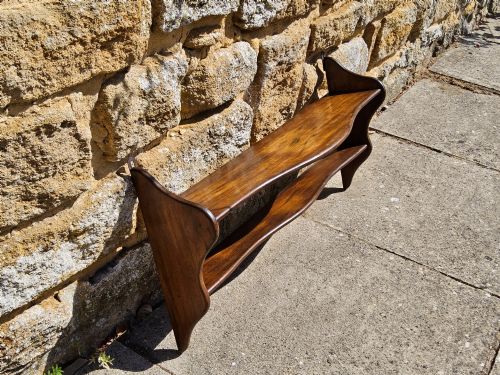
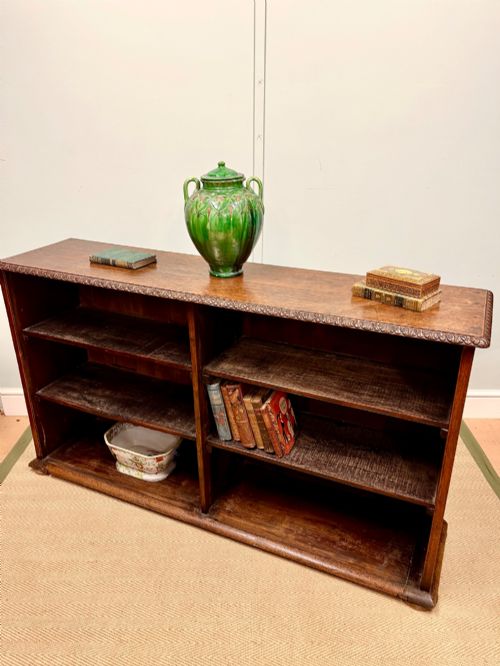
A carved wooden display unit provides sturdy timber architecture for books and curiosities, spanning open bookcases, tiered whatnots and wall shelves.
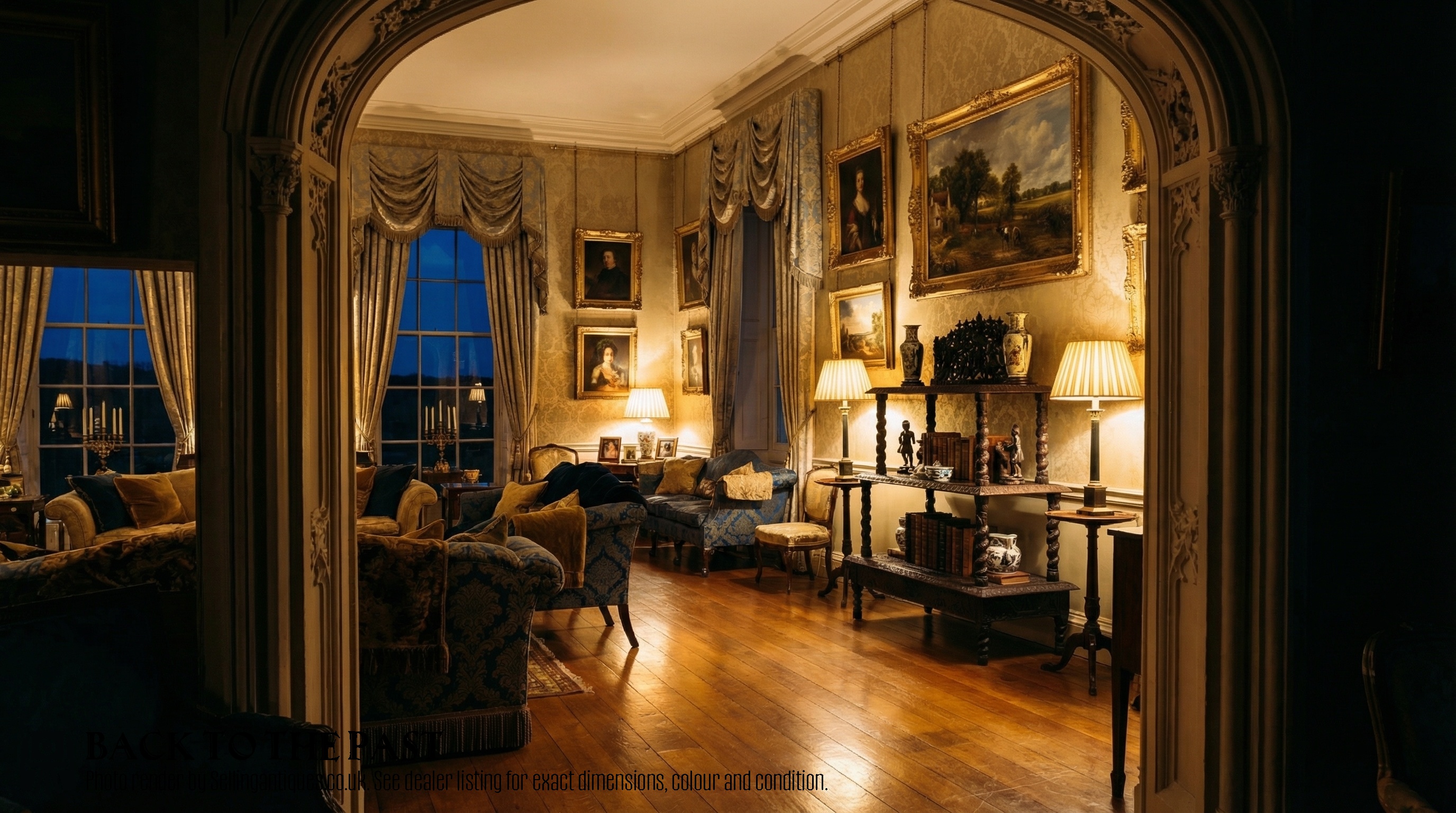
Carved Wooden Display Unit
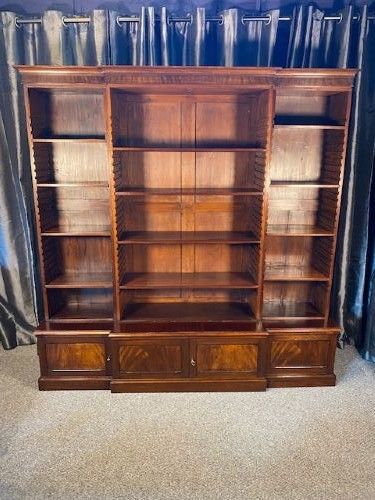
When you search for a carved wooden display unit, you encounter practical furniture designed to exhibit and organise household collections. These pieces range from substantial 18th century country oak dressers and Victorian breakfront bookcases to delicate multi-tiered etageres and wall shelves.
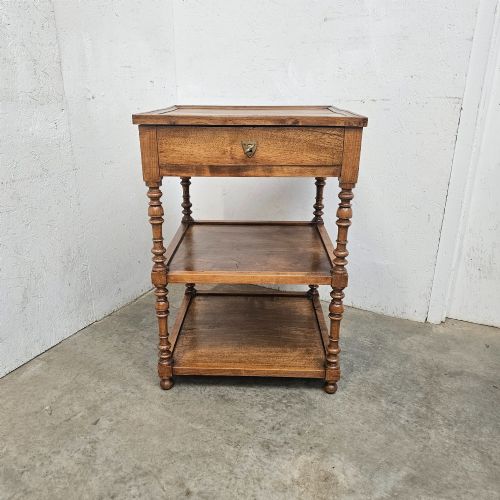
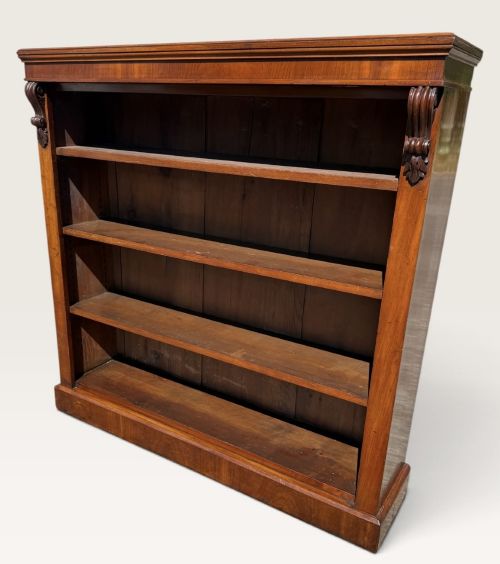
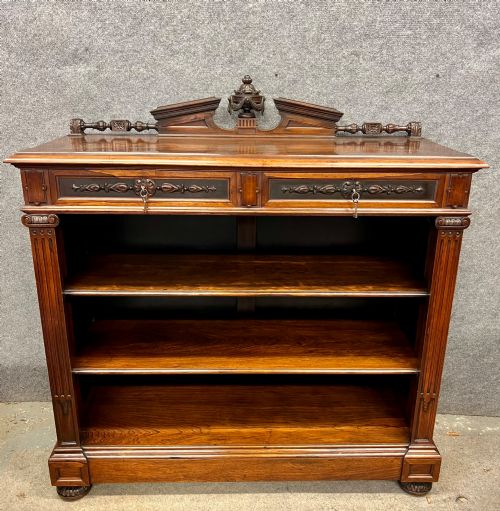
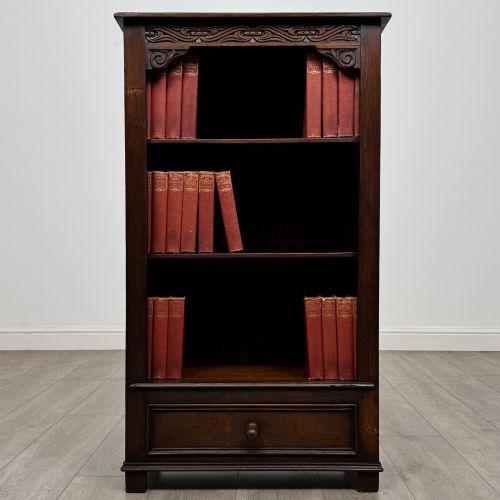
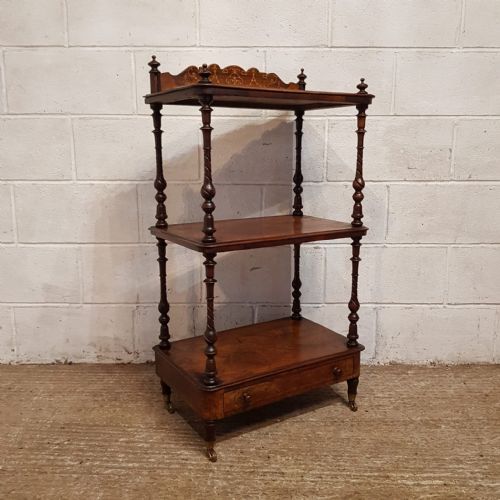
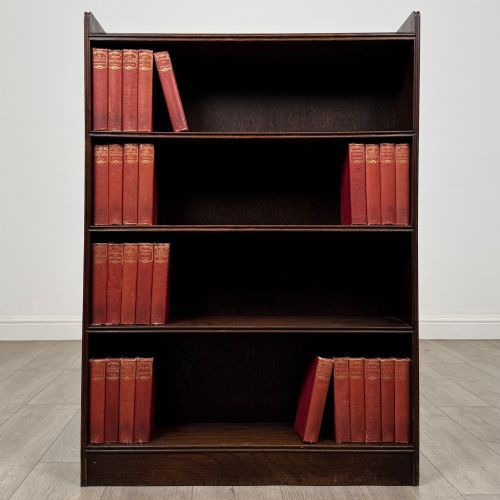
The selection on this page centres heavily on open bookcases and tiered whatnots from the 19th century and Edwardian eras. You will frequently find walnut, mahogany and oak constructions configured with adjustable shelving, mirrors, or small lower drawers.
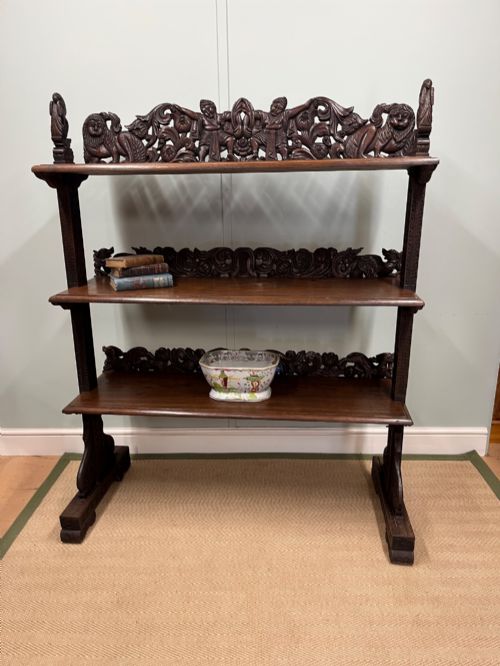
Origin and regional styles diversify the selection, including Anglo-Indian padauk shelving, Sorrento inlaid olive wood corner shelves, and French walnut turned-leg etageres. Each form serves a distinct domestic purpose, from floor-standing book storage to corner display cabinets.
How they were made
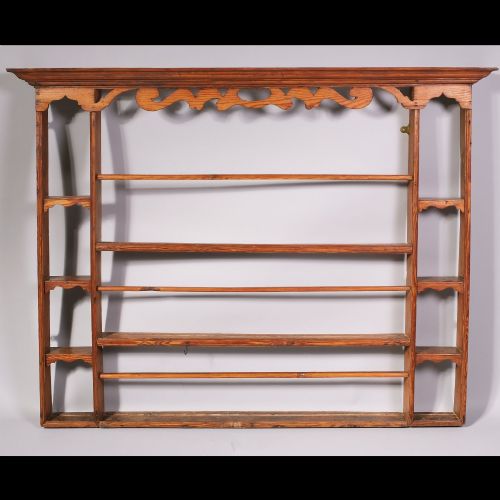
Cabinet makers utilised a variety of dense hardwoods including oak, mahogany, walnut, teak and burr walnut, frequently pairing them with brass hardware and glass inserts. Pine and elm served for regional country pieces such as plate racks and dressers.
Construction relied on traditional joinery methods suited to supporting heavy volumes and ornaments on open shelves, etageres and corner cupboards. Surface ornamentation involved hand carving, turned legs, mouldings, and decorative inlays in olive wood or exotic padauk.
The listings feature woods ranging from native oak, elm and pine to exotic padauk, teak and burr walnut.
What varies in quality
The distinction between standard utility items and the finest examples lies in timber selection and the ambition of the carving. Richly figured burr walnut, exhibition quality mahogany, and intricate hand-carved detailing elevate a piece far above utilitarian pine or plain oak.
The Carved Wooden Display Unit Glossary
- Etagere
- A set of open shelves for displaying small objects or ornaments. These pieces typically feature multiple tiers supported by slender columns or turned legs.
- Whatnot
- A multi-tiered piece of freestanding furniture used for the display of ornaments. Victorian examples often incorporate mirrors and small drawers beneath the open shelves.
- Padauk
- A heavy, durable tropical hardwood with a reddish hue used in British colonial and Anglo-Indian furniture. It provided a stable and decorative medium for carved shelving.
- Breakfront
- A piece of furniture whose central section projects forward from the flanking wings. This architectural arrangement creates depth and visual interest in large bookcases.
Carved Wooden Display Unit: Frequently Asked Questions
What is the difference between a whatnot and an etagere?
Both terms describe multi-tiered shelving units designed for displaying small decorative objects. A whatnot traditionally refers to British multi-shelf furniture, while an etagere often denotes French influenced designs featuring turned legs and console elements.
In practical use across these listings, the terms overlap significantly. Both forms prioritise open display space over enclosed storage.
How do I style a carved wooden display unit?
Allow the natural grain of the timber and the carved details to anchor the room without overcrowding the shelves. Balance heavier books or ceramic pieces on lower levels with smaller decorative objects higher up.
Utilise the adjustable shelving common in Victorian and Edwardian bookcases to accommodate items of varying heights. Ensure adequate clearance around freestanding etageres so their turned legs and side mouldings remain visible.
Were these units used only for books?
Bookcases were indeed built primarily for volume storage, though open variants doubled as display space for ornaments. Other forms such as etageres, wall shelves, and plate racks were engineered specifically for decorative display.
Items like corner cupboards and breakfront cabinets offered a mix of open presentation and enclosed security. Their domestic role adapted to the specific room they occupied, from libraries to drawing rooms.
How can I identify the period of my display unit?
Examine the timber species, joinery techniques, and prevailing decorative style employed in the construction. Heavy oak and dark mahogany frequently point towards Victorian or earlier 19th century workshops, while lighter Edwardian pieces often incorporate simpler lines.
Specific stylistic markers such as Jacobean Revival mouldings, Anglo-Indian padauk timber, or Sorrento olive wood inlay provide definitive clues to origin and date. Hardware, such as brass pulls and mirror backing, also helps narrow down the decade.