



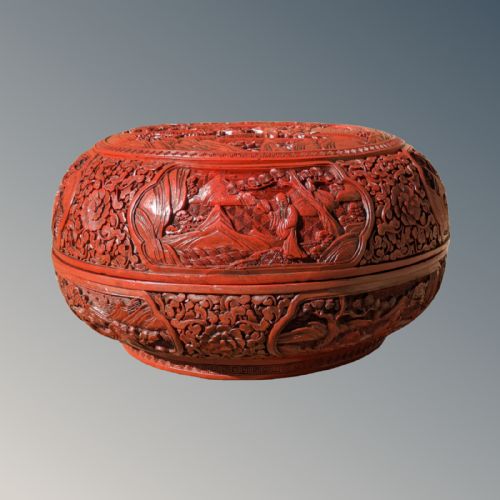


Oriental Carved Box
An oriental carved box brings tactile history into a room, offering both practical storage and deep relief carving.
Oriental Carved Box
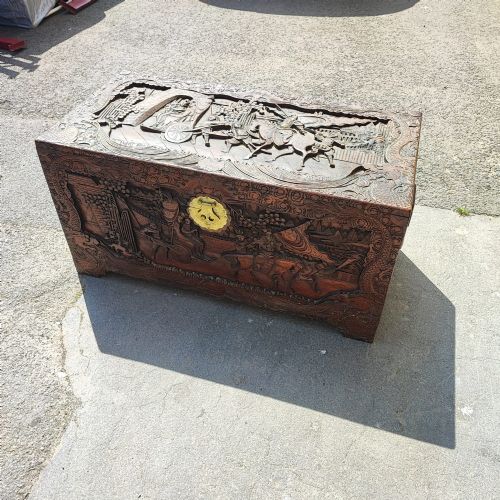
An oriental carved box covers a broad span of decorative vessels, ranging from small trinket caskets to large storage trunks designed for travel or domestic keeping. You encounter many pieces fashioned from fragrant camphor wood alongside lacquer, hardwood, and brass-mounted trunks originating from various eastern traditions.
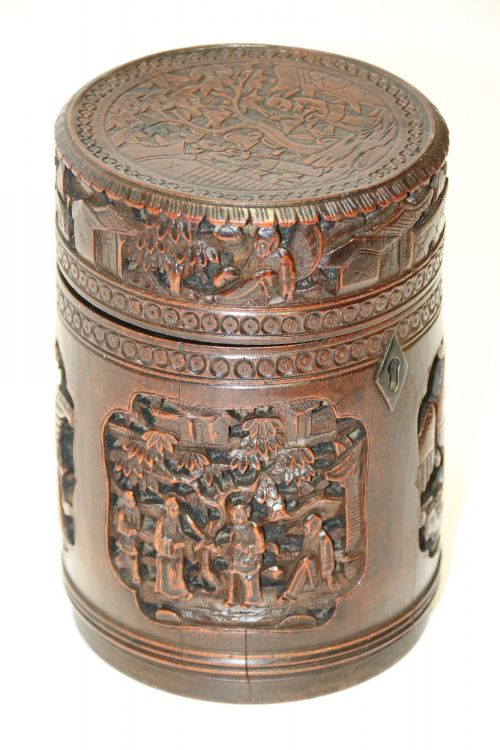
The selection leans heavily toward nineteenth-century examples and early twentieth-century interpretations, including Chinese export pieces and Zanzibar chests with distinctive hardware. Buyers most frequently meet substantial camphor wood storage boxes and smaller carved tea caddies or tobacco boxes as they browse these origins.
Materials and construction
Craftsmen utilised seasoned timber such as camphor wood, teak, and elm, often selecting specific woods for their grain and aromatic qualities. Dense hardwoods permitted deep chiselling, allowing artisans to create intricate narrative scenes and floral motifs across the lid and sides.
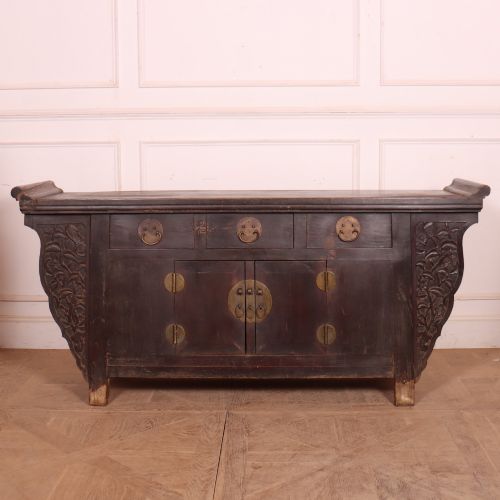
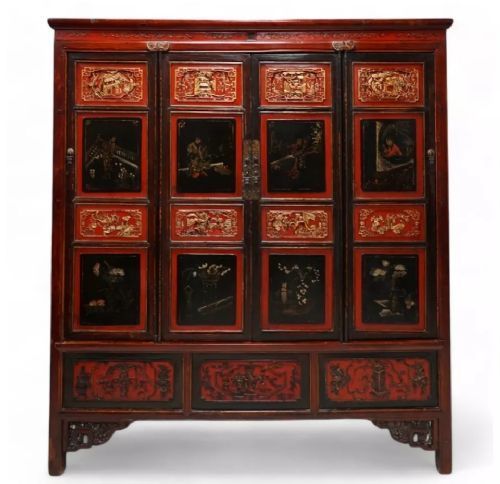
Many storage chests incorporate brass straps, corner brackets, and intricate lock plates that served both a structural purpose and a decorative function. Lacquer work and mother of pearl inlay appear on specialised cabinets and smaller caskets, applied through multi-layered traditional techniques.
Certain nineteenth-century Japanese boxes conceal miniature wooden figures of Daruma hiding inside tobacco holders.
Judging the standard
The depth and clarity of the carving separate standard pieces from superior examples, with finer work displaying sharp undercut details rather than shallow, mechanical grooves. The precision of the joinery and the integrity of the original brass mounts also indicate the level of craftsmanship invested in the piece.
The condition of the timber surfaces, whether polished hardwood or intact lacquer, dictates the visual appeal of an antique box. Retaining original hardware, functional locks, and interior compartments elevates the standing of any vessel within this tradition.
Wang Hing & Co.
The Oriental Carved Box Glossary
- Camphor wood
- A strongly aromatic timber widely utilised for storage chests because its natural scent deters insects. It often exhibits a pale golden brown hue.
- Zanzibar chest
- A heavy hardwood storage trunk decorated with brass studding, straps, and corner plates, reflecting trade routes between India, the Swahili coast, and beyond.
- Cinnabar
- A carved lacquer technique involving dozens of layers of red pigment built up on a core before being hand-carved with motifs.
- Tea caddy
- A small lidded container originally built to store loose tea leaves securely, often featuring internal compartments and fitted lids.
- Chinese export
- Goods manufactured in China specifically for Western markets, blending traditional Eastern motifs with European furniture forms.
Oriental Carved Box: Frequently Asked Questions
What were camphor wood trunks used for originally?
These large chests served primarily for storing garments, textiles, and valuable documents during maritime travel or in domestic quarters.
The natural aromatic properties of the wood protected stored fabrics from moths and dampness over long periods.
How do I care for an antique carved wooden box?
Keep the timber away from direct heat sources and sudden humidity shifts to prevent the wood from splitting or warping.
A light application of traditional beeswax helps maintain the natural lustre of the carved surface without building up residue.
How can I tell a nineteenth-century box from a later reproduction?
Examine the interior construction, hand-cut dovetail joints, and the natural oxidation of the timber and metal hardware.
Nineteenth-century examples display tool marks and wear patterns consistent with hand woodworking techniques rather than modern machinery.