





Traditional Chinese Box
Traditional chinese box examples bring tactile history into your home, offering tangible connections to centuries of craftsmanship through carved camphor, rich lacquer and fitted wood.
Traditional Chinese Box
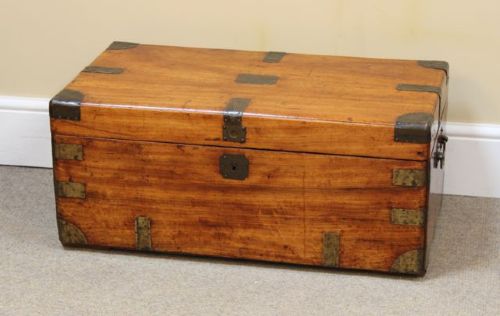
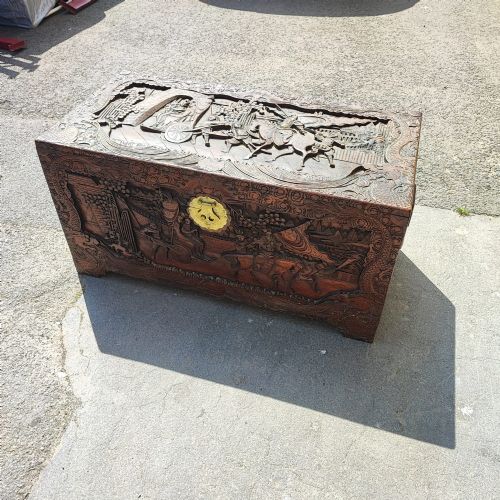
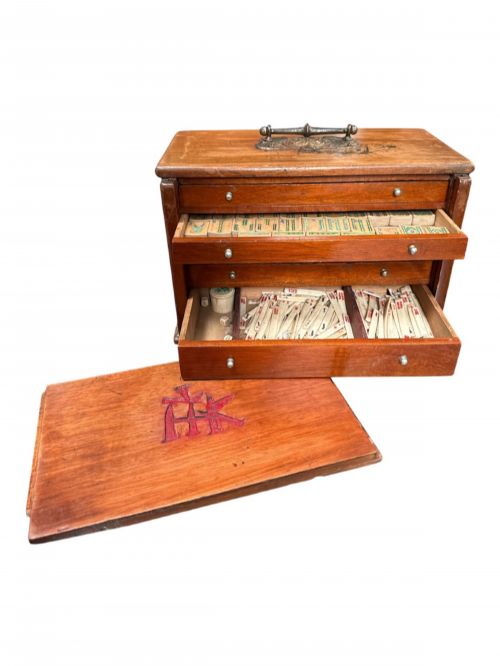
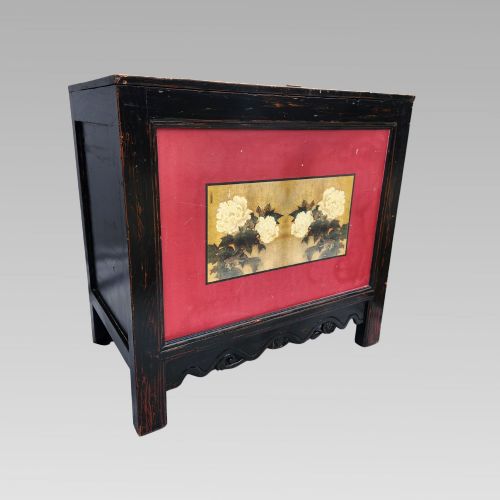
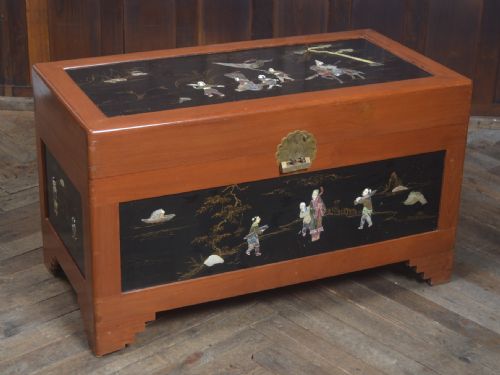
A traditional chinese box search reveals a varied collection of storage pieces, trunks, and fitted games sets spanning from the eighteenth century through the twentieth century. These items include camphor wood chests, lacquered marriage cabinets, travelling jewellery cases, and boxed mahjong sets that served both practical and decorative household functions.
Buyers frequently encounter camphor wood storage chests and red lacquer boxes across these periods, alongside regional items like elm cabinets and pig skin shipping trunks. The selection reflects both domestic storage needs and export trade items produced during the Qing dynasty and Republic period.
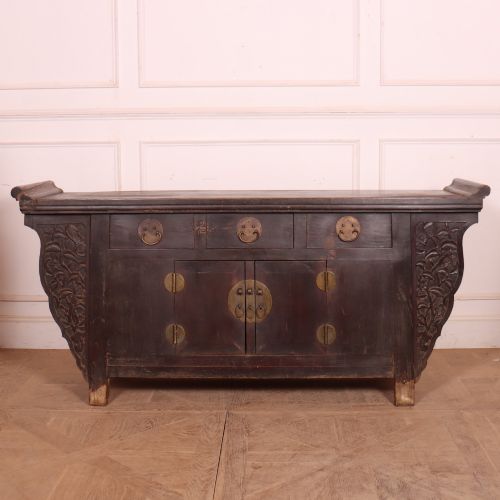
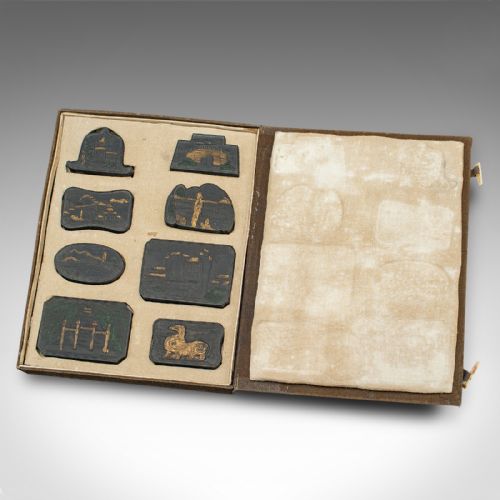
Smaller decorative items such as carved head rests, calligraphic ink blocks, and rice carriers also appear alongside larger furniture forms like sideboards and armoires. Each piece demonstrates the diverse utility and artistry characteristic of traditional Chinese woodworking and finishing techniques.
Materials and construction methods
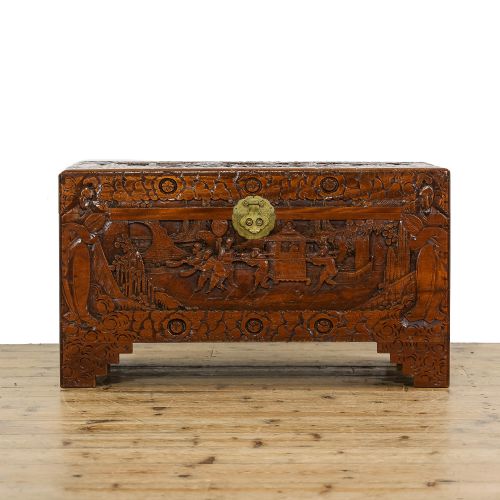
Carvers utilised aromatic camphor wood and dense elm to build durable chests and trunks, often applying deep relief carving to depict traditional motifs. These timber choices provided natural insect resistance while offering stable surfaces for intricate hand carving.
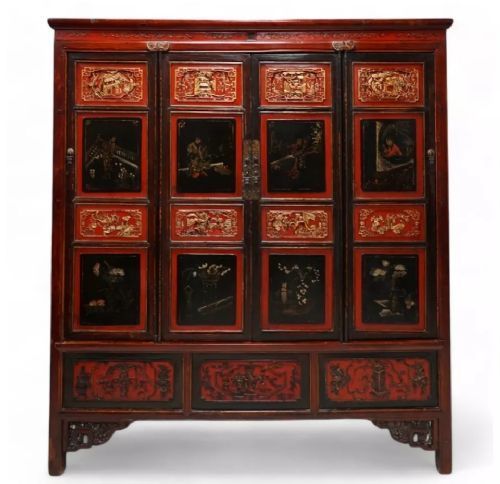
Lacquered surfaces feature black or red pigments built up in multiple layers, sometimes enhanced with hand painted chinoiserie or gold details. Pig skin and brass hardware further reinforce shipping trunks and travelling cases for durability during transport.
Listings feature pieces spanning the eighteenth to the twentieth centuries, utilising materials including camphor wood, brass, lacquer, elm, and pig skin.
Distinctions in execution and finish
The depth and clarity of the carving distinguish finer pieces from simpler utilitarian boxes, with superior examples showing crisp relief work and well defined details on camphor wood panels. The handling of lacquer finishes also varies, where smoother, more even applications reflect higher workshop standards.
Fitted interiors, such as those found in travelling jewellery cases and mahjong sets, demonstrate the precision of the maker through neatly compartmented wooden inserts and original hardware. The integrity of joint work and the preservation of original pigments or wood grain further determine the standing of each piece.
The Traditional Chinese Box Glossary
- Camphor wood
- An aromatic timber prized for storage chests because its natural scent repels moths and insects. This wood accepts deep carving exceptionally well.
- Lacquer
- A durable finish created from natural tree sap, applied in successive coats and polished to a smooth surface. It often appears in rich red or black tones.
- Chinoiserie
- European interpretations and adaptations of Chinese artistic motifs, frequently applied to lacquered storage chests and decorative boxes. This style gained popularity during the nineteenth and early twentieth centuries.
- Mahjong set
- A traditional tile game housed in fitted wooden cabinets or boxes. Complete sets often feature bone and bamboo tiles alongside sliding wooden drawers.
- Campaign case
- Portable furniture and storage boxes designed for travel, typically featuring recessed brass handles and reinforced corners. These pieces were built for durability and ease of movement.
Traditional Chinese Box: Frequently Asked Questions
How do I care for a camphor wood chest?
Keep camphor wood chests out of direct sunlight and away from direct heat sources to prevent the timber from drying out or splitting. Dust the carved surfaces gently with a soft cloth without using harsh chemical polishes.
Maintain a stable indoor humidity level to preserve the natural oils and the characteristic scent of the wood. Avoid placing damp items directly onto the interior untreated wood surfaces.
What were lacquer boxes used for?
Lacquered boxes served multiple domestic purposes, ranging from storing personal documents and jewellery to holding seasonal garments or ritual items. Their sealed surfaces helped protect contents from moisture and dust in humid climates.
Finer examples were also displayed openly in reception rooms as status symbols, reflecting the wealth and taste of the household through their refined decoration and colour.
How can I date a Chinese storage trunk?
Dating relies on examining the timber species, construction joints, hardware materials, and decorative styles relative to known periods like the Qing dynasty or Republic era. Machine cut components and modern adhesives generally indicate twentieth century or later production.
Hand cut joinery, forged brass hinges, and traditional lacquering methods typically point towards nineteenth century or earlier origins. Comparing the specific motif style with dated examples helps narrow the production window.
Are antique mahjong sets complete?
Many antique sets retain their original bone and bamboo tiles alongside fitted wooden drawers, though missing pieces can occasionally occur due to active use over the decades. Checking the tile count against standard rules helps confirm completeness.
The presence of the original fitted cabinet with intact sliding fronts or locking mechanisms adds significantly to the historical integrity of the set.