

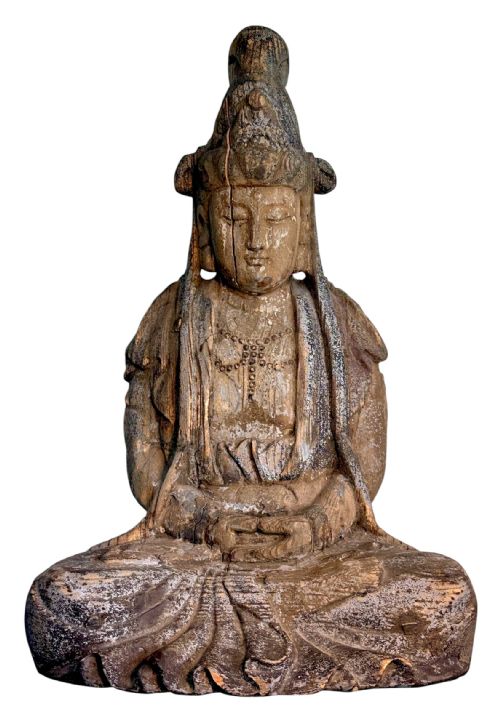


Oriental Buddhist Statue
These oriental buddhist statue pieces bring centuries of devotion, spanning cast metals, carved hardwoods, and painted porcelain across Asian traditions.
Oriental Buddhist Statue
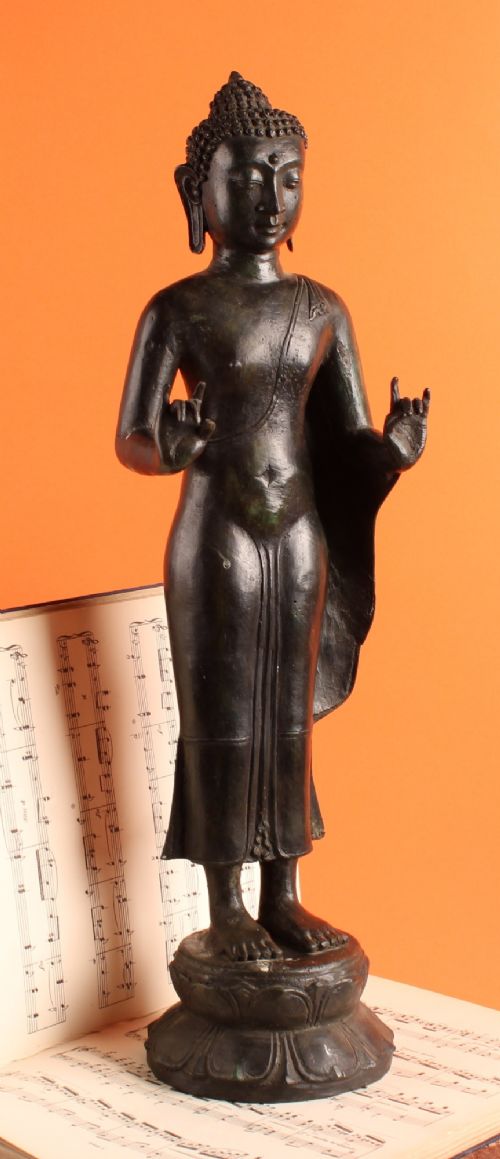
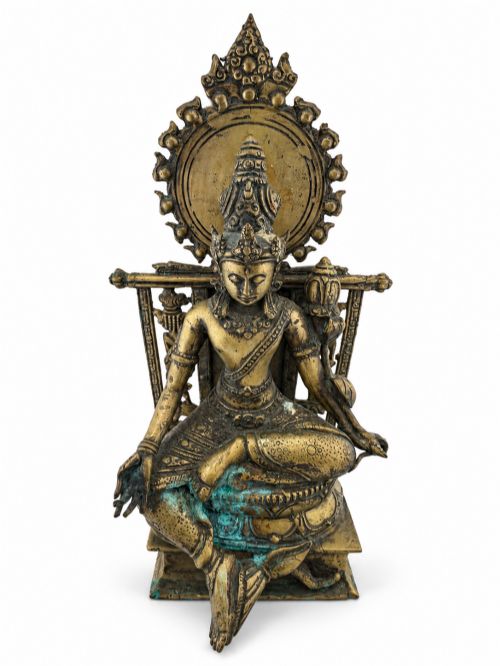
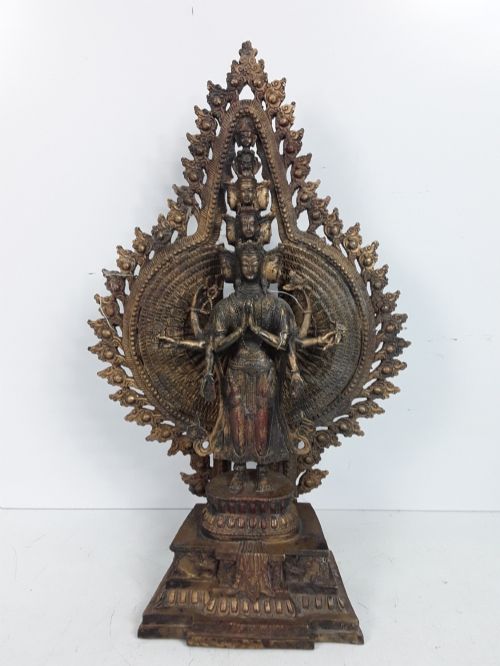
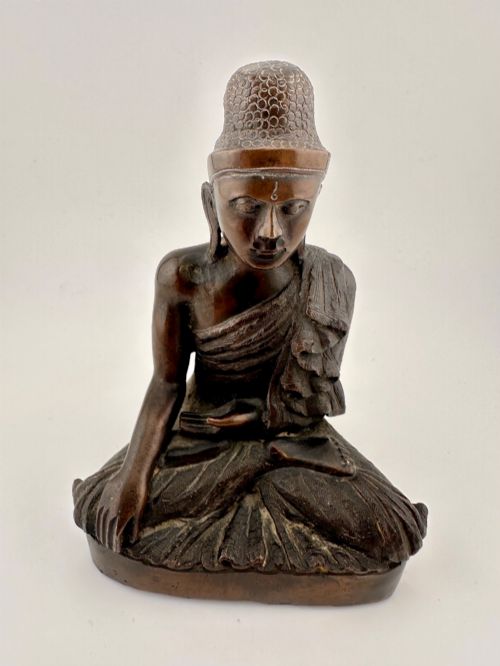
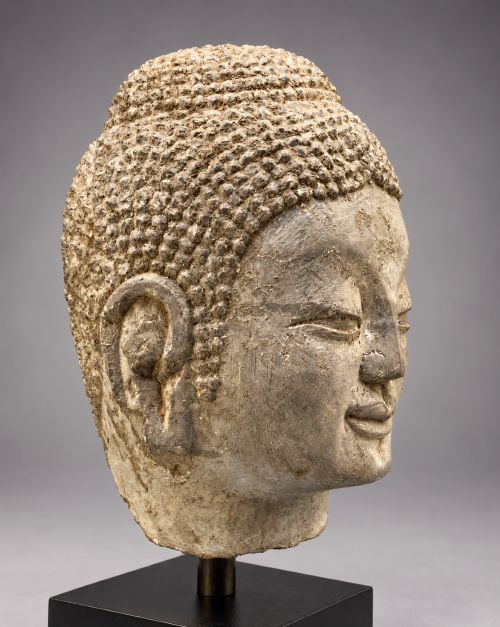
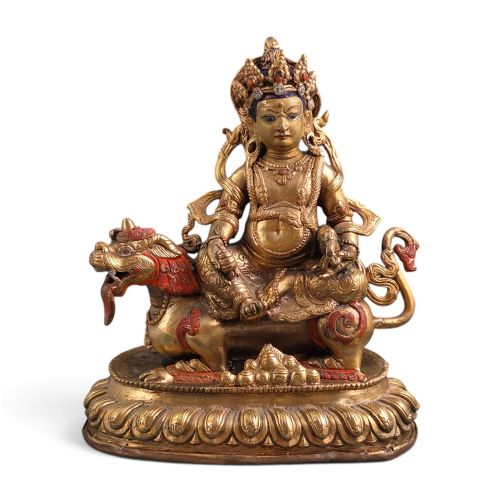
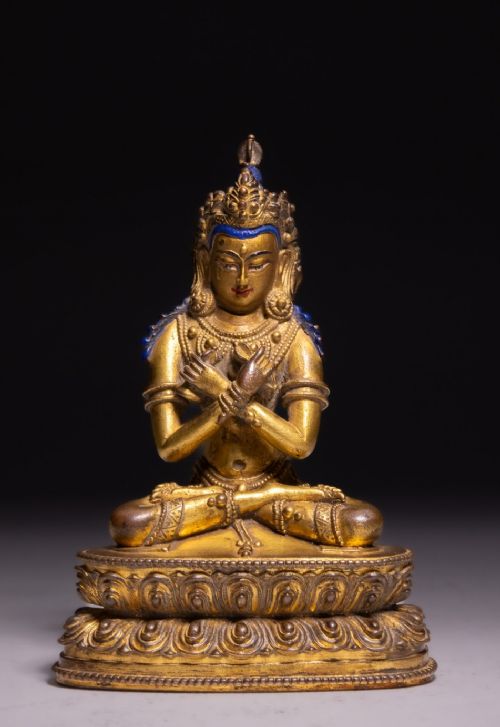
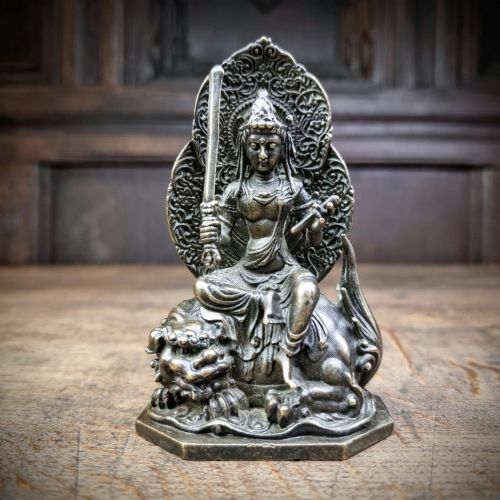
An oriental buddhist statue represents deities, guardians, and revered figures across regional styles such as Tibetan, Sino-Tibetan, Burmese Mandalay, and Japanese Meiji. Buyers encounter cast metal deities, carved wooden Buddhas, and porcelain figures originating from the 18th century through the early 20th century.
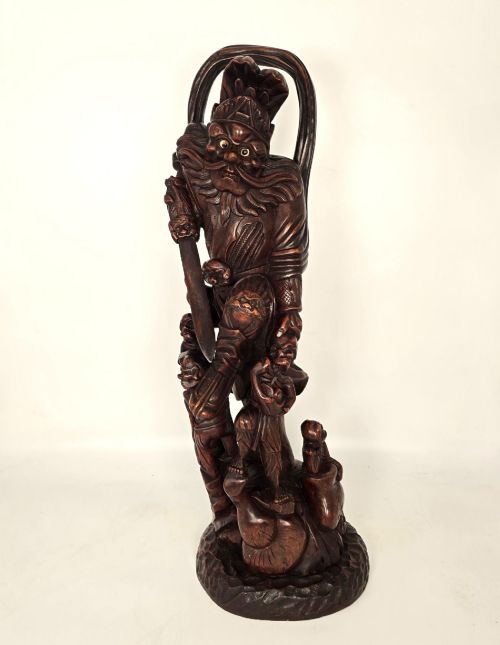
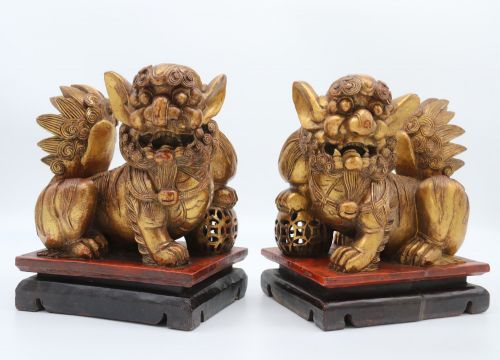
The selection ranges from small personal shrine figures to large monumental temple guardians like Lokapala and temple lions. These forms appear in bronze, gilt bronze, wood, stone, and porcelain, reflecting diverse ritual and decorative functions.
How they were made
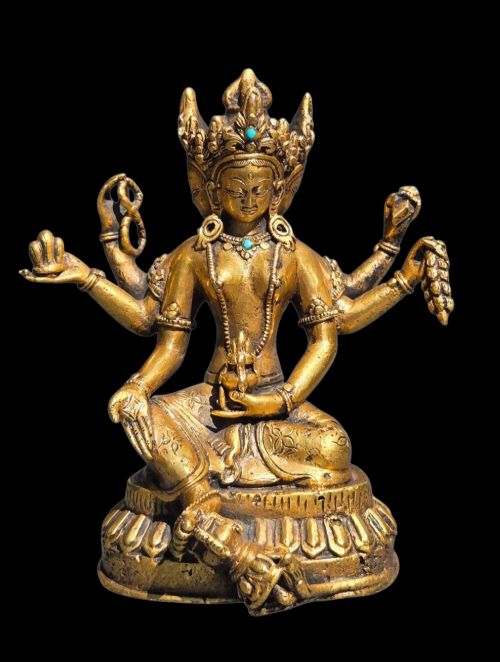
Metal sculptures utilise bronze and gilt bronze, often finished with gold leaf, polychrome paint, or turquoise inlays. Casting methods shape complex multi-armed deities and seated figures.
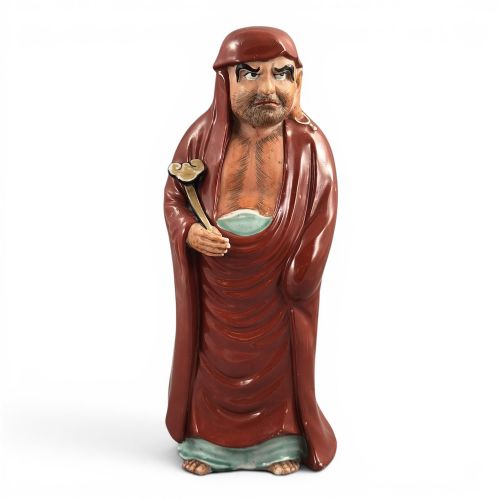
Wooden examples involve carved hardwood, gilt wood, and lacquer, while ceramic pieces utilise porcelain with enamel detailing or stone such as limestone and white marble.
Several heavy temple lions stand ready to guard the room, weighing up to thirty-five kilograms.
What varies in quality
The refinement of the carving and casting defines the upper tier, visible in the precision of facial expressions, drapery folds, and intricate ornamentation. Surface treatments such as remaining gold leaf, fine gilding, and controlled polychrome paint add distinction.
Proportion, balance, and the preservation of original patination or material integrity separate ordinary production pieces from exceptional temple-grade works.
The Oriental Buddhist Statue Glossary
- Gilt bronze
- Metal cast with a thin layer of gold applied to the surface. This technique highlights sacred figures and adds luminosity.
- Mudra
- A symbolic hand gesture used in Buddhist iconography. Each position conveys specific teachings or spiritual states.
- Okimono
- A Japanese term for a decorative object or figurine intended for display. These porcelain figures often depict deities or mythical beasts.
- Lokapala
- A guardian king or heavenly protector in Buddhist tradition. These figures typically stand defensively to guard sacred spaces.
- Kutani
- A style of Japanese porcelain known for colourful enamels. Figures in this tradition depict deities like Kannon.
Oriental Buddhist Statue: Frequently Asked Questions
How were these statues used?
Many figures functioned as central icons in household shrines, monastic settings, or large temples. They supported daily devotional practices and meditation.
Others, such as temple lions and guardian figures, were placed near entrances to protect sacred grounds and architectural spaces.
How do I live with one?
Integrating these sculptures into an interior involves placing them on sturdy surfaces where their scale and material can be appreciated safely. Metal and stone pieces require stable platforms, while wooden figures benefit from moderate humidity.
Positioning them away from direct sunlight preserves painted details, gilding, and lacquer finishes over time.
How do I tell periods apart?
Dating relies on stylistic markers associated with specific dynasties, reigns, and regional aesthetics, such as Ming dynasty limestone or Meiji period porcelain. Examination of casting techniques, wear patterns, and surface treatments like gold leaf or polychrome also indicates age.
Comparing regional attributes, such as Mandalay or Sino-Tibetan iconographic conventions, helps clarify the origins of each piece.