



Temple Wooden Carving
These pieces of temple wooden carving bring centuries of ritual devotion and architectural craftsmanship directly into modern interiors.
Temple Wooden Carving
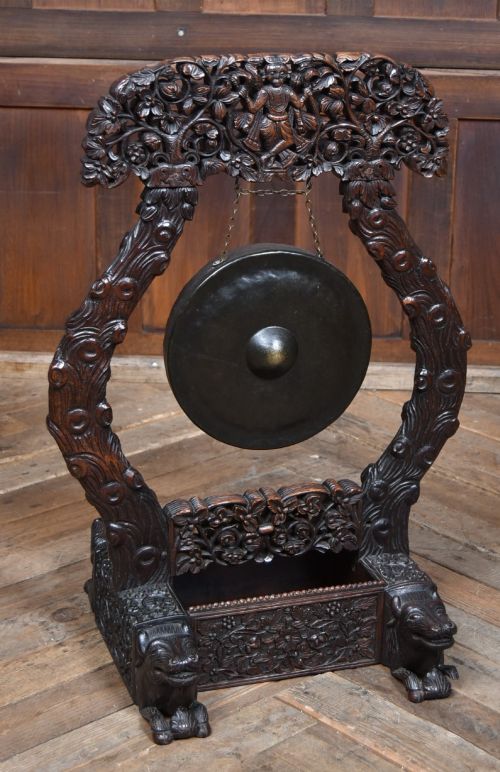
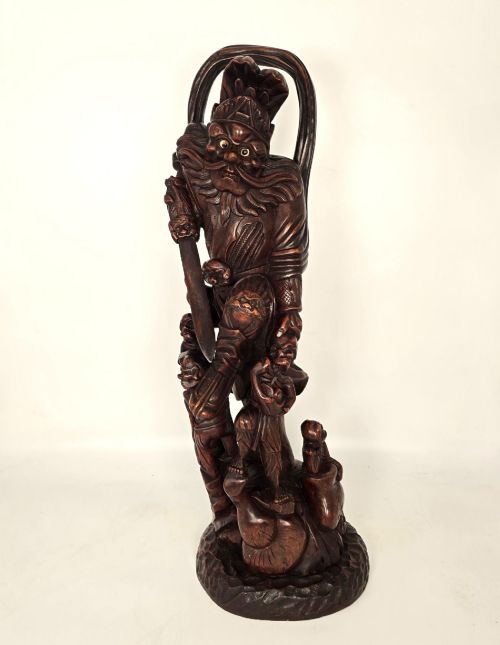
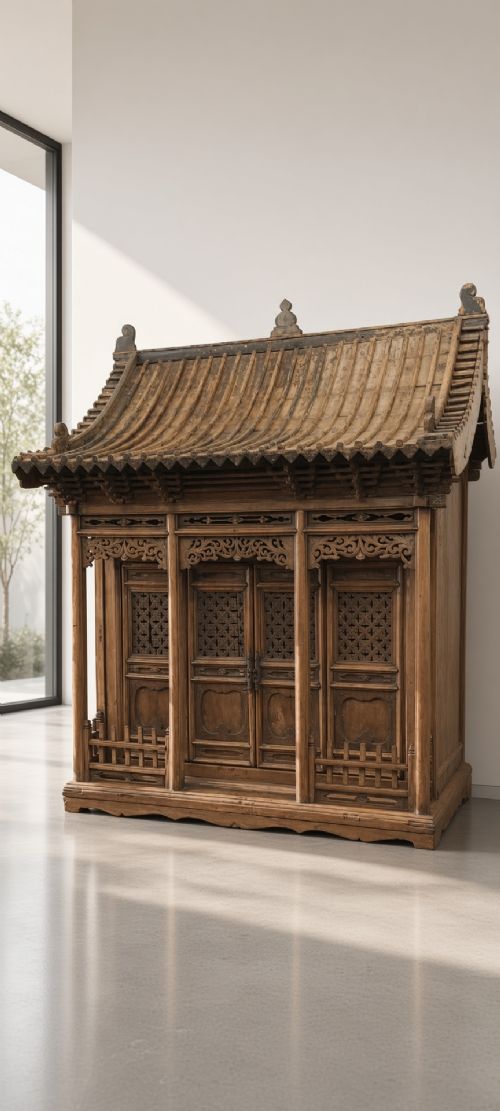
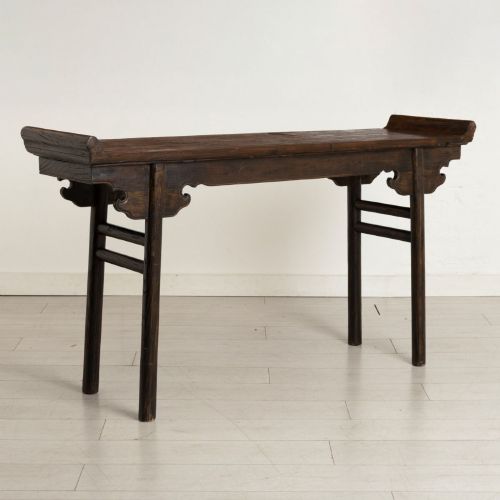
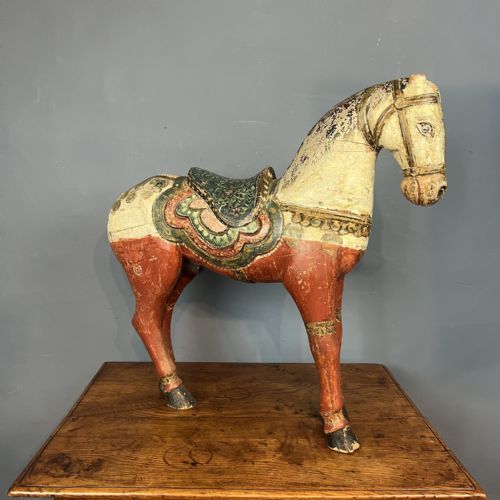
Buyers encounter distinct regional forms ranging from monumental Chinese guardians and altars to Burmese gongs and Indian folk art figures. These objects derive from active places of worship or traditional domestic shrines, carrying historical patinas earned through decades or centuries of exposure.
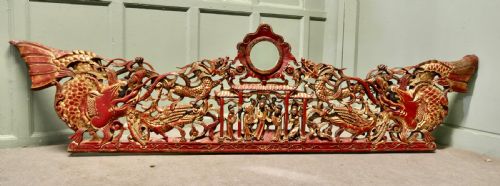
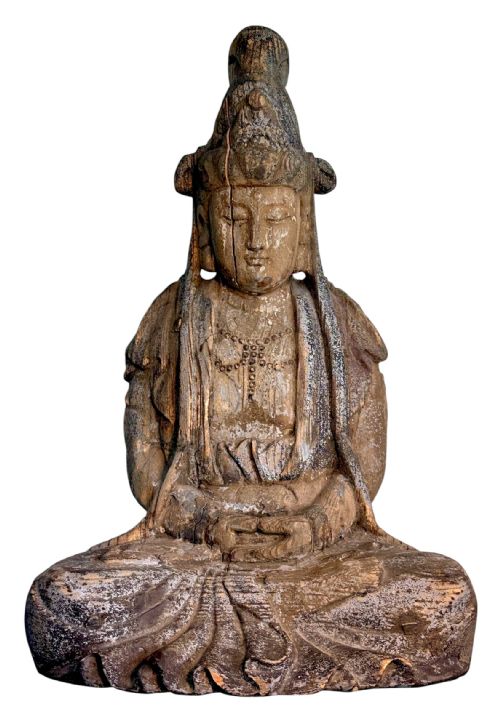
The material forms vary from life-sized guardian figures and corbels to intricate architectural pediments and smaller devotional statues. Each piece reflects the specific ritual requirements and aesthetic preferences of its originating culture and period.
Materials and Techniques
Artisans carved these sacred objects from various woods, including boxwood, padouk, and native hardwoods, before applying intricate surface treatments. Structural stability often depended on joining solid timbers for large figures and architectural elements.
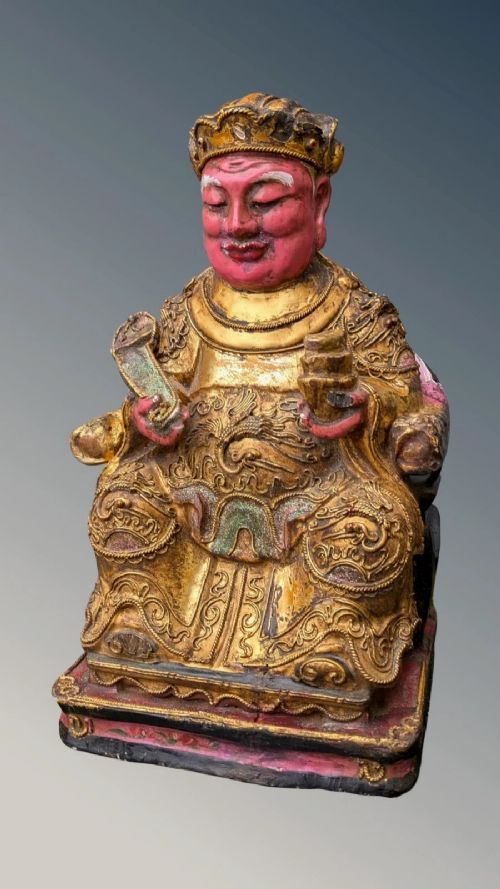
Gilt wood, gesso, and polychrome pigments frequently cover the carved timber surfaces to enhance the visual impact of deities and guardians. Layers of gold leaf and lacquer provide both ornamentation and protection against the environment.
The documented geographic origins span across China, India, Burma, and Tibet, encompassing diverse cultural traditions.
Distinctions in Quality
The survival of original surface finishes, such as polychrome pigment and gold leaf, determines the visual integrity of a piece. Examples retaining their untouched historic layers hold greater material authenticity than those stripped or aggressively restored.
The Temple Wooden Carving Glossary
- Polychrome
- Painted in several colours. This surface decoration appears frequently on statues and architectural elements.
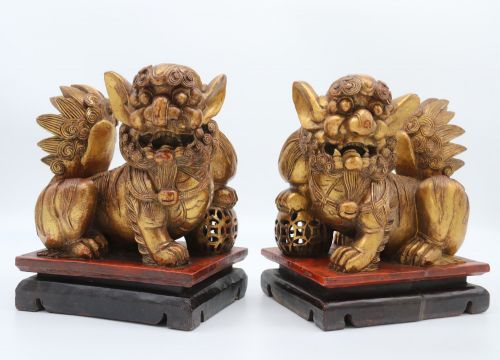
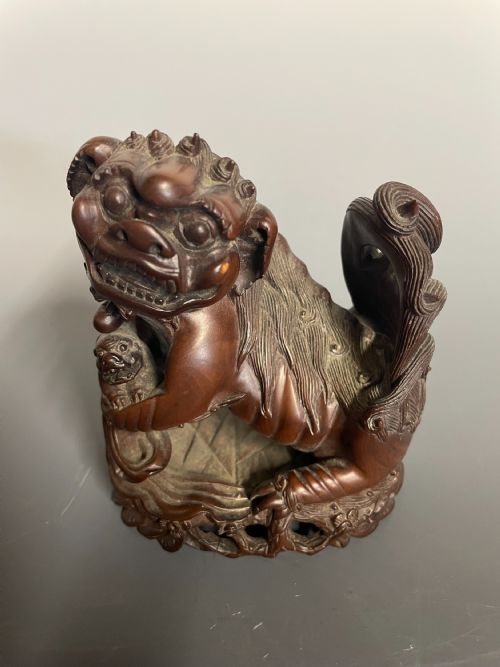
- Foo Dog
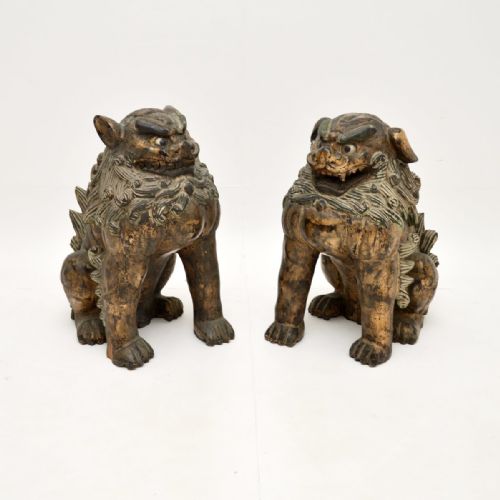
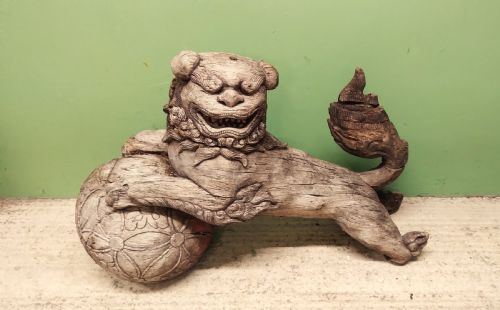
- A mythical guardian lion depicted in pairs outside temples. These creatures protect sacred spaces from malevolent spirits.
- Gesso
- A plaster mix applied to wood as a base for paint or gold leaf. It creates a smooth ground for intricate gilding.
- Corbel
- A structural piece of stone or wood projecting from a wall to support a weight. In temple architecture, these brackets often take carved zoomorphic or anthropomorphic forms.
- Pediment
- The triangular upper part of the front of a building in classical style, or a similar decorative feature. These sections often display elaborate relief carving.
Temple Wooden Carving: Frequently Asked Questions
How were temple carvings originally used?
These wooden pieces served devotional and architectural functions within sacred buildings across Asia. They acted as focal points for prayer, guarded thresholds, or supported roof structures.
Craftsmen created them to honour deities, protect sacred spaces, and display the wealth or piety of the patrons who commissioned them.
How do I care for historic wood carvings?
Keep wooden temple carvings away from direct sunlight and severe fluctuations in room temperature or humidity. These environmental controls prevent the timber from splitting and protect fragile surface layers.
Dust the surface gently with a dry, soft brush rather than using liquid polishes or chemical cleaners that might damage the original pigment or gold leaf.
How can I tell the age of a carving?
Examine the tool marks left by the carver, the species of timber used, and the natural ageing of the wood. Older pieces exhibit shrinkage cracks and dry patinas that modern reproductions struggle to replicate.
The style of the carving, regional costume, and the composition of underlying gesso or pigment layers also provide reliable chronological markers.
Where should I place a large temple sculpture?
Position large guardian figures or architectural panels against a sturdy wall where their height and weight receive adequate structural support. They command attention when given sufficient negative space around them.
Ensure the mounting surface remains stable and secure, particularly with monumental pieces that carry significant mass from dense hardwoods.