

Oriental Bronze Vessel
An oriental bronze vessel brings centuries of master craftsmanship into a room, offering both decorative presence and historical depth.
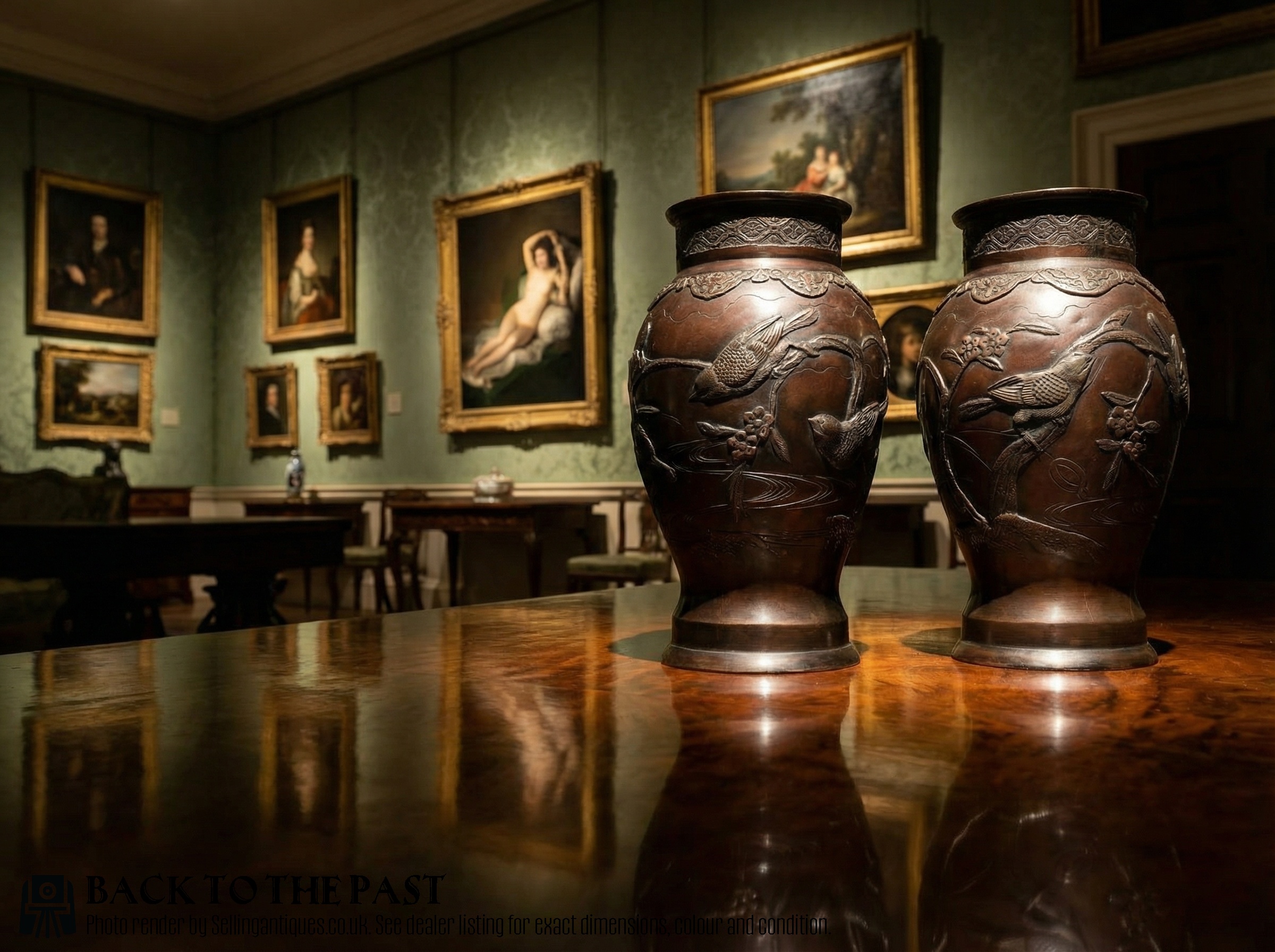
Oriental Bronze Vessel
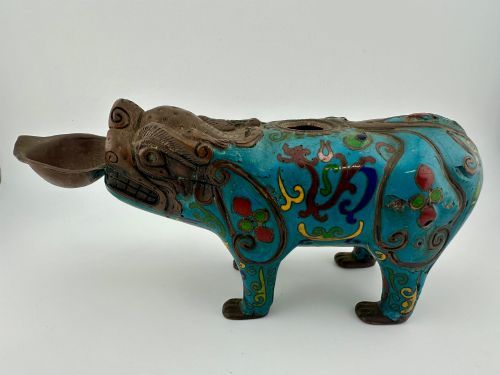
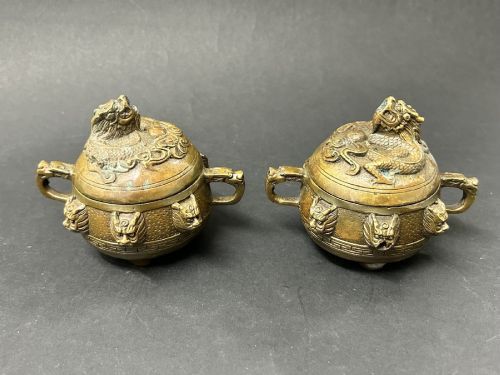
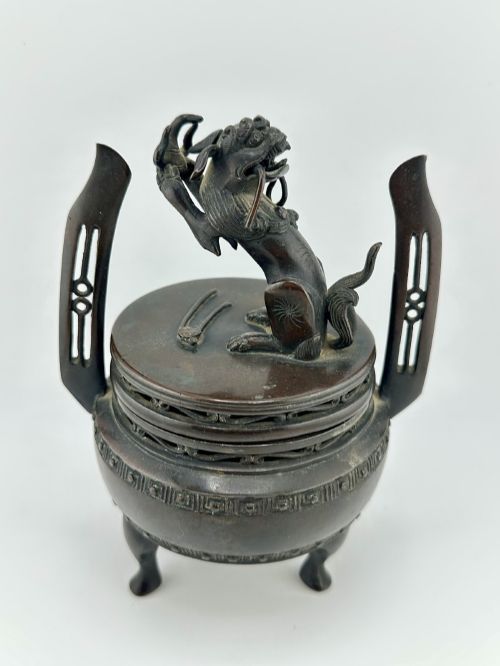
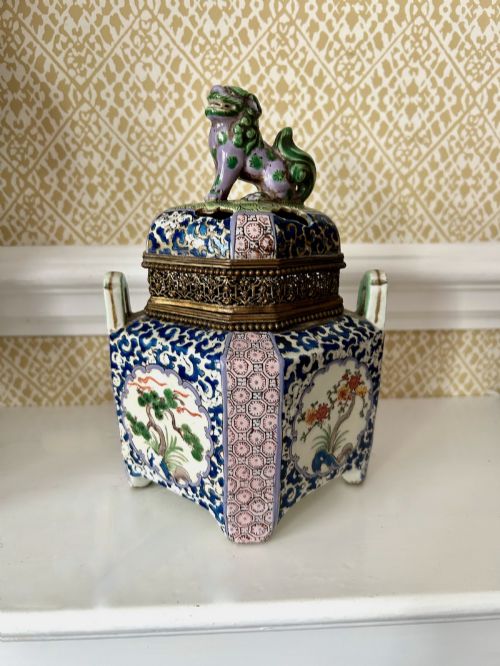
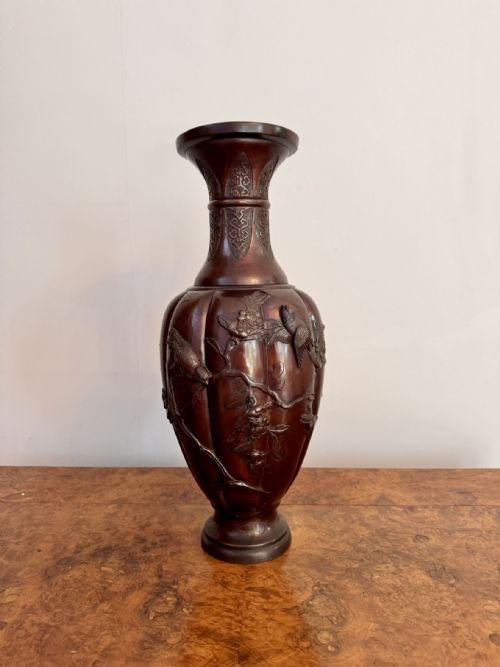
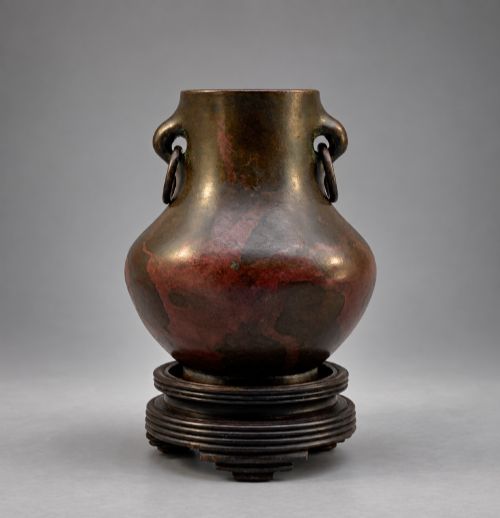
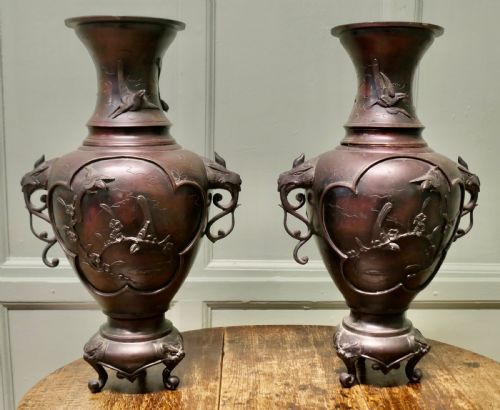
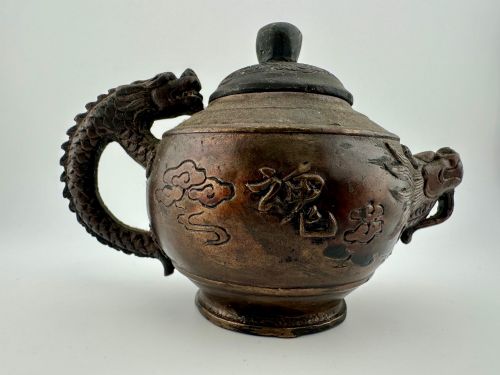
When searching for an oriental bronze vessel, collectors encounter a diverse array of ritual and decorative items originating from China and Japan. These objects primarily take the form of tripod censers, scholar's vessels, and tall baluster vases spanning multiple centuries.
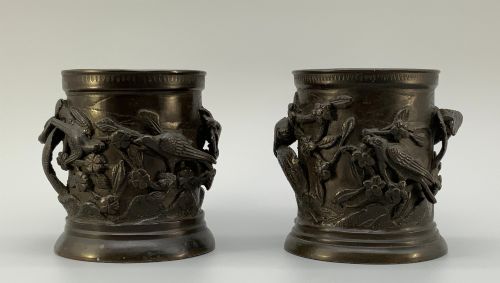
The pieces available on this page lean heavily toward the Qing Dynasty and the Japanese Meiji period, alongside earlier Ming examples. Forms range from heavy ritual ding vessels with taotie decoration to delicate scholarly brush washers and lidded urns.
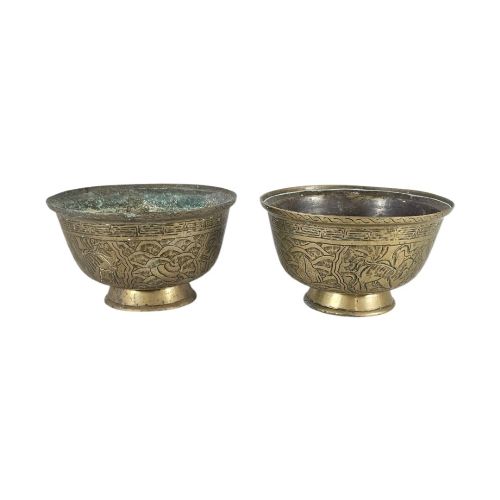
Buyers frequently find items designed for specific historical markets, such as archaic revival styles or pieces created for the Islamic export trade. Each form reflects the specific domestic or ritual function intended by its original maker.
How they were made
The construction of these vessels relies primarily on lost-wax or sectional mould casting techniques capable of producing substantial weights and complex geometries. Artisans worked with copper alloys and bronze, frequently achieving remarkable heft in scholar's censers and large ceremonial vases.
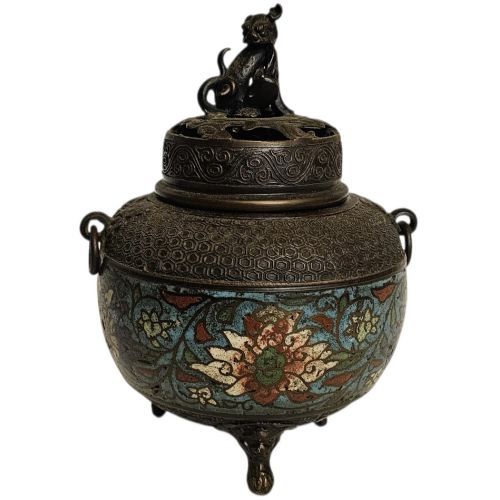
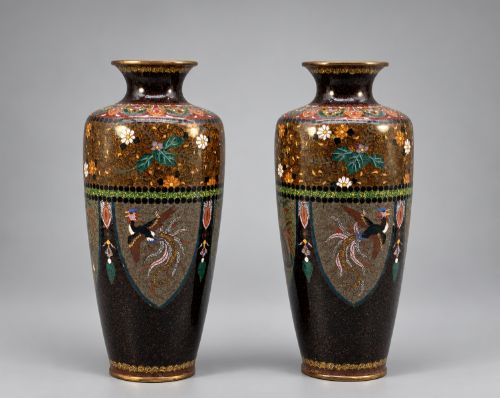
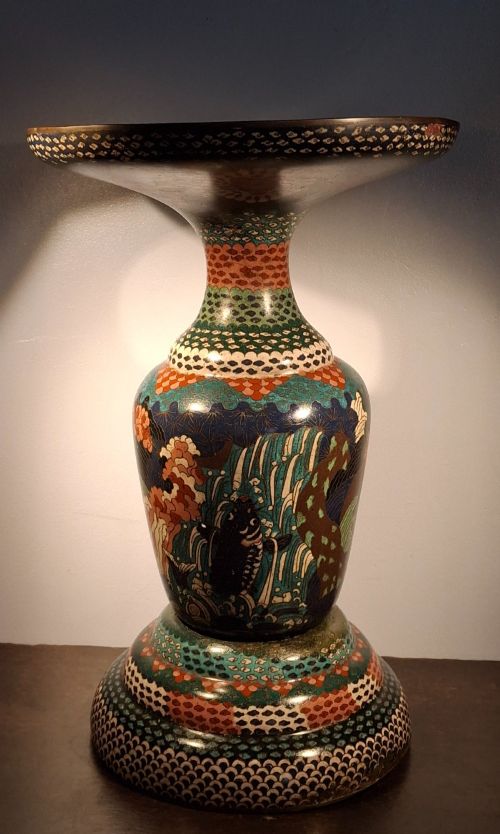
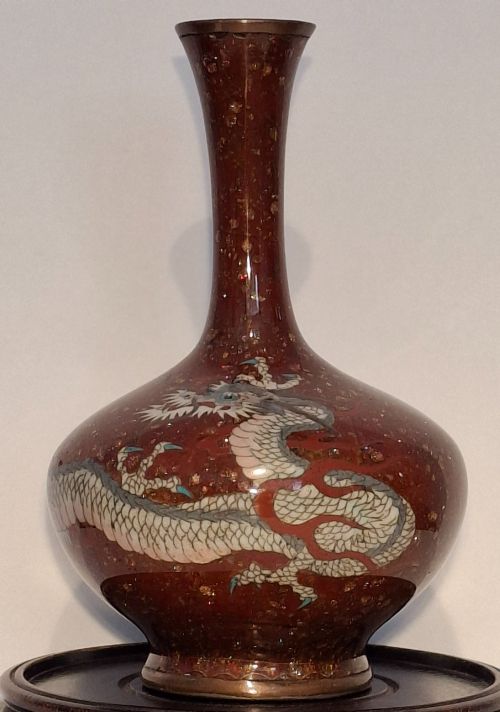
Surface ornamentation involved intricate hand-chasing, high-relief casting, and the application of cloisonné or champlevé enamel. Many pieces incorporate inlaid elements of hardstone, jade, or contrasting metals to enhance the visual texture of the bronze body.
Oriental Bronze Vessel Retail Price Guide 2026
Typical asking prices for oriental bronze vessel among the pieces listed under this phrase on Sellingantiques today, from the lower quarter to the upper quarter. They describe what is for sale here now, not the wider market.
Listings feature vessels produced in copper alloy, brass, and bronze, often enhanced with enamel, jade, and hardstone inlays.
What varies in quality
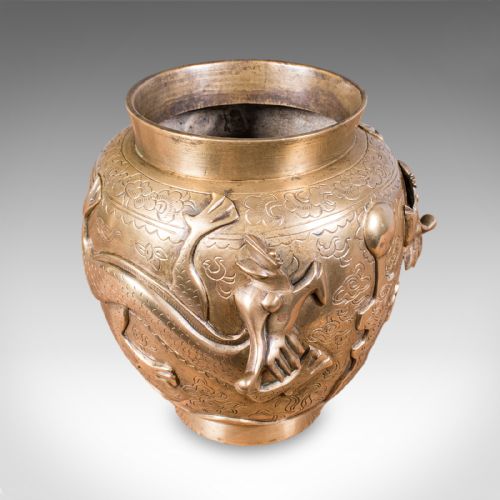
The distinction between ordinary and superior pieces rests upon the crispness of the cast and the depth of the relief work. Master-level vessels display sharply articulated motifs, such as dragon scales or taotie masks, without the softening often seen in secondary production.
Patina and finishing also dictate the standing of a vessel, with stable, rich surface tones and precise inlay work separating workshop standards. The inclusion of authentic reign marks, custom hardwood stands, or specialised scholar's studio inscriptions further elevates the standing of an antique piece.
KANASAWA·Wu Bangzuo
The Oriental Bronze Vessel Glossary
- Censer
- A vessel intended for burning incense during ritual or scholarly pursuits. These often feature tripod legs and pierced covers.
- Cloisonné
- An enamelwork technique where thin metal wires form raised barriers to contain coloured enamel pastes before firing.
- Archaistic
- A stylistic approach where later makers deliberately emulate the decorative motifs and vessel forms of ancient dynasties.
- Taotie
- A prominent stylized zoomorphic mask motif frequently cast in relief upon ancient and revival ritual bronzes.
- Patina
- The surface sheen and coloration developed naturally over centuries of handling, oxidation, and exposure to the elements.
Oriental Bronze Vessel: Frequently Asked Questions
What is an oriental bronze vessel used for?
Historically, these vessels served ritual, religious, and scholarly functions, ranging from burning aromatic incense in temples to washing scholar's brushes on private desks.
Today, collectors use them primarily as decorative focal points, table lamps, or display pieces within a room.
How do I date an antique bronze vessel?
Dating relies on examining the casting style, surface patina, alloy composition, and any reign or studio marks found on the base.
Comparing the decorative motifs against known historical periods, such as the Ming or Qing dynasties, helps establish the era of manufacture.
What is an archaistic bronze vessel?
An archaistic vessel is a later creation, often from the Qing Dynasty, that deliberately copies the forms and decorations of much older ritual bronzes.
These pieces pay homage to ancient Chinese heritage while utilising the refined casting techniques of their own time.
How should I care for a bronze vessel?
Bronze requires minimal intervention to preserve its historical surface and stable oxidation layers.
Dusting gently with a dry, soft cloth is sufficient, avoiding harsh chemical cleaning agents that can strip the natural patina.