



Oriental Blue White Pots
Oriental blue white pots bring centuries of ceramic history to your home, offering painted cobalt patterns on porcelain vessels made for display and use.
Oriental Blue White Pots
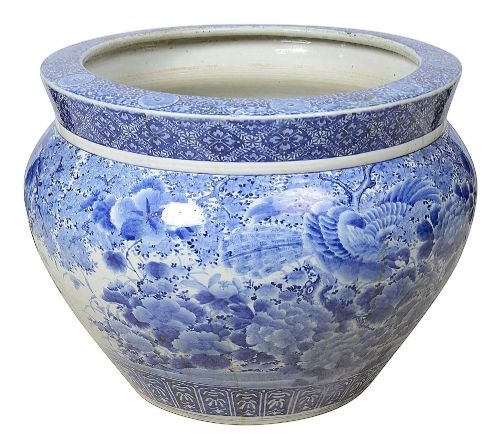
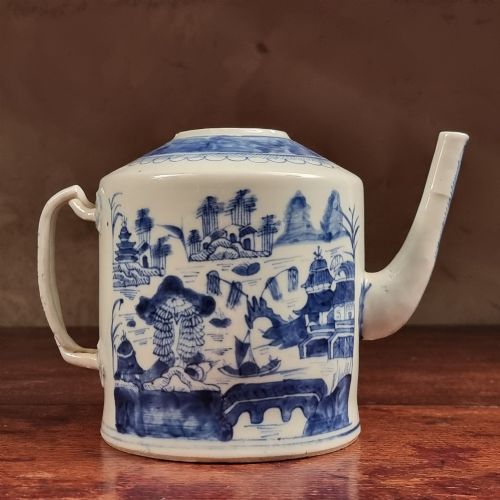
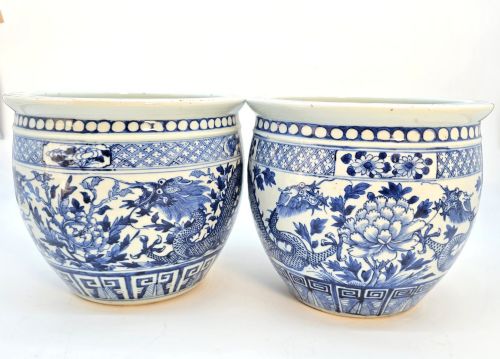
Oriental blue white pots encompass a variety of forms including large jardinières, fish bowls, ginger jars, brush pots, and teapots. These vessels originate from different traditions such as Qing Dynasty China and the Japanese Edo and Meiji periods.
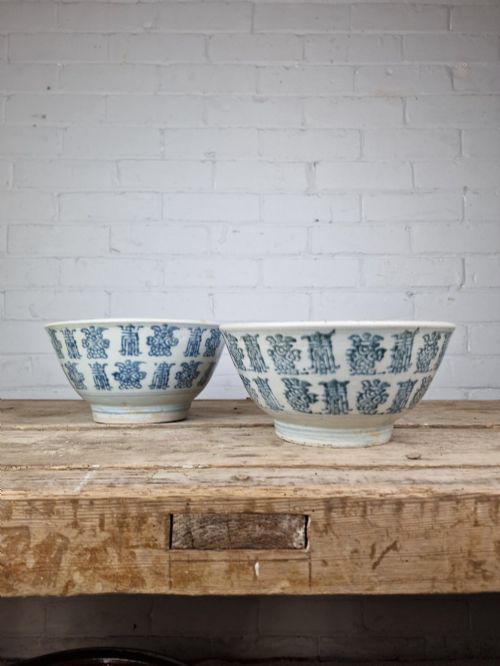
The pieces you encounter most frequently on this page date from the nineteenth century, alongside earlier examples from the seventeenth and eighteenth centuries. They range from utilitarian provincial bowls to decorative jars intended for display.
Many items reflect distinct cultural aesthetics, including Chinese export wares and Japanese Arita productions. Buyers select them for their striking cobalt decoration and their ability to anchor a room's interior scheme.
Assessing quality and execution
The separation between standard and superior pieces rests upon the crispness of the cobalt painting and the control of the kiln firing. Stronger examples display deep, luminous blues with precise brushwork that defines botanical, figurative, or geometric motifs without bleeding into the white ground.
Form and potting weight also determine the calibre of a vessel, with finer porcelain showing balanced proportions and smooth surfaces free from major warping. The harmony between the painted design and the physical shape of the pot distinguishes ambitious works from routine production.
Listings feature ceramics spanning four centuries, from seventeenth-century Arita wares to early twentieth-century Chinese export pots.
The Oriental Blue White Pots Glossary
- Cobalt underglaze
- A mineral pigment applied to the unfired ceramic body before glazing and firing, producing durable blue designs that withstand high temperatures. This technique prevents the pigment from rubbing off over time.
- Jardiniere
- A large ornamental pot designed to hold a live plant or floral arrangement, often displayed on a table or floor stand. These vessels frequently feature wide rims and deep bodies.
- Ginger jar
- A high-shouldered storage vessel originally made in China for spices and oil, later collected purely for its decorative presence. They typically feature domed lids.
- Kamcheng
- A covered ceramic jar originating from Chinese export traditions, traditionally used for holding food or water. These lidded pots often display cobalt painting across the exterior body.
- Imari
- A style of Japanese porcelain originating from Arita, known for its combination of underglaze blue and contrasting enamel colours like iron red. It gained widespread popularity in European export markets.
Oriental Blue White Pots: Frequently Asked Questions
Can these jardinieres hold water directly?
Many historic ceramic planters were not designed to be watertight by modern standards, and seepage can occur through older bodies or hairline fractures. Using a hidden inner plastic liner protects the antique fabric from moisture damage.
Placing a protective mat underneath prevents condensation from marking wooden furniture surfaces. Inspect the interior base for drainage holes or historical repairs before filling.
How do I distinguish eighteenth-century pieces from later copies?
Examine the character of the cobalt pigment, which often sinks slightly into the glaze on earlier pieces due to high firing temperatures. Look for microscopic surface wear and natural potting irregularities that reveal hand-thrown construction.
Later nineteenth-century and revival pieces often display more uniform surfaces and brighter, less variable blues. Comparing foot rims and base characteristics helps confirm the period of manufacture.
Where should I display large decorative jars?
Position large ginger jars or fish bowls on sturdy low tables, pedestals, or hearths where their proportions can anchor the surrounding space. Ensure the furniture underneath supports the substantial weight of thick porcelain.
Keep pieces away from heavy foot traffic areas to prevent accidental impacts. Natural indirect light highlights the depth of the cobalt painting without fading the glaze.