



Oriental Bird Vase
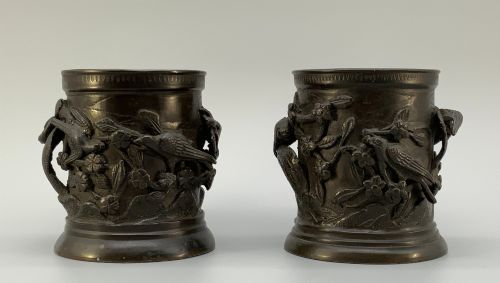
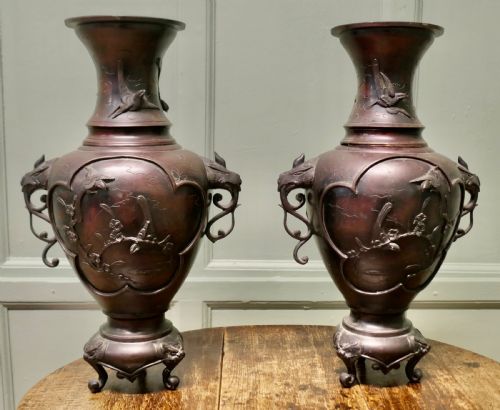
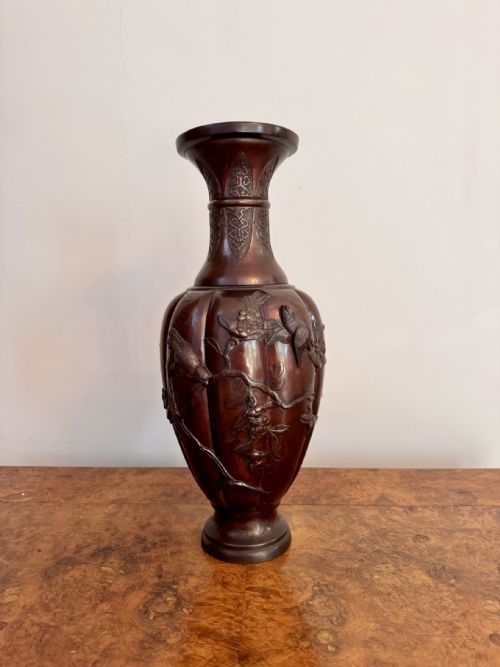
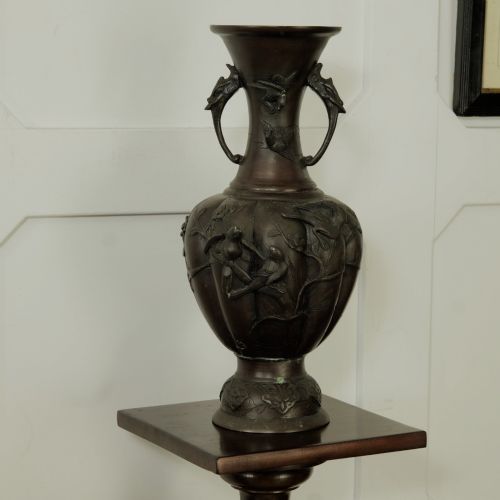
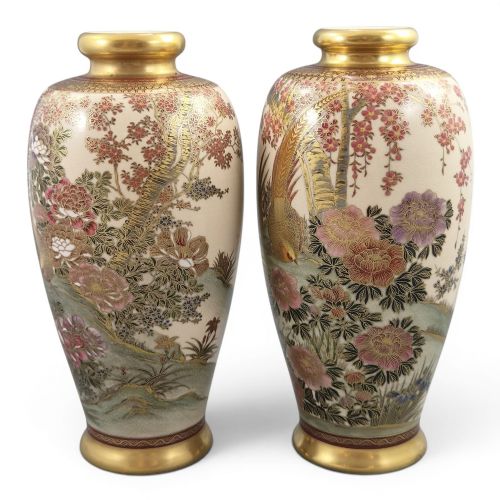
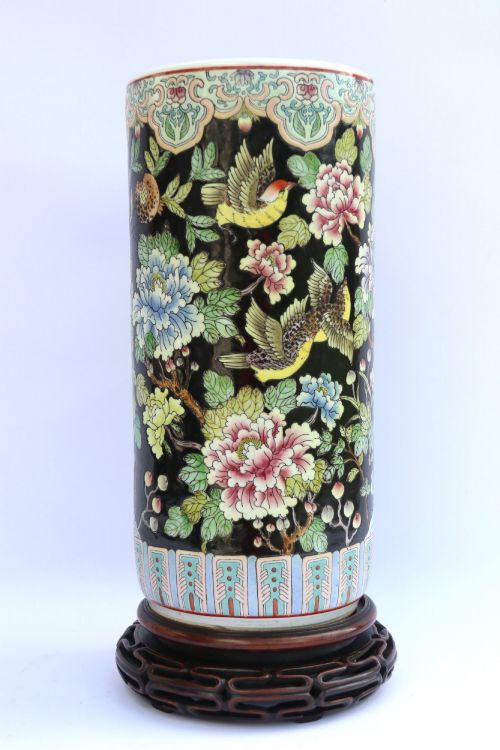
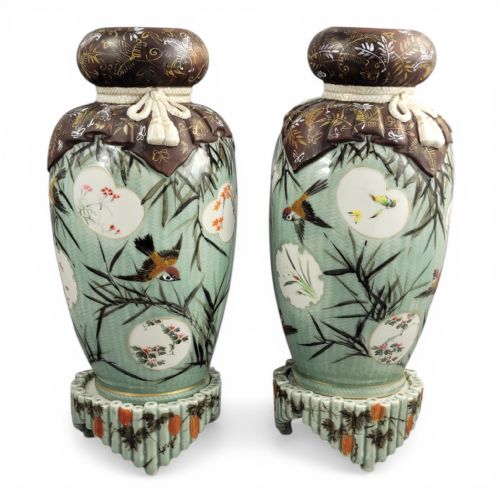
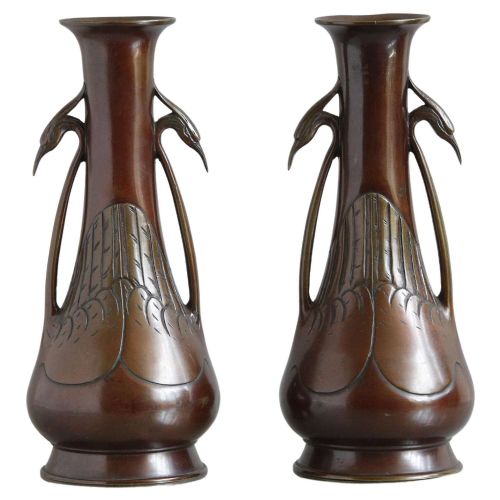
These oriental bird vase examples bring together the metalwork and ceramic arts of Meiji Japan and Qing China, decorated with painted or cast avian motifs.
Oriental Bird Vase
An oriental bird vase brings together the rich decorative traditions of East Asian metalwork and ceramics, spanning the nineteenth and early twentieth centuries. The pieces on this page are predominantly Japanese bronze and porcelain vessels from the Meiji period, alongside Chinese porcelain jars and vases.
Makers utilised bronze, brass, cloisonné enamel, and various ceramic bodies to depict birds and floral scenes. Forms range from monumental palace vases and ginger jars to slender baluster urns and table lamps.
How they were made
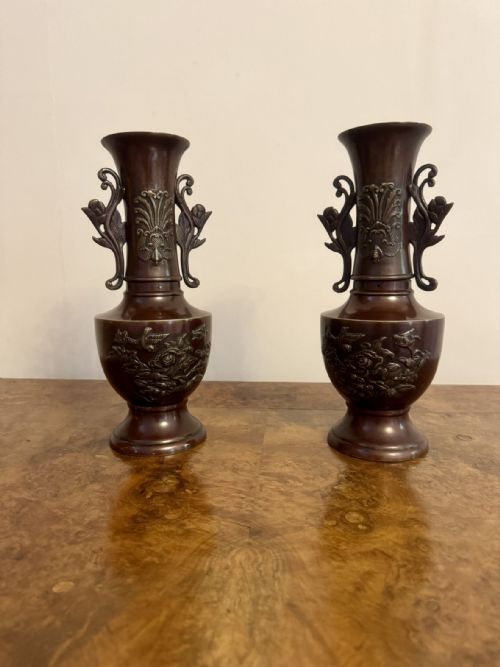
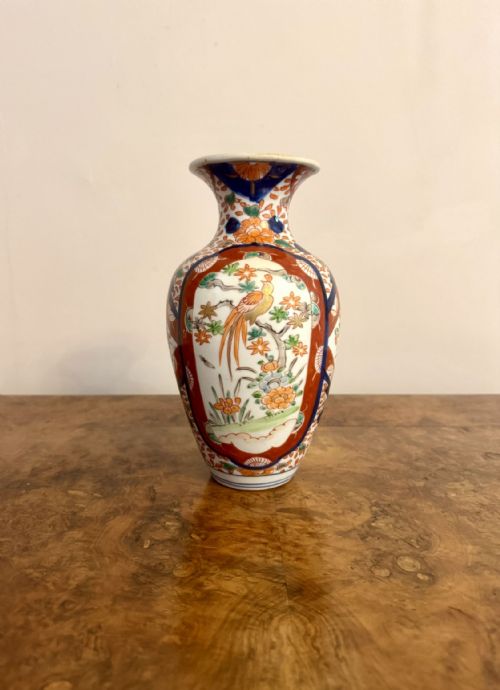
Makers shaped bronze vessels through casting, often adding mixed metal details, silver wire cloisonné, or raised floral and bird motifs. Ceramic forms utilise porcelain and earthenware bodies decorated with enamel, underglaze painting, or lacquer over-paint.
Techniques such as ginbari enamel and basse-taille create textured grounds beneath translucent coloured enamels, while bronze surfaces receive patination or engraved markings.
Listings feature porcelain, bronze, brass, and enamel materials across Meiji period and Qing dynasty eras.
What varies in quality
Quality rests upon the precision of the casting or ceramic throwing, the fineness of the enamel work, and the crispness of the engraved or raised bird and floral details. Master workshops employ meticulous wirework in cloisonné and complex mixed metal patination that elevate the visual depth of the design.
The presence of original stands, matched pairs, and clear studio or artist signatures distinguish standard production items from exhibition pieces.
Manpei·Kinkōzan·Kato Sanhei·Ando Jubei·Makuzu Kozan II
The Oriental Bird Vase Glossary
- Meiji Period
- The era in Japanese history from 1868 to 1912, noted for a surge in fine metalwork and ceramics produced for export. Pieces from this period frequently display intricate bronze casting and cloisonné enamel.
- Cloisonné
- A technique where thin metal wires are soldered to a metal body to create compartments that are filled with enamel paste and fired. Silver wire cloisonné is characteristic of advanced Japanese workshops.
- Famille Verte
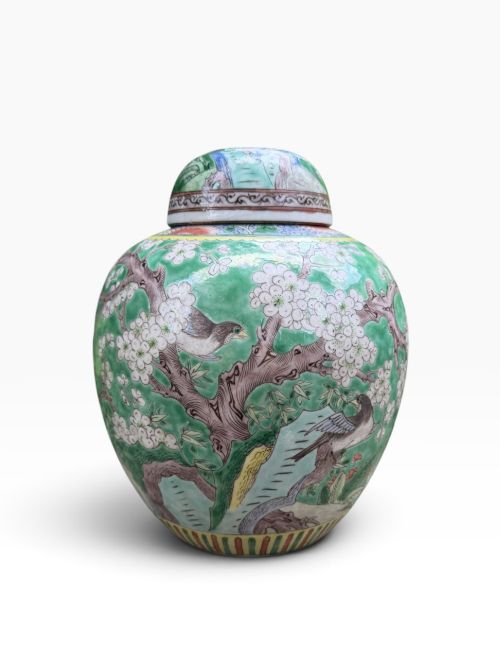
- A Chinese porcelain palette dominated by green enamels, developed during the Qing dynasty. These wares often feature detailed polychrome scenes including birds and flowers.
- Satsuma
- A type of Japanese earthenware featuring a crackle glaze decorated with polychrome enamels and gold leaf. Many fine examples carry signatures from notable Kyoto and Kobe makers.
Oriental Bird Vase: Frequently Asked Questions
What periods do these vases come from?
The pieces span the nineteenth and early twentieth centuries, with a strong representation from the Japanese Meiji period and the Qing dynasty in China. Later examples extend into the Edwardian and Showa eras.
Production methods shifted across these decades, moving from traditional hand-cast bronzes and painted porcelains to more refined exhibition pieces incorporating advanced enamel techniques.
How do I care for bronze and enamel?
Bronze vessels benefit from occasional dusting with a soft, dry cloth to protect the patinated surface. Enamel and porcelain pieces should be kept away from direct sunlight and handled carefully by the base.
Avoid using liquid cleaners or polishes, particularly on mixed metal or cloisonné surfaces, as these can damage the delicate wirework and applied patination.
What is the difference between bronze and mixed metal?
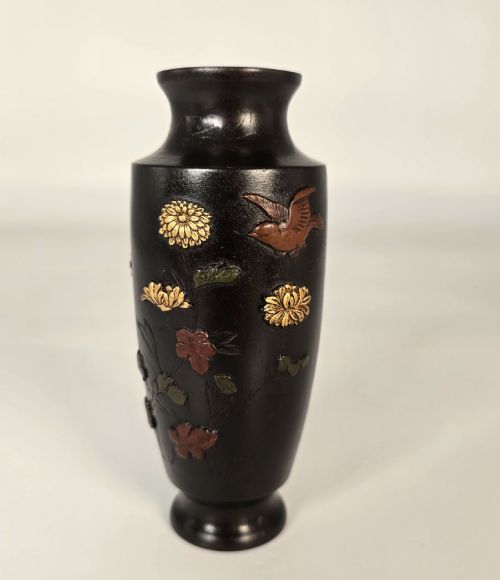
Standard bronze vases consist primarily of a cast bronze body with unified surface patination or relief decoration. Mixed metal pieces incorporate contrasting metals such as silver, copper, and brass inlaid into the bronze surface.
This mixed technique creates multicoloured pictorial effects, often highlighting the plumage of birds or the stems of flowering plants.
Are these vases meant for holding water?
Most antique metal and cloisonné pieces serve primarily as decorative objects or lamp bases rather than functional vessels for fresh flowers. Many ceramic jars and vases are also displayed with original hardwood stands intended for interior decoration.
Placing water inside antique metal or fragile enamel vessels can compromise the interior lining and historical patination.