



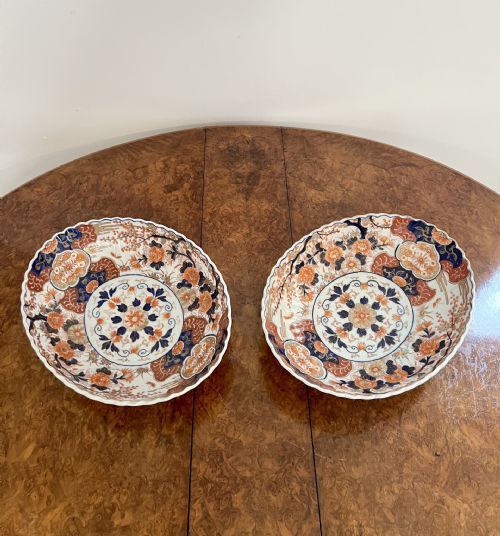


Orange Porcelain Charger
An orange porcelain charger brings vibrant colour and intricate hand-painted palettes to a wall or table, drawing the eye instantly.
Orange Porcelain Charger
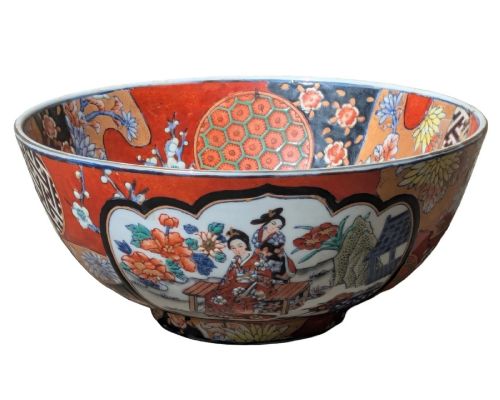
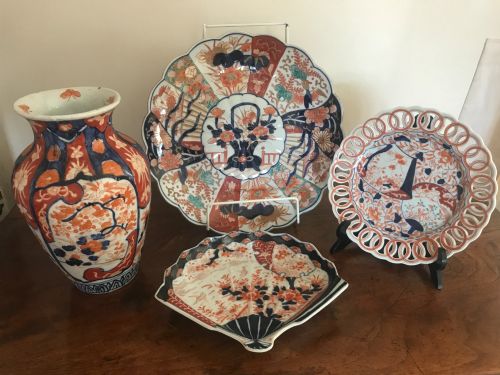
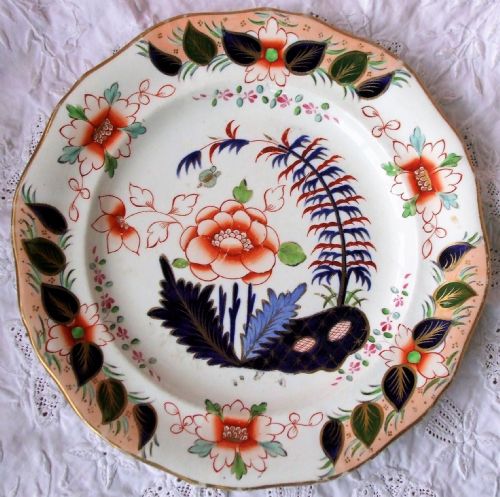
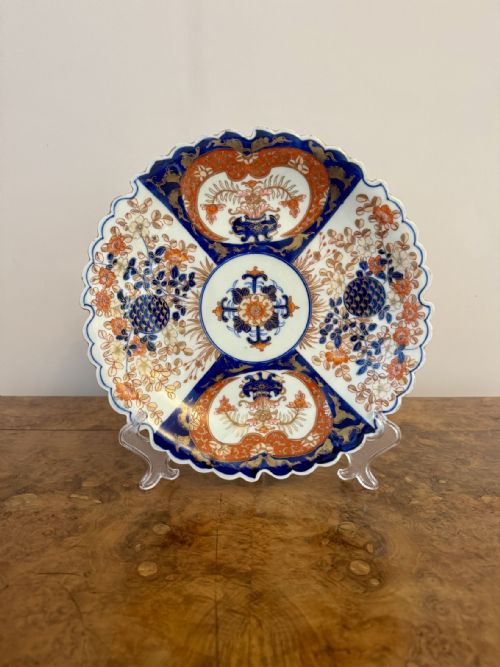
When you search for an orange porcelain charger, you encounter large display vessels defined by strong ceramic traditions and rich hues. The pieces on this page span several centuries, drawing heavily upon Japanese Imari and Chinese export workshops.
The selection ranges from large circular display platters to scalloped dishes and square plates. Many examples originate from the Victorian era and the Meiji period, reflecting a sustained global appetite for bold decorative ceramics.
While some items are bowls or smaller decorative plates, the core of the group consists of substantial chargers designed for visual impact. These items demonstrate the enduring appeal of traditional porcelain decorated in striking palettes.
Materials and production methods
Potters shaped these objects from fine ceramic paste and porcelain before applying mineral glazes. Enamel colours and underglaze pigments were meticulously hand-painted across the surface to build up complex pictorial scenes.
Many items incorporate gold leaf, gilt, or gilding to highlight specific motifs within the design. Firing in traditional kilns fused these metallic and enamel elements into the glazed surface, resulting in durable finishes.
Listings span the eighteenth, nineteenth, and early twentieth centuries, featuring Chinese export wares alongside Japanese Imari creations.
Distinguishing quality across the range
Quality rests in the precision of the hand-painted brushwork and the clarity of the underlying porcelain body. Superior examples display crisp definition in the enamel details and careful balance in the composition of the imagery.
The ambition of the form also separates standard production from exceptional work, such as unusual fan-shaped or square plates alongside standard circular chargers. Preservation of the original gilt highlights and enamel vibrancy further elevates a piece.
John Davenport of Longport
The Orange Porcelain Charger Glossary
- Charger
- A large decorative plate primarily intended for display on a sideboard or wall rather than for dining use.
- Imari
- A style of Japanese porcelain exported from the port of Imari, traditionally characterised by a palette of underglaze blue, iron red, and gilt.
- Meiji Period
- The era in Japanese history spanning from 1868 to 1912, noted for a surge in export ceramics tailored for Western tastes.
- Edo Period
- The period in Japanese history from 1603 to 1867, during which foundational ceramic and artistic techniques matured.
- Gilding
- The application of gold leaf or powdered gold to the surface of ceramic objects to enhance decorative details.
Orange Porcelain Charger: Frequently Asked Questions
What is an orange porcelain charger used for?
These large ceramic vessels served primarily as decorative display pieces on walls or sideboards rather than everyday tableware.
Their substantial size and vibrant hand-painted designs made them centrepieces in formal reception rooms.
How do I date an antique charger?
Dating relies on stylistic markers, potting techniques, and any associated kiln marks or historical periods noted in the listing.
Comparison with documented examples from the Edo, Meiji, or Victorian eras helps narrow down the decade of production.
How should I display a charger safely?
Wall display requires a secure, properly sized wire hanger designed specifically to support heavy porcelain without placing stress on the rim.
Tabletop display benefits from a sturdy plate stand that distributes the weight evenly across the base.
What does the Imari palette mean?
The Imari palette refers to a distinct combination of cobalt blue underglaze, iron red, and added gold leaf or gilding.
This specific colour scheme originated in Japanese kilns and was widely adopted for export wares.