

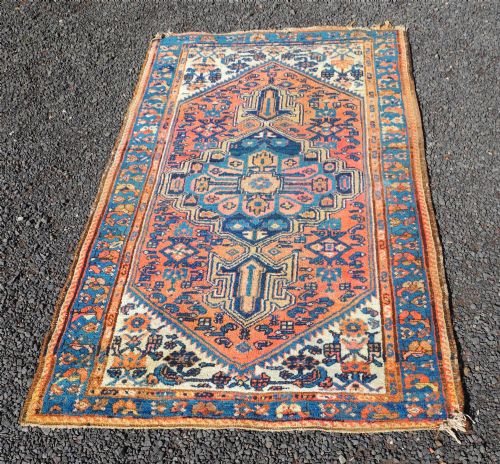
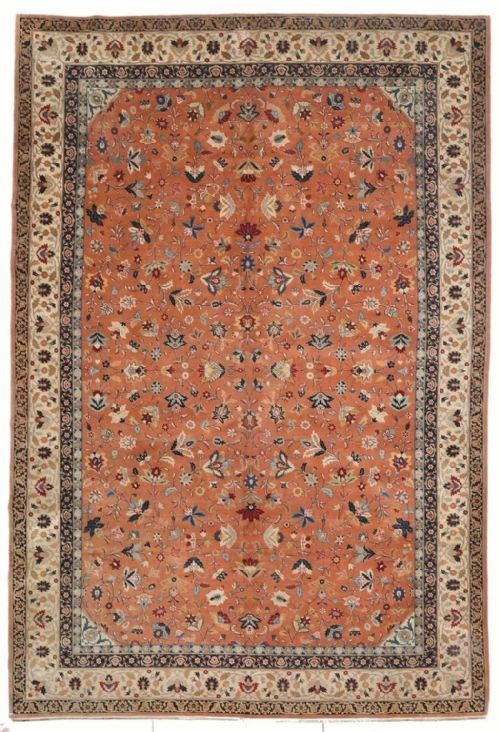


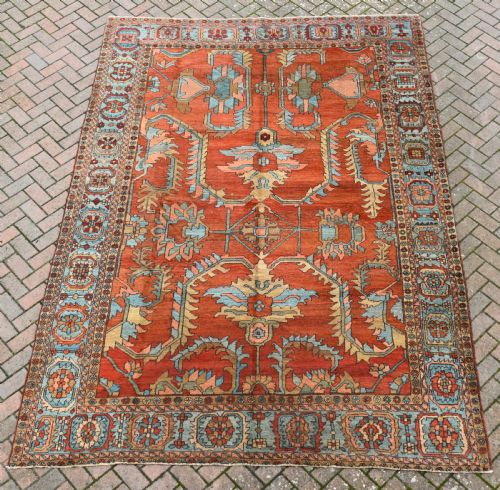


Orange Persian Carpet
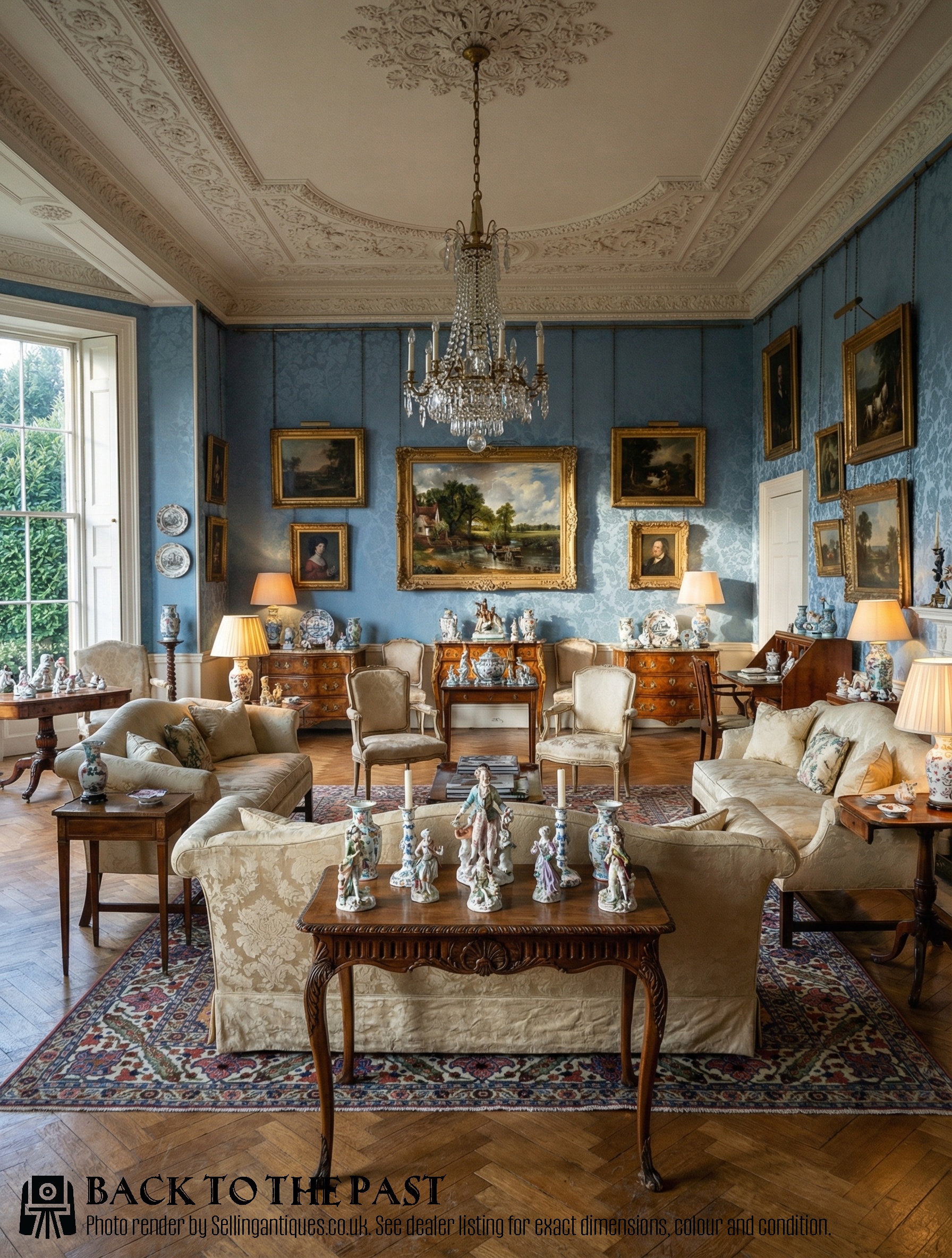
An orange persian carpet brings warmth and deep texture to a room, offering centuries of weaving tradition in a single striking floor covering.
Orange Persian Carpet
An orange persian carpet encompasses woven floor coverings originating from Persia and neighbouring regions, spanning decades from the late nineteenth century into the twentieth century. These textiles include large carpets, area rugs, hallway runners, and tribal pieces such as kilims and prayer rugs.
Buyers searching for an orange persian carpet will frequently encounter regional styles such as Tabriz, Mahal, Heriz, Hamadan, and Baluch tribal pieces. The palette ranges from deep terracotta and mellow tones to striking terracotta and ivory fields.
How they were made
Weavers utilised natural materials including wool, cotton, and silk, spinning them by hand to create durable foundations and soft pile surfaces. Wool provides the primary resilient pile for most regional carpets, while cotton often forms sturdy warps and wefts.
Tribal and city workshops employed traditional hand-knotting and flatweaving techniques, integrating silk for finer detail in select luxury pieces. The construction methods reflect the specific regional traditions of areas such as Khorassan, Sistan, and the wider Persian territory.
Orange Persian Carpet Retail Price Guide 2026
Typical asking prices for orange persian carpet among the pieces listed under this phrase on Sellingantiques today, from the lower quarter to the upper quarter. They describe what is for sale here now, not the wider market.
What varies in quality
Quality in these woven pieces rests upon the density of the knotting and the precision of the regional design execution. Finer silk or tightly spun wool structures show superior durability and sharper graphic detail across the field.
The sophistication of the dye work and the balance of the composition further distinguish finer examples from standard tribal production. Harmonious fading and complex border arrangements indicate a higher grade of craftsmanship.
The Orange Persian Carpet Glossary
- Kilim
- A flatwoven carpet or rug produced without a pile, featuring geometric patterns and lightweight structure. These pieces are typically utilised for smaller spaces or wall hangings.
- Prayer rug
- A small textile featuring a niche design representing the mihrab, traditionally used for personal devotion. These rugs often display specific regional motifs unique to tribal weavers.
- Warp
- The vertical threads stretched tightly on a loom before weaving begins, forming the foundational skeleton of the carpet. Cotton and wool are standard materials for this structural element.
- Weft
- The horizontal threads passed through the warp threads to secure the knots in place. Proper tension in the weft ensures the structural integrity of the finished textile.
- Pile
- The upright surface yarn of a carpet, formed by individual knots clipped to a uniform height. The density of this pile contributes directly to the softness and longevity of the piece.
Orange Persian Carpet: Frequently Asked Questions
How do I clean an antique carpet?
Professional dusting and gentle surface cleaning by a specialist in antique textiles are essential to preserve the fibres. Avoid harsh chemical treatments and excessive water immersion.
Regular light vacuuming without a rotating brush helps prevent dust accumulation in the pile. Keep the carpet out of direct, harsh sunlight to protect the natural dyes.
Are these carpets suitable for heavy foot traffic?
Wool and cotton carpets from regional workshops are robust enough for daily use in living areas and hallways. Heavier room-size carpets handle domestic movement with ease.
Place a quality underlay beneath the carpet to reduce friction against the floorboards. This simple step extends the working life of the textile significantly.
How do I identify a tribal rug?
Tribal rugs typically display geometric motifs, asymmetrical designs, and bold village-style patterns rather than formal court curves. They often reflect the nomadic traditions of specific regional weavers.
The materials and structural irregularities frequently point to cottage or nomadic production rather than large urban manufactories.