






Cream Border Carpet
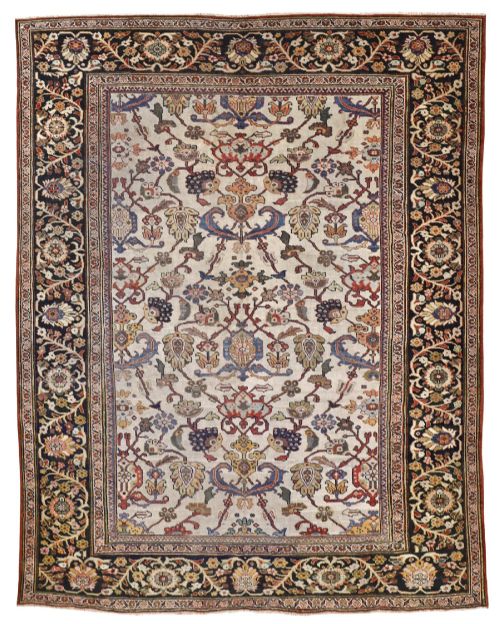
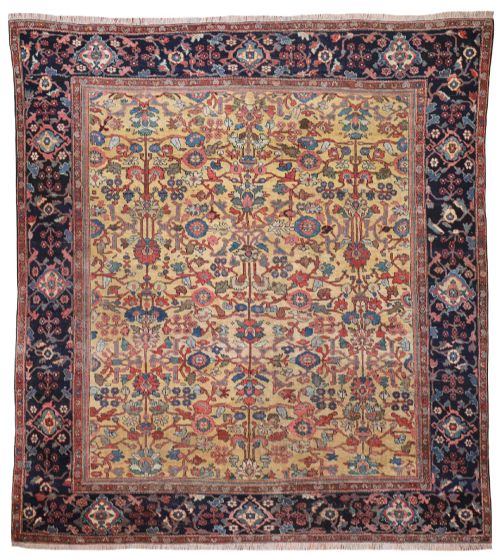
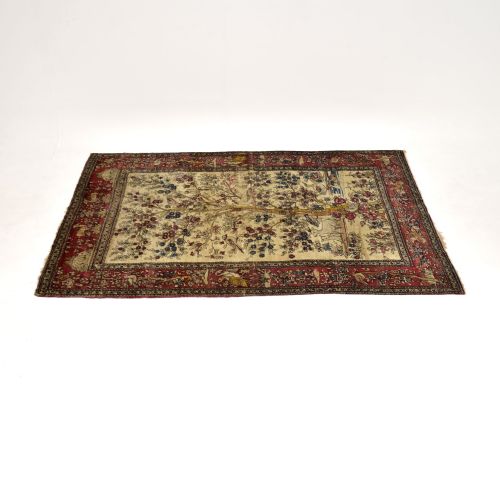
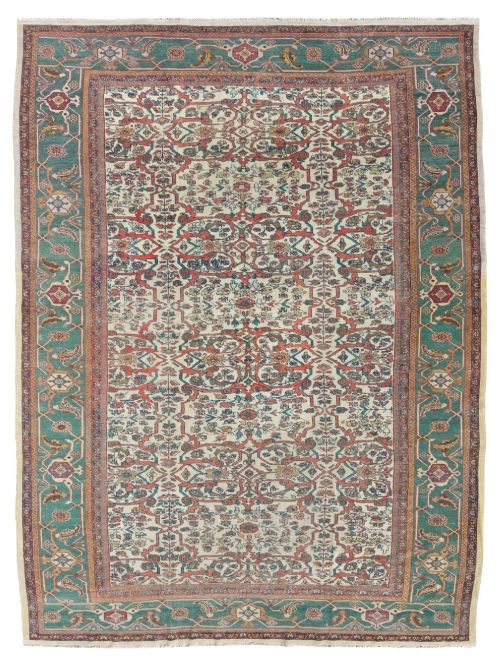
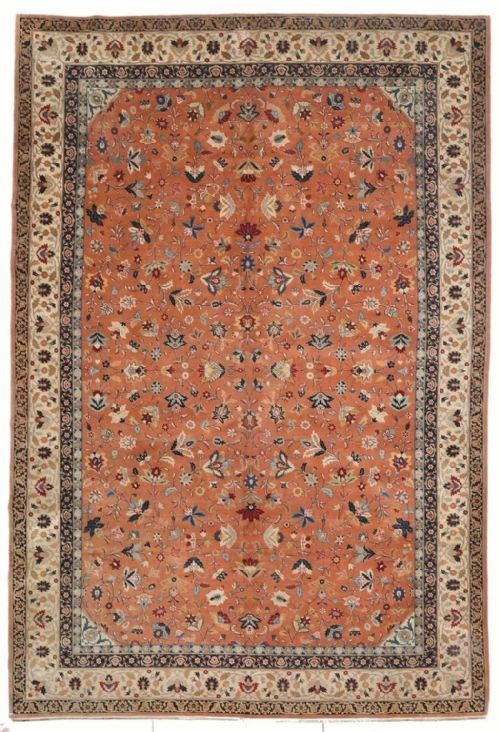
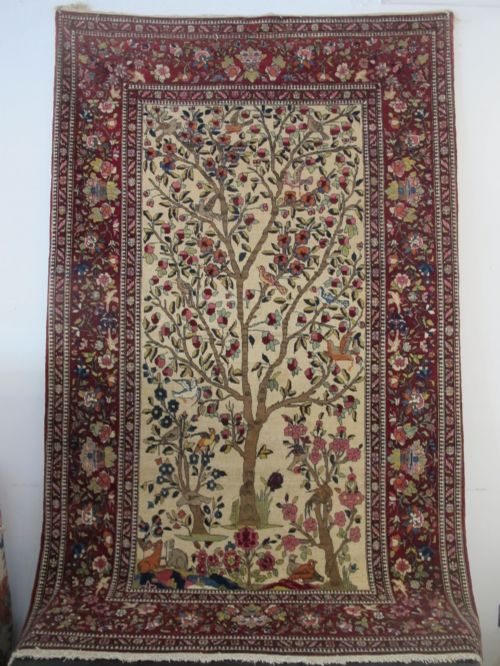
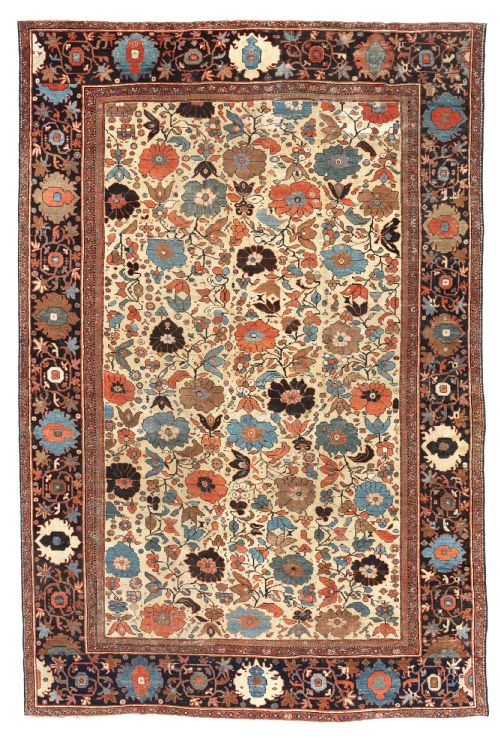
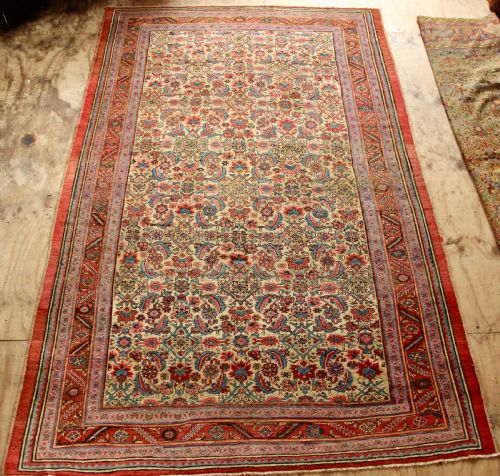
A cream border carpet brings foundational warmth to a room, framing intricate traditional weaving with a pale, neutral margin.
Cream Border Carpet
A cream border carpet provides a structured perimeter of neutral tone that anchors rich interior layouts. The selection here leans heavily towards antique Persian workshops, alongside examples from Bessarabia and Nepal.
Buyers will encounter room-size carpets, square formats, and runner rugs spanning the late nineteenth and early twentieth centuries. These textiles range from grand Isfahan and Tabriz formats to resilient village weaves from Hamadan and Bakshiash.
Regional styles dictate the character of the field, whether it displays classical medallion layouts, Herati patterns, or geometric tribal motifs. The pale border serves to contain these complex designs, allowing the central iconography to breathe.
Materials and construction
Weavers relied upon natural wool, cotton, and occasionally silk to construct these floor coverings. Wool provided durable pile and warmth, while cotton foundations offered structural stability for complex room-size dimensions.
Traditional regional workshops utilised vegetable and mineral dyes to colour the yarns, resulting in deep abrash and varied tonality within the cream borders and central fields. Hand-knotting techniques ensured dense piles capable of enduring decades of heavy domestic use.
Cream Border Carpet Retail Price Guide 2026
Typical asking prices for cream border carpet among the pieces listed under this phrase on Sellingantiques today, from the lower quarter to the upper quarter. They describe what is for sale here now, not the wider market.
Regional styles represented on this page include Persian traditions alongside Bessarabian kilims and Nepalese room rugs.
Gradations in finish
Knot density and structural fineness separate standard utility weaves from master workshop productions. A higher knot count allows for crisper botanical detailing and greater precision within the framing borders.
The integrity of the foundation and the preservation of the original edge bindings dictate the lasting value of the piece. Uniformity in pile height and the natural ageing of dyed wool yarns further distinguish superior examples.
Ahmadi·Ziegler
The Cream Border Carpet Glossary
- Abrash
- Natural variation in wool coloration caused by distinct dye lots or variable dye uptake. This subtle shading adds depth to the surface.
- Kilim
- A flat-woven carpet or rug produced without a pile. These pieces rely on interlocking weft threads to create geometric patterns.
- Medallion
- A central ornamental design motif placed in the middle of the carpet field. It serves as the primary focal point of traditional compositions.
- Pile
- The upright yarn loops that form the tactile surface of the rug. It is sheared to a uniform height after knotting is complete.
- Warp
- The vertical foundation threads stretched lengthwise on the loom. Weft threads are woven horizontally across these to secure the knots.
Cream Border Carpet: Frequently Asked Questions
How do I place a large carpet in a room?
Position the piece so that the main furniture legs rest comfortably upon the field, anchoring the seating arrangement within the room. Ensure the pale border remains visible around the perimeter to define the space.
Allow sufficient bare flooring around the outer edges to let the neutral border frame the layout properly without crowding the walls.
What is the difference between Tabriz and Hamadan rugs?
Tabriz carpets typically reflect urban workshop production with high knot densities, refined floral motifs, and sophisticated colour palettes. They represent formal city weaving traditions.
Hamadan pieces originate from a network of villages, presenting bolder geometric patterns, robust wools, and more rustic tribal characteristics.
How should I clean an antique carpet?
Vacuum the surface gently using a suction-only attachment without a rotating brush roll to protect the delicate wool pile and edge bindings. Avoid aggressive shaking or beating.
Consult a professional textile conservator for periodic washing or deep cleaning to prevent dye bleeding or structural damage to natural cotton foundations.
Are flat-woven kilims durable for daily use?
Kilims offer remarkable resilience in high-traffic zones due to their tight flat-weave construction and absence of a raised pile. They lie flat and handle movement well.
Utilising a quality underlay pad prevents slipping and cushions the weave against hard flooring surfaces, extending the lifespan of the textile.