

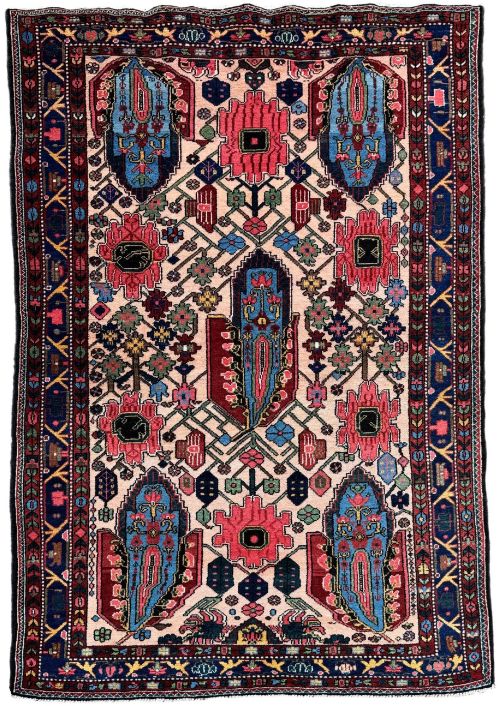
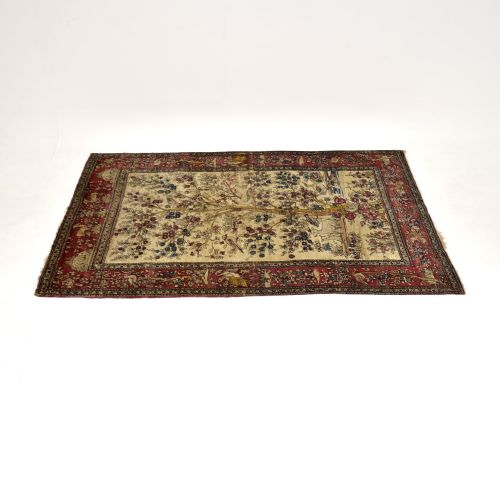
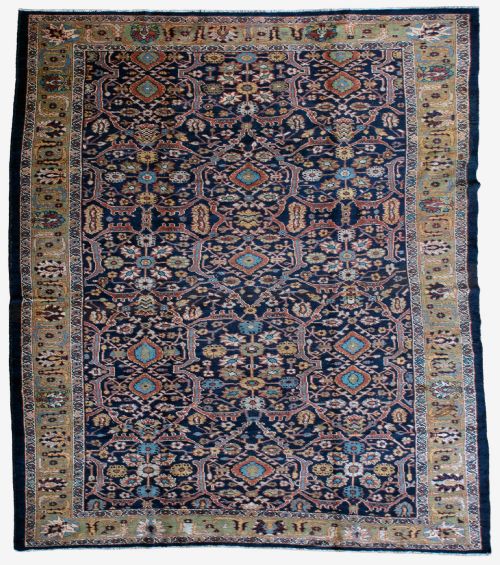
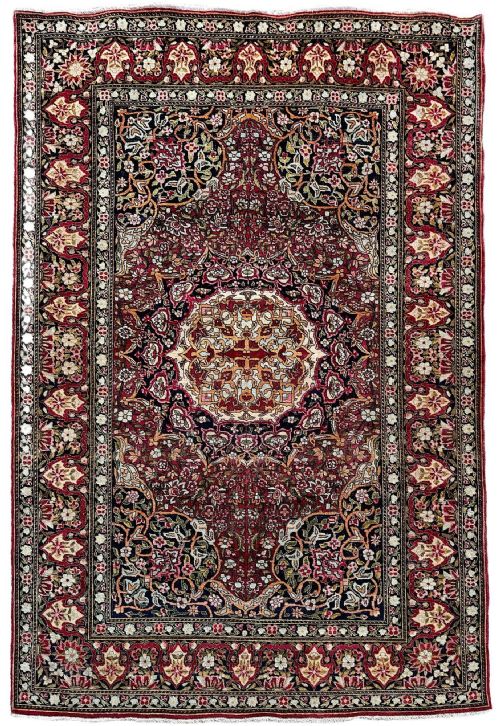

Floral Woven Carpet
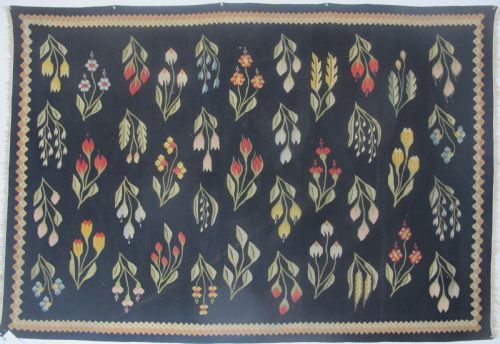
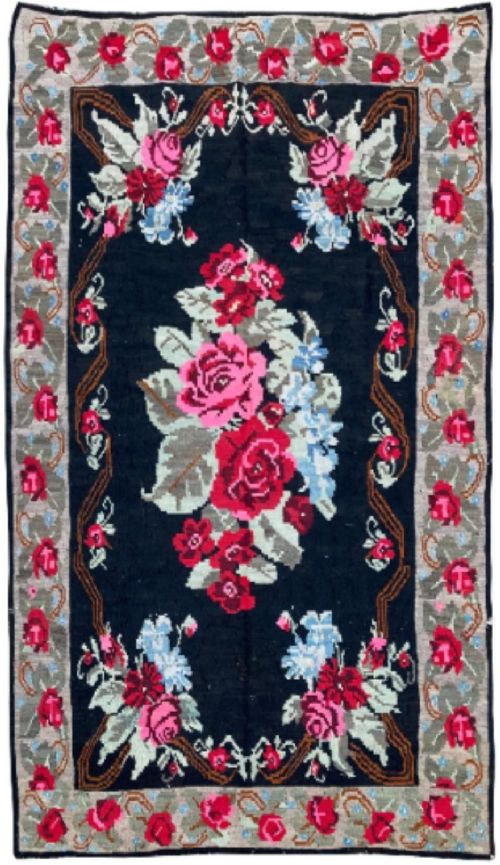
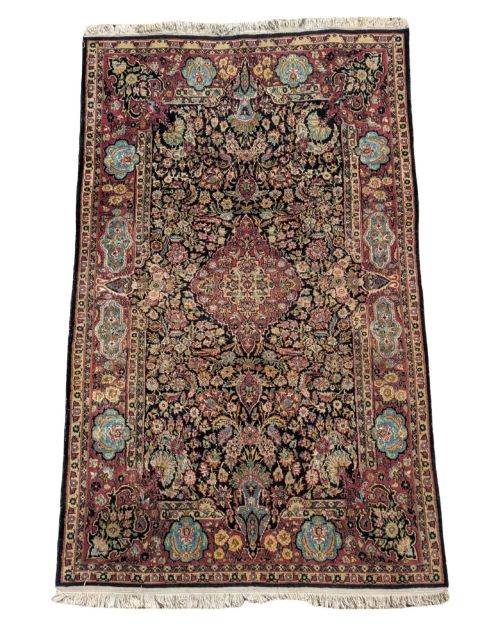
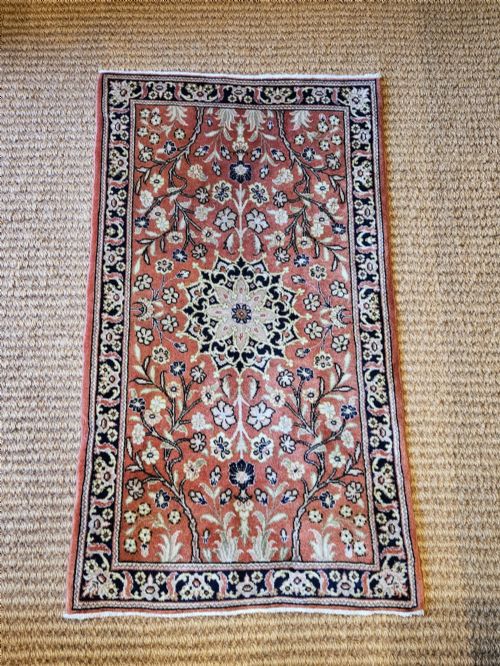
These floral woven carpet examples bring historic Persian, Caucasian, and European artistry into a room through enduring textile traditions.
Floral Woven Carpet
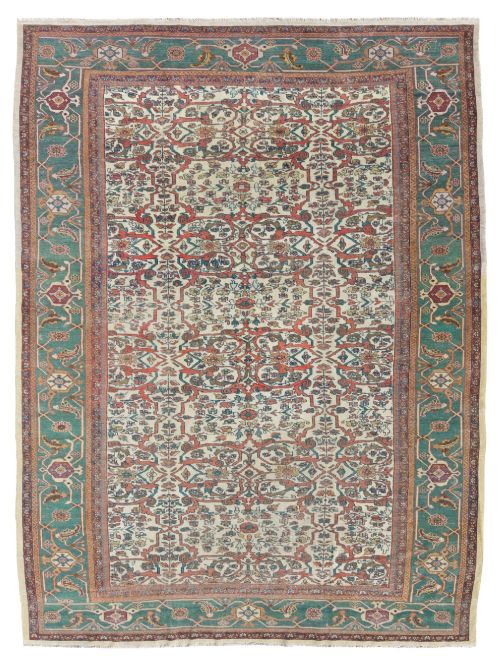
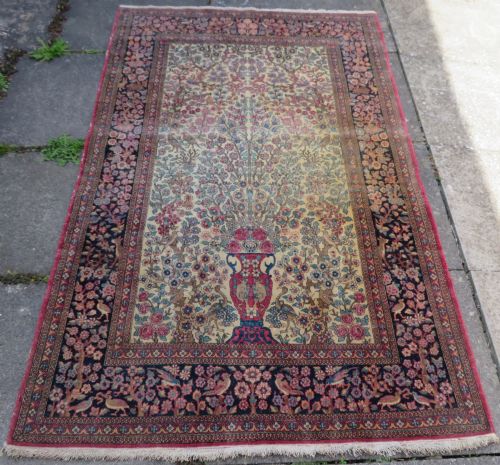
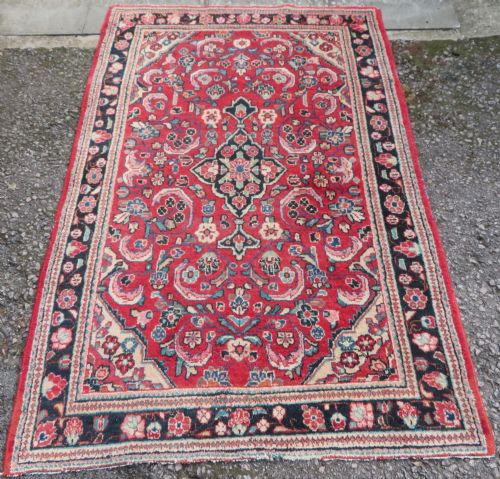
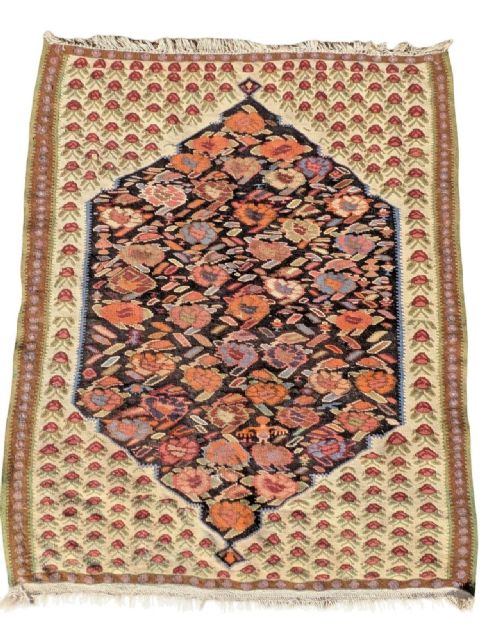
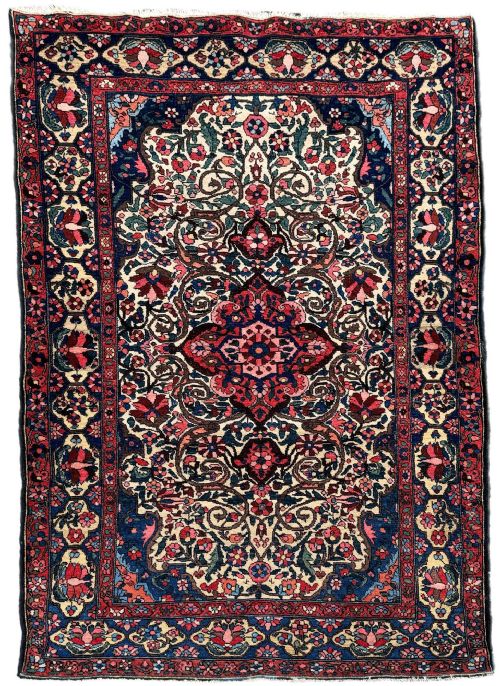
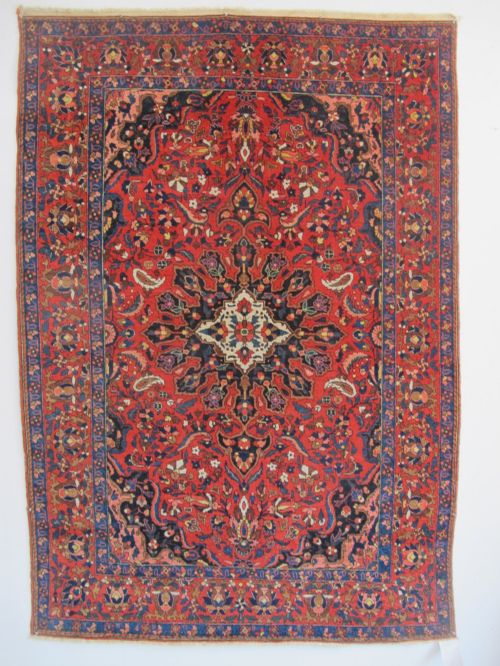
A floral woven carpet brings together centuries of regional weaving traditions, ranging from room-sized Persian room coverings to smaller village rugs and runners. Buyers seeking a floral woven carpet encounter diverse formats like the Isfahan, Mahal, Bakhtiar, and Heriz types, alongside European tapestries and kilims.
The selection spans periods from the mid-nineteenth century through the nineteen-thirties, reflecting stylistic influences from Ottoman, Caucasian, and Eastern European folk traditions. Forms vary from hearth-sized hearth rugs to massive carpets exceeding four metres in length.
Village and workshop origins dictate the character of each piece, incorporating traditional motifs such as the Tree of Life alongside intricate floral fields. Most examples originate from Persia, supplemented by output from Romania, Turkey, and France.
How They Were Made
Weavers constructed these textiles primarily using wool, cotton, and occasional silk highlights on hand-woven foundations. The interweaving of warp and weft threads creates durable structures capable of withstanding generations of use.
Natural dyeing methods impart rich tones to the wool and cotton fibres, while specialised weaving techniques distinguish pile carpets from flat-woven kilims and needlepoint tapestries.
Floral Woven Carpet Retail Price Guide 2026
Typical asking prices for floral woven carpet among the pieces listed under this phrase on Sellingantiques today, from the lower quarter to the upper quarter. They describe what is for sale here now, not the wider market.
Some nineteenth-century weavers hid tiny asymmetrical floral blips in their borders, leaving a quiet signature for anyone patient enough to trace the edges.
What Varies in Quality
The sophistication of the design execution and the density of the weave separate exceptional pieces from simpler village productions. Master weavers achieved finer detail and more complex floral composition through tighter knotting and superior material selection.
The depth and nuance of the dye palette, particularly where silk highlights are introduced, influence the visual impact of the textile. Condition and structural integrity across the foundation further define the standing of individual carpets.
The Floral Woven Carpet Glossary
- Kilim
- A flat-woven carpet or rug produced without a pile, traditionally originating from regions such as the Caucasus and Persia. These pieces rely on interlocking weft techniques to create geometric and stylised floral patterns.
- Warp
- The vertical threads stretched tightly on a loom before the weaving process begins. They form the foundational skeleton of the carpet and often fringe the ends.
- Weft
- The horizontal threads passed through the warp threads to hold the knots and structure in place. In a completed textile, the weft remains largely hidden beneath the pile.
- Pile
- The vertical or slanted stubble of yarn that forms the soft surface of a carpet. It is created by knotting yarn around the warp threads and shearing the ends.
- Tapestry
- A form of textile art woven by hand on a vertical loom, often depicting pictorial or floral scenes. Unlike pile carpets, tapestries are created by interweaving coloured weft threads through the warp.
Floral Woven Carpet: Frequently Asked Questions
How do I clean a historic carpet?
Professional specialist cleaning is essential for historic textiles to prevent dye migration and fibre degradation. Regular gentle vacuuming without a beater bar removes surface grit.
Avoid household detergents and washing methods, as moisture can damage the antique wool and cotton foundations.
Where were these carpets made?
The pieces originate predominantly from weaving centres across Persia, including Isfahan, Tabriz, Heriz, and Mahal. Other examples hail from Caucasian regions, Turkey, Romania, and France.
Each region developed distinct floral and geometric vocabularies tied to local materials and cultural traditions.
Can I place these in high traffic areas?
Heavier wool pile carpets from village workshops handle moderate foot traffic well when supported by a quality underlay. Lighter silk highlight pieces and delicate tapestries suit low traffic zones or wall display.
Rotating the textile periodically ensures even wear across the surface over time.
How do I date an antique carpet?
Dating relies on stylistic analysis of the floral motifs, colour palettes, and regional weaving structures. Comparative study of known nineteenth and early twentieth-century examples helps narrow the period of origin.
Inscriptions, signatures, or specific structural quirks embedded in the weave sometimes offer direct chronological clues.