

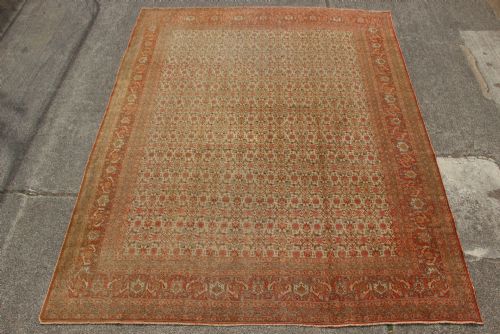
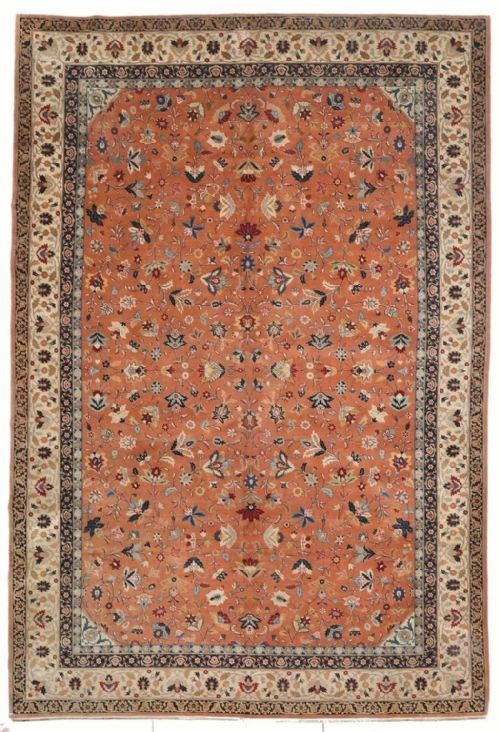


Hand Woven Tabriz Carpet
A hand woven tabriz carpet brings enduring Persian artistry and dense wool pile into a room, offering both warmth and complex historical pattern.
Hand Woven Tabriz Carpet
A hand woven tabriz carpet represents a storied tradition of workshop weaving originating from North-West Persia. These floor coverings range from compact area rugs to substantial room-size carpets designed to anchor large spaces.
The pieces available span from the late nineteenth century through the interwar decades of the twentieth century, alongside older examples originating from the eighteenth century. Buyers frequently encounter room-size formats and smaller rugs displaying classic floral design.
Originating in the historic city of Tabriz, these textiles reflect centuries of sophisticated design vocabulary adapted by skilled artisans. Their enduring appeal lies in their balanced compositions and ability to complement both traditional and contemporary interiors.
Markers of quality and execution
Quality in a hand woven tabriz carpet rests primarily on the finesse of the knotting and the crispness of the design. Finer weaving allows for sharper botanical details and more nuanced colour transitions across the field.
The choice of materials also dictates the grade of the piece, with silk additions and superior wool selections elevating the texture and visual depth. Structural integrity and even wear across the foundation distinguish exceptional examples from standard production.
Hand Woven Tabriz Carpet Retail Price Guide 2026
Typical asking prices for hand woven tabriz carpet among the pieces listed under this phrase on Sellingantiques today, from the lower quarter to the upper quarter. They describe what is for sale here now, not the wider market.
Benlian·Hajji Jalili
The Hand Woven Tabriz Carpet Glossary
- Tabriz carpet
- A floor covering woven in the North-West Persian city of Tabriz, known for sophisticated workshop designs and balanced floral motifs. These pieces often feature central medallions surrounded by elaborate border systems.
- Pile
- The vertical or slanted soft surface of a carpet formed by the cut ends of knots. In Persian weaving, this dense layer provides both underfoot comfort and protection for the structural foundation.
- Warp
- The stationary vertical threads stretched tightly on a loom before weaving begins. The pile knots are tied around these foundational elements, which often show at the fringe ends.
- Weft
- The horizontal threads passed across the warp threads after each row of knots is completed. Beating the weft down firmly ensures the structural stability of the carpet.
- Safavid
- A historical Persian dynasty associated with a golden age of carpet design and patronage. Pieces referencing this era often display particularly refined classical compositions.
Hand Woven Tabriz Carpet: Frequently Asked Questions
How do I date an old carpet?
Dating relies on stylistic shifts, material analysis, and structural characteristics recorded in workshop traditions. Nineteenth-century examples often display distinct natural dye palettes compared to later twentieth-century production.
Examining the tightness of the weave and the specific floral vocabulary provides further clues to the period of origin.
Are these carpets suitable for daily use?
Traditional room-size carpets with wool pile are remarkably resilient and withstand everyday foot traffic well. Placing a quality underlay beneath the rug helps cushion the foundation and prevents slipping.
Regular gentle vacuuming without a rotating brush roll keeps the wool pile clean and vibrant over decades of domestic life.
What defines a Persian Safavid style?
The Safavid style draws upon court-workshop aesthetics from early Persian history, featuring complex field layouts and intricate floral arabesques. These designs represent some of the most celebrated achievements in carpet weaving.
Pieces echoing this tradition display exceptional compositional balance and sophisticated botanical detailing.
How do room-size carpets differ from smaller rugs?
Room-size carpets are proportioned to anchor an entire seating area or dining space, requiring larger looms and extended workshop time. Smaller rugs, such as area formats, offer versatility for hallways, studies, or bedroom placement.
Both scales utilise the same meticulous hand-knotting techniques but serve different architectural functions within a home.