
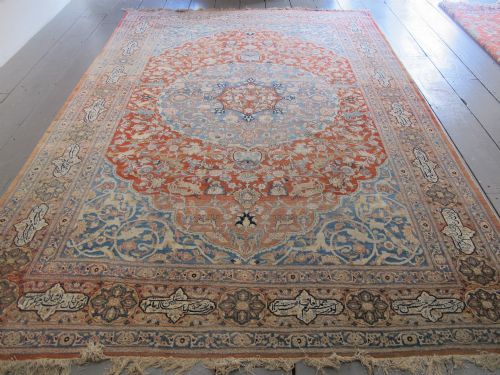


Wool Tabriz Rug
A wool tabriz rug brings centuries of Persian weaving tradition into a room through intricate floral patterns and durable pile.
Wool Tabriz Rug
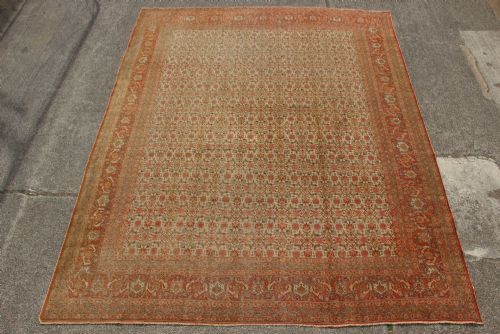
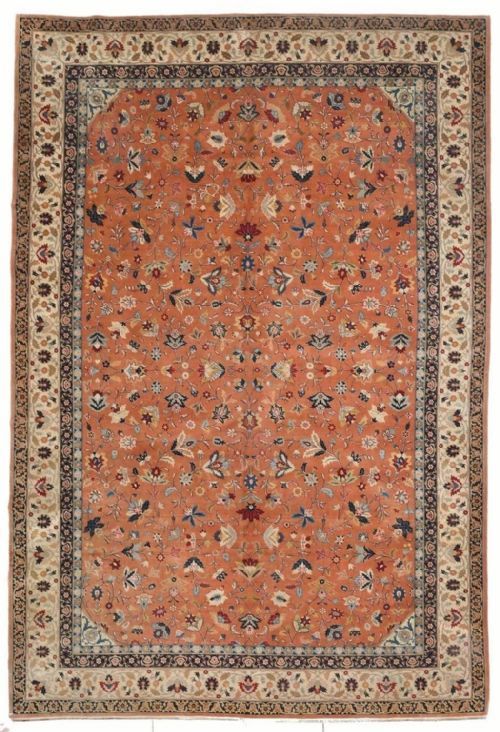
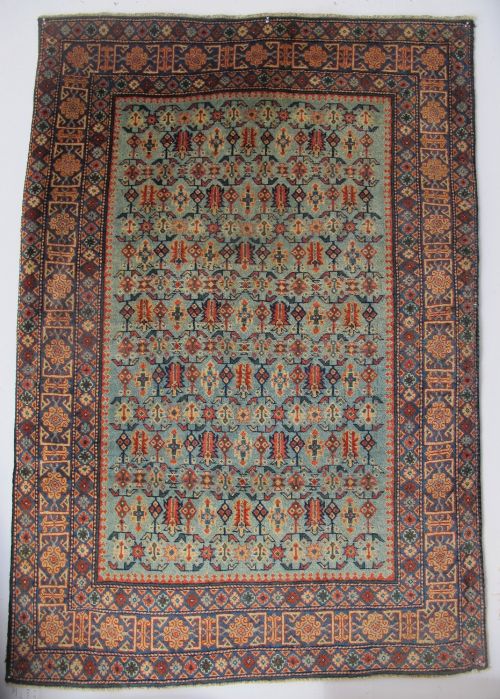
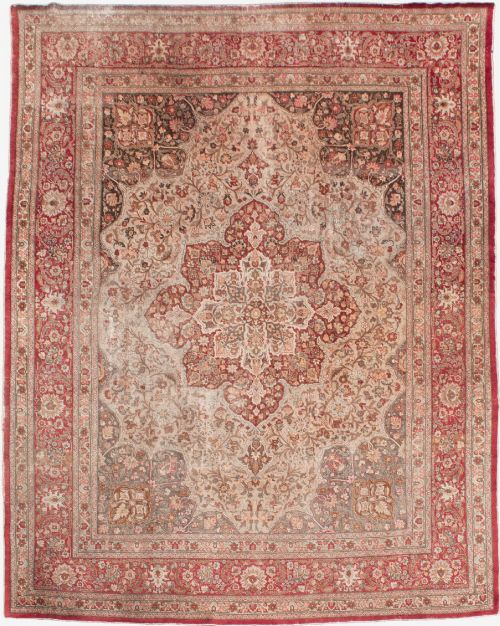
When you search for a wool tabriz rug, you examine hand-knotted floor coverings originating from North-West Persia. These pieces arrive in various formats, ranging from compact area rugs to large country house carpets spanning several metres.
The versions most likely to appear on this page date from the late nineteenth century through to the early decades of the twentieth century. They display traditional Persian designs, including central medallions, all-over floral motifs, and detailed hunting scenes.
Materials and Construction
Weavers constructed these carpets using wool pile knotted onto sturdy cotton foundations. This combination provided both the soft texture needed for intricate pattern work and the structural strength required for large room-size formats.
Makers utilised natural dyes to achieve the soft pastel colours and deep tones seen across these Persian pieces. The density of the knotting allowed workshops to execute precise floral details and fine geometric borders.
Listings span multiple decades from the nineteenth and twentieth centuries, featuring both cotton and wool materials in traditional Persian styles.
Assessing Quality and Execution
Quality in these Persian carpets rests on the density of the knotting and the crispness of the design execution. Tighter knots permit sharper detail in the traditional floral medallions and hunting scenes.
The harmony of the colour palette and the refinement of the wool also distinguish the output of master workshops from standard village pieces. Well-balanced proportions across large room-size carpets elevate the standing of the work.
Haji Jalili·Benlian
The Wool Tabriz Rug Glossary
- Herati
- A repeating floral pattern composed of a central rosette enclosed by leaf motifs, commonly found across Persian carpets.
- Medallion
- A symmetrical ornamental design centred in the middle of the rug field.
- Pile
- The upright yarn loops that form the usable surface of the carpet.
- Safavid
- A historical Persian period associated with classical styles in textile arts.
Wool Tabriz Rug: Frequently Asked Questions
How do I clean an antique wool tabriz rug?
Professional dusting and specialist low-moisture washing preserve the wool pile and natural dyes. Avoid harsh chemical treatments and excessive water.
Regular gentle vacuuming without a beater bar prevents dirt accumulation in the foundation fibres.
Where should I place a large room-size carpet?
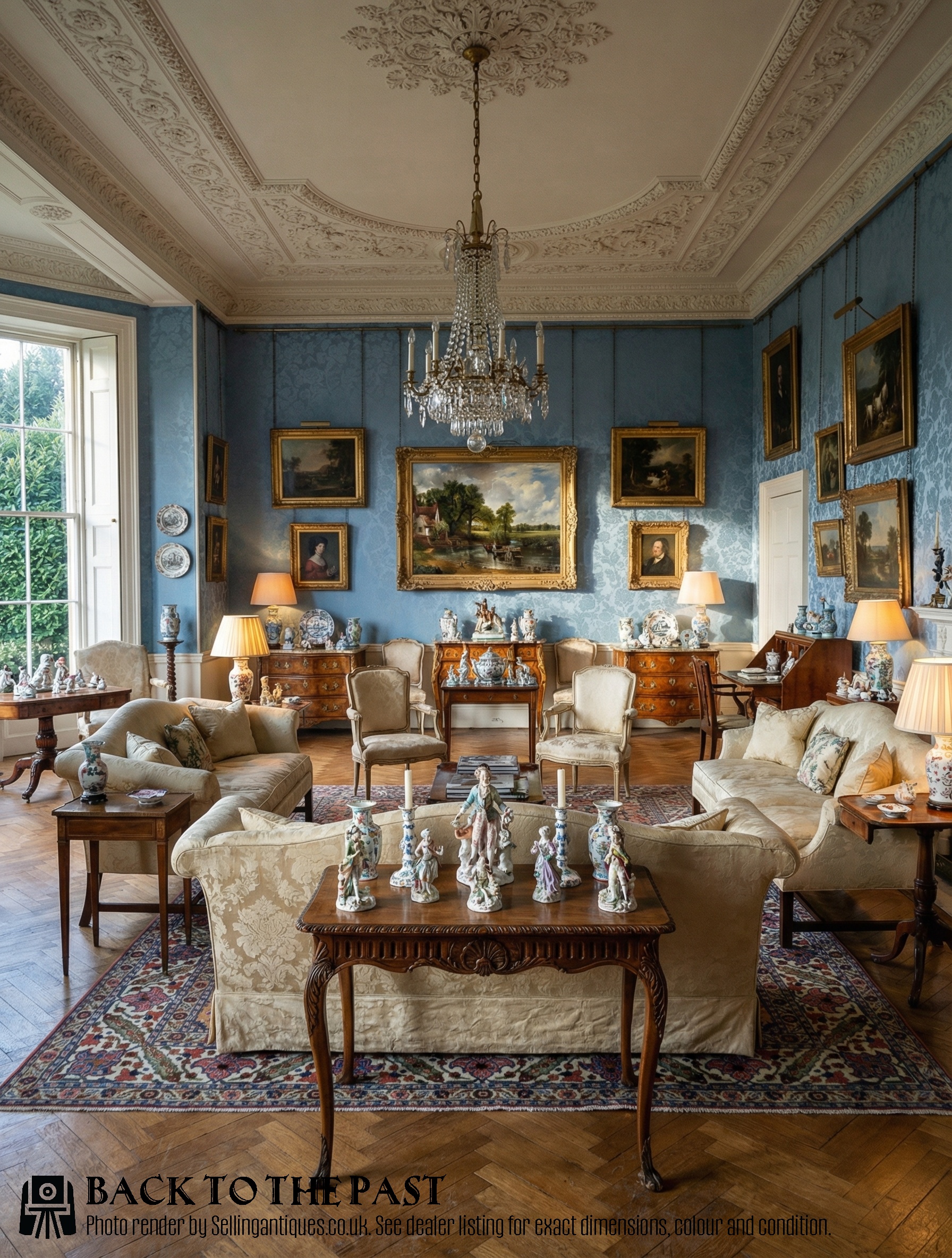
Large room formats suit principal reception spaces and drawing rooms where furniture can sit partially on the border. This anchors the room layout while displaying the central medallion.
Ensure the floor receives even light exposure to maintain uniform colour across the wool pile over time.
How do I identify a nineteenth-century piece?
Examine the knot structure on the reverse and assess the subtlety of the natural dye palette. Earlier pieces often display softer pastel tones and finer wool handling.
Compare the border motifs against documented Persian regional styles from the Qajar era.
Are these carpets suitable for heavy foot traffic?
Traditional cotton foundations and dense wool piles provide the durability needed for everyday use in residential settings. Placing a quality underlay beneath the rug reduces friction against hard floors.
Rotate the carpet periodically to distribute wear evenly across high-traffic areas.